

Products are selected by our editors, we may earn commission from links on this page.
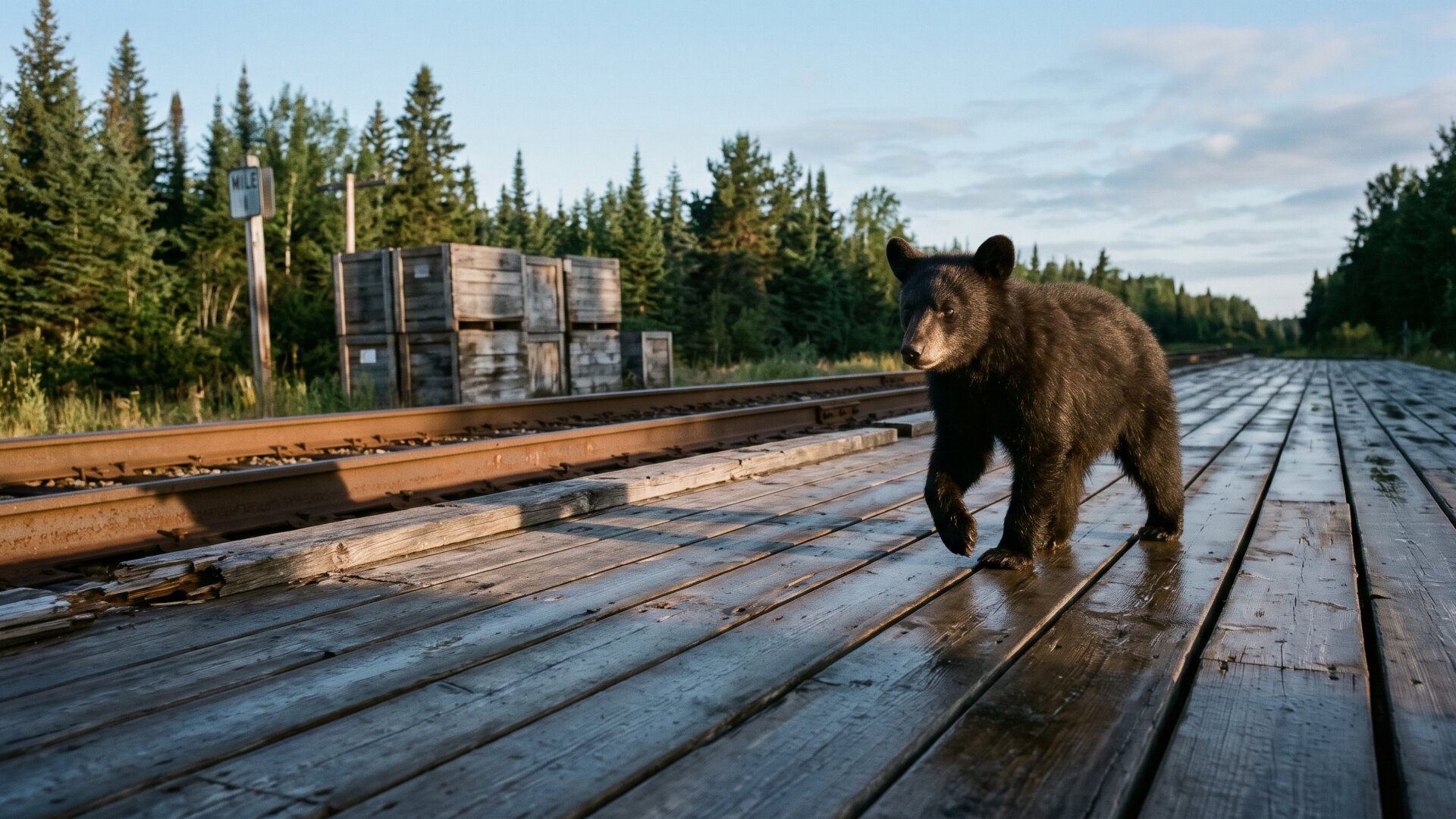
Winnie-the-Pooh, the story collection A. A. Milne published in 1926, turns 100 this year. The character did not start in Milne’s head. It started with a live black bear cub that a Canadian veterinarian named Harry Colebourn bought for $20 at a railway stop in White River, Ontario, on August 24, 1914, while traveling east to join the war effort. Colebourn named her Winnipeg, after the Manitoba city where he worked, and shortened it to Winnie. She traveled with his unit, crossed the Atlantic with him, and ended up at the London Zoo, where Milne’s son met her roughly a decade before the book appeared.
This article was created with the assistance of AI and reviewed by our editorial team for accuracy and clarity.
The bear lived with soldiers, not in a cage
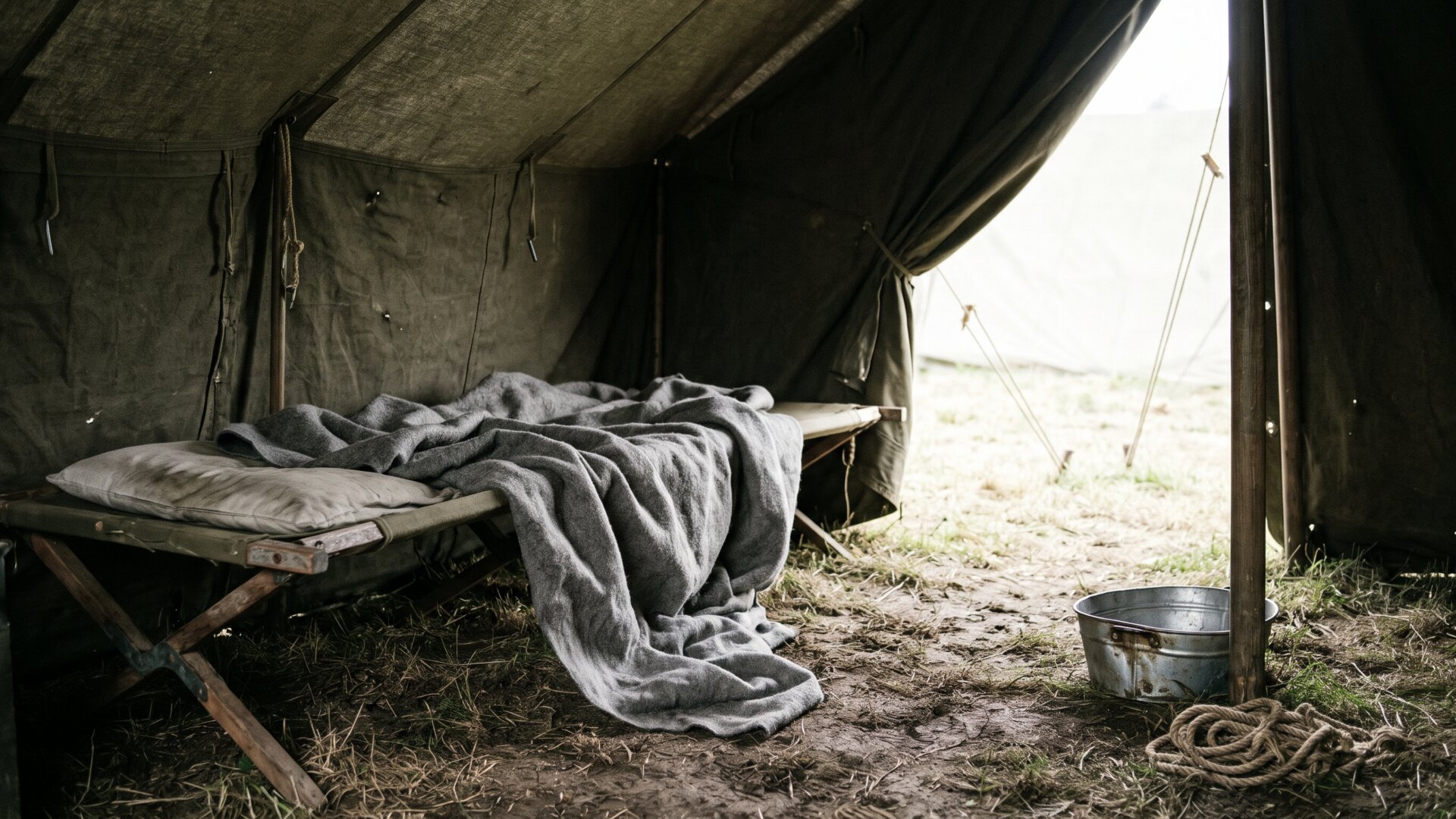
The arrangement sounds implausible now, and it was unusual then. Winnie was not kept penned at a distance from the men. She slept under Colebourn’s cot. She followed him around camp. When he was occupied elsewhere, she wandered among the other soldiers of the Fort Garry Horse and the veterinary corps, and the unit adopted her as an unofficial mascot. Colebourn was a trained veterinarian, which helps explain why a wild animal tolerated the arrangement and why the arrangement tolerated her. He knew how to handle and feed an animal most people would have had no idea what to do with.
Why a veterinarian was shipping out at all
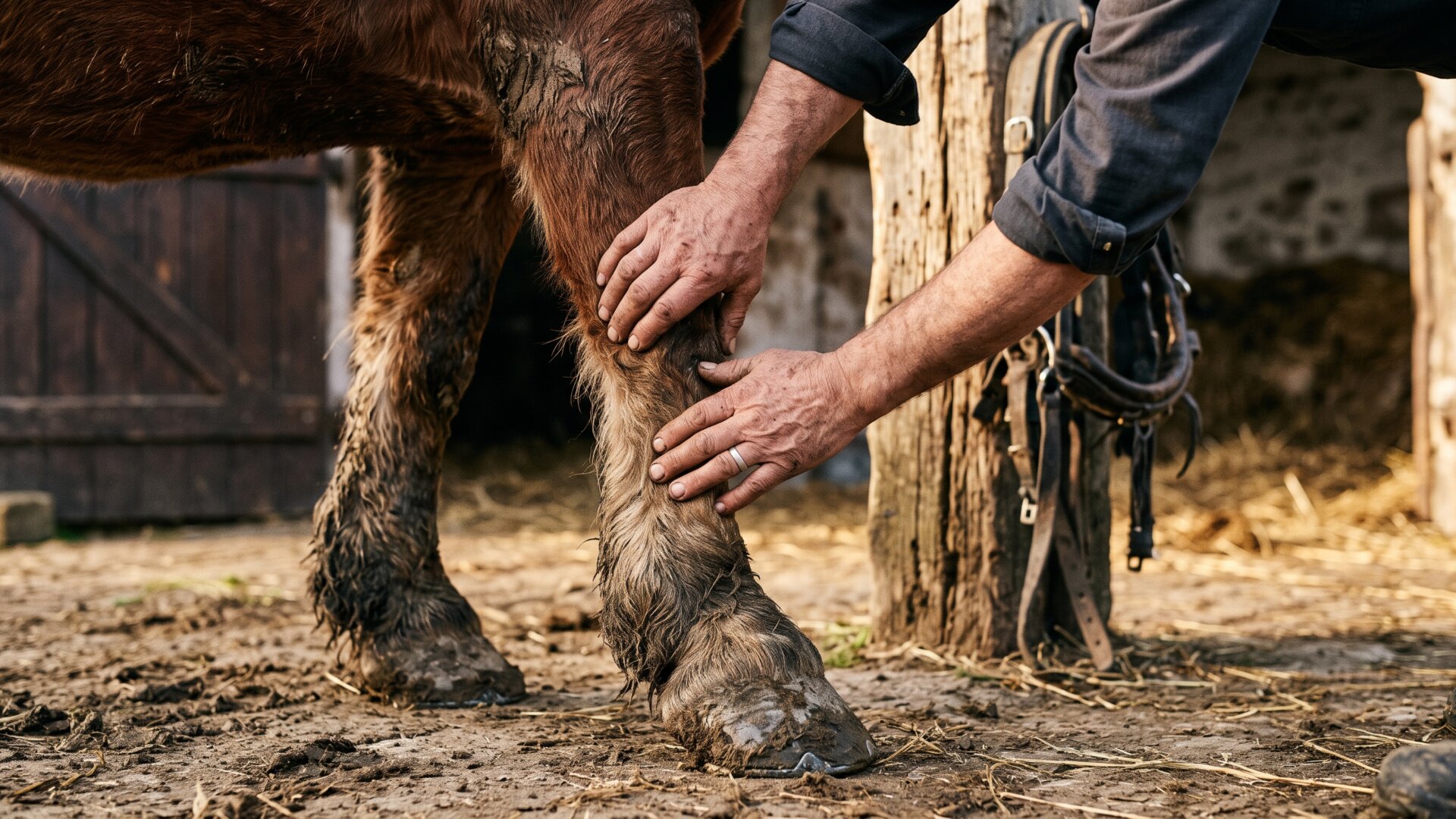
Colebourn was not an infantryman who happened to like animals. He was a graduate of the Ontario Veterinary College and worked for the Manitoba government before volunteering. The Canadian Army Veterinary Corps existed because armies in 1914 still ran on horses, and horses got sick, injured, and overworked in enormous numbers. That job is what put him on a troop train through northern Ontario in August 1914, and what gave him the practical knowledge to take a bear cub along. A soldier with any other specialty would most likely have walked past the animal on the platform.
Twenty dollars then, a few hundred now
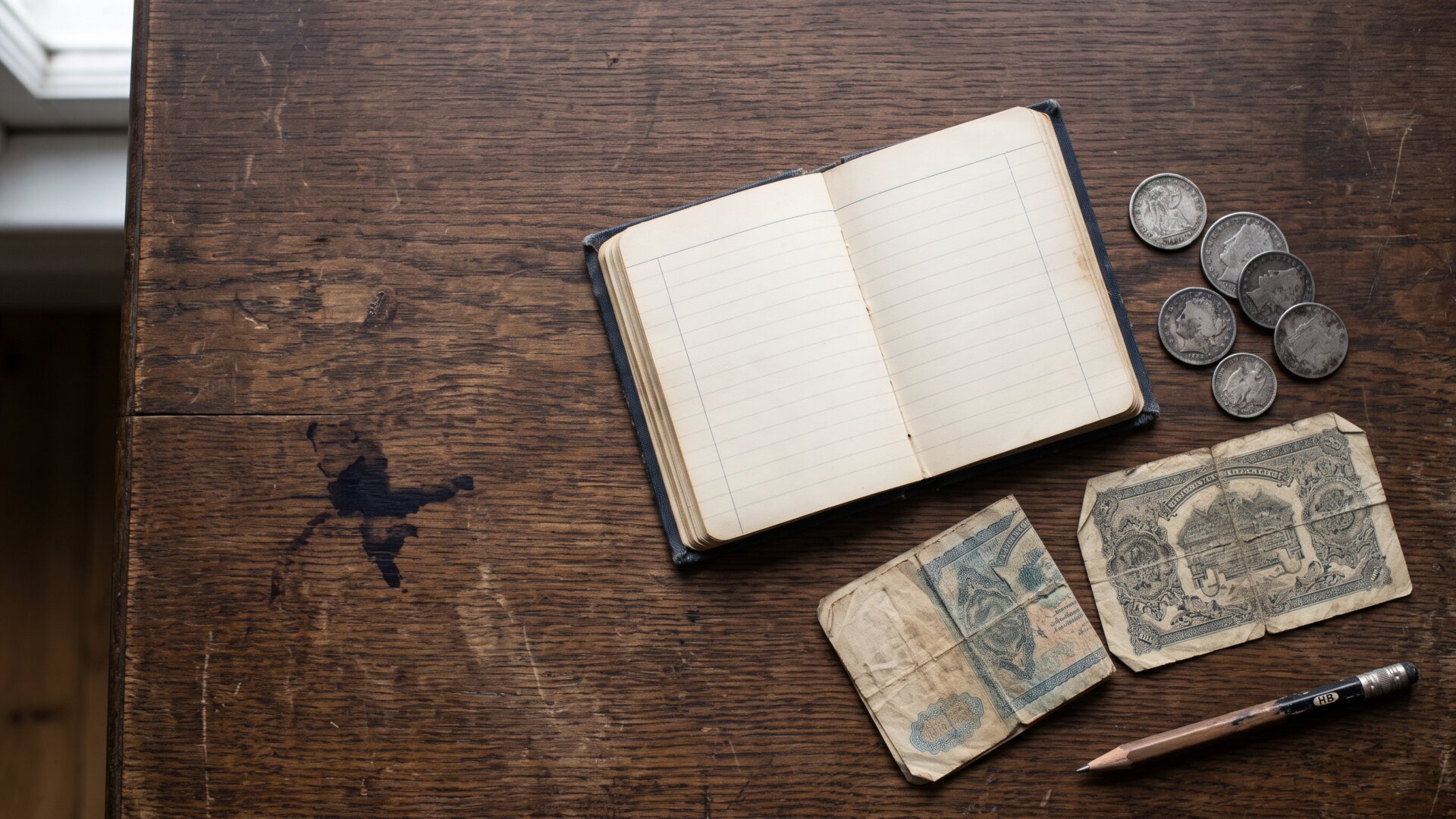
The purchase price has become the single most repeated detail of the story, and it is worth sizing. Twenty Canadian dollars in 1914 translates to somewhere in the range of a few hundred dollars today, depending on which inflation measure is used. It was roughly what a laborer might earn in a week or two of work. So it was not pocket change and it was not a fortune. It was the kind of spending a professional man could do on impulse without much thought, which is apparently close to what happened on that platform.
Seven weeks on Salisbury Plain, then the front
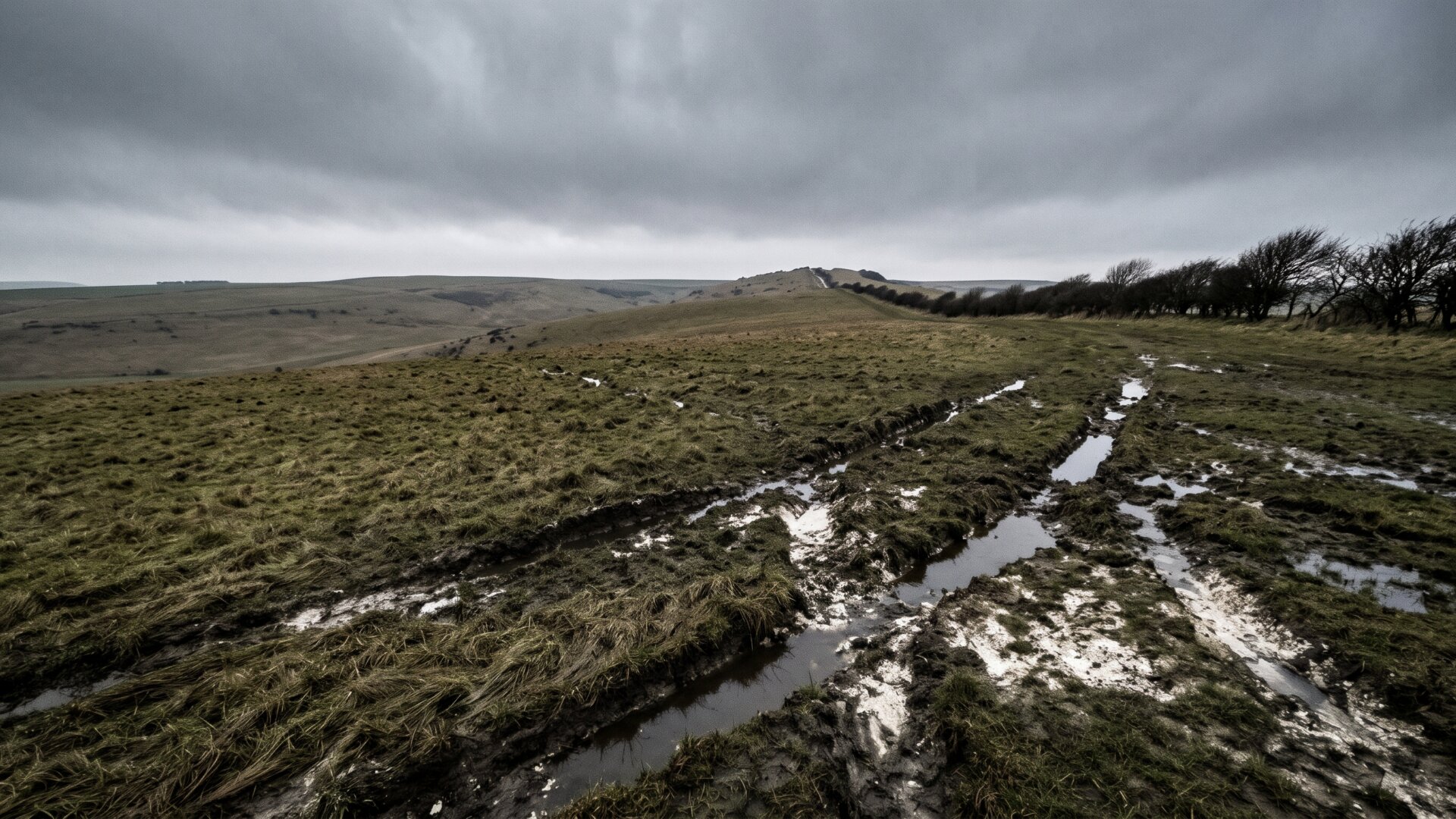
Colebourn and Winnie sailed for England in October 1914 aboard the S.S. Manitou. His unit trained for about seven weeks on Salisbury Plain, the chalk grassland in Wiltshire where Canadian troops staged before deployment. Then came orders for the Western Front. A bear could not follow him there, and he knew it. In December 1914 he took Winnie to the London Zoo in Regent’s Park and left her as a temporary boarder, expecting a short war and a reunion. He visited when leave allowed. The war ran four more years.
He signed her over for good in 1918
When the fighting ended in 1918, Colebourn went back to the zoo and made a decision that cost him something. Winnie had become a fixture in London, familiar to a generation of children who fed her and, in some accounts, were allowed inside her enclosure. He formally donated her to the zoo rather than shipping her to Manitoba. He returned to Winnipeg and resumed veterinary practice. The bear he had bought on a train platform stayed in Regent’s Park for the rest of her life, which lasted until 1934.
Christopher Robin renamed his toy after her
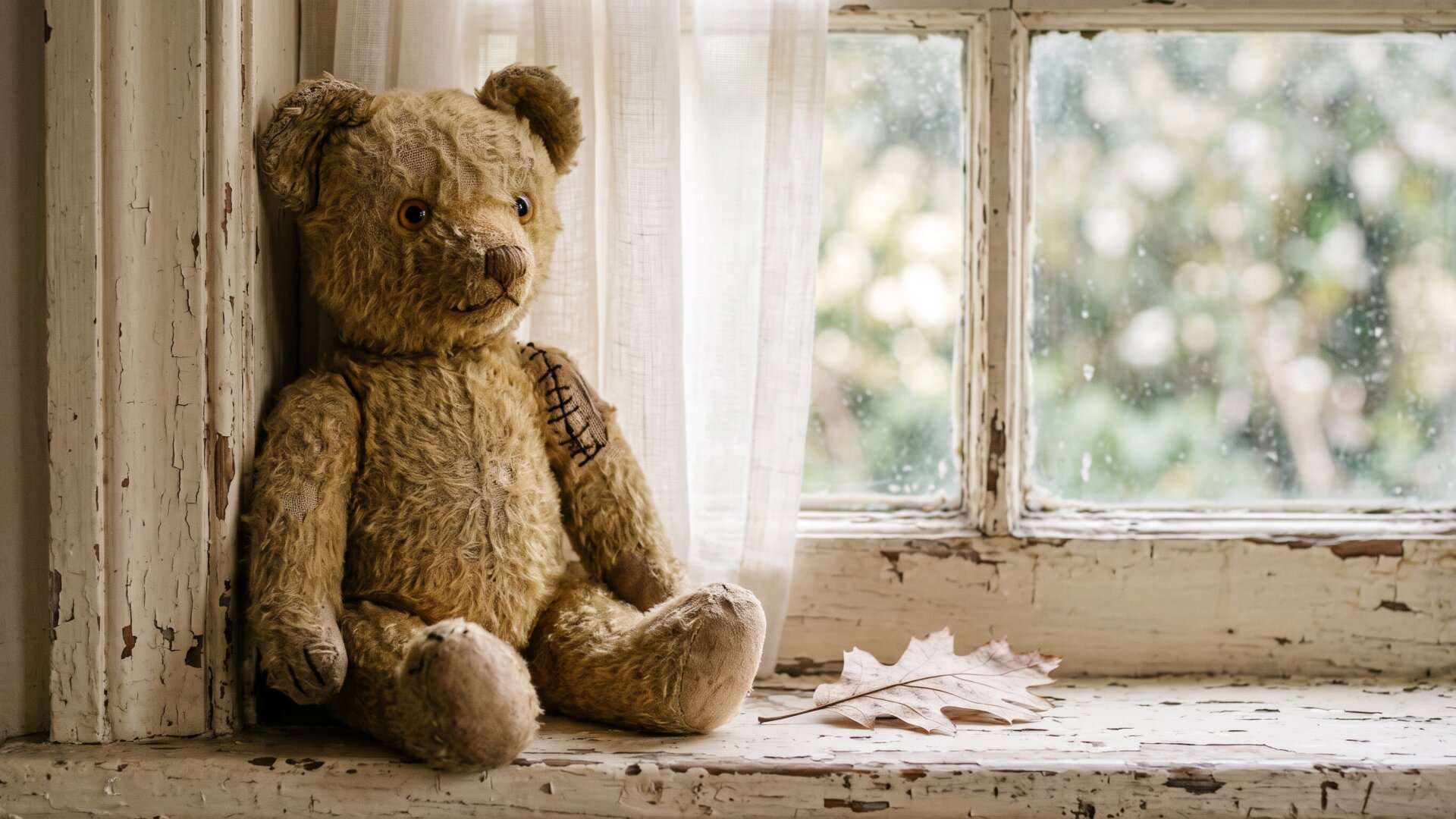
The usual assumption is that Milne invented a bear and his son grew to love it. The sequence ran the other way. Christopher Robin Milne, born in 1920, visited the London Zoo and became attached to the real Winnie, feeding her and, by family account, getting close enough to hug her. He then renamed the stuffed bear he already owned. The “Pooh” half came from elsewhere, a swan the family had encountered. The toy became Winnie-the-Pooh because a live bear from Manitoba was sitting in Regent’s Park being adored by a small boy.
The other animals were real toys too
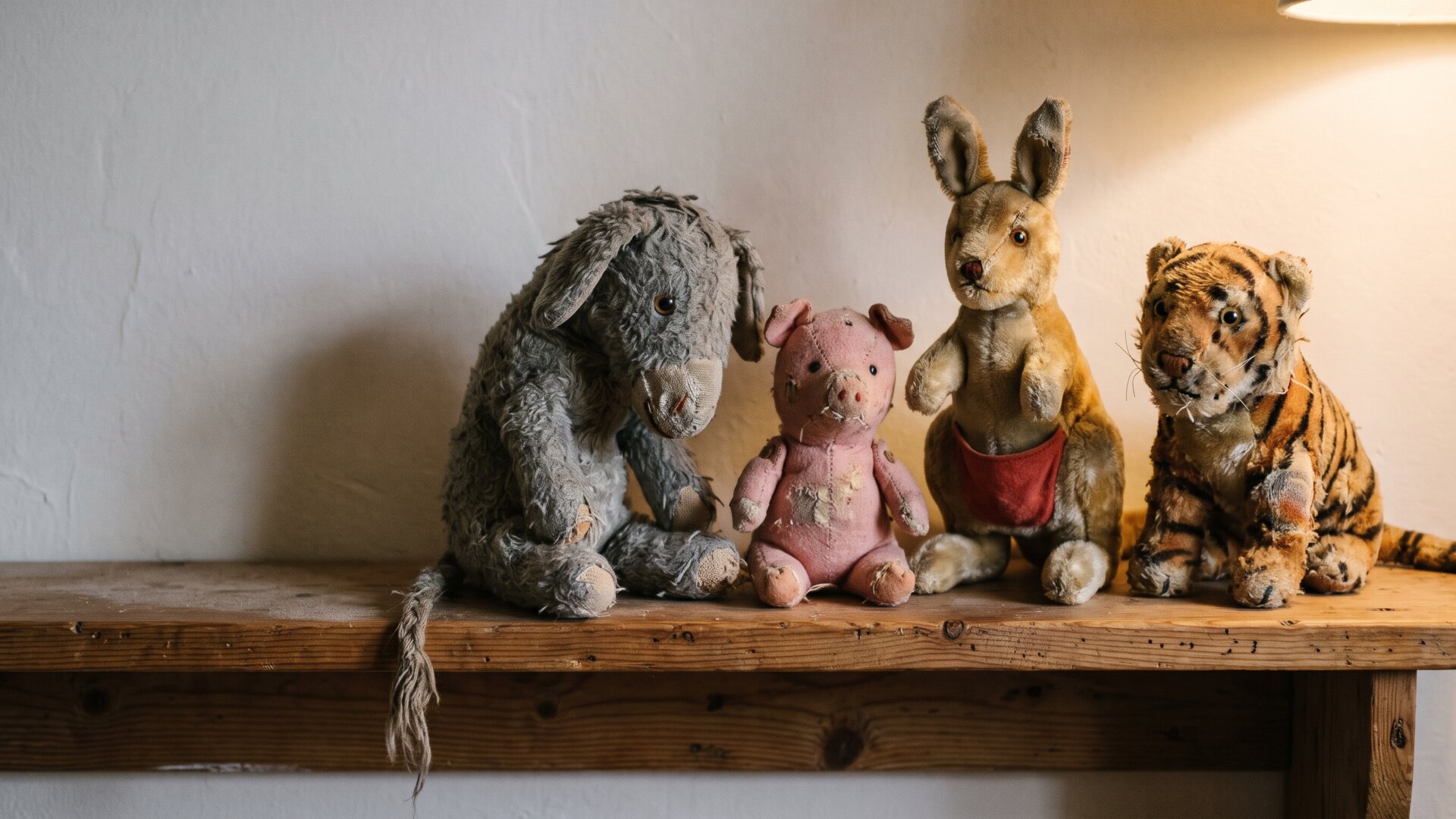
Pooh was not the only nursery resident conscripted into print. Christopher Robin’s collection included a piglet, a donkey, a kangaroo, and a tiger, and each turned up in the books as Piglet, Eeyore, Kanga, and Tigger. Owl and Rabbit were invented, the two characters in the Hundred Acre Wood who had no stuffed counterpart. Milne’s first sketch of the bear appeared in a poem in his 1924 children’s collection When We Were Very Young. The full story volume, Winnie-the-Pooh, followed in 1926 with illustrations by E. H. Shepard.
What Colebourn’s great-granddaughter makes of it
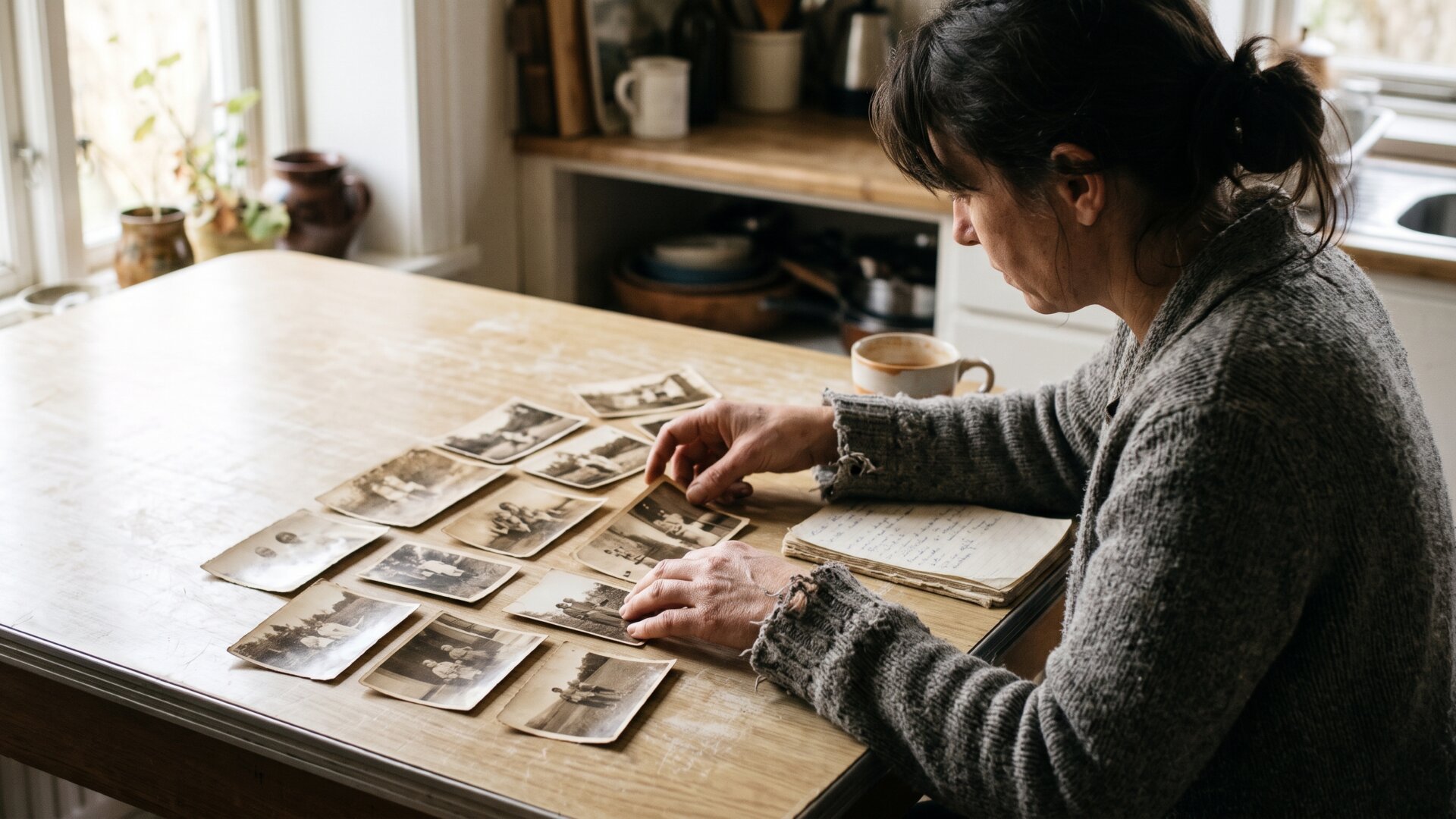
Lindsay Mattick, Colebourn’s great-granddaughter, has spent years with the family diaries and photographs, and wrote a children’s book about the bear. She has been clear that the man had no plan and no sense of what he was starting. “He didn’t do it for fame or fortune,” she told CBS Evening News. “He probably thought that this pet bear would become a source of fun and joy for his fellow soldiers.” She has also said nobody in 1914 could have imagined the cub ending up in stories read around the world. Her account is also how a descendant who never met him came to know the man.
Winnie died in 1934, before most of the fame
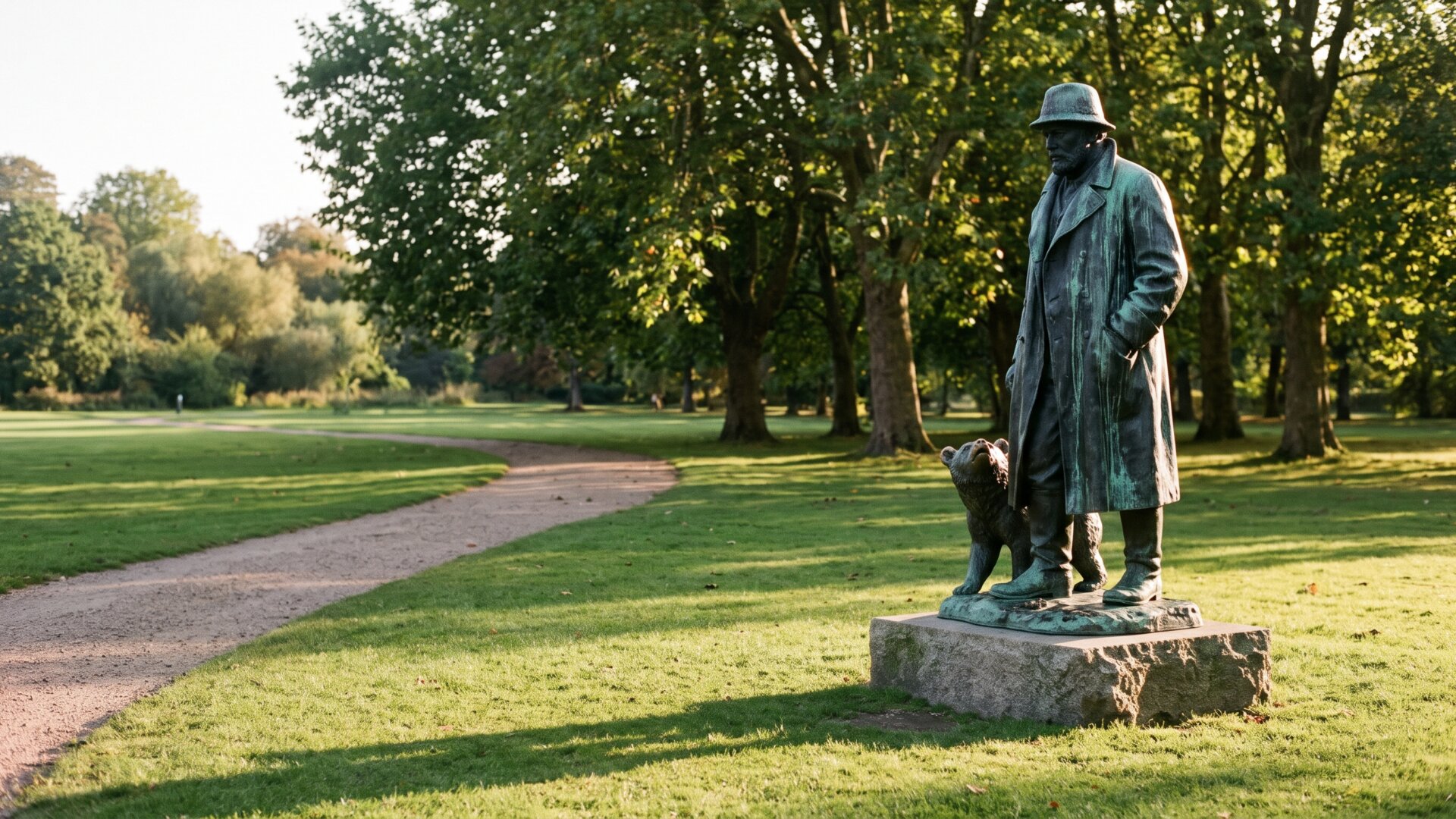
The bear outlived the first book by eight years. She died at the London Zoo in 1934, by which point the Pooh stories were established but the global machinery around them barely existed. Milne had published his last Pooh volume, The House at Pooh Corner, in 1928. The Disney animated shorts that made the character a worldwide property did not begin until 1966, thirty-two years after her death. Colebourn died in 1947. Neither he nor the bear saw what the $20 turned into. If you are ever in Winnipeg or at the London Zoo, both have statues of a soldier and a bear cub.