

Products are selected by our editors, we may earn commission from links on this page.
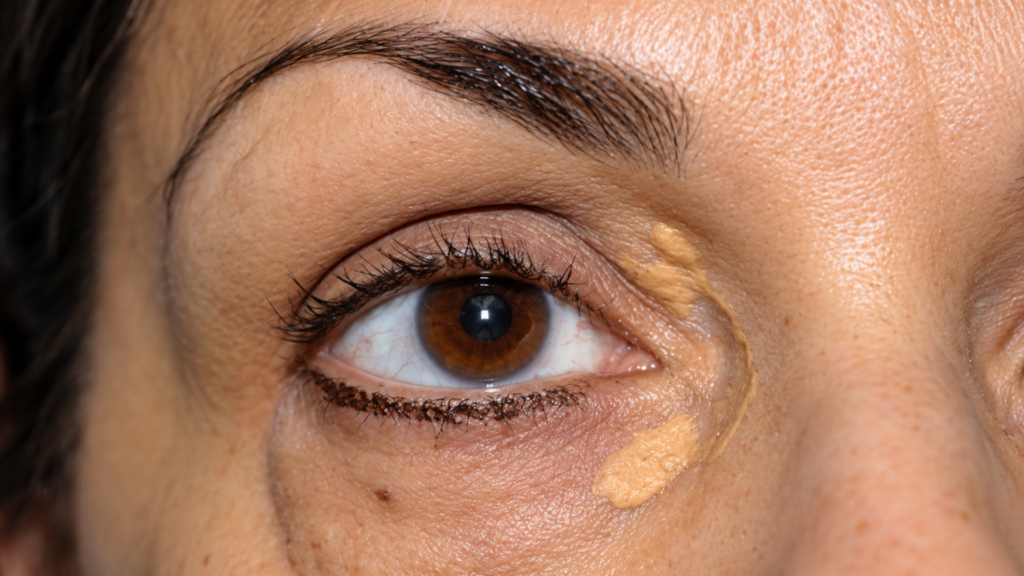
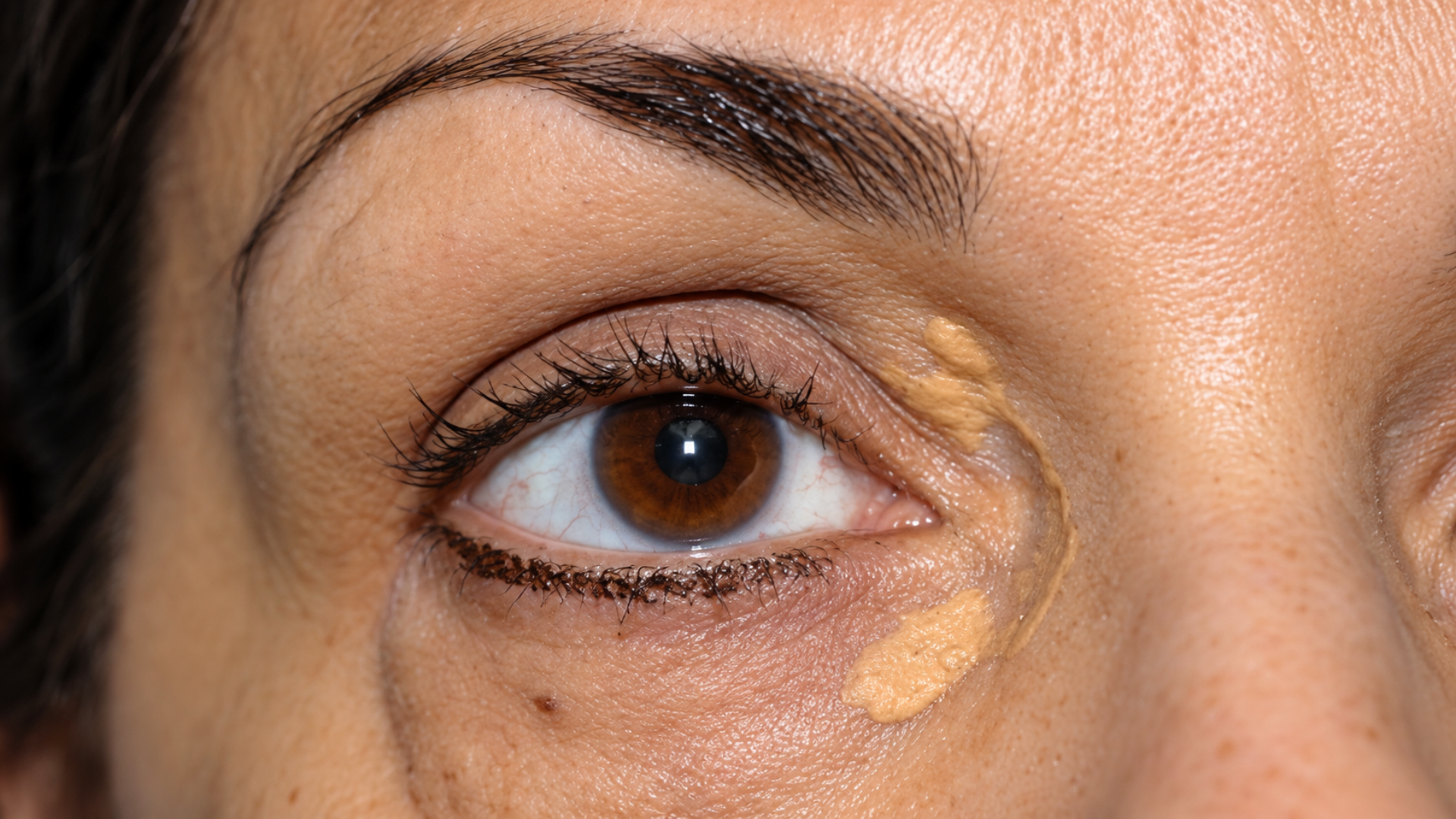
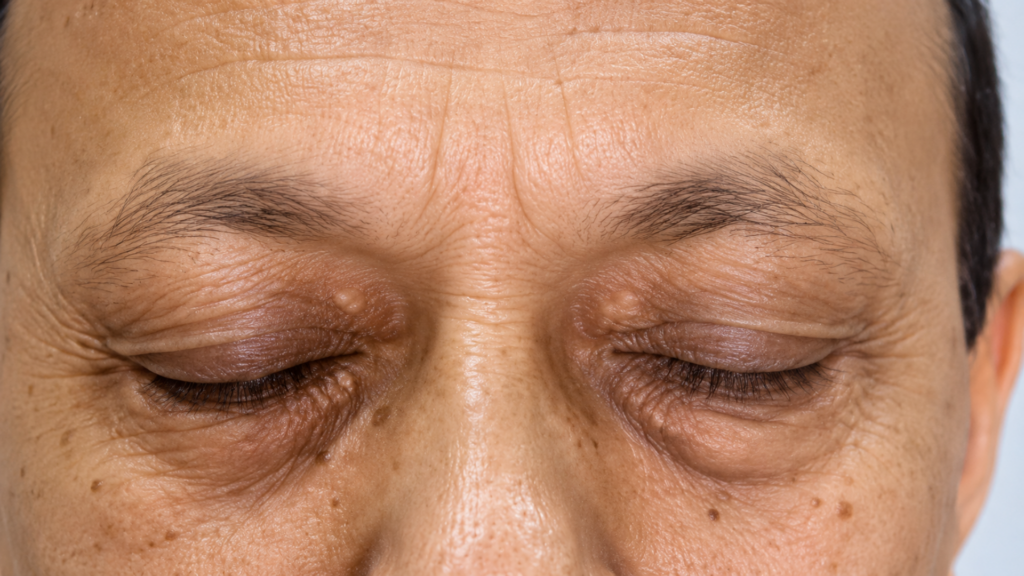
For decades, doctors treated small yellow patches near the eyelids as nothing more than a cosmetic quirk. A new analysis of tens of thousands of patient records suggests otherwise. The condition, called xanthelasma, shows up as soft, waxy bumps clustered in the inner corners of the eyes, and researchers just linked it to a measurably higher chance of heart attack, stroke and a lesser-known but equally dangerous event called a transient ischemic attack.
Waxy Yellow Plaques Form When Fat-Filled Cells Get Trapped Under Skin
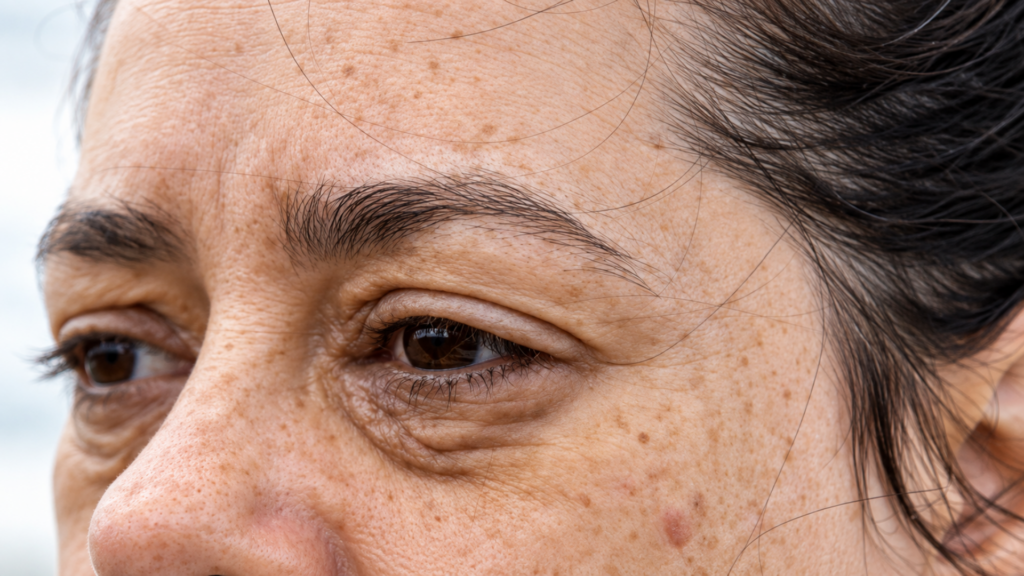
Xanthelasma appears as flat, yellowish plaques that settle symmetrically around both eyes, most often near the inner corners of the upper or lower lids. According to the American Academy of Ophthalmology, the patches form when immune cells called macrophages fill up with cholesterol and other fats and become trapped just beneath the skin. They are painless, they do not affect vision, and they will not disappear on their own.
Stanford Researchers Pulled Records On Nearly 36,000 Patients To Test The Link
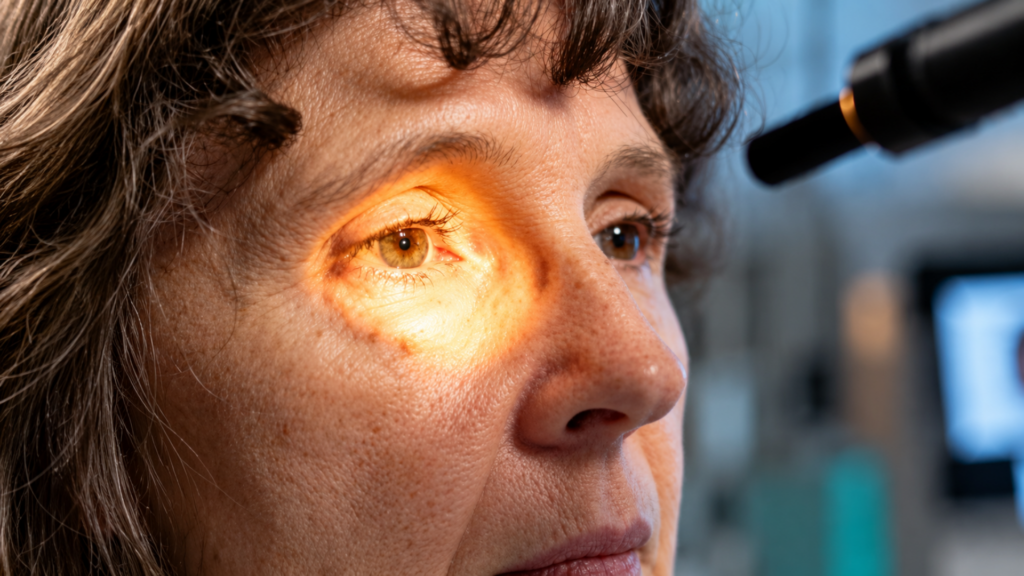
A team led by Stanford ophthalmology researcher Negin Yavari mined TriNetX, a research network covering more than 150 million patient records, to see whether xanthelasma predicted anything beyond appearance. They identified 17,925 adults diagnosed with the condition and matched each one against a patient with presbyopia, an unrelated vision problem chosen because it guaranteed an eye exam without the cholesterol patches.
One Year In, Heart Attacks Nearly Tripled For Xanthelasma Patients

Within a year of diagnosis, 1 percent of patients with xanthelasma had suffered a heart attack, compared with just 0.35 percent of the matched control group. Strokes followed a similar pattern: 0.95 percent of the xanthelasma group experienced one within a year, versus 0.30 percent of controls. The gap held even though both groups had been screened to exclude anyone with a prior history of these events.
Mini-Strokes Struck Xanthelasma Patients Three Times As Often

Transient ischemic attacks, often called mini-strokes, briefly cut off blood flow to the brain and typically resolve within minutes, but they are a major red flag for a future stroke. In the xanthelasma group, 0.6 percent had a TIA in the first year, compared with 0.19 percent of controls. Researchers noted the pattern held steady across the full dataset, not just a handful of outlier cases.
At 10 Years, Heart Attack Rates Were Still Climbing Faster

At the ten-year mark, 3.13 percent of xanthelasma patients had experienced a heart attack, compared with 1.73 percent of matched controls. Stroke followed a similar path: 3 percent versus 1.53 percent. The study, published in Atherosclerosis, found the elevated risk never fully closed, which is what convinced researchers that the patches deserve more than a passing glance during a routine exam.
Normal Cholesterol Numbers Didn’t Erase The Risk
Xanthelasma is often tied to high cholesterol, but researchers found something unexpected: patients with normal lipid levels showed nearly the same rate of heart attacks, strokes, and TIAs as those with diagnosed cholesterol disorders. That finding suggests the patches may flag cardiovascular danger that a standard blood test misses, pointing to something happening in the arteries that a cholesterol panel alone doesn’t catch.
The Hidden Culprit Is Called Atherosclerosis

Most heart attacks and strokes trace back to atherosclerosis, a slow buildup of fatty plaque inside artery walls that can eventually block blood flow entirely. ScienceAlert reports that the same cholesterol-stuffed immune cells forming the eyelid patches are believed to behave similarly inside arteries, leading scientists to suspect the visible patches and the invisible plaque may share a common trigger.
Doctors Often See The Patches And Move On

People with xanthelasma usually visit a dermatologist worried about how the patches look, not their heart. Researchers pointed out that this creates a gap: a visible clue sits in plain sight while the cardiovascular risk factors driving it go unchecked. The study’s authors argued that primary care doctors should treat the patches as a prompt to dig deeper, not just a referral for cosmetic removal.
A Visible Clue Doctors Can No Longer Afford To Ignore

The patches themselves are harmless and never turn cancerous, but the data now shows they can mark something far more serious happening underneath. Researchers behind the study concluded that regular monitoring, lipid-lowering treatment, and blood pressure control could catch problems in xanthelasma patients long before a heart attack or stroke does. What used to be dismissed as a cosmetic footnote now belongs in a serious conversation about heart health.