

Products are selected by our editors, we may earn commission from links on this page.
When money feels tighter, an extra serum, fragrance, or lipstick might seem easy to cut from the budget. Yet beauty shoppers are not abandoning the category the way that assumption might suggest. Instead, their choices are becoming more deliberate, forcing brands to work harder for every purchase. The change is not simply about hunting for lower prices, either. What shoppers now consider worth their money reveals a much bigger shift in how they define value.
Beauty Still Has a Place in the Budget
Even as consumers scrutinize discretionary purchases more carefully, beauty continues to show resilience. Larissa Jensen, Senior Vice President and Global Beauty Advisor at Circana, says people are still spending, but they are doing so more intentionally. Products increasingly need to demonstrate value and believable results rather than relying on desire alone. That creates a tougher standard for brands: shoppers still want beauty, but companies increasingly have to earn their place in the cart.
The Sales Numbers Reveal Something Surprising
That selectiveness has not translated into an overall retreat from beauty. U.S. beauty sales reached $154 billion over the previous 12 months, representing 9 percent growth across mass, prestige, and other retail channels. In North America, prestige beauty grew 5 percent during the first quarter of 2026, while mass beauty rose 7 percent. The difference suggests shoppers are comfortable moving between price points rather than automatically choosing either the cheapest or most expensive option.
The Middle Is Becoming Beauty’s Sweet Spot
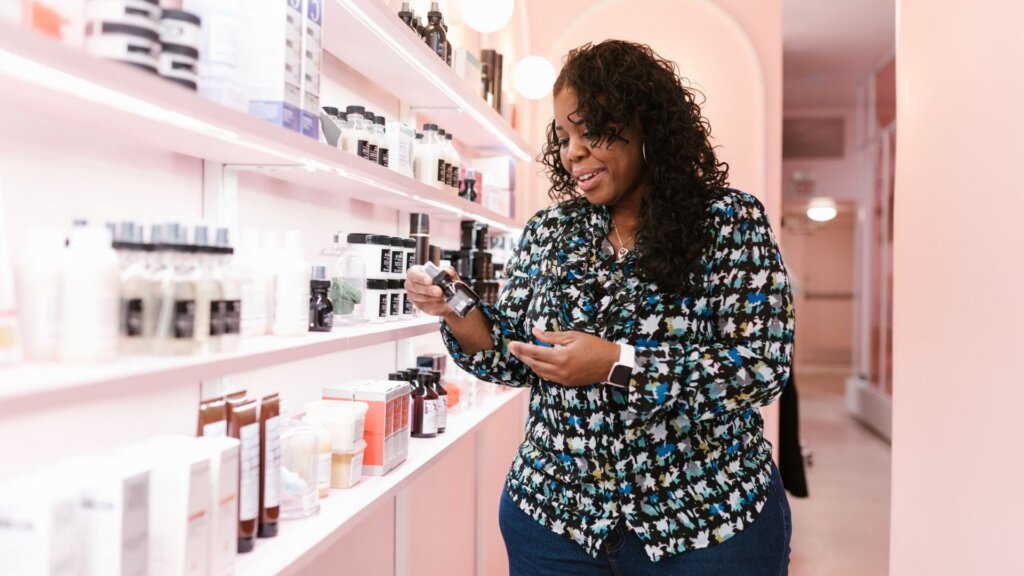
One of the clearest examples is the growing strength of masstige beauty, which sits between traditional mass and prestige. The segment represents only about 10 to 11 percent of total beauty sales, yet it is outperforming prestige brands by six percentage points and mass brands by nine. That performance points to what many shoppers increasingly want: accessible prices paired with products they believe offer quality and results. Value, in other words, is no longer synonymous with cheap.
Everyday Beauty Is Starting to Feel More Essential
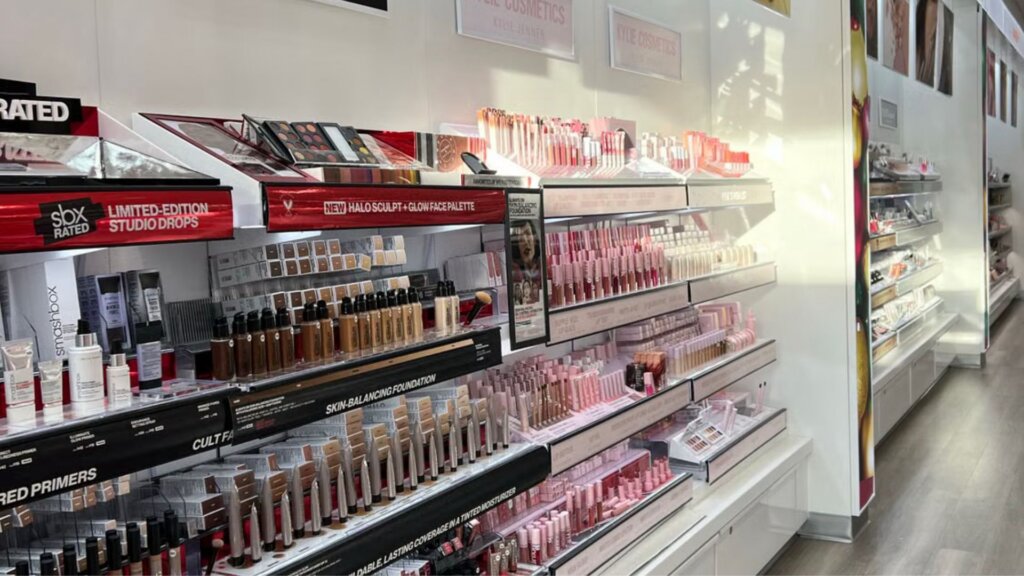
Where a product fits into someone’s routine also affects whether the expense feels justified. Around half of consumers plan to prioritize skincare in the future, with cleansers, moisturizers, and body washes benefiting from their place in everyday routines. Nearly three quarters of women also view beauty and wellness as integral parts of self-care. That connection can make certain purchases feel less like occasional indulgences and more like regular investments in personal well-being.
Affordable Products Are Feeling More Elevated
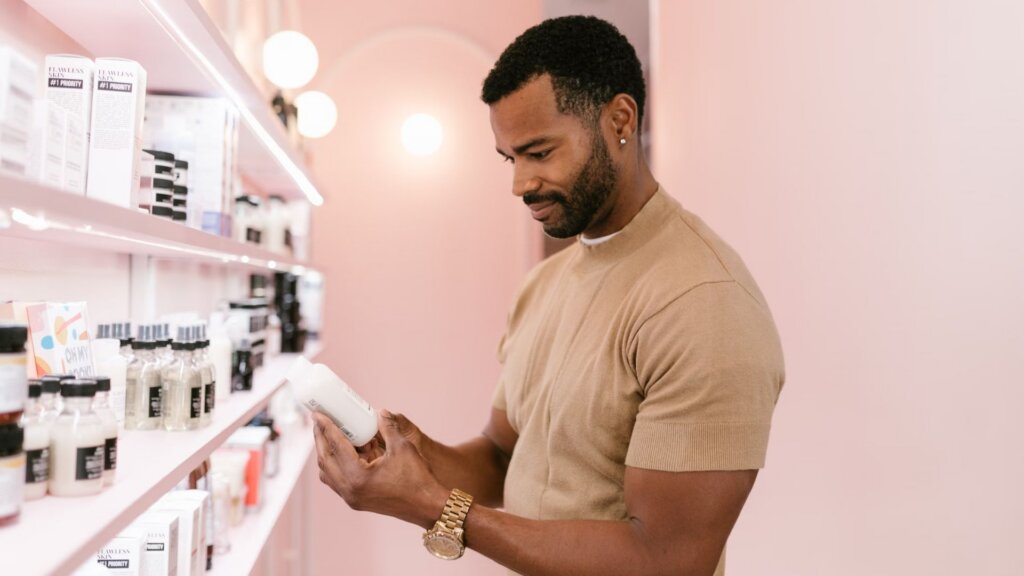
Shoppers no longer necessarily have to visit the prestige counter to find an elevated experience. Mass brands are borrowing cues from premium beauty, combining skincare inspired ingredients, appealing fragrances, and stronger product experiences at more accessible prices. Brands such as eos and Saltair illustrate the shift, while luxury inspired mass brands grew more than 30 percent in 2026. The growth suggests shoppers are responding to affordable products that offer more than affordability alone.
Shoppers Will Still Splurge When the Payoff Feels Clear
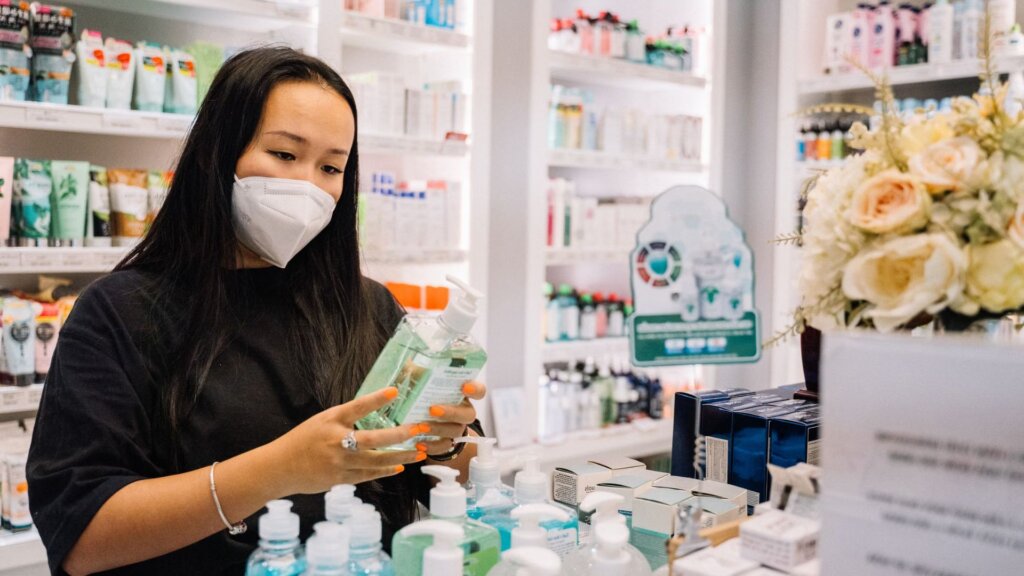
Being more careful with money does not mean consumers have lost their appetite for premium products. Luxury fragrance accounts for only 6 percent of units sold but generates 14 percent of prestige fragrance sales, showing that exclusivity and indulgence can still justify higher prices. Luxury makeup has remained resilient too, while lip products offer a smaller way to treat yourself. The pattern is becoming clearer: shoppers will spend more, but they increasingly want a reason.
Haircare Shows Where Performance Can Win
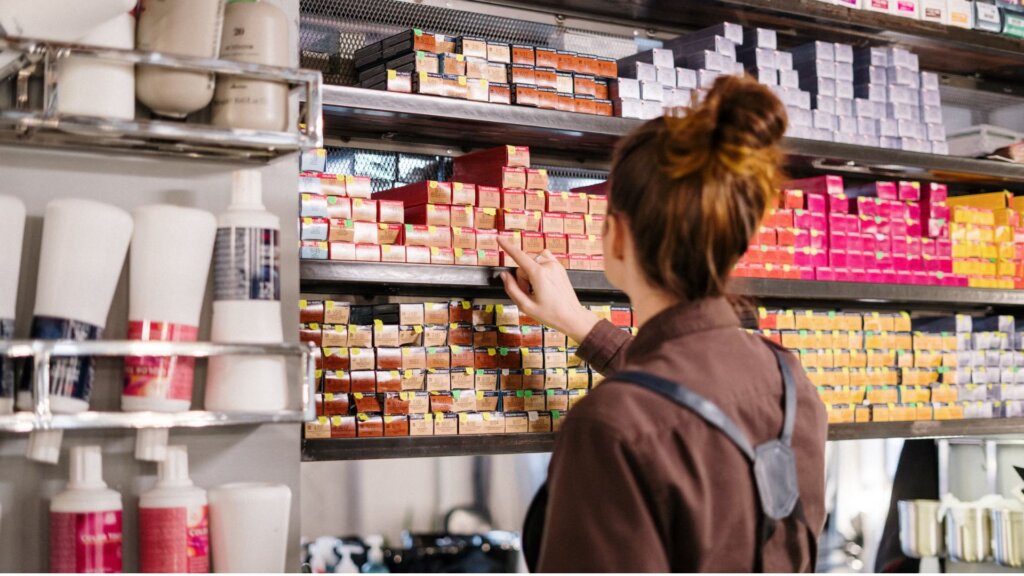
Haircare offers another clue about what makes a higher price feel worthwhile. Prestige treatments focused on repair, strengthening, and scalp health are driving growth as consumers increasingly view them as investments rather than optional extras. Haircare, styling, and treatment products have also generated nearly $240 million on TikTok Shop so far in 2026. When shoppers believe a product can deliver a meaningful result, they appear more willing to trade up instead of automatically choosing the lower priced option.
AI Is Giving Shoppers Another Way to Be Selective
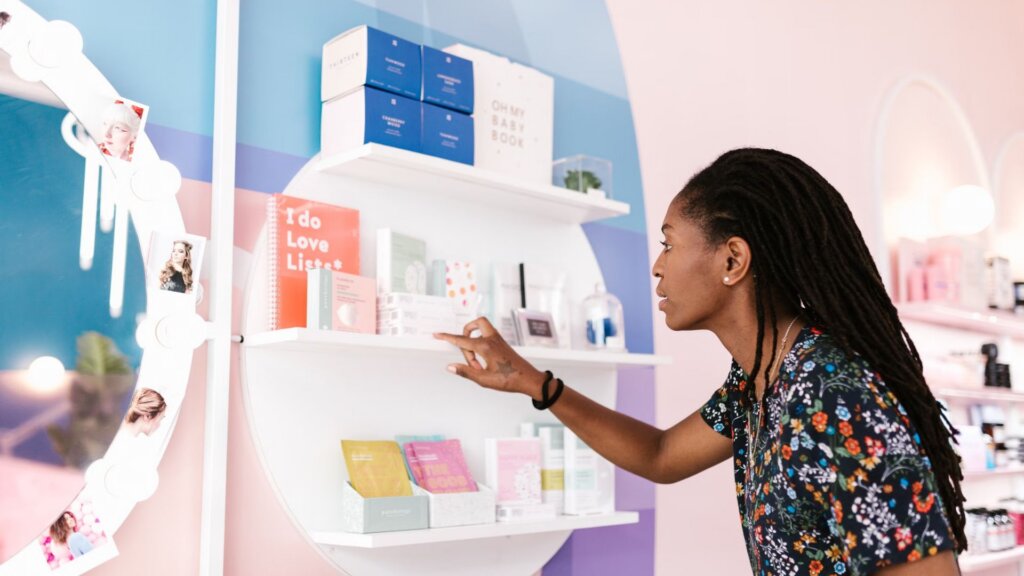
Technology is making it easier to scrutinize those choices before buying. Consumers already use AI to compare prices, but they are also turning to it to understand ingredients, identify suitable products, and build personalized routines. Circana found that 44 percent of consumers are comfortable making purchases with AI assistance. As shopping becomes more guided and personalized, brands may face even greater pressure to explain clearly what their products do and why they deserve the money.
Being Worth It Matters More Than Being Cheap

The biggest change in beauty spending is not a simple move toward bargain hunting. Today’s shoppers are balancing affordability with performance, wellness, indulgence, and convenience, sometimes saving in one category so they can spend more in another. That helps explain why mass, masstige, and premium products can all grow at the same time. Beauty shoppers still want to buy, but increasingly, a familiar name or attractive package alone may not be enough to win the sale.