


Products are selected by our editors, we may earn commission from links on this page.

Changing how your brain functions through diet alone, in just a few months, sounds like the kind of claim that belongs in a supplement ad rather than a peer-reviewed journal. A new study out of Spain suggests there might be something real underneath that claim, at least for one specific, unglamorous food: the tomato. The findings come with real limitations, though, worth understanding first.
Researchers at the University of Barcelona recruited 42 healthy middle-aged adults, all between 40 and 55 years old, for a crossover trial. Each participant spent three months eating 35 grams of tomato paste every day, and three separate months eating a diet deliberately restricted in lycopene, with a one-month break in between to reset. Everyone effectively served as their own control group.
By the end of the tomato-paste phase, researchers found real improvements in selective attention and a modest boost in associative memory on standardized cognitive tests. That is a promising result on its own. Understanding why a fruit best known for pizza sauce might actually shift how attention and memory work means looking at the specific compound researchers believe is responsible.
It’s the First Trial to Link Lycopene Directly to Brain Connectivity
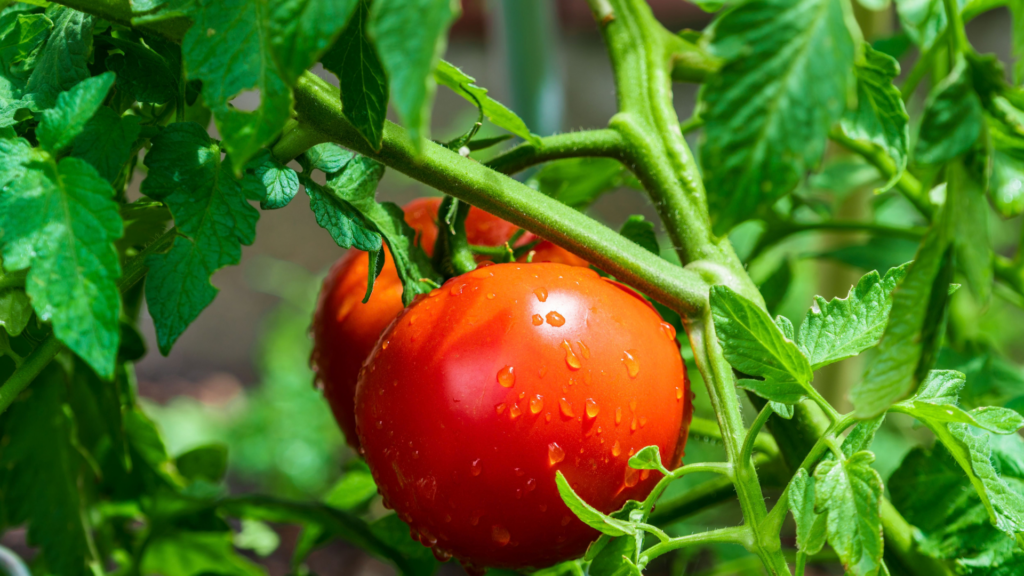
Lycopene is the pigment responsible for a tomato’s deep red color. It functions as a potent antioxidant. According to the International Food Information Council, lycopene is most commonly associated with tomatoes and tomato products specifically, which rank among the richest sources available. Earlier research has already linked it to heart health, reduced cancer risk, better skin health, pain relief, and improved fertility in men, well before anyone studied its effect on the brain directly.
What makes this particular study genuinely new is the brain-imaging angle. The research team, led by nutritionist Ricardo López-Solís at the University of Barcelona, wrote that this is, to their knowledge, the first clinical trial linking changes in lycopene levels directly to alterations in functional brain connectivity. The team described the pattern as evidence of “functional brain reorganization following tomato consumption,” visible through resting-state brain scans taken during the study.
That brain-imaging finding sounds impressive on its own. It comes with an important asterisk that deserves equal attention. Not all 42 participants who completed the cognitive tests also underwent brain scans, and the group that did was considerably smaller. Looking closely at exactly how small, and what that means for how much confidence anyone should place in the imaging results, changes the picture meaningfully.
Only 14 of the 42 Participants Actually Got Brain Scans
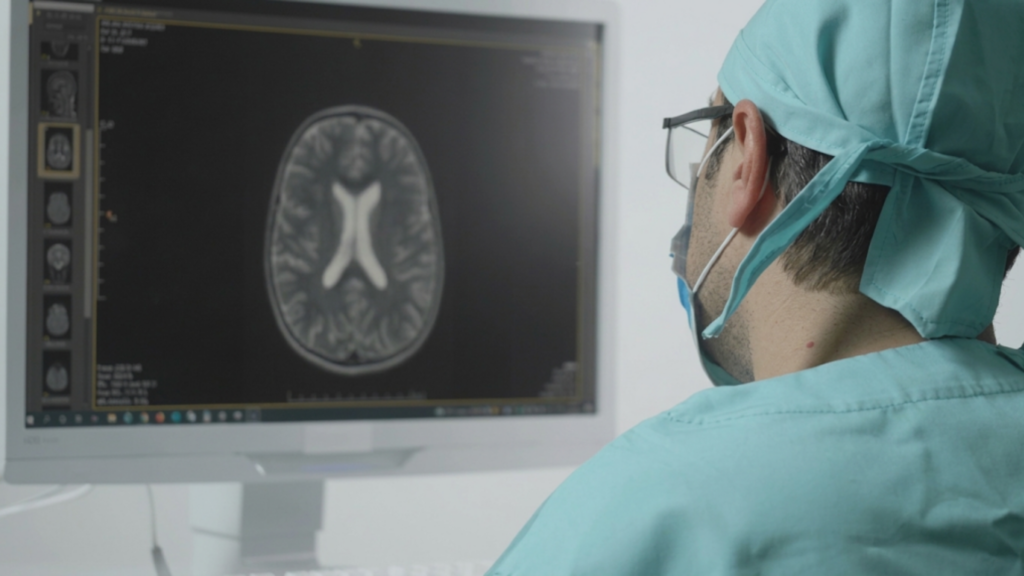
Of the 42 adults who completed the full study, only 14 actually underwent the resting-state fMRI brain scans that produced the connectivity findings getting most of the attention. That is a genuinely small subgroup. Researchers themselves acknowledged the imaging portion of the analysis was small and statistically underpowered, a direct admission worth taking seriously rather than skipping past on the way to a headline.
Two additional methodological details matter here too. The brain-scan analysis relied on a more lenient statistical threshold than the study’s own originally planned correction method, which makes it easier for a result to appear significant than a stricter standard would allow. The trial was also unblinded, meaning participants knew exactly which diet phase they were on at any given time, a detail that can subtly influence results in psychology and cognition research specifically.
None of these caveats mean the findings are meaningless, though. They mean the findings are preliminary, which is a very different thing entirely. Whether this specific result holds up depends partly on whether it actually lines up with what earlier, related research has already found about tomatoes and cognitive performance in adults over the years, not just in this one small sample.
A Similar Study in Older Adults Found the Same Kind of Boost
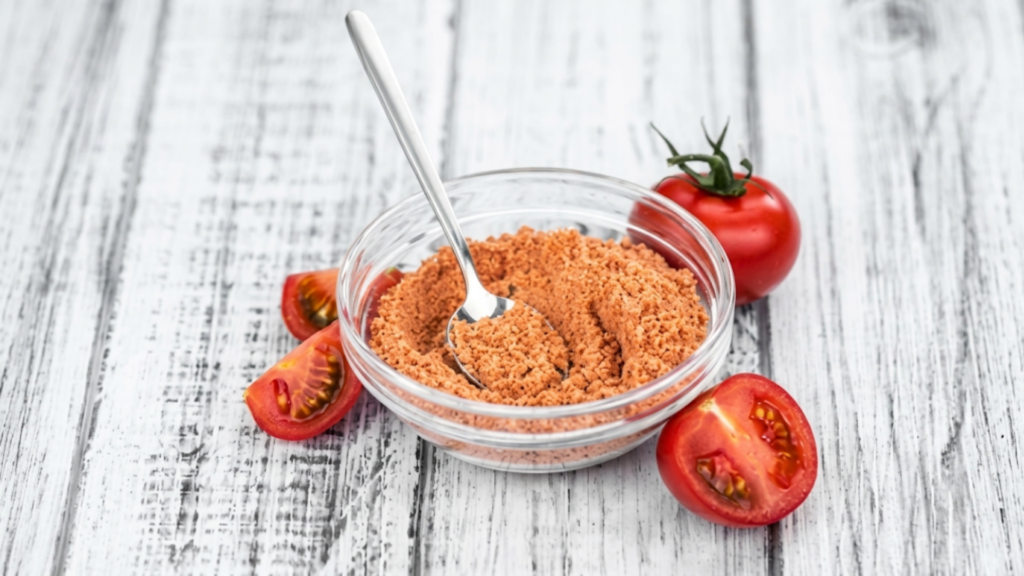
This is not the first time tomatoes have shown up in cognitive research. That gives the new findings some useful context. An earlier pilot study in older adults found that a carotenoid-rich tomato-powder food improved processing speed, attention, and working memory over eight weeks compared with a placebo. A separate five-week trial using a tomato-powder berry beverage improved working memory but not selective attention, a partial mismatch the researchers themselves flagged rather than glossed over.
The study’s own authors are careful not to overstate what they found. They describe the results as evidence that tomato consumption may support cognitive function and modulate brain connectivity in healthy middle-aged adults, language that leaves plenty of room for uncertainty rather than issuing a confident verdict. Larger, better-controlled trials, they say, are needed before anyone can treat this as settled science rather than an intriguing early signal.
None of this means tomatoes are a proven brain hack. Nobody involved in the research is claiming that they are. What it does mean is that a genuinely interesting thread has been pulled, one connecting a common pantry staple to something as complex as brain network activity, backed by real data even if that data is still thin. The honest response is curiosity, not a new grocery list rule.