

Products are selected by our editors, we may earn commission from links on this page.
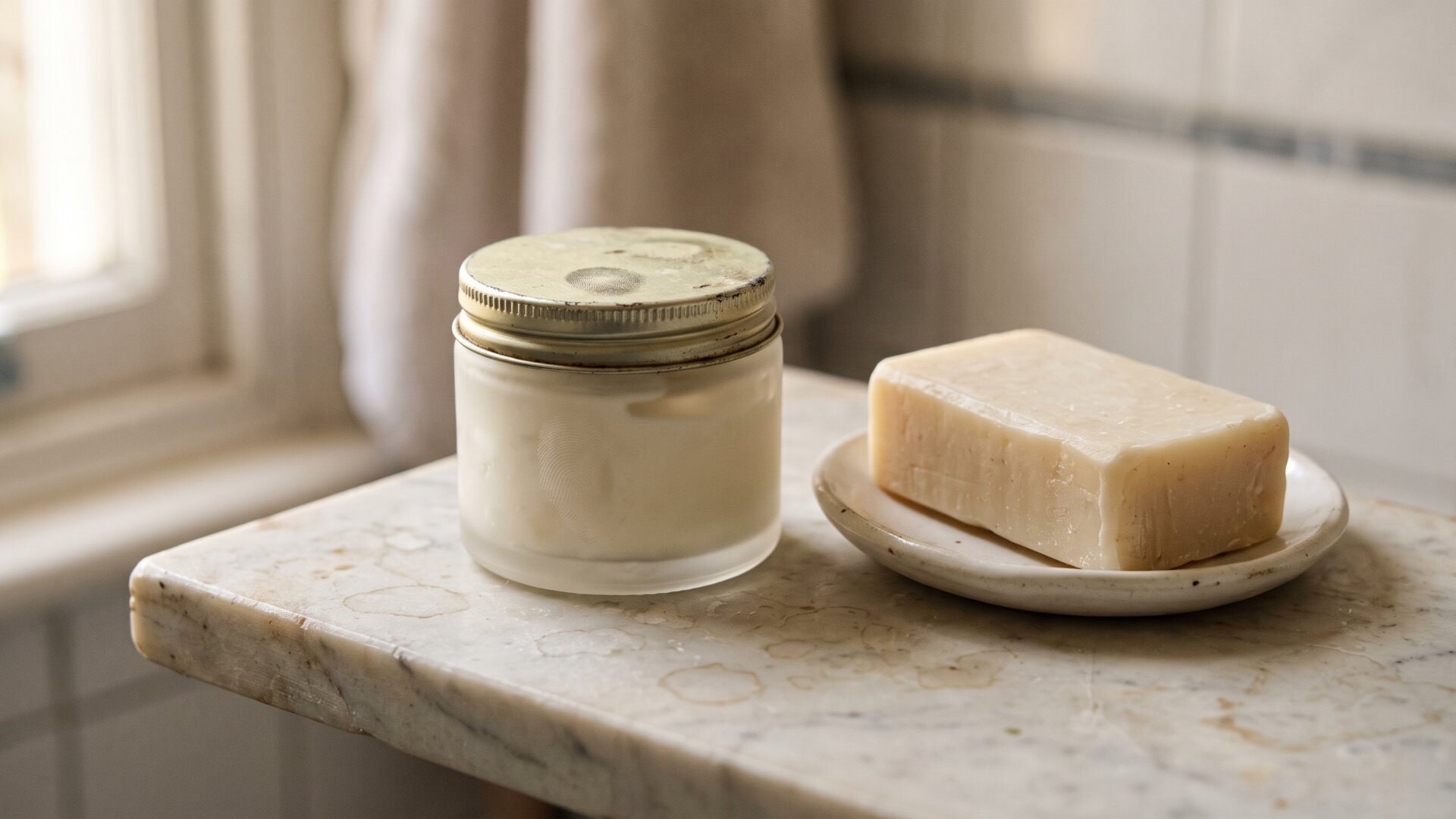
Vera Wang was asked about her skincare at the Fashion Group International Night of Stars gala in New York, and her answer to Page Six Style was short. She cleanses her face. She moisturizes. There is no third stage, no layering order, no overnight treatment she builds the evening around. The designer, who turned 77 in the summer of 2025, said plainly that she is not drawn to multi-step treatments and does not keep a large collection of products. The account was relayed to a wider audience by RBC-Ukraine. For a figure whose face has been the subject of online speculation for years, the answer was notably undramatic.
This article was created with the assistance of AI and reviewed by our editorial team for accuracy and clarity.
She does not say the routine is why
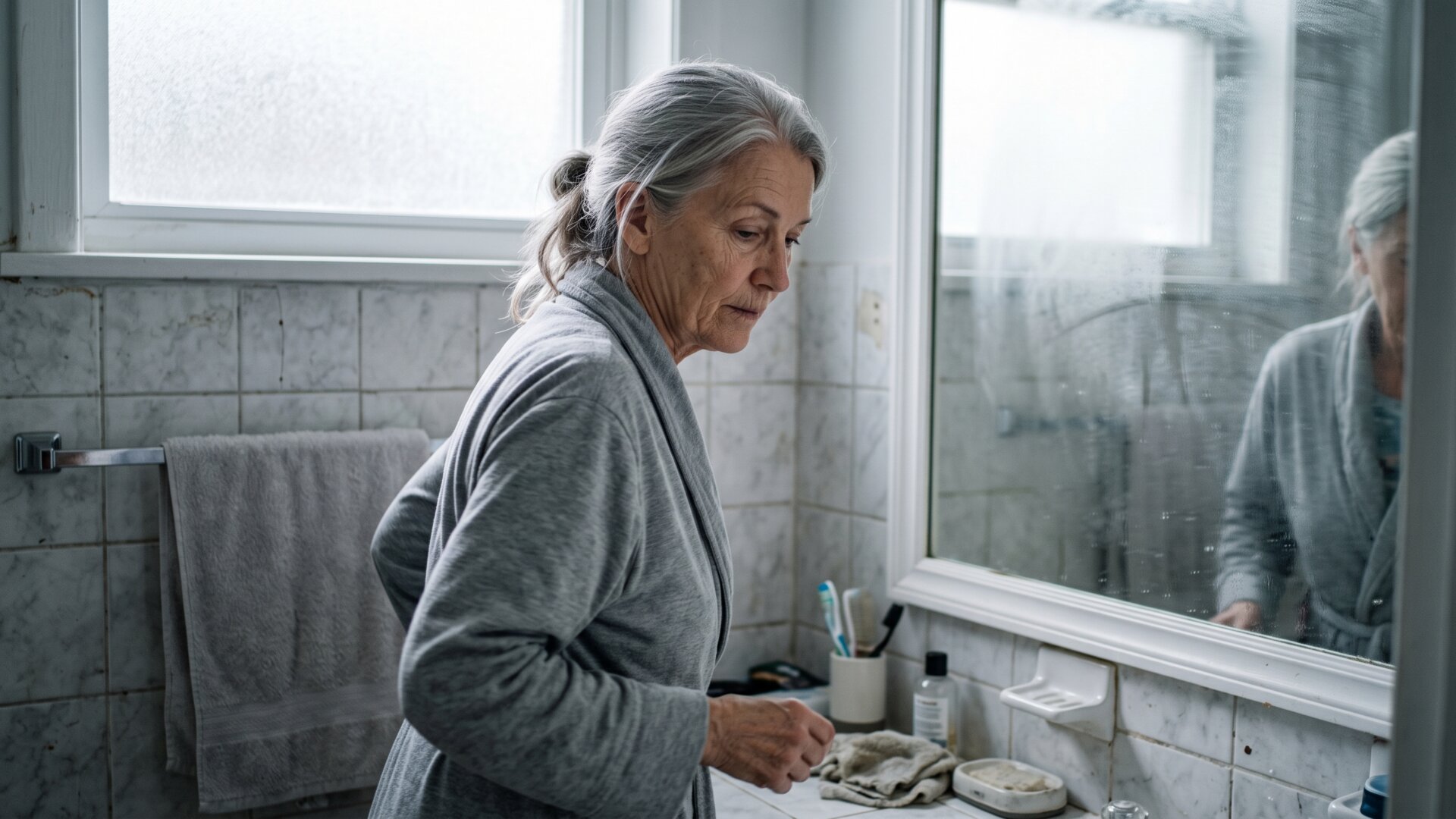
The obvious conclusion is the one Wang declined to draw. She has not claimed that a minimal routine explains how she looks, and nothing in the Page Six Style exchange frames two steps as a method anyone can copy for a particular result. That gap matters, because the claim people attach to her is not the claim she made. Skin condition is shaped by genetics, by sun exposure accumulated over decades, by sleep and general health, and by how a face is lit and photographed on a red carpet. A routine is one input among several, and Wang described hers without attaching a promise to it.
What cleansing and moisturizing actually do
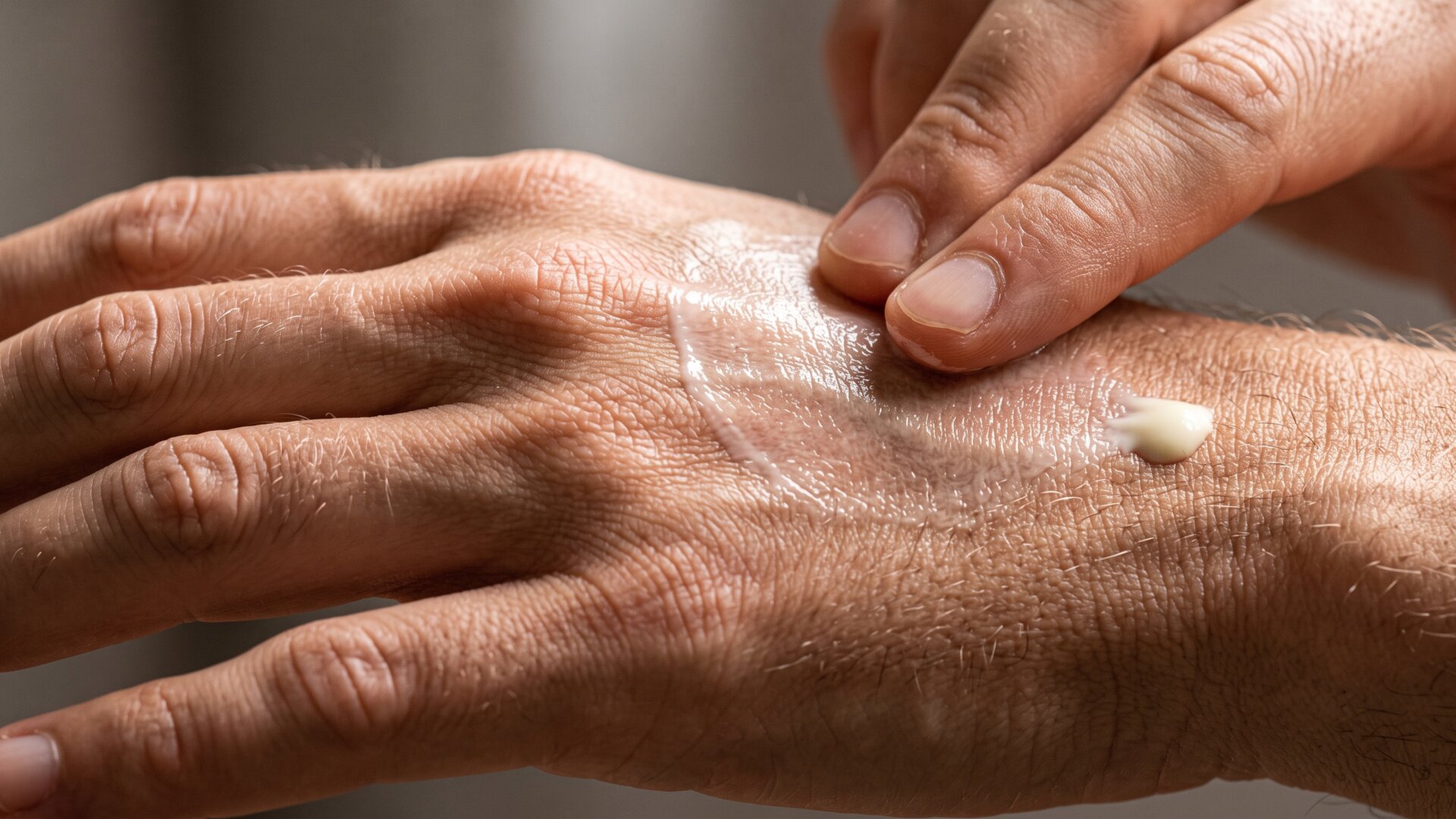
Cleansing removes oil, sweat, environmental particles, and any product sitting on the surface of the skin. Moisturizing adds water, oil, or both to the outermost layer, the stratum corneum, which is the thin barrier of dead cells and lipids that holds moisture in. When that barrier holds water well, skin looks smoother and reflects light more evenly. When it dries out, fine lines read more sharply. Neither step reaches living tissue or changes collagen. They maintain the surface. That is a real function, and it is also a limited one, which is part of why a two-step routine can be entirely reasonable without being a transformation.
The routine most people describe is longer
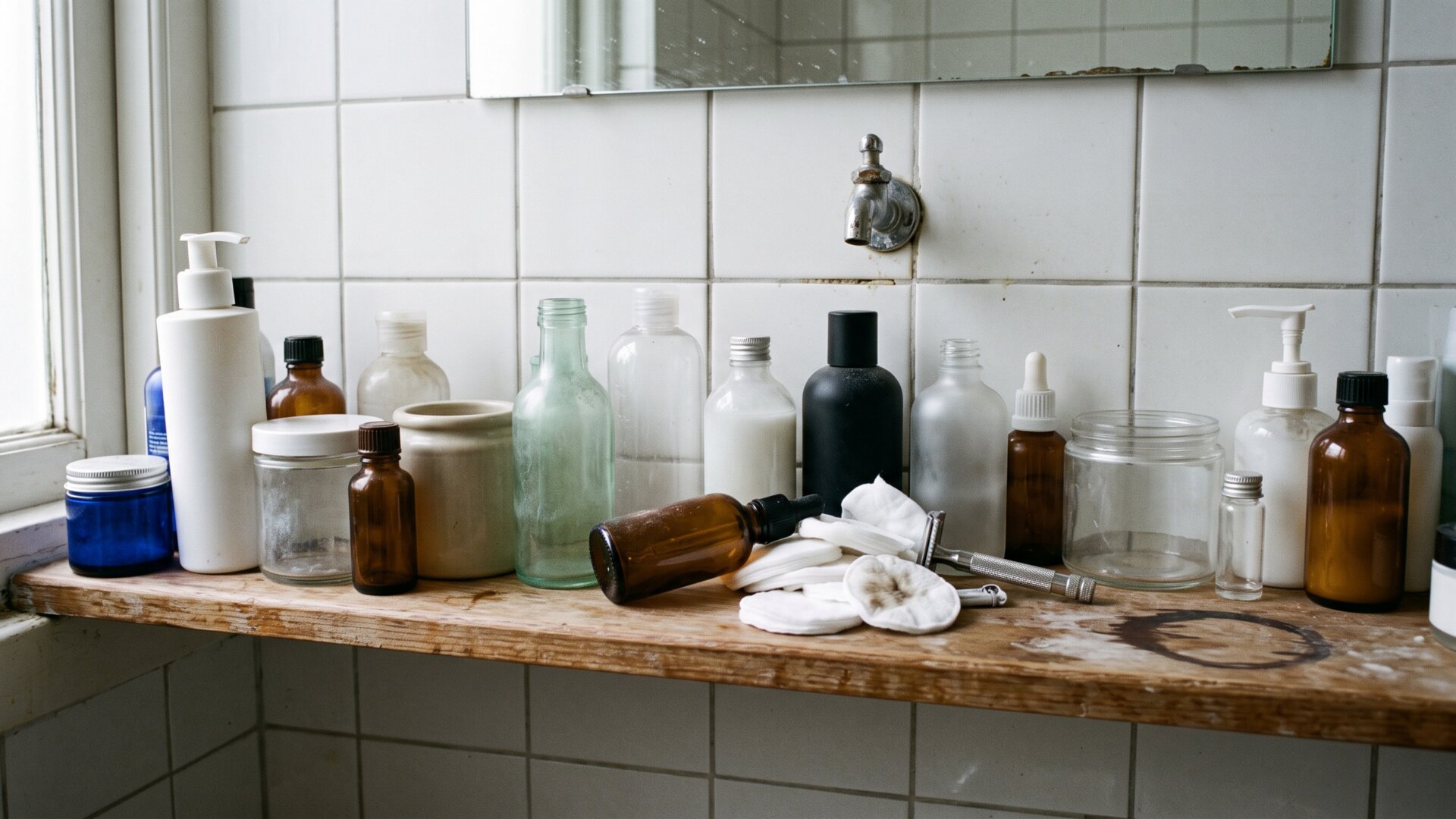
The ten-step framing that shaped the past decade of skincare marketing, popularized in Western markets from Korean beauty routines around 2014 and 2015, stacks cleansing oil, foaming cleanser, exfoliant, toner, essence, serum, sheet mask, eye cream, moisturizer, and sunscreen. Wang’s version is two of those ten. Even mainstream drugstore aisles now carry categories that did not exist as consumer products a generation ago, including essences and dedicated barrier creams. Against that backdrop, a designer in her late seventies naming cleanser and moisturizer is less a tip than a reminder that the long version is a commercial format, not a biological requirement.
The one product she named was eyeshadow
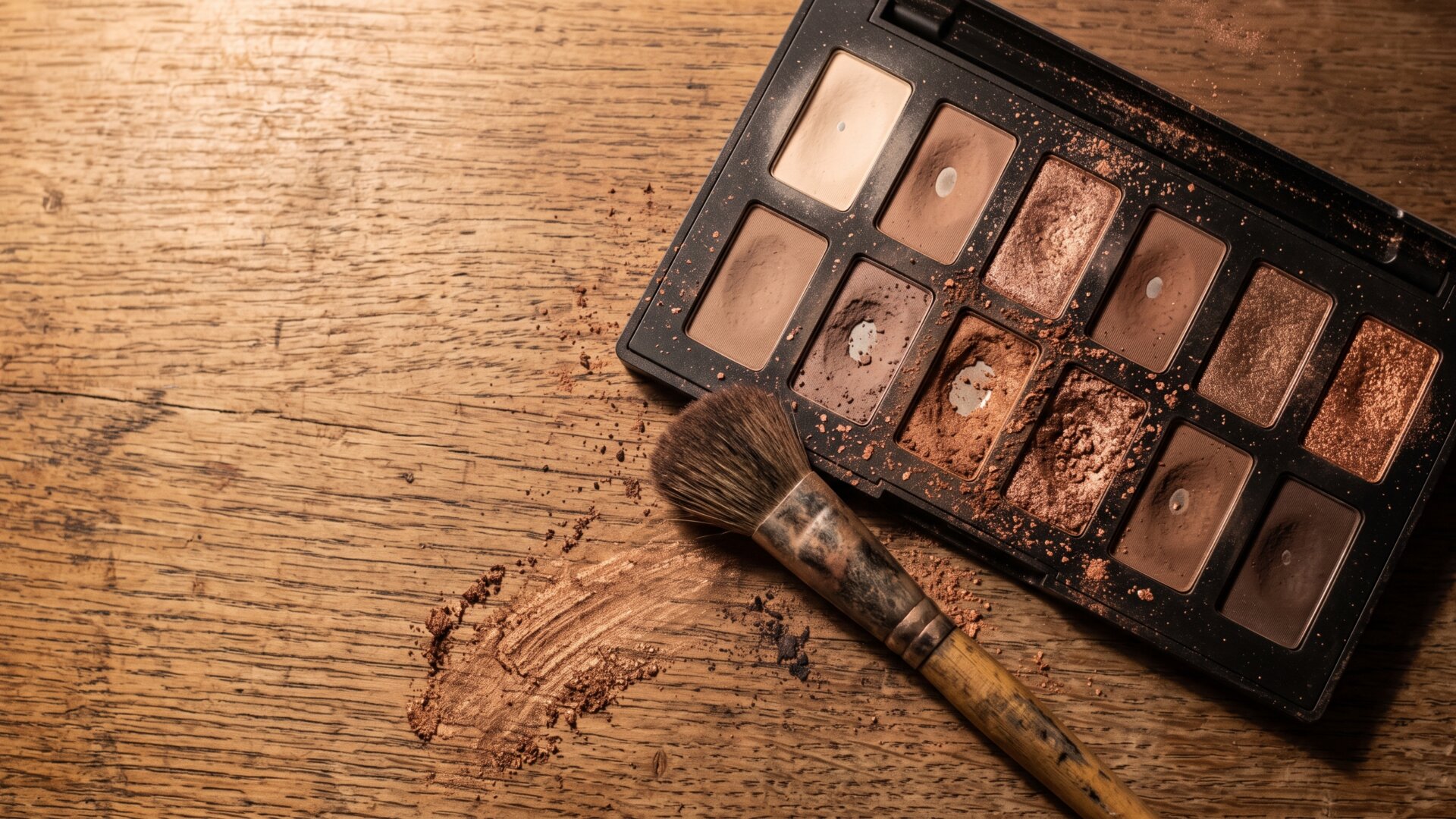
Asked about makeup, Wang said she does not consider herself especially skilled at applying it. The single brand she named was Urban Decay, specifically the Naked eyeshadow palettes, which are neutral-toned sets built around browns, taupes, and bronzes. It is a telling choice from someone who has spent a career on bridal and evening wear, where the clothing is the statement. The admission of not being good at makeup is also the least guarded thing in the interview. Designers at galas are usually asked to project total control over their own image, and Wang answered as if that were not the assignment.
Consistency is the part worth copying
If there is a transferable idea in Wang’s answer, it is not the specific steps but the fact that she does them. Dermatology consistently treats a short routine performed daily as more useful than a long one performed occasionally, because barrier function responds to regular maintenance rather than intensity. A cleanser suited to your skin type and a moisturizer you will actually reach for at night will do more than six products you abandon in three weeks. The practical version of this story is a smaller shelf, not a larger one, and a routine short enough to survive a bad week.
Treating a celebrity face as a product review

The common error here is reverse-engineering: seeing a face, finding a routine, and assuming the second caused the first. It fails for a basic reason. The comparison group is missing. Nobody can see how Wang would look on a ten-step routine, or on none, so the routine cannot be credited or ruled out. The same reasoning turns any habit a public figure mentions into a recommendation, which is how swimming, specific sleep schedules, and particular diets have all been assigned credit for the same face. The consequence is money spent on products chosen by association rather than by skin type.
Sunscreen is the step the routine leaves out
Two steps is defensible. Two steps without sun protection is the gap a dermatologist would flag first. Ultraviolet exposure is the largest controllable contributor to visible skin aging, driving the loss of elasticity and the uneven pigmentation that people describe as looking older. Wang did not mention sunscreen in the Page Six Style exchange, which does not mean she skips it, only that it was not part of the answer. For anyone reading her routine as a template, this is the point where a short list should become three items rather than two, and the third is the one with the strongest evidence behind it.
Why dermatologists keep recommending short lists
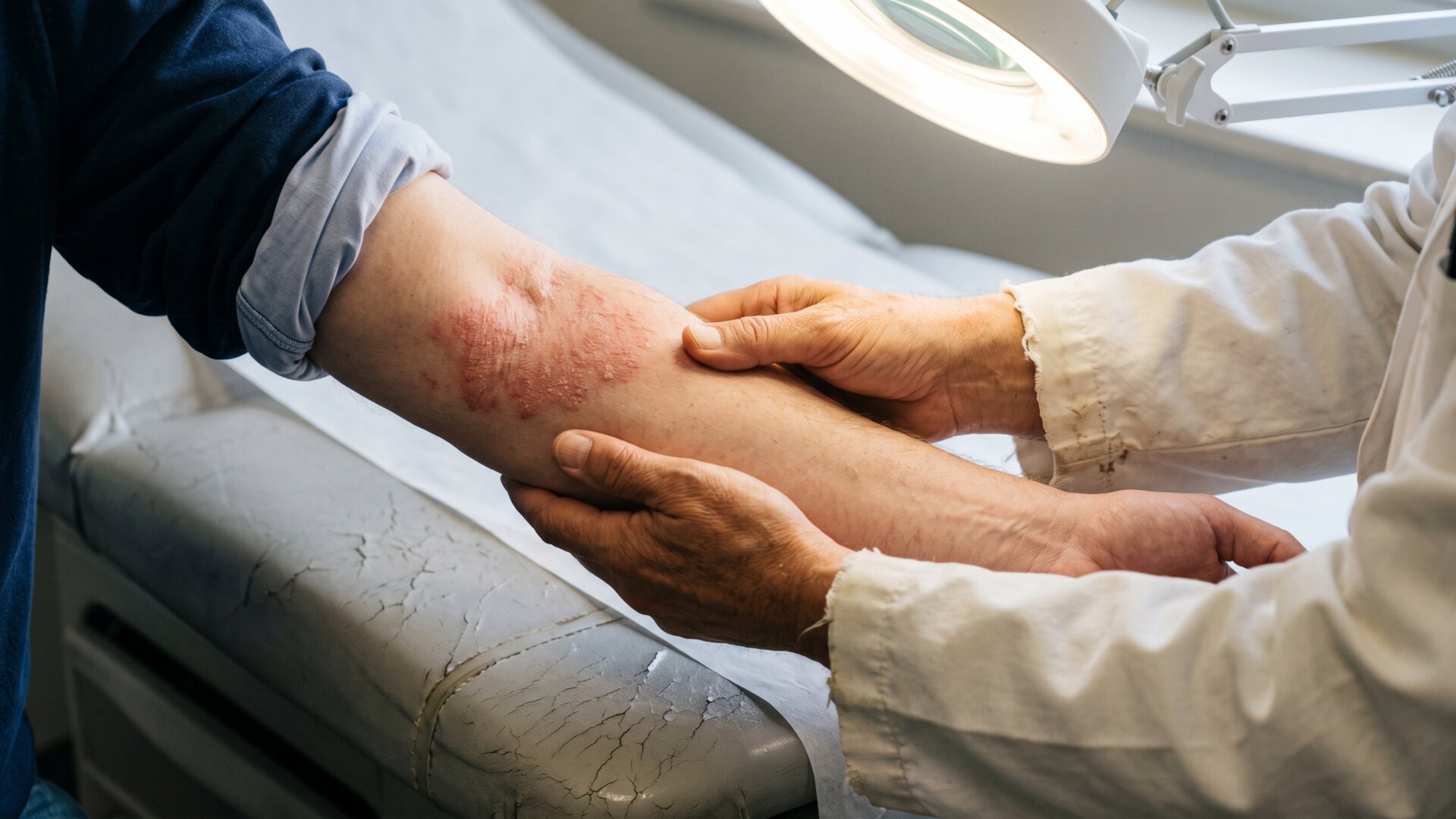
The professional case for fewer products is not minimalism as an aesthetic. It is that layering actives increases the chance of irritation, and that irritated skin looks worse rather than better. Retinoids, acid exfoliants, and vitamin C are each capable of causing stinging, flaking, or redness, and stacking them compounds the risk while making it impossible to identify which product caused the reaction. A pared-down routine is diagnostically cleaner. If something goes wrong, there are two suspects instead of nine. That is the logic that makes Wang’s answer unremarkable to a clinician and surprising to an internet comment section.
The answer she gave was about her, not you

The most useful part of the exchange is what Wang left alone. She did not sell a line, did not endorse a regimen, and did not present two steps as a system with a promised outcome. She answered a question about her own habits at a gala and moved on. Skincare coverage rarely leaves it there, which is how a routine becomes a secret and a secret becomes a purchase. Wang’s version contains no secret. It contains a cleanser, a moisturizer, and a person who has been doing both for a long time without expecting much drama from it.