

Products are selected by our editors, we may earn commission from links on this page.

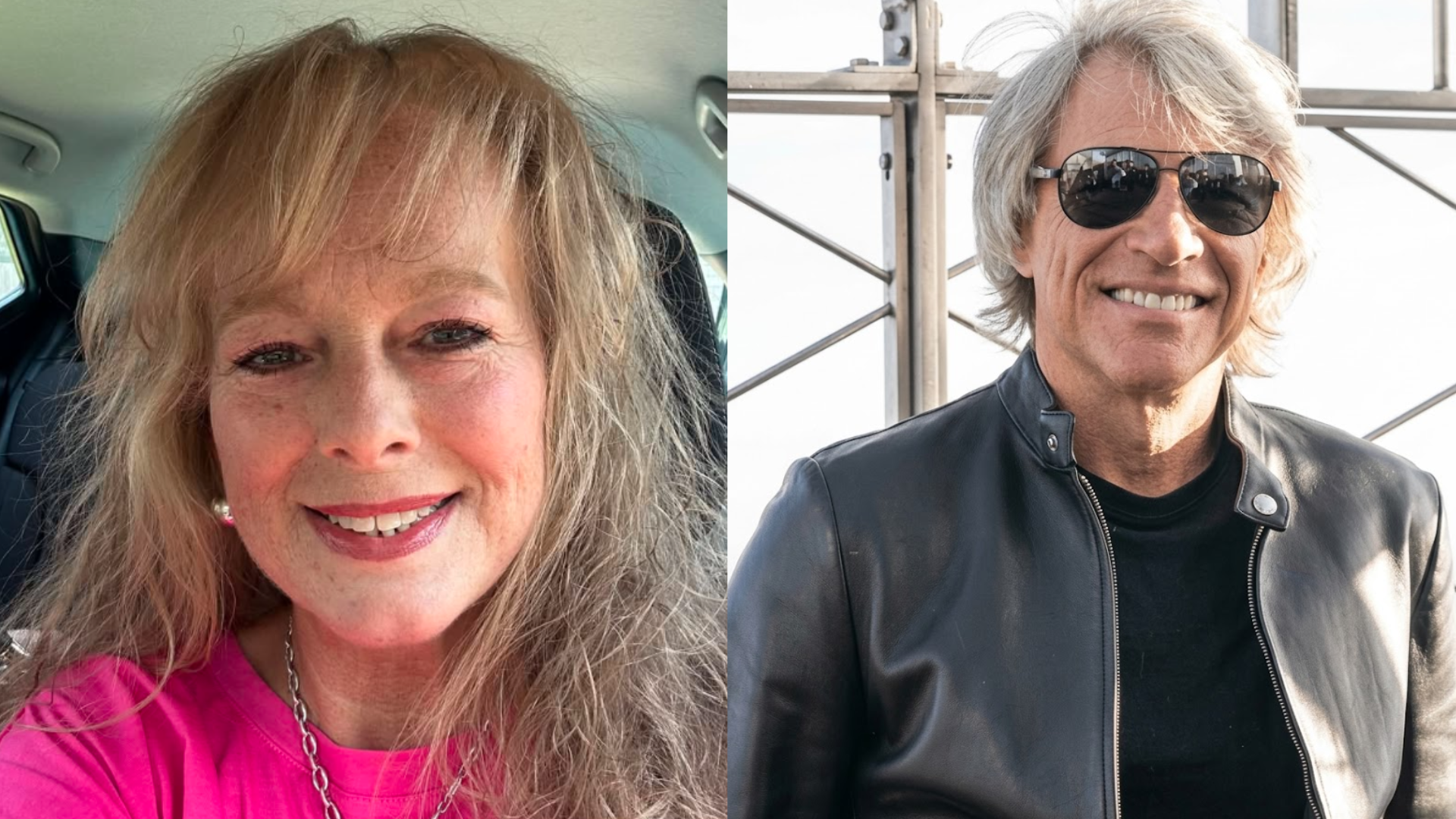
Leslie Pickett never thought she would fall for a scam. She says the message seemed to come from the rock star she had admired since age 14: Jon Bon Jovi. Pickett, 55, works as a mortgage lender in north Louisiana. She believed for about 10 months that they were in a relationship. It was fake. The man was an impostor, and she lost $10,000.
The scam began with a simple, friendly message. In late 2024, Pickett says she commented on a post from a verified account. A private message then came from a different account showing his face. He asked how long she had been a fan and her favorite song. Then he said his managers would shut down his page if they found out. He asked her to move to WhatsApp or Telegram, private chat apps.
Moving to private apps changed everything. Pickett had never used WhatsApp or Telegram, but she figured it out. Over the next couple of months, they traded a flood of texts, and she found herself falling for him. Now the chat was private. That can make it easier for a scam to grow in secret. So how did a stranger earn her trust so fast?
Love Bombing, Videos, and a Secret Divorce Story Made the Impostor Feel Real

The impostor used affection to win her trust. When Pickett asked why Bon Jovi would want to chat with her, he said he loved her. She told him to name five things he loved about her. He did, and some came from her first two months of messages. Pickett describes the whole thing as nonstop flattery. That is often called love bombing: showering someone with affection to win trust fast.
He also sent proof that seemed real. There were recorded videos and one live video chat. It was grainy, he sat far from the camera, and it cut out after five seconds. He later sent flowers to her home, which she threw away. He also claimed he and his wife had filed for divorce in secret. Her cousin Jerry warned her it was “a fantasy.” She says, “The mind plays tricks.”
Her path was a common one. The FTC, the federal agency that tracks fraud, says about 40% of 2022 romance scam loss reports with detailed notes mentioned WhatsApp, Google Chat, or Telegram. Those are the same apps Pickett was steered toward. Lonely people can follow a pattern without seeing it. Pickett herself says she was lonely. Soon the messages turned to money.
Small Payments, Bitcoin Lessons, and a Fake Hotel Photo: How $10,000 Slipped Away

The money left her account in small pieces. He asked Pickett to pay for a meet-and-greet, the kind big stars hold with fans. The price was about $3,000, and she paid it in parts. One payment was $1,000. The rest ranged from $150 to $500. He told her to use Cash App or PayPal, not Venmo, saying the fees were lower. He also showed her how to send bitcoin, a type of digital money, with screenshots.
The biggest push came in July 2025, when he said he had flown to Louisiana. He sent photos from a hotel she knew. Then he said they needed a “security clearance” call before they could meet. It ended when she tried to enlarge his picture. He then said his team feared she was recording the call to blackmail him. To meet, he said, she must pay more. She sent a much larger amount in bitcoin.
The doubts came all at once. Pickett thought about how powerful and clever AI has become, and she asked herself if it was a scam. The answer was yes. The FTC says people reported losing $1.16 billion to romance scams in the first nine months of 2025. The typical reported loss in the third quarter was $2,218. Pickett would later learn she had lost $10,000, more than four times that. She chose not to stay quiet.
She Tracked the Man Behind the Messages to a House in Lagos, and Then Had to Forgive Herself

Pickett decided to hunt for the scammer herself. A fan of the National Geographic series “Trafficked,” she contacted its host, journalist Mariana van Zeller, in July 2025. Van Zeller was filming a new documentary, “Super Scam Me.” That October, they teamed up with a reformed hacker. Their trap lured the scammer into claiming more bitcoin and gave them his IP address. That is a number that shows where a device is online. It pointed to Lagos, Nigeria.
The truth hurt in more than one way. Pickett says she cried when they found the exact house on Google Earth. Police later helped her add up the payments, and she learned she lost $10,000. “It still hurts,” she says. She now shares her story in “Super Scam Me,” which premiered Oct. 17 on National Geographic. Warning signs in her story: a move to private apps, money requests, bitcoin payments, and endless excuses not to meet.
The scammer never had to be Jon Bon Jovi. He only had to borrow what Pickett already trusted. She had admired the real singer since age 14, for his music and his charity work. A rep for Bon Jovi said they were unaware of her situation and that artists never ask for money on social media. The most real thing in this story was her loyalty. That is what the scammer used.
This article is general information, not legal or financial advice. If you have lost money to a scam, you can report it to the FTC at ReportFraud.ftc.gov.