

Products are selected by our editors, we may earn commission from links on this page.
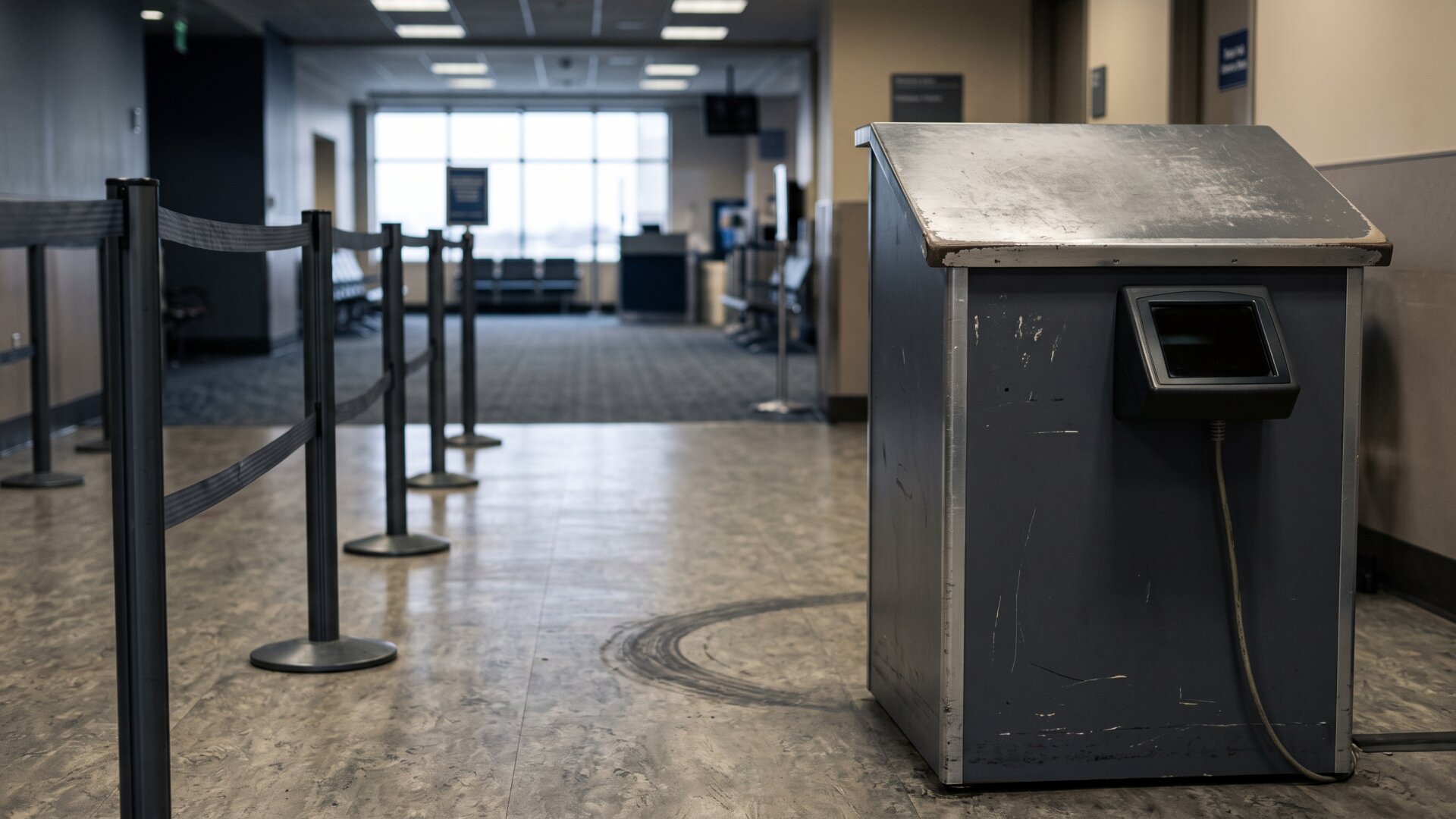
The Transportation Security Administration confirmed on a Tuesday that officers stationed at travel document checker podiums may no longer sit while working. Chairs are being pulled from those podiums at commercial airports across the country. The American Federation of Government Employees TSA Council 100, the union that represents screeners, said it learned about the change from its own members rather than from the agency, and that removal had already started at most commercial airports. TSA said the change supports its security posture and its hospitality goals, describing officers on their feet as more alert. The union called it a disregard for workers rights and safety.
This article was created with the assistance of AI and reviewed by our editorial team for accuracy and clarity.
The union says this is not a perk being withdrawn
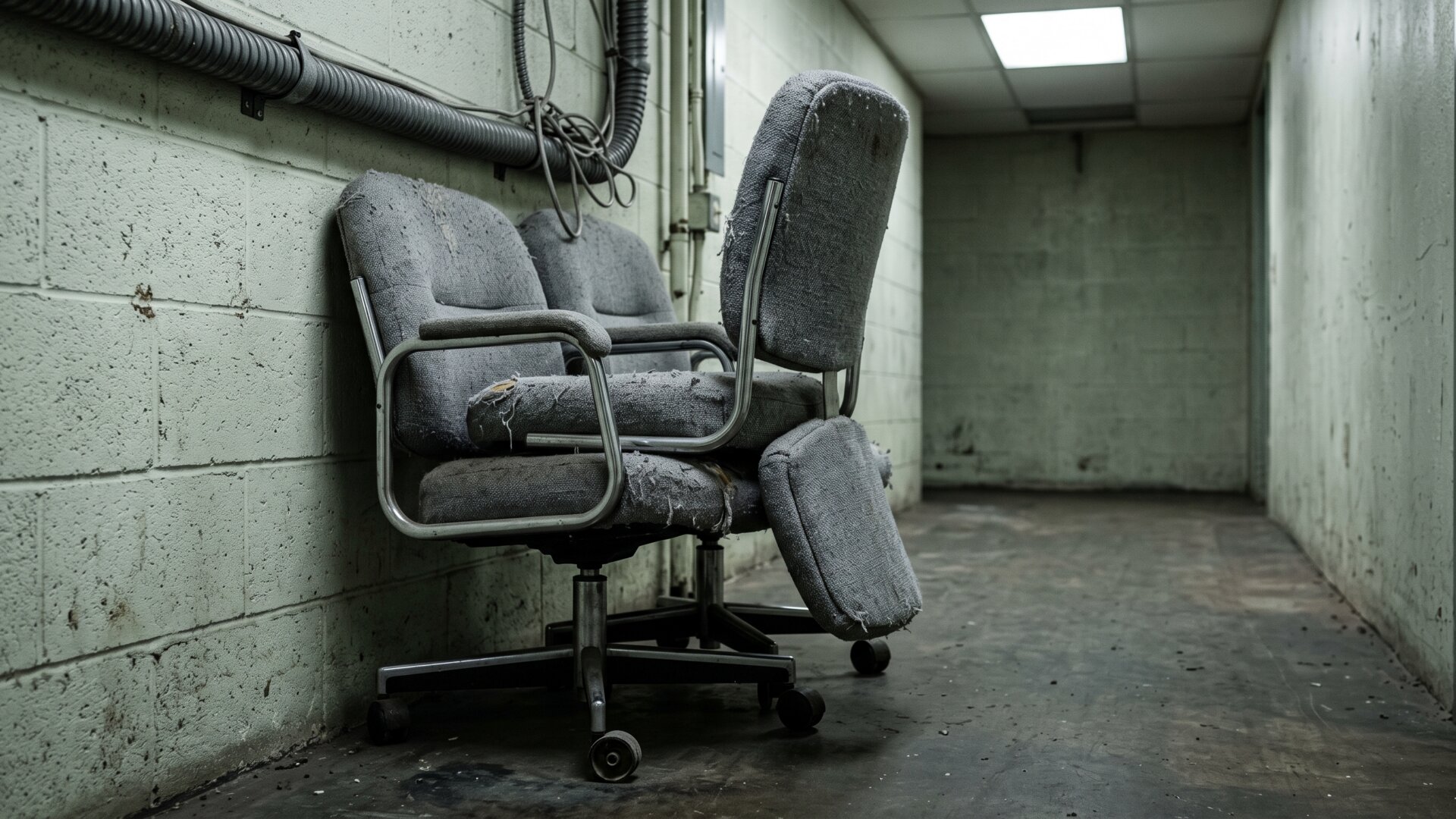
The framing dispute matters more than the furniture. TSA’s statement treats standing as an upgrade to the officer’s role. AFGE Council 100 rejected the premise directly, writing that TSA is treating the matter like it is a privilege, that it is not a privilege, and that it is basic safety and common decency for the workforce. The union described the chairs as ergonomic and safety support for officers who stand and walk on hard surfaces through a full shift. One union leader said there was no formal notification to AFGE or to any of its local chapters before the chairs started disappearing. That procedural complaint sits alongside the safety one.
What a travel document checker actually does
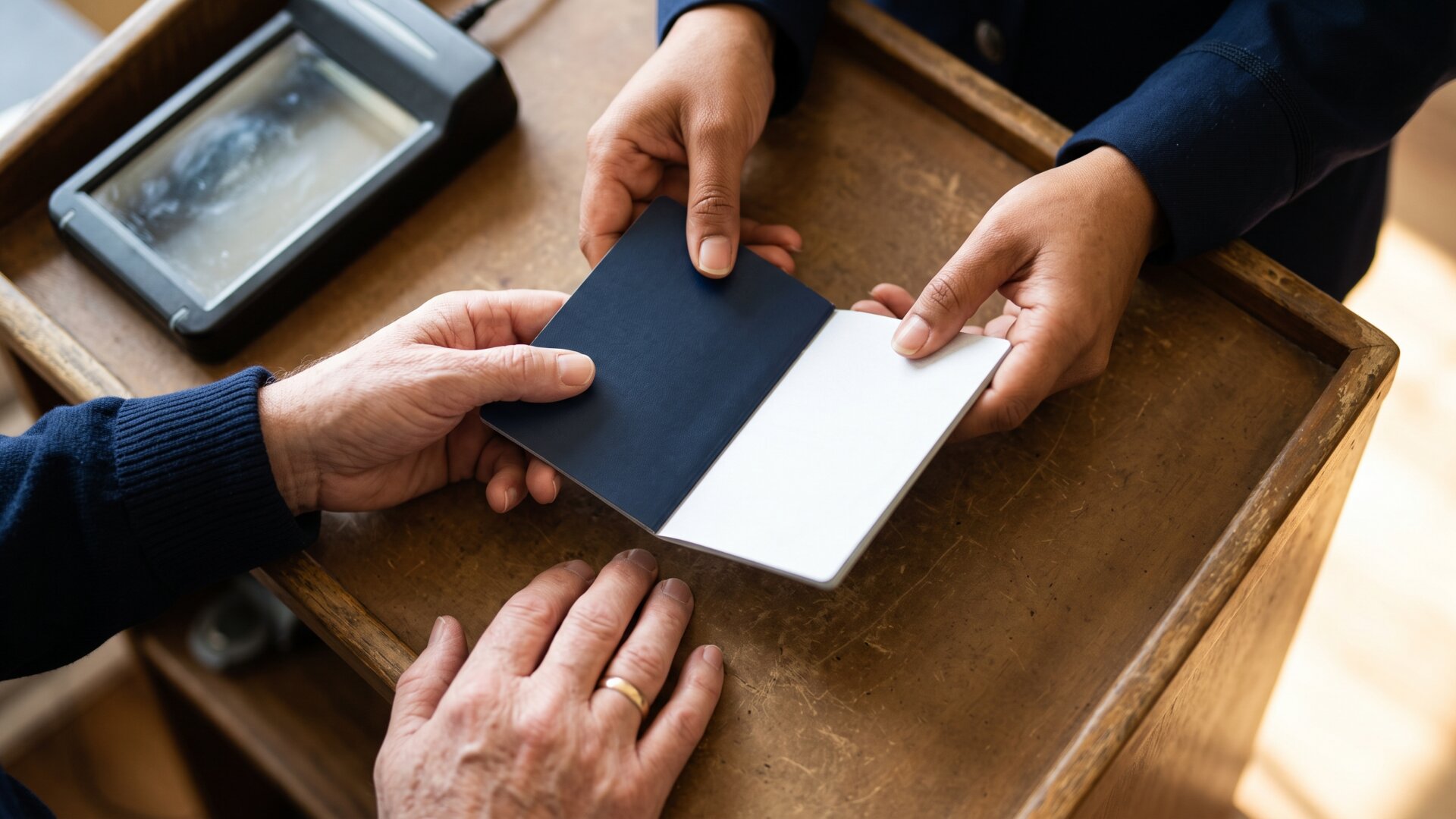
The officer at the podium is the first TSA employee a passenger meets. The job is identity and itinerary verification: match the name on a government-issued ID to the name on the boarding pass, confirm the document is valid and unaltered, and confirm the traveler is flying that day from that airport. Many podiums use a credential authentication device, a scanner that reads the ID and pulls the reservation without the passenger handing over a boarding pass at all. The officer still watches the person. Nothing in the task requires standing in a mechanical sense, which is why TSA argued the change on posture and alertness rather than on function.
Standing work has been studied for decades
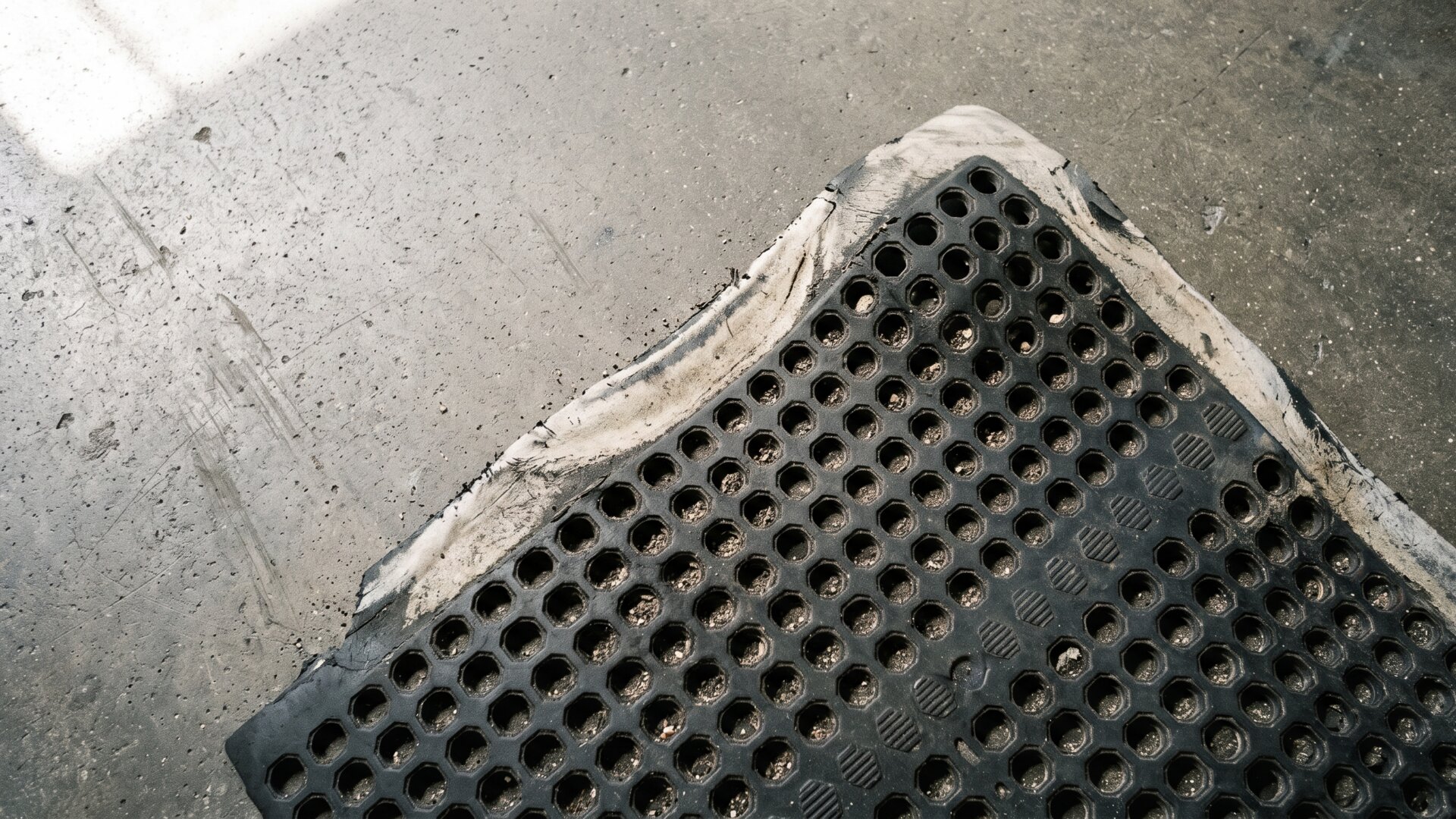
Prolonged standing on hard floors is one of the more heavily researched occupational exposures in industrial health. The National Institute for Occupational Safety and Health, the federal research agency for workplace hazards, has published guidance on standing work for years, and the standard recommendations are consistent: anti-fatigue matting, footrests, rotation between tasks, and seating available during lulls. Research in that field has linked long static standing to lower back discomfort and lower limb swelling. None of this says a document checker cannot do the job standing. It does explain why the chair’s removal registered with the union as a health question rather than a scheduling one.
David Cummins took over the agency weeks earlier
The chair removal came nearly two months after David Cummins was confirmed as TSA Administrator. Since taking the post, Cummins has convened meetings aimed at what the agency described as rapidly advancing key strategic initiatives. The program carrying that work is called Horizon 25, named against the agency’s 25th anniversary in November. In a statement announcing it, Cummins said TSA does not have to choose between a secure checkpoint, an efficient checkpoint, and an elevated passenger experience. The agency has not said whether the chair decision falls under Horizon 25. The timing connects the two, but TSA has not drawn that line itself.
Horizon 25 covers far more than furniture
The initiative bundles several changes to how checkpoints operate. TSA listed expanding PreCheck enrollment, deploying new screening technology, privatizing some checkpoints, and improving the passenger experience. The privatization piece runs through an existing mechanism: airports can apply to use contracted screeners who follow TSA procedures under agency oversight, an arrangement in place at a small number of airports for years. Expanding PreCheck shifts more travelers into a separate lane with lighter screening requirements. Each of those changes alters checkpoint staffing in some way. Whether the standing requirement belongs to this package or sits outside it remains unstated.
TSA argued the point on hospitality, not security rules
Read the agency’s statement closely and the security argument is secondary. TSA called the change a welcome change that reinforces both its security posture and its commitment to hospitality, with officers on their feet and alert. It then added that all officers must meet fitness for duty requirements to be capable of performing their vital national security function while simultaneously creating a welcoming and professional environment for travelers. That second sentence does real work. It frames the ability to stand through a shift as part of the existing job standard rather than as a new demand, which is precisely the framing the union contested.
The agency was built in a hurry in 2001

Congress created TSA through the Aviation and Transportation Security Act, signed in November 2001, which federalized airport screening that private contractors had previously handled under airline supervision. The agency stood up a workforce of tens of thousands of screeners within about a year, an unusually fast federal hiring effort. That origin shapes the current argument in two ways. The screener workforce has carried labor and turnover friction since the beginning, and the question of whether screening should be federal or contracted, now resurfacing in Horizon 25, is the same question the 2001 law answered one way.
Notification, not just seating, is part of the complaint
Federal workforce changes normally travel through defined channels, including notice to the union holding the bargaining relationship. AFGE Council 100 said it received no formal notification about the chairs, at the council level or at any local chapter, and found out because members reported the removals. Separately, the union said the removals had already begun in most commercial airports by the time it learned of them. A grievance over how a change was communicated proceeds differently than a grievance over the change itself. The union’s statement raises both, which gives it two distinct arguments rather than one.
Removal was already underway when the union found out
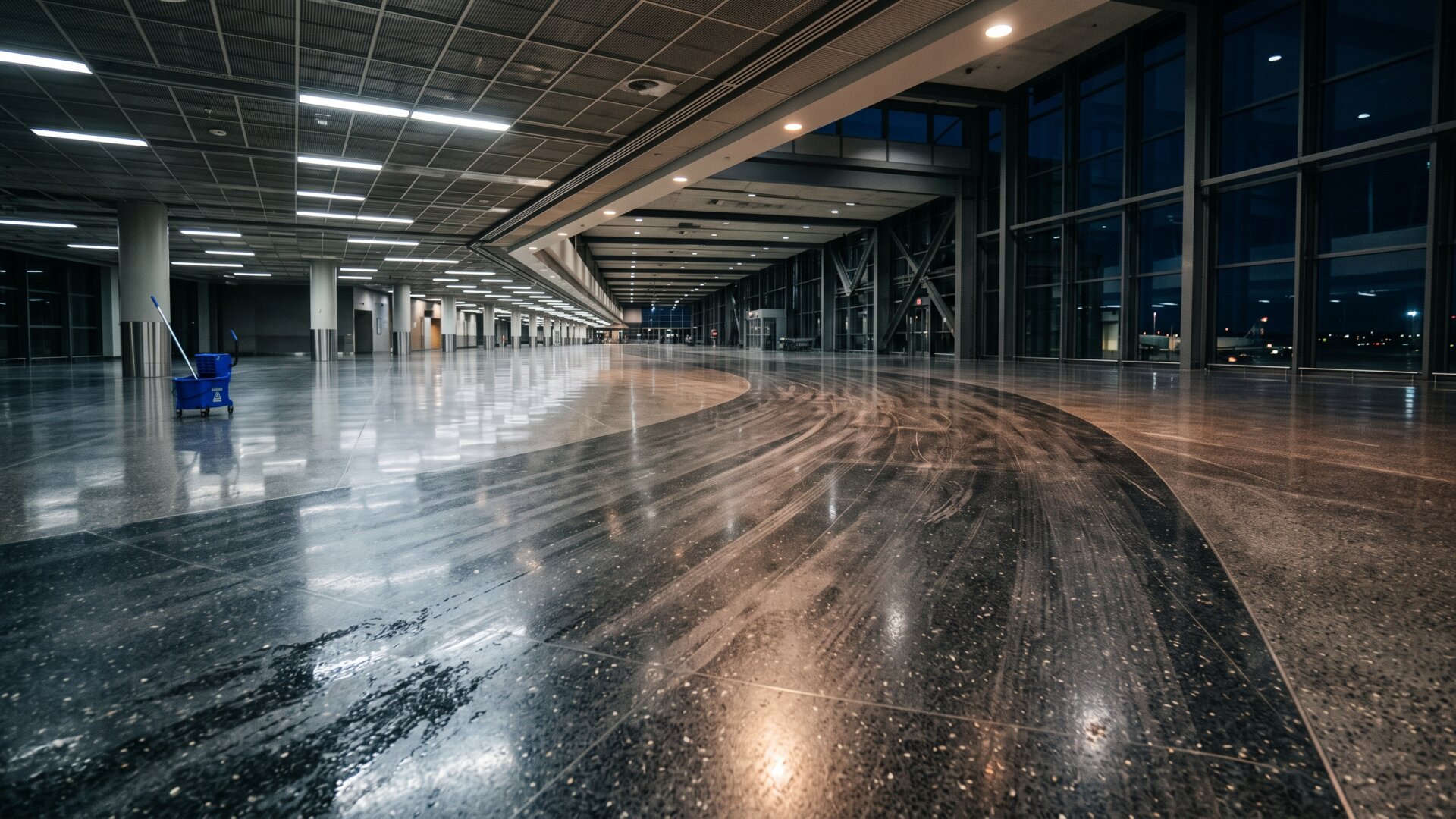
The sequencing is the most striking detail in the dispute. By the union’s account, chairs had already been pulled at most commercial airports before AFGE Council 100 knew a policy existed. A nationwide change to working conditions reached the floor faster than it reached the organization representing the people affected. Travelers will likely never notice the difference, since the officer’s task at the podium looks identical standing or sitting. For officers, the change is a full shift on a hard floor at the busiest position in the checkpoint. TSA has not said whether the chairs will return.