


Products are selected by our editors, we may earn commission from links on this page.

Elon Musk’s SpaceX is preparing to expand beyond satellite internet with plans for a mobile network that could compete directly with AT&T, Verizon and T-Mobile. The company aims to launch its Starlink Mobile service using satellites and potentially ground-based wireless equipment, with service on its own spectrum targeted for the first half of 2028. The plan has drawn attention from investors and telecommunications companies, particularly after reports that SpaceX is discussing access to at least 80,000 U.S. cell sites. The established carriers are now urging federal regulators to protect existing wireless networks as the Federal Communications Commission considers rules that could make it easier for satellite companies to provide service directly to ordinary smartphones.
SpaceX Could Become America’s Fourth Nationwide Wireless Carrier
The United States has not had four major nationwide wireless carriers since T-Mobile acquired Sprint in 2020. Regulators had expected Dish Network to fill that role, but its plans changed after its parent company, EchoStar, agreed to sell spectrum licenses to AT&T and SpaceX in 2025. SpaceX’s agreements with EchoStar, together with its additional spectrum acquisition plans, have strengthened its position in the wireless market. If the company builds a network capable of competing directly with established carriers, consumers could eventually have another nationwide provider to consider when choosing a phone plan.
SpaceX Is Seeking Access to Thousands of Cell Sites
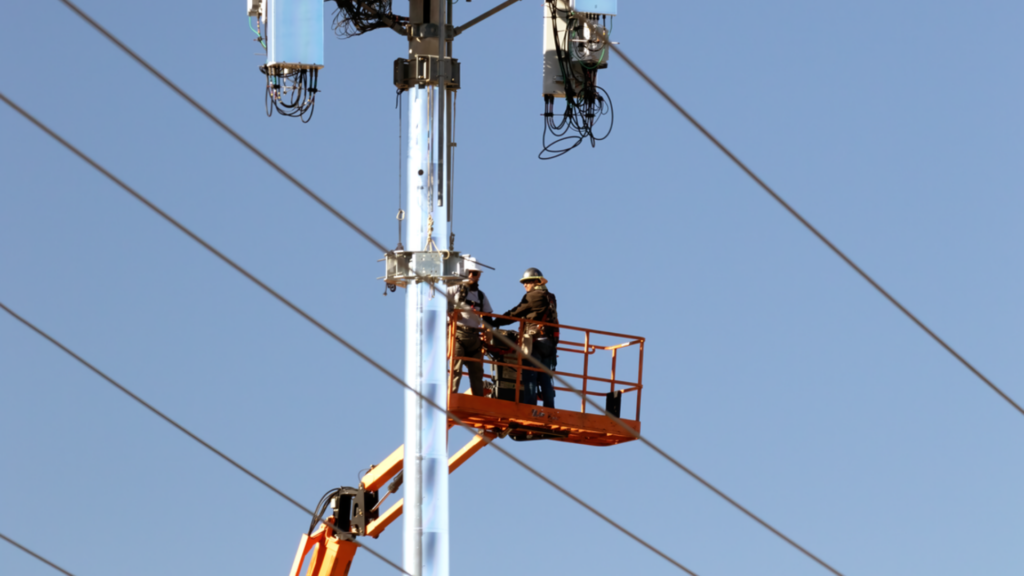
Satellite coverage alone may not be enough for SpaceX to compete effectively in cities and suburbs, where millions of people use wireless networks simultaneously. Bloomberg reported in October 2026 that SpaceX was in discussions to secure access to at least 80,000 U.S. cell sites, potentially giving it locations for equipment needed to strengthen a ground-based network. SpaceX President Gwynne Shotwell has said the company could use existing Starlink installation locations and other towers as part of its strategy. However, the reported discussions do not mean that agreements have been finalized, and the company would still need to deploy equipment, manage operating costs and demonstrate that its network can deliver reliable service.
A New Spectrum Purchase Could Help SpaceX Reach More Phones
SpaceX has also been building its collection of wireless spectrum, the radio frequencies used to carry communications between devices and networks. In October 2026, the company agreed to acquire a nationwide portfolio of 800 MHz spectrum from Grain Management in a transaction reported to be worth about $8 billion, although the deal remains subject to FCC approval. Lower-frequency airwaves can travel farther and penetrate buildings and tree cover more effectively than higher-frequency signals, potentially helping address some of the limitations of satellite-to-phone connections. Most existing mobile phones already support the 800 MHz band, which could reduce the need for consumers to purchase specialized satellite handsets if SpaceX uses the spectrum for compatible services.
The FCC Is Considering Rules That Could Expand Satellite Phone Service
The FCC is considering changes to its supplemental coverage from space framework, which allows satellites to connect directly to ordinary phones using spectrum licensed for wireless service. The agency’s proposal would make another 482 megahertz of airwaves available for potential satellite use, although a vote to advance the proposal would begin a public-comment process rather than immediately authorize every proposed service. FCC Chairman Brendan Carr has presented expanded satellite connectivity as a way to reduce cellphone dead zones and improve access in underserved areas. The rules could influence how quickly SpaceX and other satellite providers expand their services, as well as how much control traditional carriers retain over the airwaves they license.
AT&T, Verizon and T-Mobile Are Warning About Interference
The three major carriers have raised concerns through CTIA, the telecommunications industry trade association, which submitted a letter to the FCC after meetings with agency officials in October. CTIA urged regulators to keep satellite operators away from the 2.5 GHz and 3.45 GHz bands, arguing that satellite transmissions could interfere with frequencies that support important parts of existing 5G networks. The association also wants wireless carriers to retain authority over spectrum-sharing arrangements, including the ability to approve or terminate them. Its position is that satellite services should complement terrestrial networks without undermining the capacity and reliability millions of customers depend on for everyday communications.
The Carriers Say Building a Competitive Network Will Be Difficult
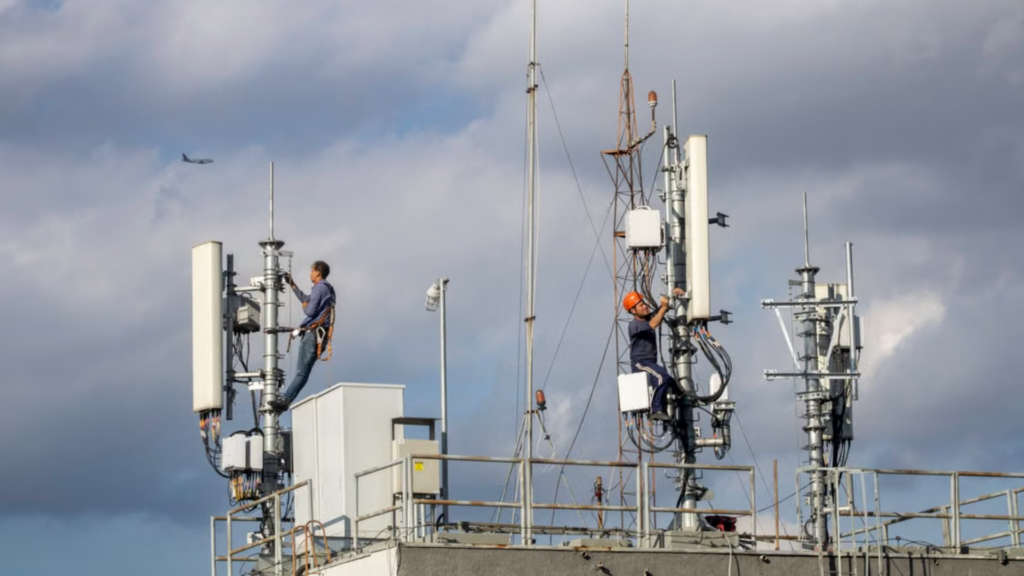
Executives at AT&T, T-Mobile and Verizon have questioned whether SpaceX can quickly deliver a service that matches the coverage and capacity of established wireless networks. Building a nationwide system requires substantial investment in spectrum, infrastructure, equipment, maintenance and customer support, while satellite connections face technical challenges in crowded areas and inside buildings. AT&T CEO John Stankey has argued that creating a competitive network takes years and significant investment, while Verizon has also questioned whether satellite service can become a direct competitor without extensive ground infrastructure. SpaceX, however, believes its combination of satellites and terrestrial equipment could offer a different kind of connectivity, potentially including improved access in places where conventional networks struggle.
SpaceX’s Existing T-Mobile Partnership Shows How Satellite Phone Service Works
SpaceX already has experience connecting smartphones through its Starlink satellite system, including through T-Mobile’s T-Satellite service. That service began in 2025 and is designed to extend connectivity beyond traditional cellular coverage, with texting among its key capabilities. The partnership illustrates how satellites can supplement existing mobile networks, especially in remote locations where building conventional towers may be difficult or expensive. SpaceX’s broader ambition is more significant: rather than relying only on partnerships with established carriers, it wants the option to operate a more independent mobile service using its own spectrum and potentially its own ground-based network.
The Competition Could Change Phone Plans, Coverage and Wireless Investments

If SpaceX succeeds in building a competitive mobile network, consumers could eventually gain another option for wireless service, potentially putting pressure on existing providers to improve pricing, coverage or features. The company has suggested that its satellite technology could offer broad connectivity, but it has not established a complete public picture of future U.S. pricing, coverage or plan details. The financial stakes are already apparent: reports of SpaceX’s plans and spectrum deals have affected investor sentiment toward major telecommunications companies. Even so, any consumer benefits will depend on whether SpaceX can deliver reliable service at scale, while the FCC must weigh the promise of expanded connectivity against the risk of interference with existing networks.
SpaceX’s 2028 Target Faces Regulatory and Technical Hurdles
SpaceX is targeting the first half of 2028 for its more advanced Starlink Mobile service, a timeline that is later than the company’s earlier end-of-2027 target. Reaching that goal will depend on satellite deployment, spectrum approvals, ground infrastructure and the company’s ability to manage the technical demands of mobile communications. The FCC’s upcoming decisions could also shape how SpaceX uses its airwaves and how satellite operators coexist with established wireless providers. For now, the company is moving toward a more direct challenge to America’s biggest carriers, while AT&T, Verizon and T-Mobile are pushing regulators to ensure that the expansion of satellite service does not compromise the networks millions of Americans already use.