

Products are selected by our editors, we may earn commission from links on this page.
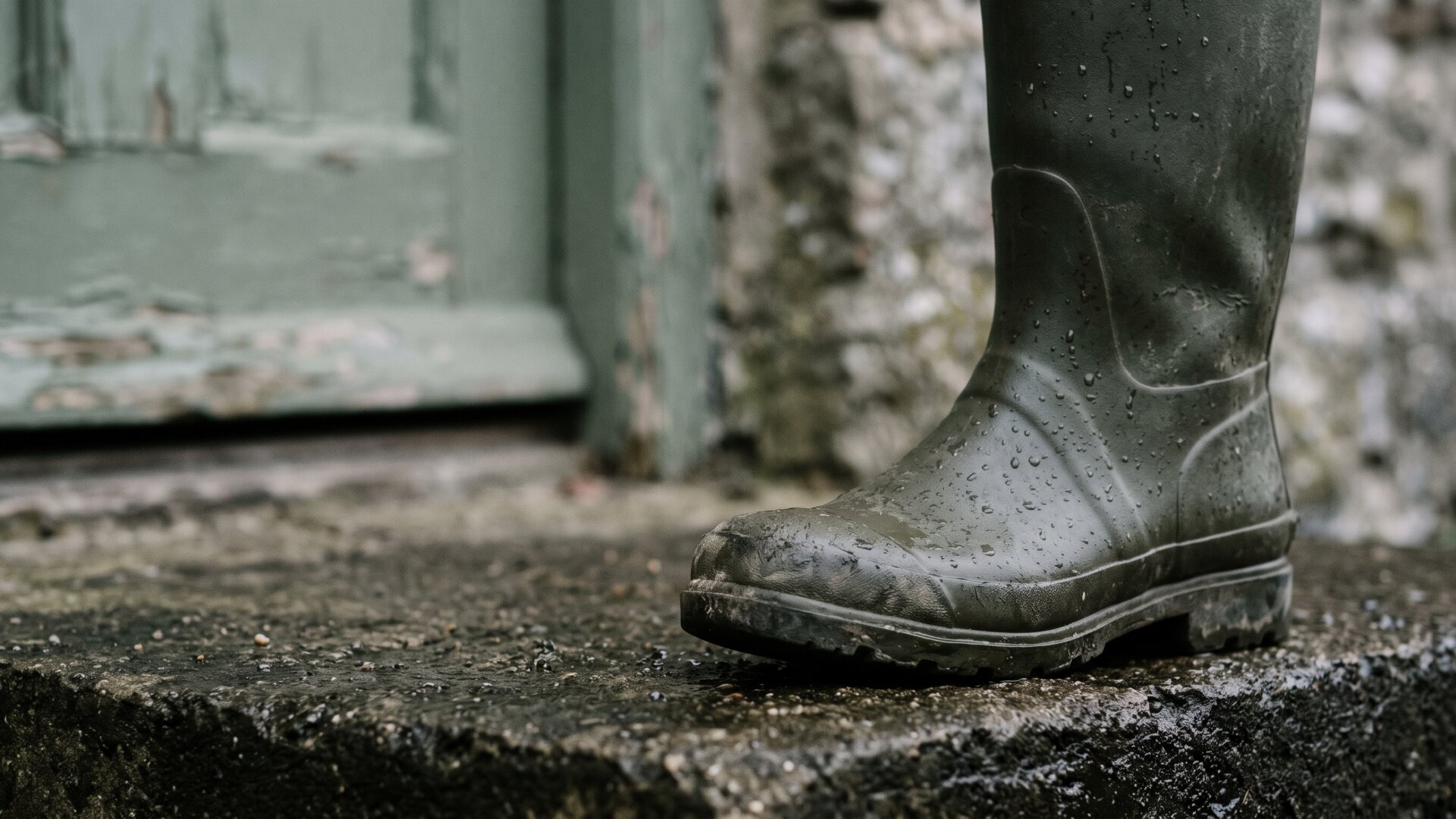
The image shows a Hunter rain boot with a small cylindrical holder built into the shaft, sized for a Rhode lip product. The styling is clean, the proportions look plausible, and the branding on both halves is instantly readable. It is also a fabrication. The design is attributed to OOTD Magazine on Instagram, though the original post and its publication date have not been independently confirmed. Neither Hunter nor Rhode, the cosmetics company Hailey Bieber founded, has announced the boot, verified it, or described any licensing arrangement between them. There is no evidence connecting either company to the concept at all.
This article was created with the assistance of AI and reviewed by our editorial team for accuracy and clarity.
Rhode already sells a lip case, which made the fake credible

Part of what let the image travel is that half of it describes something real. Rhode markets a Lip Case, a phone-adjacent carrier designed to hold its lip products. A customer who already owns one does not find the idea of a built-in Rhode lip holder strange, because the brand has established that carrying a gloss on your person is part of its product logic. The boot simply moved that holder to a new surface. The mental step from an existing accessory to an imagined one is short, and a convincing image is enough to close it.
What a real brand collaboration requires before anything ships

An authorized collaboration between two companies is a contract first and a product second. The agreement sets out which trademarks each side may use, on what goods, in which territories, for how long, and at what royalty rate. It specifies who manufactures, who controls quality, who owns resulting designs, and who approves the marketing images. Legal review on both sides typically runs for months. Hunter is a footwear manufacturer; Rhode is a cosmetics company. A product that fuses the two would require each to license its marks into a category it does not currently operate in. None of that paperwork exists here.
Generating the image took minutes, not months

The asymmetry is the whole problem. The approval chain behind a genuine licensed product involves two legal departments, two marketing teams, factory sampling, and sign-off at several levels. Producing an image that looks like the finished result of that chain now takes a text prompt and a short wait. One side of the equation still runs on quarters; the other runs on minutes. That gap did not exist when faking a product convincingly required a photographer, a prop builder, and retouching skill. The cost of manufacturing the appearance of a partnership has collapsed while the cost of actually forming one has not moved.
OOTD Magazine is credited, but the trail stops there

Reporting attributes the concept to OOTD Magazine on Instagram, a fashion account that posts styling and design content. That attribution is where the documentation ends. The original post has not been independently confirmed, and neither has the date it first appeared. This is typical of how such images move: by the time a concept has been screenshotted, reposted, and quoted, the first upload is often unrecoverable, and the context that may have framed it as speculative work is gone. What survives the journey is the picture itself, stripped of whoever made it and whatever they said about it.
Three checks that separate a launch from a mockup

A real product launch leaves a paper trail in predictable places. Check the brands’ own channels first: an authorized collaboration is announced by both parties, usually on the same day, because both are paying for it. Check for a retail listing with a price, a stock-keeping number, and a shipping date. Check for press materials, since licensed launches come with photography and a dated release. The Hunter and Rhode concept has none of these. A product image floating without a price, a date, a seller, or a statement from either company is an image, not a product.
Treating silence from a brand as quiet confirmation

The common error is reading the absence of a denial as a kind of yes. Companies rarely respond to every unofficial image involving their marks, because responding draws attention to it and because the volume is now too high to answer individually. Rhode has not verified the boot. Hunter has not verified the boot. That shared silence is the default state for an invented product, not a signal of a pending announcement. The reverse inference is the one that holds: a collaboration both companies had agreed to would be loudly claimed by both, because neither gets any value from an unclaimed launch.
The strongest fakes borrow a brand’s actual design language
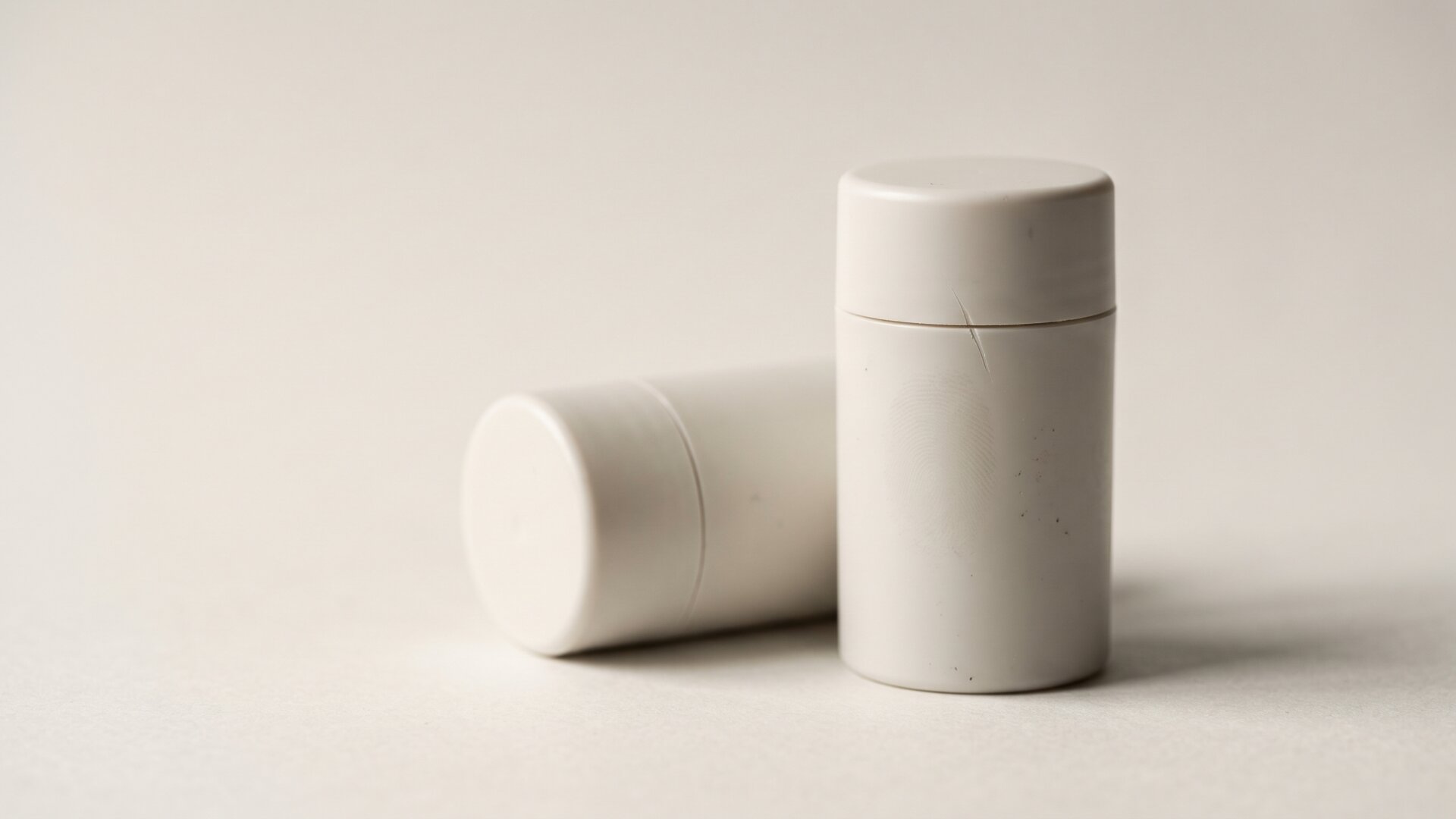
This concept works because it does not invent an aesthetic. Hunter’s boot shape is one of the most recognizable silhouettes in footwear, and Rhode’s packaging is built on flat, minimal, low-contrast branding. Both are simple enough to reproduce convincingly, and the minimalism does more work than it appears to: there are few fine details to render incorrectly and no complex typography to garble. An image borrowing from brands with busier packaging, ornate logos, or heavy text would break down under scrutiny far faster. Visual restraint, a deliberate choice by both companies, turned out to lower the barrier to imitation.
Trademark law protects against confusion, not against images

Trademark rights in most markets turn on consumer confusion: whether a use suggests an endorsement or affiliation that does not exist. An image implying that Hunter and Rhode launched a joint product is exactly the kind of implied affiliation the doctrine addresses. Enforcement is the harder half. The account that posts first may be anonymous, located anywhere, and reachable only through a platform’s reporting form. By the time a takedown succeeds, the image has typically been copied onto other accounts. The legal theory is clear; the practical remedy arrives slowly and only addresses one copy at a time.
The confusion itself is now the commercially relevant part
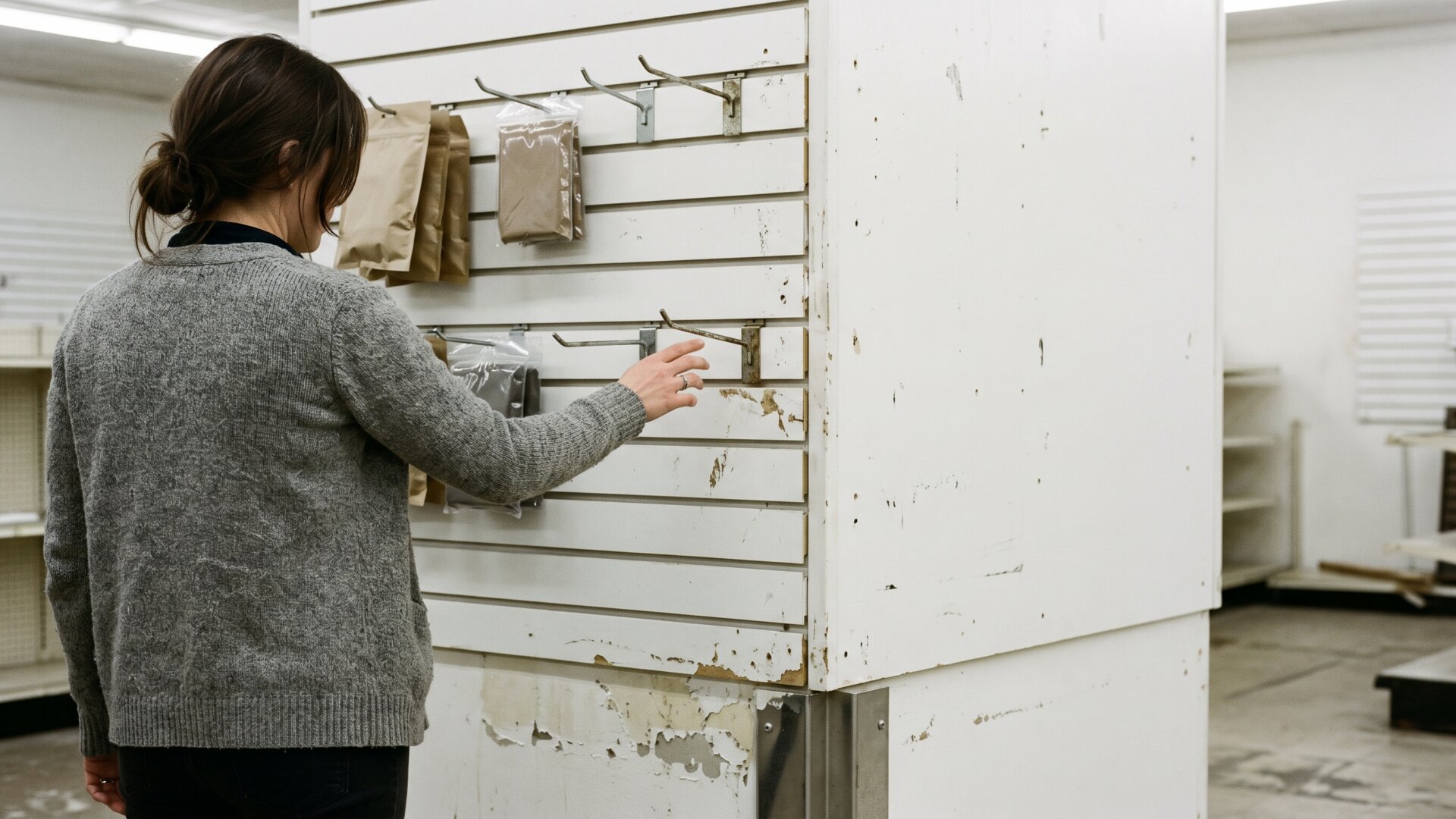
The specific boot matters less than what it demonstrates about cosmetics brand management. Realistic generated imagery can now create uncertainty around product launches, licensing agreements, and commercial partnerships before any company has said a word. A brand’s marketing team may find itself fielding questions about a product it never designed, and a customer may form an expectation that no retailer can fill. Rhode sells a Lip Case. Hunter sells rain boots. The item combining them was never approved, sampled, priced, or sold. If you see a collaboration you want, look for the price before you look at anything else.