


Products are selected by our editors, we may earn commission from links on this page.
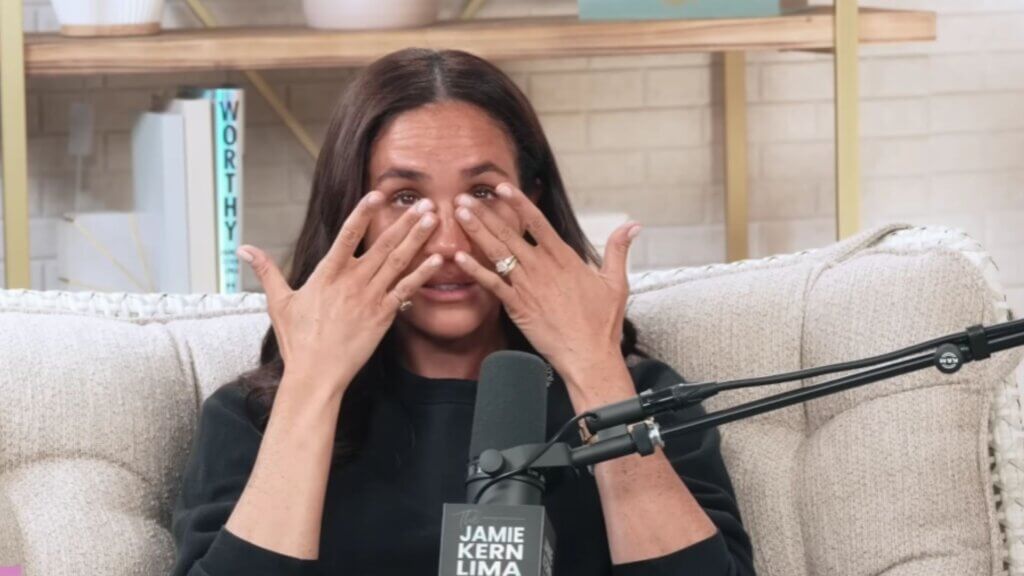
Once hailed as a modernizing force for the monarchy, Meghan Markle’s royal journey swiftly transformed from a fairytale into a relentless public spectacle. Her story is a complex tapestry of personal drama, clashing cultures, and relentless media scrutiny. This gallery traces the key moments that turned initial public adoration into widespread criticism, exploring how the promise of a fresh start devolved into a narrative that made her a global punching bag.
Her American Roots Sparked Early Doubts

Born in 1981 and raised in Los Angeles, Meghan Markle’s background contrasted sharply with the British royal mold. Her mother, Doria Ragland, worked as a social worker and yoga instructor; her father, Thomas Markle, was a Hollywood lighting director. Early coverage framed her as “too American”—an outsider whose accent, upbringing, and divorced parents clashed with royal tradition. For some commentators, those roots alone raised questions about whether she truly belonged inside Buckingham Palace.
Hollywood Fame Versus Royal Duty

Before meeting Harry, Meghan built a profile as an actress, best known for her role on Suits, and cultivated connections in Hollywood and humanitarian circles. Supporters saw a self-made professional; critics saw a media-savvy celebrity with a pre-existing brand. Her carefully managed public persona, red-carpet visibility, and lifestyle blogging did not fit comfortably with expectations of low-key royal duty. From the outset, some observers suspected she was bringing her own agenda into the institution.
A Divorcée in a Post-Diana Monarchy

Meghan’s marriage to producer Trevor Engelson from 2011 to 2013 became a central talking point when her relationship with Harry went public. While divorce is common, it still carries symbolic weight in royal narratives shaped by the Charles–Diana–Camilla saga. Tabloids highlighted her status as an American, an actress, and a divorcée—three factors combined into one convenient red-flag storyline. Those early frames helped entrench a skeptical lens long before she walked down the aisle at Windsor Castle.
A Wedding Meant to Signal Change

The May 2018 wedding was billed as a modern fairytale. Meghan’s mixed-race heritage, career background, and independent public voice seemed to signal a monarchy willing to evolve. Yet the event quickly became a flashpoint. Beyond the global spectacle, attention focused on family rifts, alleged protocol breaches, and the £32 million price tag, largely funded by taxpayers. For some, the ceremony symbolized progress; for others, it marked the moment the Sussex experiment began to sour.
The Kate Tears Story and Narrative Lock-In

In the run-up to the wedding, reports claimed Meghan made Kate Middleton cry during a bridesmaid dress fitting for Princess Charlotte. The story dominated British tabloids, casting Meghan as demanding and Kate as dignified. In her 2021 interview with Oprah Winfrey, Meghan said the reverse happened—that Kate made her cry and later apologized. By then, the original narrative had hardened. The episode illustrates how a single uncorrected framing can define public perception for years.
Family Fallout in Full View
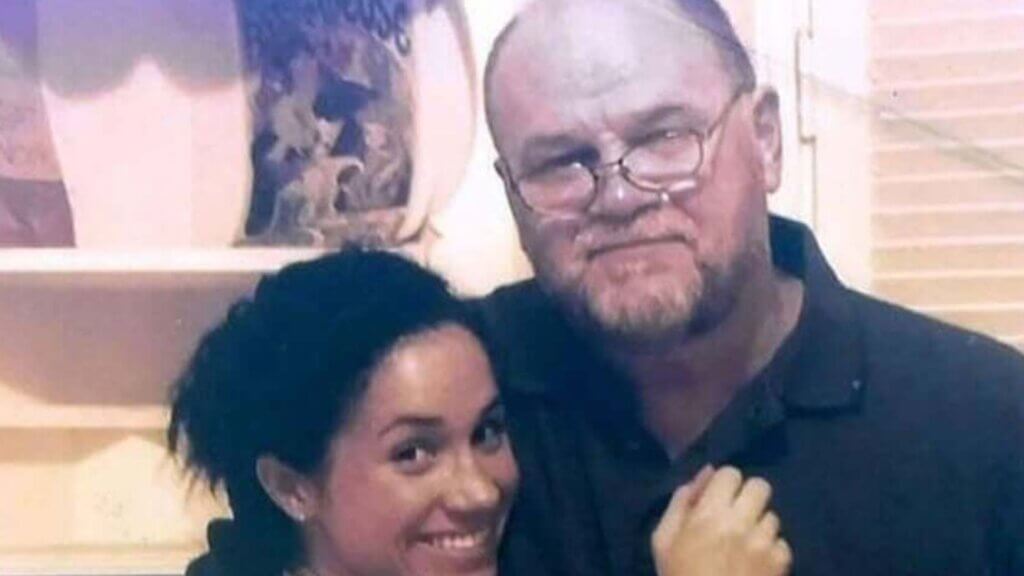
Thomas Markle’s no-show at the wedding became one of its most controversial elements. After staging paparazzi photos and giving inconsistent interviews, he withdrew, citing health issues and embarrassment. Meghan confirmed he would not attend, prompting criticism that she had frozen him out. Her half-siblings, Samantha and Thomas Jr., publicly accused her of abandoning her family for status. Almost overnight, Markle family disputes moved from private dysfunction to global spectacle, giving tabloids a long-running, highly marketable subplot.
A Private Letter, a Public Court Battle

In 2018, Meghan sent her father a handwritten letter asking him to stop cooperating with the press and to respect her privacy. Thomas later shared parts of the letter with The Mail on Sunday, triggering a high-profile lawsuit. Coverage split: some saw a daughter trying to protect herself, others saw a calculated document anticipating litigation. The case intensified debate over privacy, control, and media rights, and reinforced the perception that Meghan’s family relationships were managed at arm’s length.
Celebrity Guest List and Royal Optics

The wedding guest list drew scrutiny for its mix of Hollywood and royal names. Oprah Winfrey, Serena Williams, and George and Amal Clooney were given prominent seats, while some royals, including Sarah Ferguson, were absent. Reports suggested several celebrity guests barely knew the couple. Combined with rumors that the Queen questioned how “white” Meghan’s gown was for a divorcée, and controversy over Bishop Michael Curry’s passionate sermon, the event deepened questions about whether Meghan prioritized global celebrity over royal convention.
Staff Complaints and the Bullying Narrative

During Meghan’s brief tenure as a working royal, several staff members reportedly accused her of being difficult to work with, with some alleging bullying behaviour. Buckingham Palace ordered an internal HR review, but the findings were never released. The secrecy allowed speculation to thrive. When contrasted with her high-profile, celebrity-hosted baby shower in a $75,000-per-night New York penthouse, critics argued she appeared out of step with expectations of restraint and institutional hierarchy inside “The Firm.”
Rewriting the Script on a Royal Birth
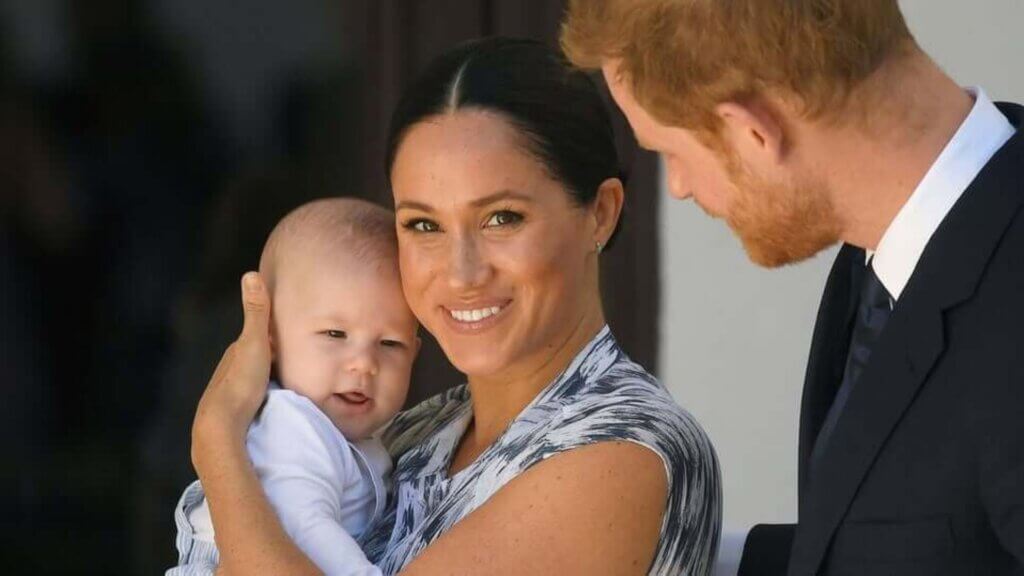
Archie Harrison’s birth on May 6, 2019, highlighted deep tensions over privacy. Meghan declined the traditional Lindo Wing photo call that once showcased royal newborns hours after delivery. Instead, she and Harry staged a brief, tightly controlled photo opportunity at Windsor Castle two days later. Supporters praised the choice as humane and modern. Opponents, particularly in the British press, claimed the couple wanted taxpayer-funded security and status without the openness historically expected of senior royals.
Megxit and the Question of Who Decided What

On January 8, 2020, Meghan and Harry announced via Instagram that they would step back as senior royals, seek financial independence, and split time between the UK and North America. Palace officials were reportedly caught off guard. The move, quickly dubbed “Megxit,” divided opinion. Admirers viewed it as a necessary escape from an unhealthy institution; critics saw a unilateral redefinition of royal duty. Meghan was widely framed as the driving force behind Harry’s departure from his family.
Branding “Sussex Royal” and Security Controversies

Around the time of Megxit, the couple’s efforts to trademark “Sussex Royal” for commercial use provoked fierce backlash. Critics argued they were monetizing royal status while relinquishing responsibilities. The Queen ultimately blocked use of “royal” in their branding. Simultaneously, a dispute erupted over who should pay for their security after relocating abroad. UK authorities curtailed publicly funded protection, prompting debate over whether taxpayers should bankroll a couple no longer performing full-time royal duties.
Oprah Interview: Race, Titles, and Mental Health
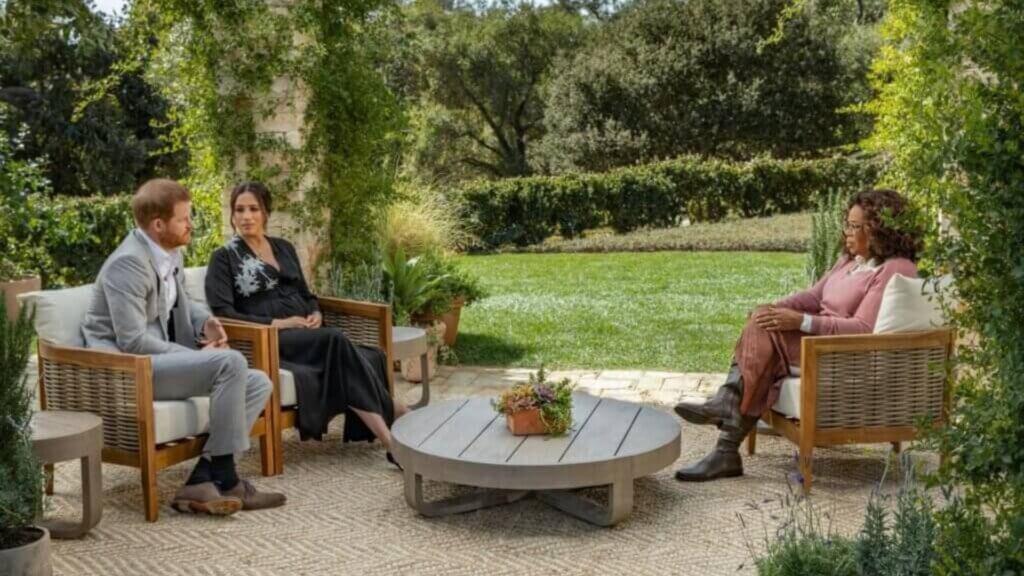
In March 2021, Meghan told Oprah that an unnamed royal raised concerns about Archie’s potential skin color and that he was denied a title and security. She also described being refused institutional help when experiencing suicidal thoughts. The interview triggered international condemnation of alleged racism and neglect within the monarchy. While many viewers sympathized, others questioned omissions and timing. The palace’s brief response and refusal to detail internal discussions ensured the controversy remained unresolved and deeply polarizing.
Netflix Docuseries and Claims of Palace Politics

The 2022 Netflix series Harry & Meghan offered the couple’s extended version of events. Meghan disclosed a miscarriage in July 2020, suggesting sustained media pressure played a role, and both alleged palace aides leaked negative stories to shield more senior royals. The intimate footage won them fresh sympathy and reframed some earlier incidents. At the same time, critics argued the series represented another controlled narrative—high-gloss storytelling that blurred the line between transparency and reputation management.
From Public Sympathy to Brand Fatigue
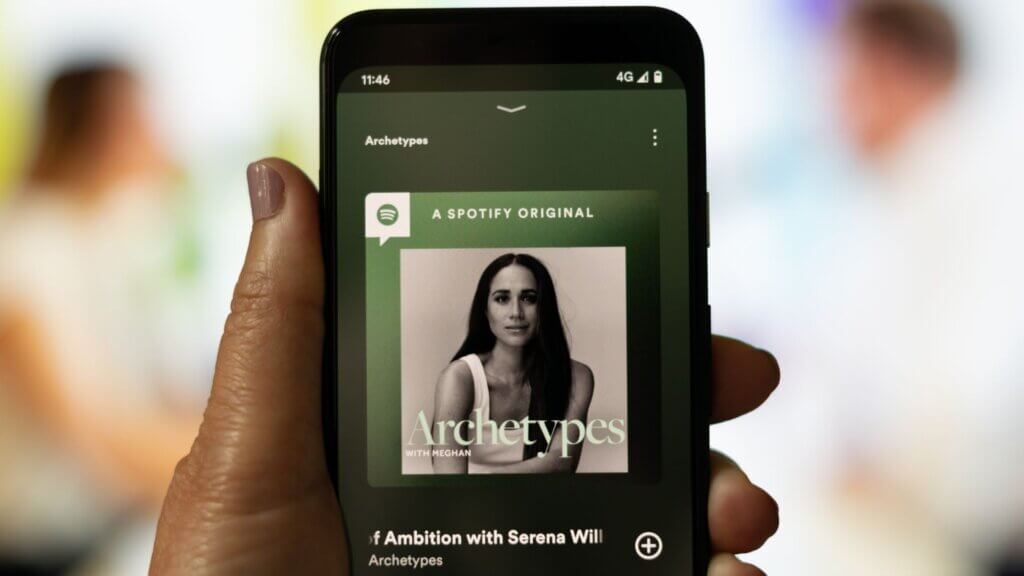
Despite early streaming success, the couple’s broader media strategy faltered. Their $20 million Spotify deal produced just one podcast season, Archetypes, before ending in 2023. Spotify executive Bill Simmons publicly called them “grifters,” a remark that echoed growing skepticism about their output versus hype. In 2024, their Archewell Foundation was briefly labeled “delinquent” in California over a late registration payment. Though quickly resolved, the incident reinforced perceptions of administrative sloppiness within an operation heavily marketed as purposeful and professional.
New York Paparazzi Incident

In May 2023, the couple claimed they endured a “near catastrophic” car chase with paparazzi after a New York event. NYPD sources downplayed the danger, suggesting a tense but not life-threatening episode. When Harry drew parallels with Princess Diana’s 1997 fatal crash, critics accused the couple of exaggeration and emotional manipulation. Supporters cited Harry’s trauma; detractors argued the comparison was disproportionate, reinforcing a view that the Sussexes routinely escalate conflicts in the court of public opinion.
Lifestyle Branding and Questions of Authenticity
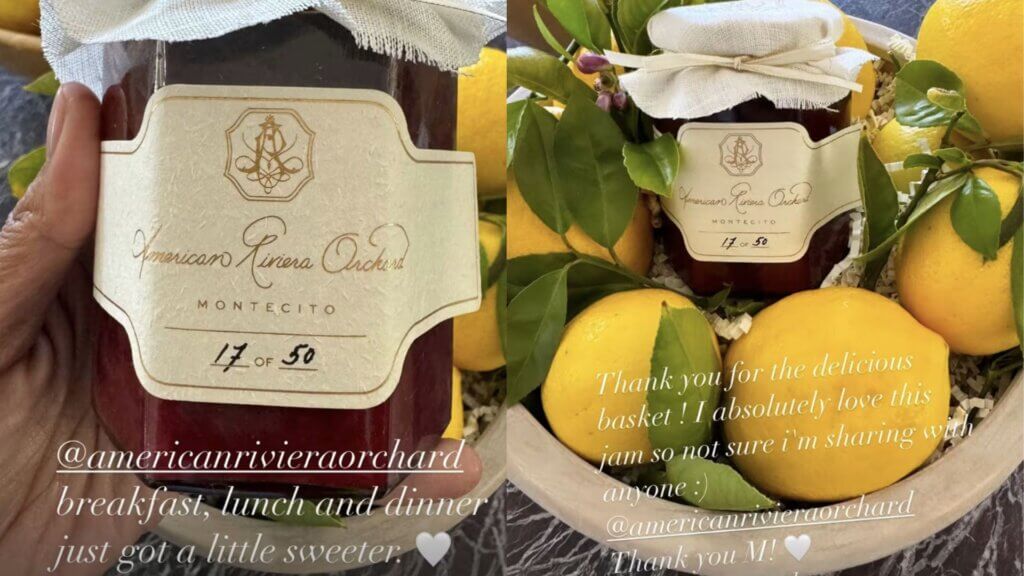
Meghan’s 2024 launch of lifestyle brand American Riviera Orchard, complete with small-batch jams and aspirational imagery, drew instant comparisons to influencer culture. Soon after, her 2025 Netflix cooking show—filmed in a rented mansion rather than her actual home—prompted fresh criticism. While marketed as intimate and heartfelt, many viewers found the production overly polished. Social media users mocked its “Pinterest-core” aesthetic, arguing the projects exemplified the couple’s broader challenge: translating personal narrative into authentic, credible commercial ventures.
Loved, Loathed, and Difficult to Pin Down

Meghan Markle’s public image now sits at the intersection of genuine grievance and self-curated celebrity. She has clearly faced racism, sexism, and relentless tabloid intrusion. Yet strategic media engagements, selective storytelling, and luxury branding have complicated her claim to outsider status. For some, she remains a symbol of progress stifled by a rigid institution; for others, she embodies performative activism and overmanaged vulnerability—a figure who fuels controversy as much as she endures it.
An Unfinished, Polarizing Royal Chapter
The trajectory from “royal promise” to “public punching bag” reflects not only Meghan Markle’s choices, but also the pressures of monarchy, race, media economics, and influencer-era branding. She is simultaneously a target of unfair narratives and a skilled operator within them. With ongoing projects and shifting public moods, her story remains open-ended. Whether history remembers her primarily as a reformer stymied by tradition, or as a polarizing self-mythologizer, will depend on what she does next—and who tells the story.