

Products are selected by our editors, we may earn commission from links on this page.
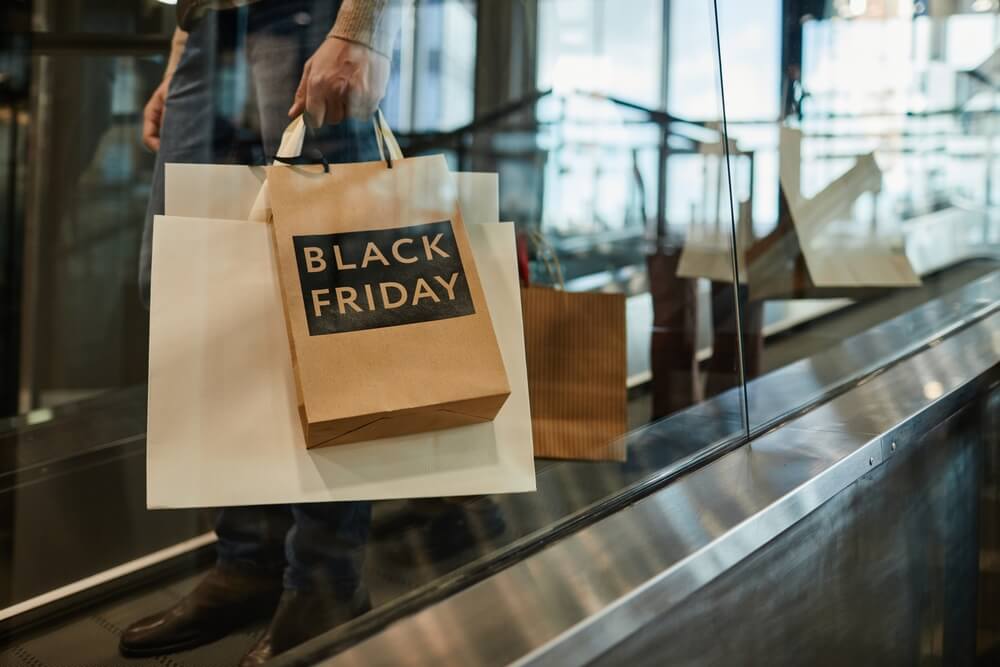
Black Friday weekend remains the most anticipated shopping period of the year, drawing record crowds online and in stores.
Yet many shoppers are planning to scale back, shifting from splurging to careful, budget-driven purchasing. This behavior change reflects a complex mix of economic pressure, personal priorities and changing retail strategies.
A Weekend That Still Pulls Millions
The National Retail Federation expects 186.9 million people to shop from Thanksgiving through Cyber Monday, surpassing last year’s record turnout. Black Friday remains the most popular day, with 70% of shoppers planning to participate. Even so, anticipation of deals does not automatically translate to bigger spending.
Reports say shoppers are encountering fewer deep discounts as retailers face tariff-driven costs and higher prices along the supply chain. Many bargain hunters say they are lowering expectations and spending only on specific items. Some consumers who previously spent $500 on gifts plan to cut that budget nearly in half this year.
Rising expenses outside of retail are influencing purchasing decisions. Shoppers cited a looming increase in healthcare premiums as a reason to slim down holiday spending from $2,000 to $750, preferring practical purchases over big-ticket items. These adjustments reflect a wider shift toward needs-based buying.

Tariffs and Inflation Reshape Habits
Economists note that households still hold more savings than pre-pandemic levels, yet they are cautious. The National Retail Federation describes consumers as “sentimentally weak and fundamentally sound,” meaning financial capacity exists, but confidence remains strained. Many shoppers wait for confirmed deals instead of buying early.
Persistent inflation and tariff hikes have softened enthusiasm for aggressive shopping. According to a survey by Deloitte, consumers plan to spend an average of $622 over Black Friday–Cyber Monday, a 4% decline from last year. The pullback is strongest among shoppers managing higher living costs and financial constraints.
Instead of chasing doorbusters, shoppers are stacking promo codes, cashback offers and loyalty rewards. Analysts say consumers are using “every tool they can” to stretch budgets, trading spontaneity for strategy. This behavior signals a cultural shift: Black Friday as optimization rather than indulgence.
Retailers are launching promotions earlier than ever to secure consumer attention. Walmart introduced staggered deals starting November 14, and Amazon rolled out a multi-day Black Friday week. These efforts try to lock in sales before cautious shoppers reconsider or pivot to targeted purchases.

Younger Shoppers Still Drive Energy
Participation among Gen Z may help stabilize spending patterns. Deloitte found 92% of surveyed Gen Z shoppers plan to participate in the Black Friday–Cyber Monday cycle, often shopping in-store for doorbusters and tech deals. Their enthusiasm contrasts with older generations, who report sharper spending reductions.
Analysts describe a “K-shaped” consumer landscape: high-income households benefit from asset growth, while many others face eroded buying power. Even wealthier shoppers, however, are signaling cutbacks this season. In this environment, retail success hinges less on spectacle and more on pricing precision.