

Products are selected by our editors, we may earn commission from links on this page.
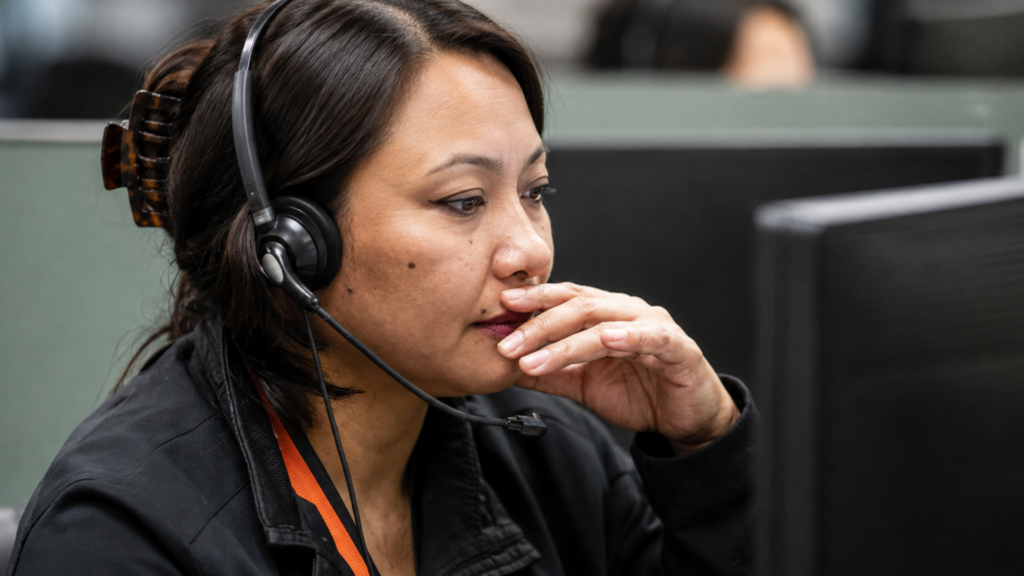
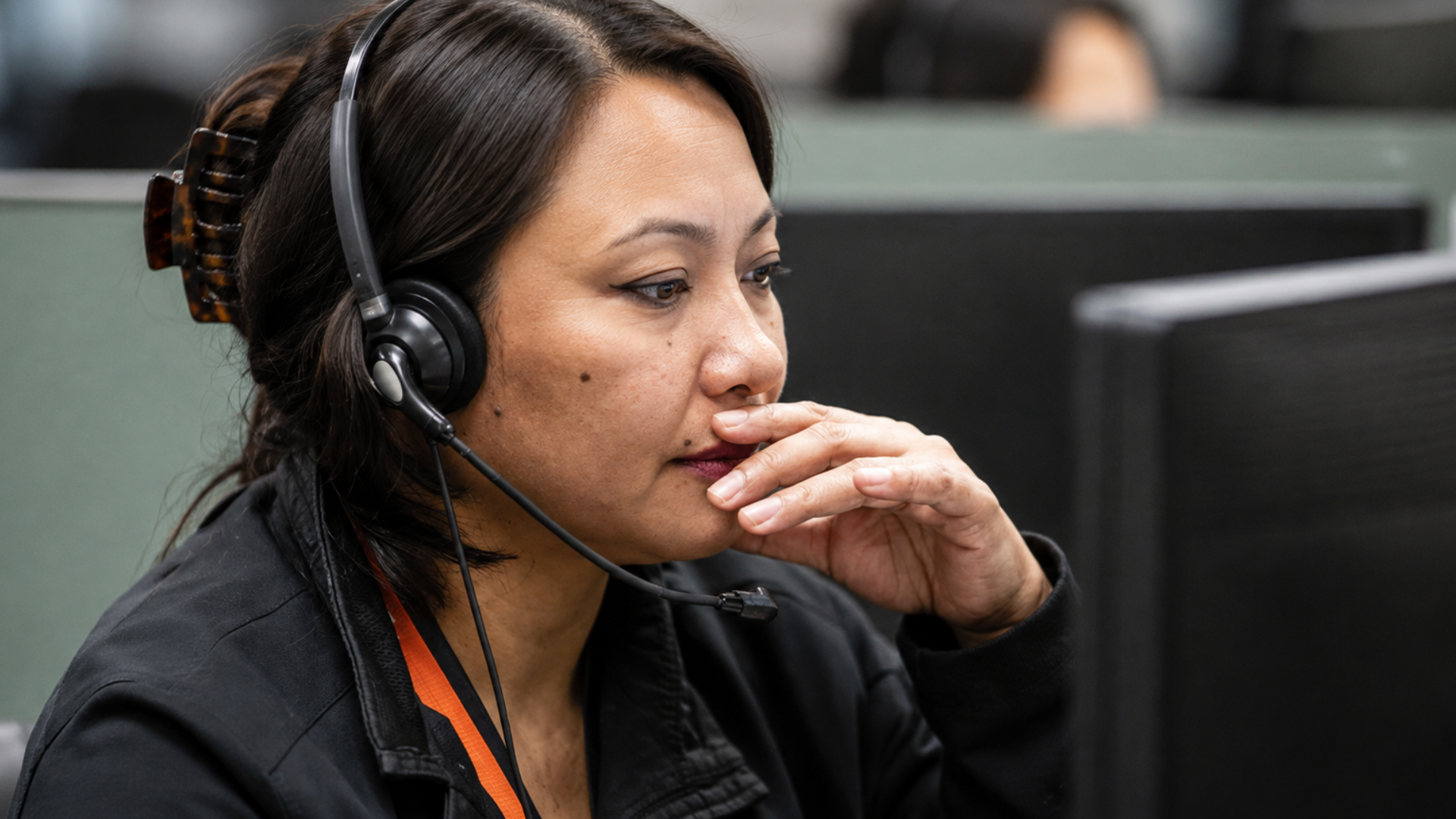
American workers watching AI reshape call centers, writing jobs, and customer service roles overseas might want to pay close attention. In the Philippines, a content writer named Lisa (not her real name, for privacy) spent months editing AI-generated material, unknowingly training the very system that replaced her. “We were the ones who trained the artificial intelligence that replaced us,” she says. The same outsourcing companies operating in Manila also serve American clients, meaning this exact story could easily repeat itself closer to home.
A 15-Year Career Ended Just One Month Before It Became Permanent

Lisa spent 15 years building a career in content writing, working freelance before joining a multinational company in the Philippines’ outsourcing industry. She insists AI was never necessary for her to do her job well. “I can say that I am able to do my job, I meet deadlines. In my opinion, there is no need for [AI],” she told the BBC. Eight months into her latest role, just one month before her position was set to become permanent, she was laid off.
An Entire Industry Built America’s Outsourcing Pipeline

The Philippines built a massive economy around exactly this kind of work over the past two decades. Companies like Accenture, Concentrix, and Teleperformance built sprawling office campuses employing hundreds of thousands of workers, largely serving American and other Western clients. Today, the outsourcing industry employs roughly 1.9 million people and generates $40 billion annually, about 10% of the country’s entire economy. American companies have relied heavily on this workforce for decades to handle customer service, writing, and administrative tasks.
More Than a Quarter of Filipino Workers Are Directly Exposed to AI
The scale of risk here is enormous. The International Labour Organization estimates that 12.7 million Filipino workers, more than one in four, hold jobs directly exposed to generative AI, the highest share anywhere in Southeast Asia. Many of these same job categories, like content writing, transcription, and customer support, are ones American workers compete for or rely on themselves. The organization expects many roles to change rather than vanish entirely, but the risk of disruption remains real.
Industry Leaders Admit AI Adoption Is Already Well Underway

Jack Madrid, president of the IT and Business Process Association of the Philippines, confirms the shift is happening fast. More than two-thirds of the association’s member companies are already running AI pilot programs. “Agentic AI has the potential to automate at a much more accelerated pace,” Madrid says. “Obviously, there’s a layer of jobs that are automatable or have been automated.” He maintains most displaced workers get redeployed internally, though he acknowledges the pace of change is intensifying.
AI Tools Sometimes Created More Work, Not Less

Mary, another former content writer using a pseudonym, describes a frustrating pattern familiar to many workers testing AI tools. Her employer encouraged AI use as a productivity booster, but the results often backfired. “We had to edit more, fact-check more because the data AI produced was inaccurate,” she says. “Technically it was more work for us.” She was eventually laid off as well, despite AI creating extra labor rather than reducing it.
Major Companies Insist They’re Augmenting, Not Replacing, Workers
Teleperformance, the world’s largest call center operator, says AI will handle routine interactions while human agents shift toward more complex work, and the company has pledged to retrain employees. Accenture has made similar commitments, promising billions of dollars in AI investment paired with workforce training. Concentrix, the Philippines’ largest outsourcing firm, says its AI systems remain under human oversight. Whether these commitments hold up at scale remains an open question for workers watching closely.
Some Experts Say AI Gets Blamed for Layoffs It Didn’t Cause

Paul Quintos, a researcher from the University of the Philippines-Diliman, raises a pointed counterpoint. He notes limited evidence exists showing how much productivity AI tools actually deliver in many workplaces. “There is a term called ‘AI washing,'” he says, describing how some layoffs get attributed to AI when companies are really responding to weaker demand or broader economic conditions. Framing restructuring as technological progress, he argues, can mask decisions driven by cost-cutting alone.
Employment Laws Haven’t Caught Up With AI in the Workplace

Labor groups note that existing Philippine employment laws address redundancy but offer little guidance on how companies should introduce AI or consult workers beforehand. The outsourcing sector is also non-unionized, leaving employees with little formal say over how new technology gets deployed. This same regulatory gap exists in many countries navigating AI adoption, including the United States, where labor protections around AI transitions remain similarly unsettled and actively debated.
The Philippines Is Racing to Rebuild Its Own Economic Model

Government officials admit they’re playing catch-up. “To be completely honest, I think we’re slightly behind. We have to catch up,” says Leandro Aguirre of the Philippines’ Department of Information and Communications Technology. The government has committed to upskilling more than 300,000 outsourcing workers, while acknowledging the country may need to shift from relying purely on foreign investment toward building homegrown AI companies. “The benefits of AI have to trickle down to people,” Aguirre says. “It can’t just benefit employers.”