

Products are selected by our editors, we may earn commission from links on this page.
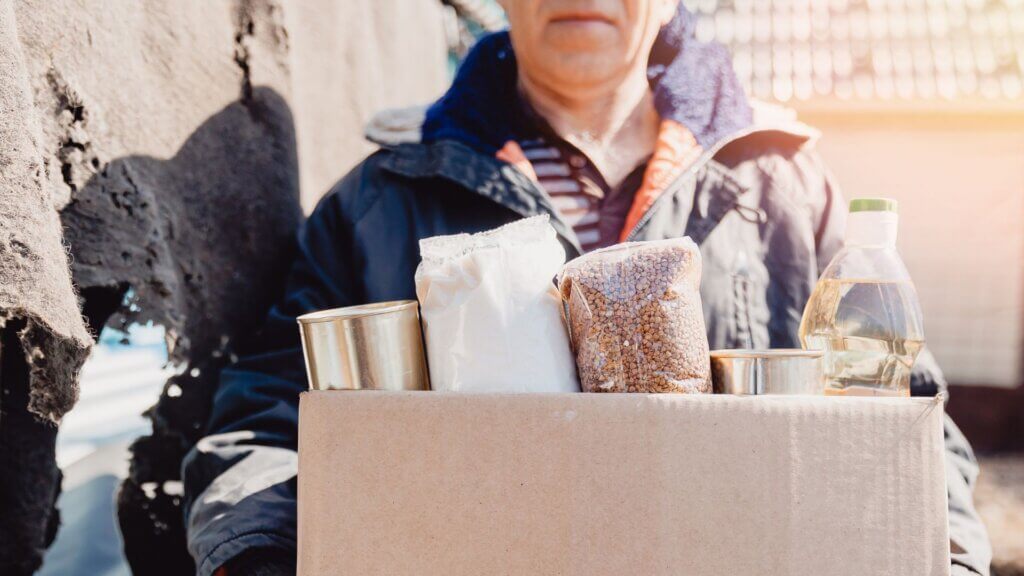
A former employee of Goodwill recently brought attention to alleged waste management practices within the nonprofit organization, sparking a conversation about the ethics of donation disposal. Through a series of posts on a popular online forum, the individual shared insights into how usable items are handled behind closed doors, claiming that many functional goods never reach those who need them most.
The controversy gained momentum after the whistleblower provided photographic evidence of overflowing donation centers and described a culture of disposal rather than redistribution. According to these accounts, items such as linens, blankets, and clothing that are deemed unsellable are often discarded at main processing hubs, despite their potential value to vulnerable community members.
Tensions reached a peak when the former staff member revealed they received a formal warning for a simple act of compassion. During a severe winter storm, the employee provided a worn blanket to a person experiencing homelessness, only to be told by management that the gesture violated official company policy regarding the handling of inventory.
The Environmental Reality of Fabric Disposal
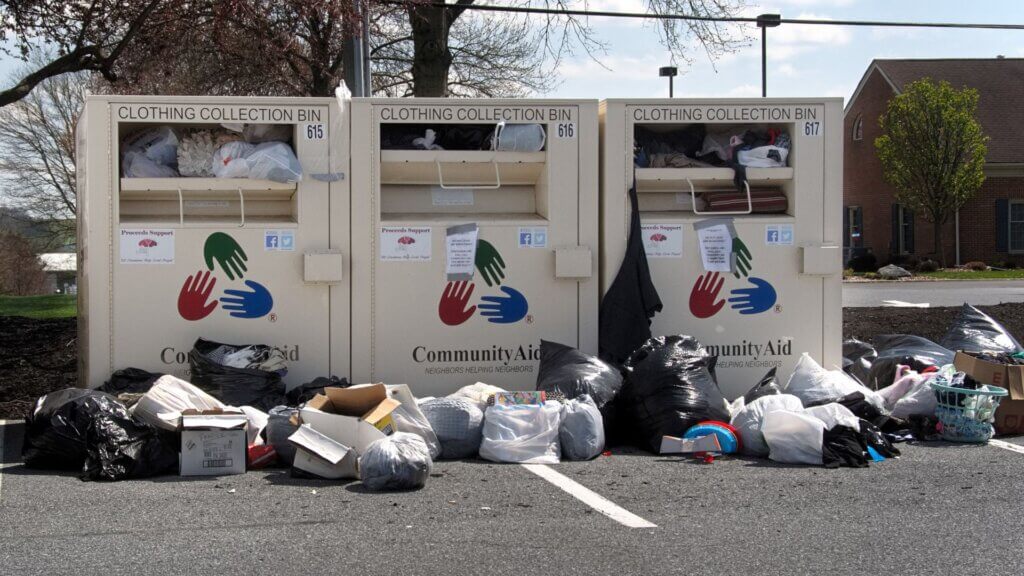
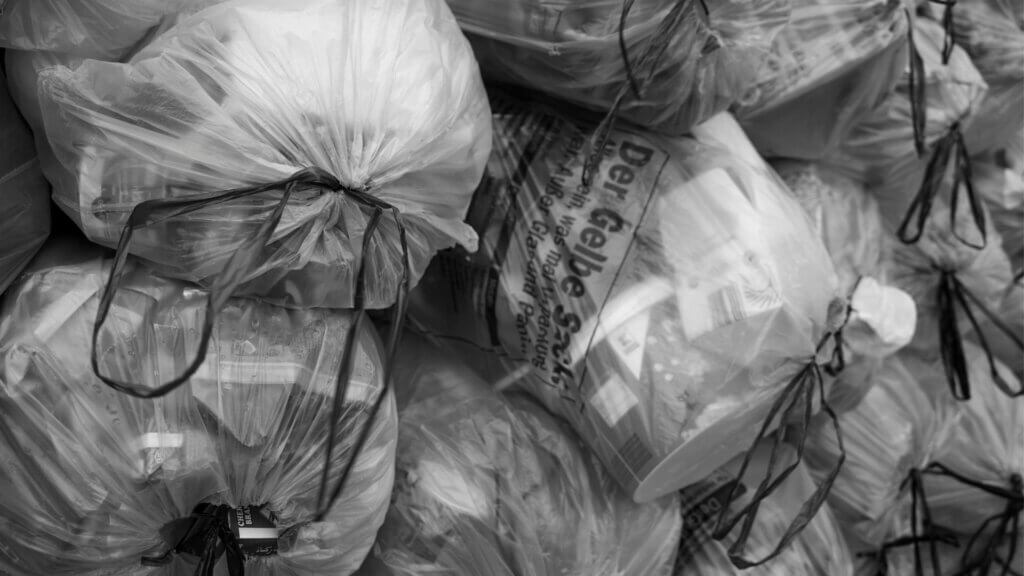
The allegations regarding discarded textiles point to a much larger ecological crisis facing the country today. Each year, Americans contribute approximately 11 million tons of fabric waste to landfills, where these materials contribute significantly to the production of methane, a potent greenhouse gas that accelerates climate change as organic fibers decompose.
When functional blankets and garments are treated as refuse, the environmental cost is twofold, as it necessitates the extraction of new raw materials to produce replacements. This cycle of disposal and production stands in direct opposition to the sustainable goals often associated with the secondhand market, which aims to keep products in use for as long as possible.
The alleged practices suggest a breakdown in the circular economy model that many thrift retailers claim to support. By failing to find secondary uses for unsold goods, organizations miss a critical opportunity to reduce the demand for new manufacturing and alleviate the pressure on local waste management systems.
Navigating Corporate Structures and Sustainability Claims
In response to general concerns about waste, Goodwill has historically maintained that items which do not meet retail standards are sold to textile recyclers or repurposed for industrial use. This official stance suggests a commitment to diverting waste, yet the decentralized nature of the organization means that operational standards can vary significantly from one region to another.
Because different branches operate with a high degree of independence, the experience of an employee in one city may not reflect the standard operating procedures of another. Some regional organizations have established robust partnerships with local shelters and disaster relief groups to ensure that seasonal items and unsold inventory are distributed to those in crisis.
However, the lack of a universal mandate for the redistribution of unsold goods creates a landscape where local management can prioritize efficiency over community impact. This discrepancy highlights the importance of transparency in the nonprofit sector, specifically regarding the lifecycle of a donation once it leaves the hands of a donor.
Proactive Steps for Conscious Consumption and Donation
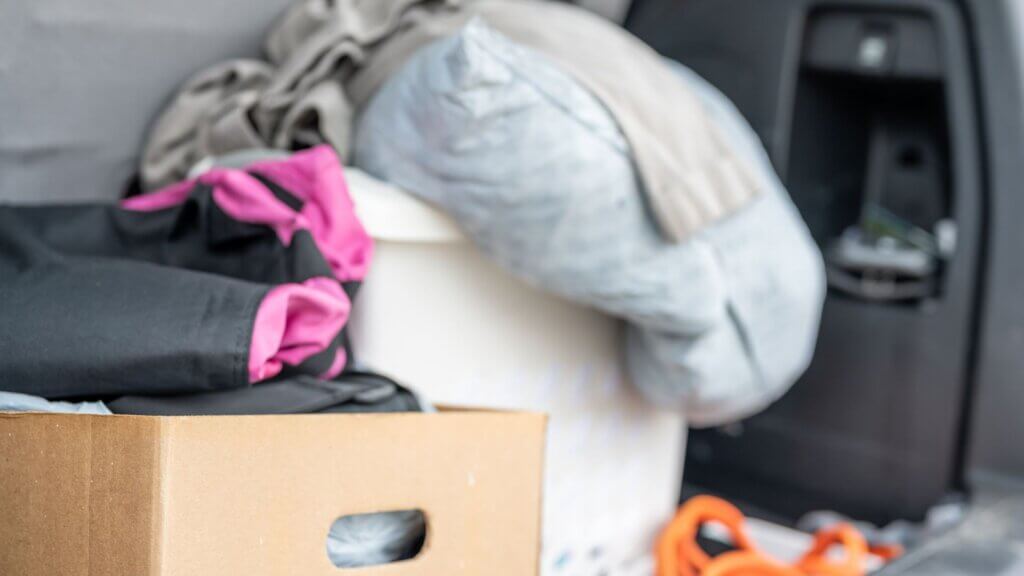
For individuals looking to ensure their donations make a direct impact, a more hands-on approach to giving can be highly effective. Researching local organizations before dropping off items allows donors to find facilities with transparent redistribution policies, ensuring that warm clothing and blankets reach people who need them during the colder months.
Beyond traditional thrift stores, many communities host grassroots mutual aid networks and free stores that operate on a direct-give basis. These organizations focus on providing essential household items and apparel to neighbors without a financial transaction, bypassing the retail process entirely to prioritize immediate human needs.
Ultimately, the most sustainable way to support a healthier textile cycle is to participate in the secondhand market as a buyer whenever possible. By choosing pre-owned items, consumers actively reduce the need for new production and support the longevity of existing resources, turning the act of shopping into a meaningful contribution to a more circular and compassionate economy.