

Products are selected by our editors, we may earn commission from links on this page.
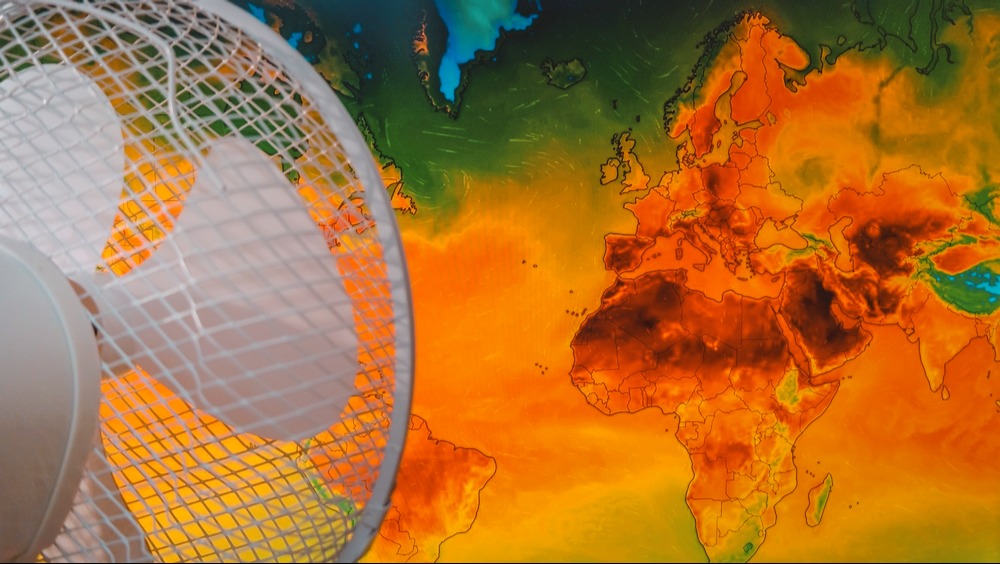
A vast stretch of unusually warm ocean water is drawing attention from scientists, spanning roughly 5,000 miles across the Pacific from Micronesia to the U.S. West Coast. This marine heat wave, with temperatures running as much as 6 to 8 degrees above normal, is already being described as an “exceptional event” that could reshape weather patterns in the months ahead.
Why Scientists Are Paying Close Attention
Researchers say this is not just another warm patch of ocean, but one of the largest and most intense marine heat waves currently on the planet. Climate scientist Daniel Swain told The Washington Post that its scale and persistence could influence everything from regional temperatures to storm activity, making it a key driver of upcoming seasonal conditions.
How It Could Reshape Summer Weather in the U.S.
The warming ocean is expected to play a major role in shaping weather across the western United States this summer. Scientists say it could lead to higher temperatures, increased humidity, and even shifts in storm patterns, creating conditions that feel very different from a typical West Coast summer.
A Complicated Start Before Summer Heat Builds
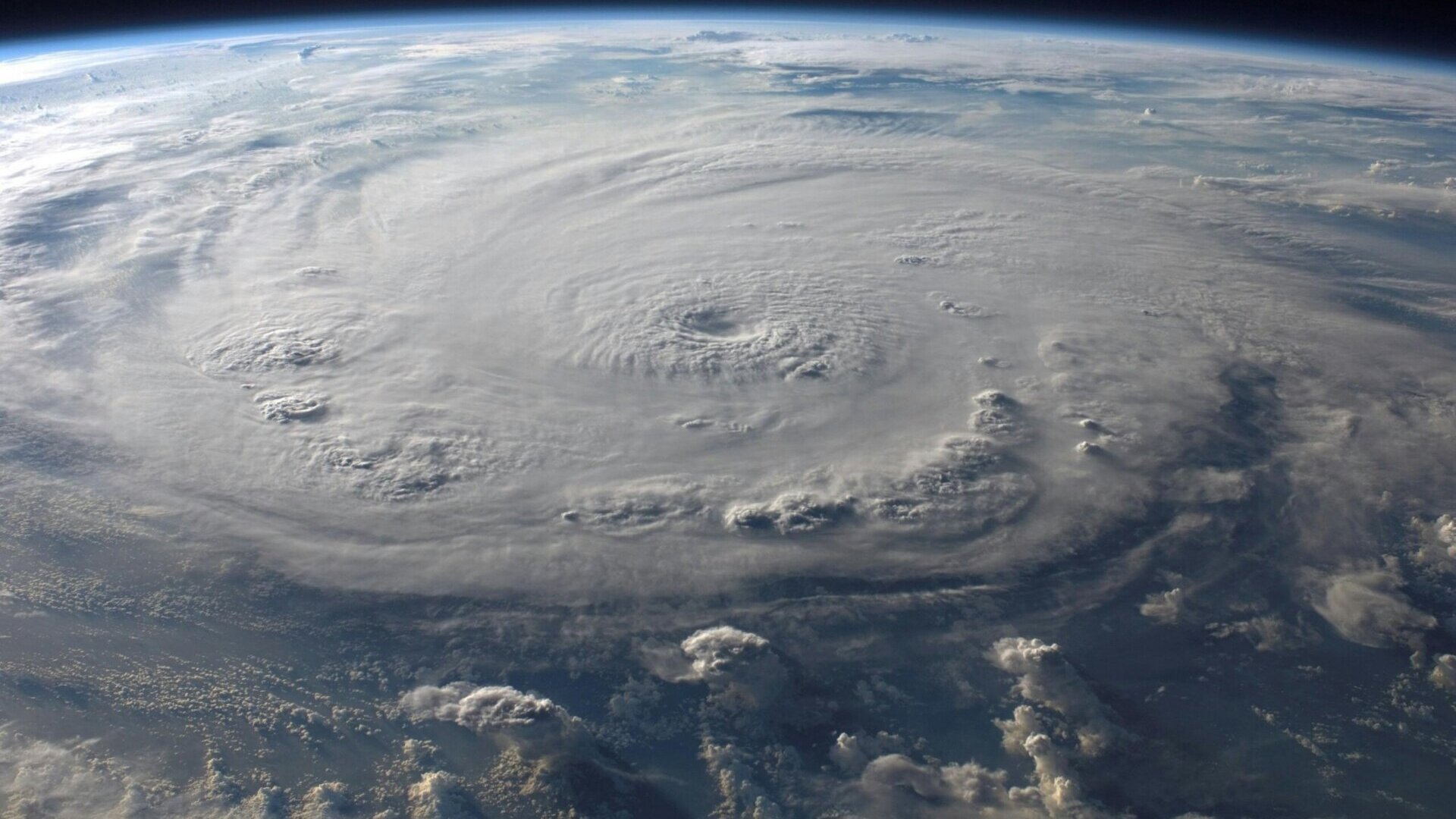
In the short term, the effects may not be straightforward. The marine heat wave is already influencing the subtropical jet stream, contributing to unsettled spring weather and bursts of moisture across parts of the West. According to analysis from Weather West, this unusual April pattern has brought a mix of storms, cooler spells, and above-average precipitation in some regions despite the broader warming trend.
Warmer Nights and Rising Humidity Ahead
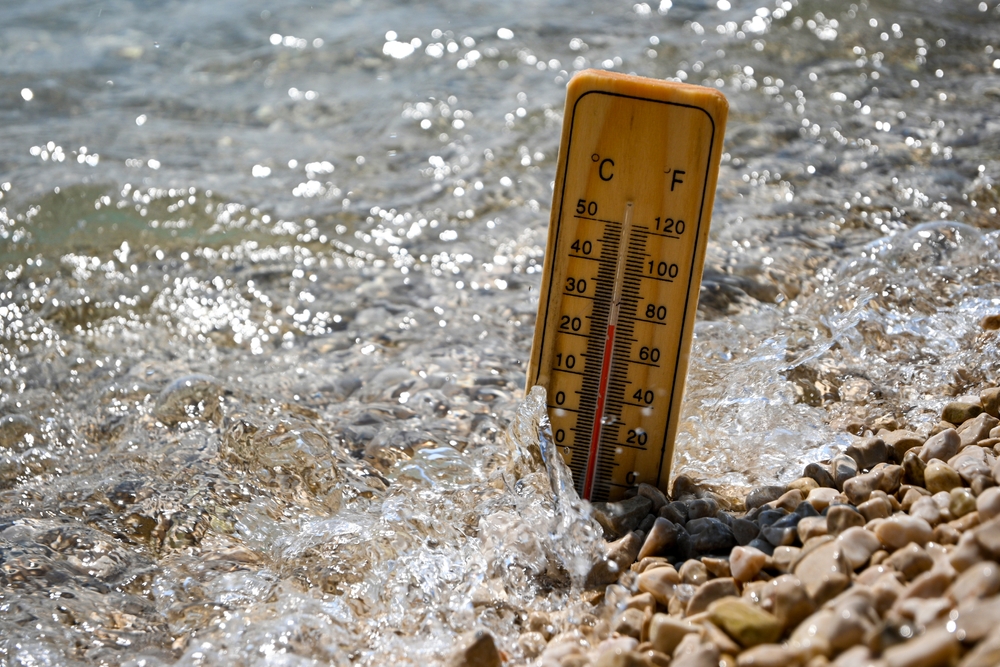
As summer approaches, the more noticeable impacts are expected to build. Warmer ocean waters increase evaporation, which in turn raises atmospheric moisture levels. That could mean unusually humid conditions along the West Coast and warmer overnight temperatures that offer less relief from daytime heat.
Increased Risk of Storms and Hurricanes

The marine heat wave may also energize tropical activity in the eastern Pacific. Scientists say warmer waters can act as fuel for hurricanes, increasing the chances of an active season and raising the possibility that storm remnants could reach areas like California, spreading moisture far inland.
Wildfire Concerns Are Also Growing
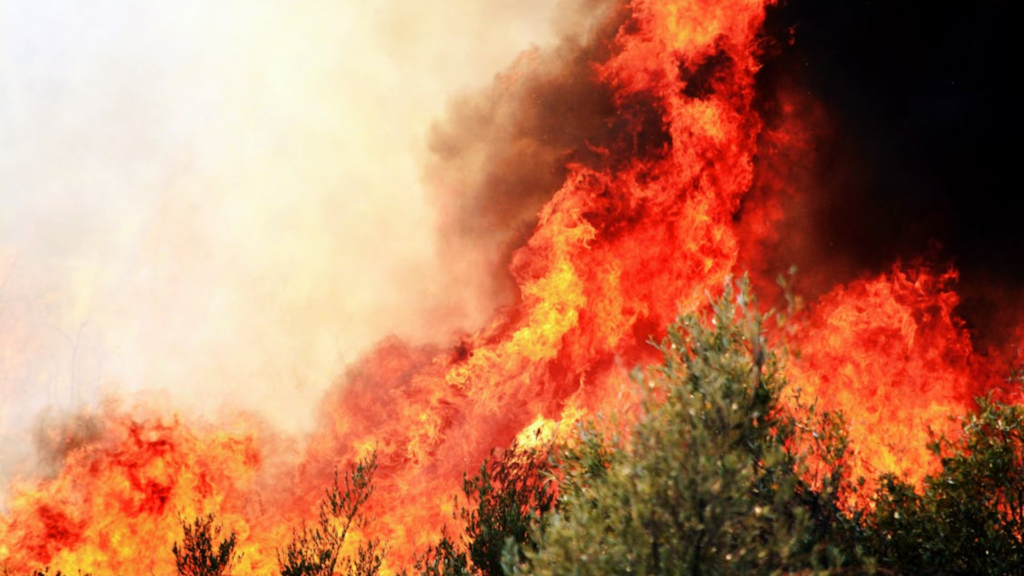
At the same time, the shifting weather patterns could raise wildfire risks. Increased thunderstorm activity later in the summer may bring dry lightning, a key trigger for wildfires in the West. Federal outlooks already show elevated fire activity across parts of the U.S., with over 1.6 million acres burned so far this year, well above average.
Impacts Beneath the Ocean Surface
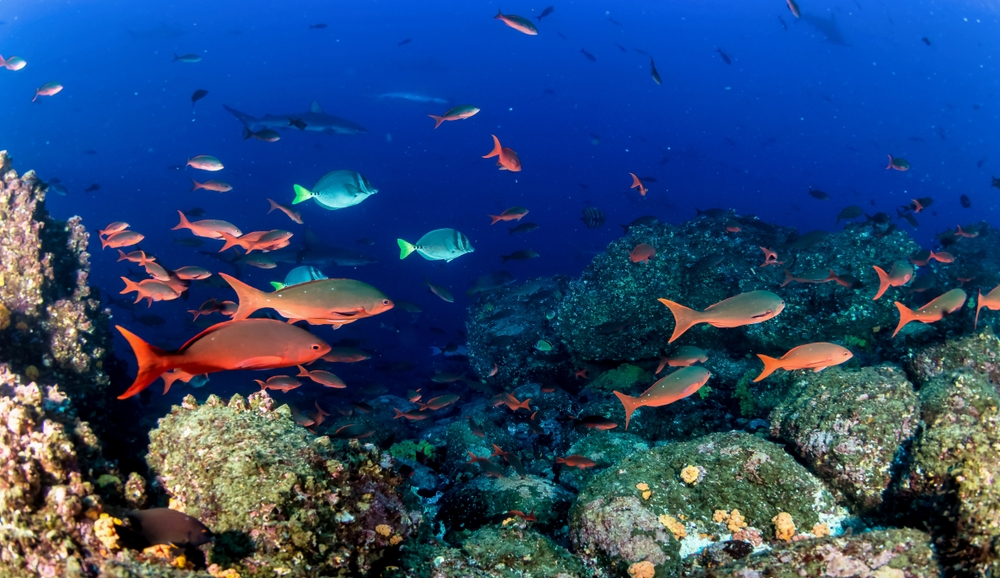
The effects are not limited to the atmosphere. Scientists warn that marine ecosystems could face significant disruption, including shifts in fish migration, damage to kelp forests, and increased risk of harmful algal blooms. These changes could ripple through coastal economies and wildlife populations.
What’s Driving This Massive Heat Wave
The event is being fueled in part by a climate pattern known as the Pacific Meridional Mode, which promotes widespread ocean warming across the region. As this pattern evolves, it may also help trigger or strengthen an El Niño event, amplifying its global influence in the months ahead.
A Summer That May Feel Very Different

Taken together, scientists say this marine heat wave could shape a summer unlike recent years, particularly across California and the Southwest. From warmer nights and higher humidity to shifting storm and fire risks, the ocean’s influence is expected to be both far-reaching and long-lasting, underscoring how closely connected ocean conditions are to everyday weather on land.