

Products are selected by our editors, we may earn commission from links on this page.
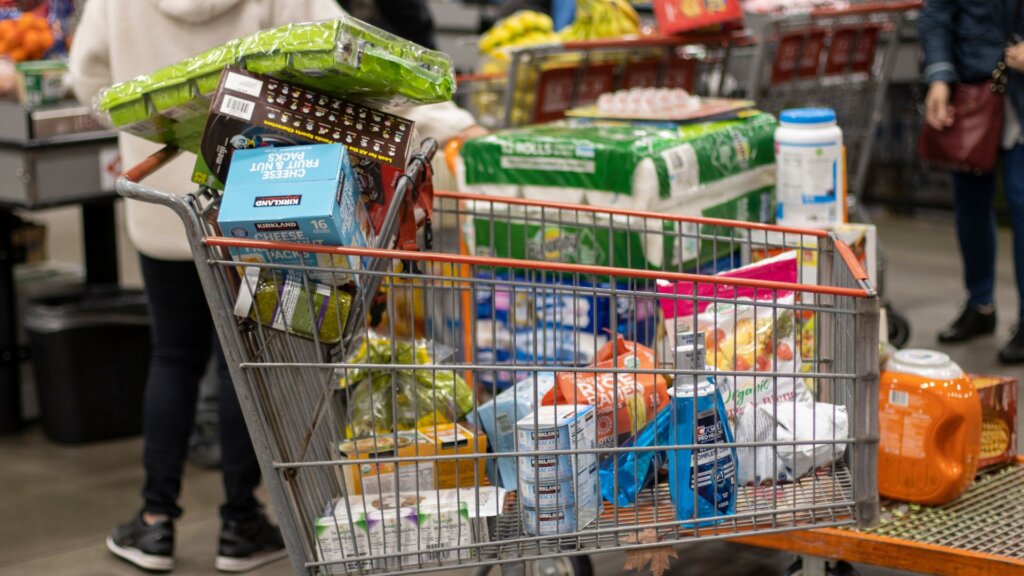
Gas prices have already climbed, but one economist says the bigger hit may still be coming. Henrietta Treyz, co-founder and director of economic policy at Veda Partners, told MSNBC’s Katy Tur on Monday that food inflation could be the next pressure point for American households, with the costs of transporting goods not yet fully reflected at the checkout line.
The Warning Comes as Gas Prices Continue to Climb
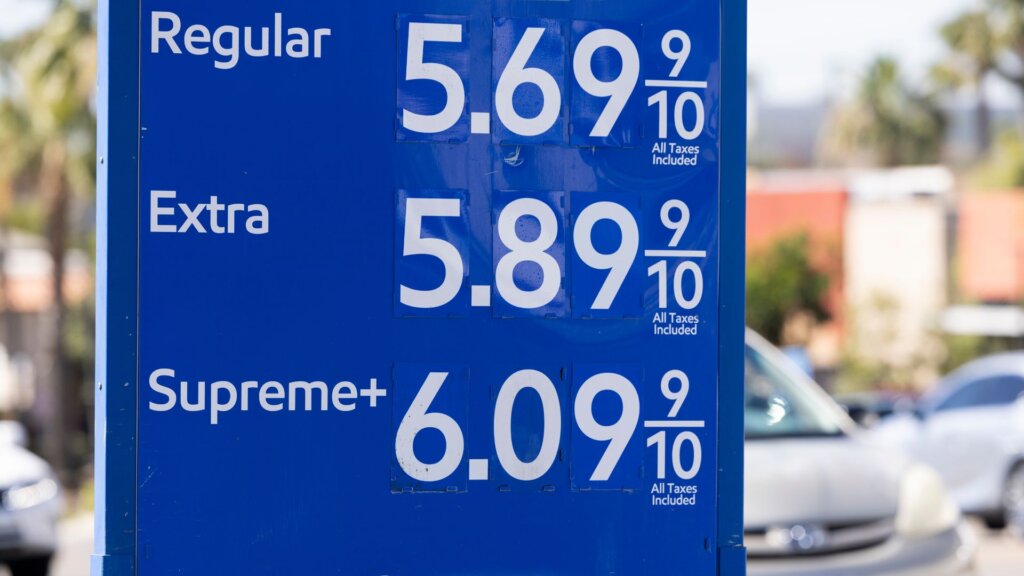
The Dow dipped on Monday, and the Strait of Hormuz remained closed, with gas prices already climbing. Tur noted on air that Americans are not experiencing the economy that Trump has described. Treyz agreed, pointing to fuel costs as an early indicator of broader price pressures that have not yet worked their way fully through the supply chain.
Jet Fuel Shortages Are Already Disrupting Flights
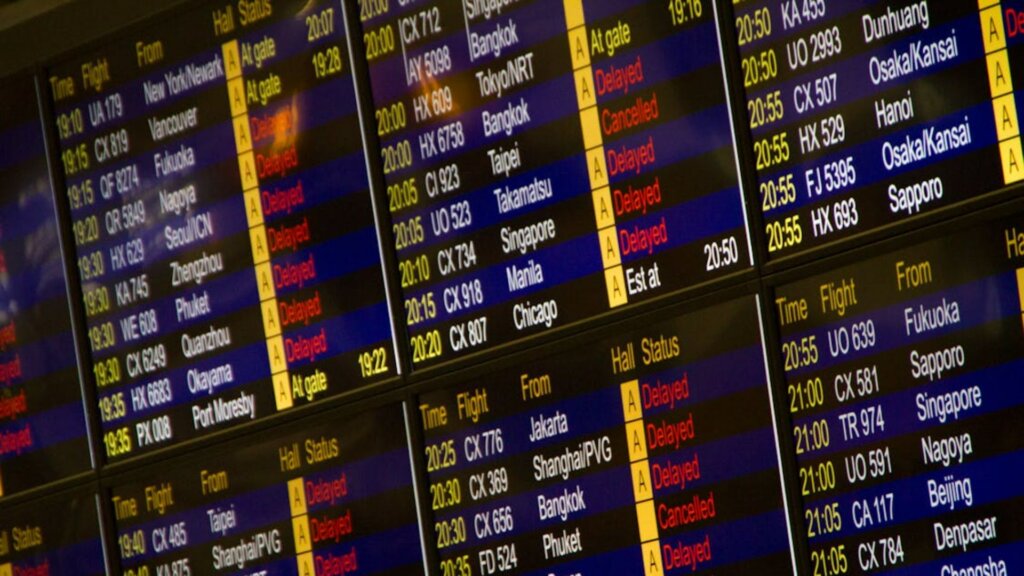
Jet fuel prices have surged around 95 percent, and outright shortages are now affecting travel across Asia, where some carriers have moved to three-day work weeks to conserve fuel. That pressure is beginning to spread to Europe and the United States, with some flights seeing ticket prices rise by roughly $200 and others being canceled outright, according to Treyz.
Food Prices Could Be the Next to Feel the Pressure
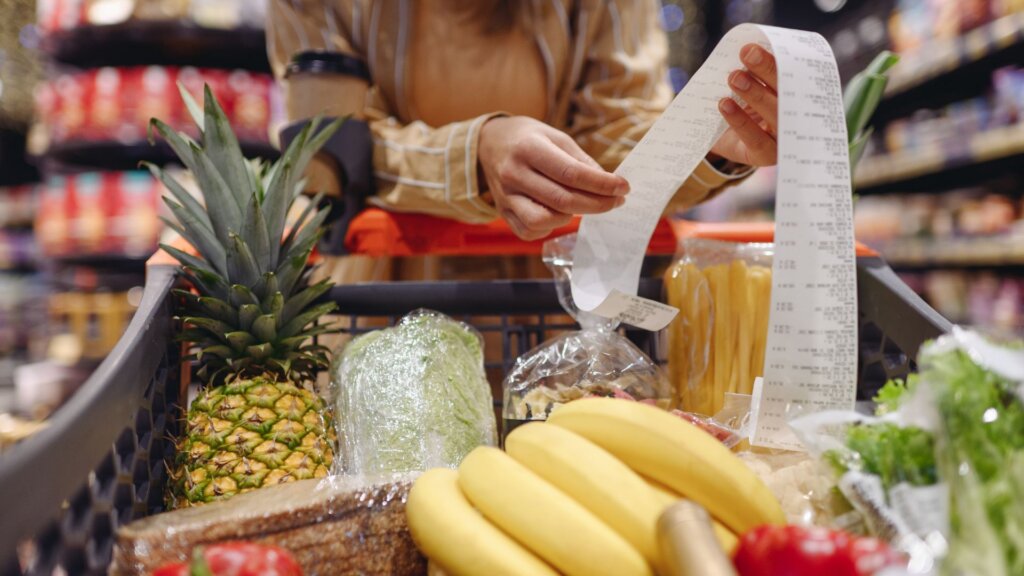
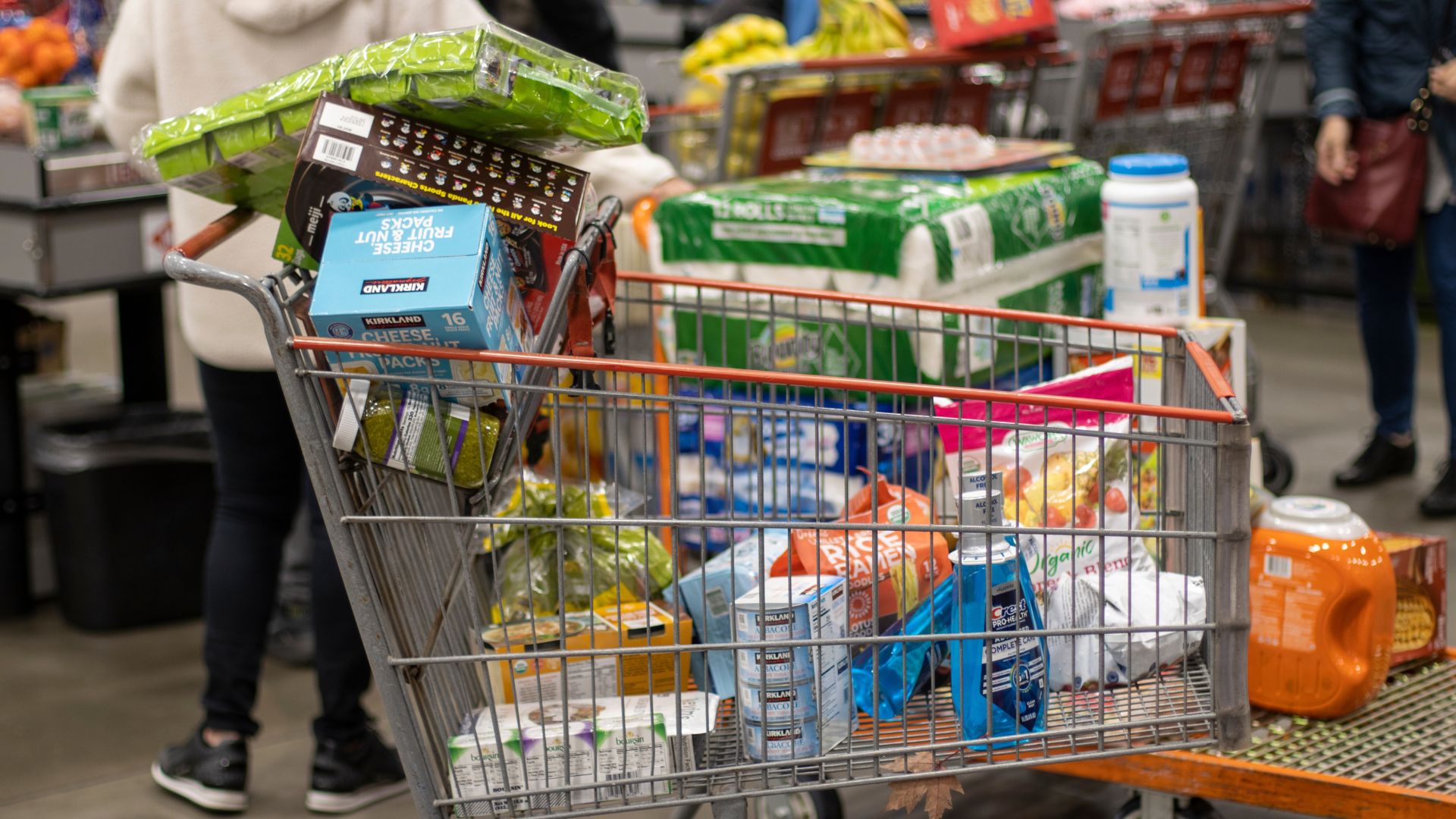
Treyz described food inflation as “the next shoe to drop,” explaining that anything moved by diesel or gasoline, including everyday items sold at major retailers and groceries, has not yet seen the full effect of rising fuel costs. Those increases, she said, are still ahead, meaning consumers who have already felt the pinch at the pump may soon feel it again at the store.
Treyz Points to What the Economy Looked Like Just Months Ago
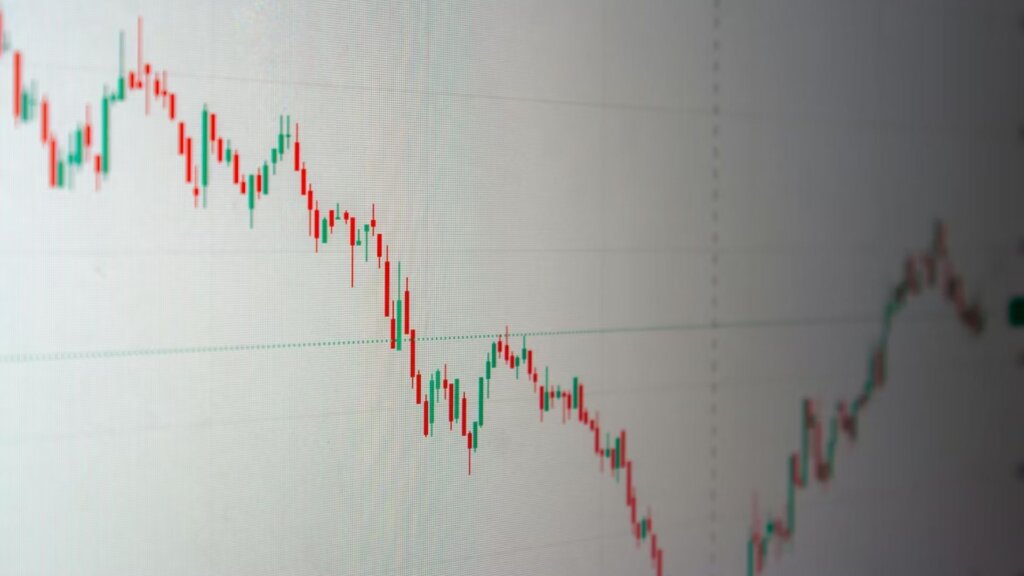
Before the current pressures took hold, the economic picture looked considerably different. Falling inflation, growing manufacturing, and what Treyz called continuous prosperity defined the period the current administration inherited, along with airlines projecting savings of hundreds of millions on jet fuel alone, partly tied to the popularity of medications like Ozempic.
The AI Boom Had Been a Tailwind for Growth

The AI sector had also been a significant driver of economic momentum heading into this period. Treyz suggested conditions were strong enough that little could have slowed growth on its own, making the current contrast, in her view, particularly notable for anyone watching the numbers.
The Federal Reserve’s Options Are Now More Limited
Treyz also touched on the position it puts the Federal Reserve in, noting that rising inflation makes it harder for the Fed to cut interest rates. Rate cuts are typically used to stimulate a slowing economy, but they become more difficult to justify when prices are climbing. That dynamic, she said, leaves policymakers with less room to respond to economic softening.
The Economic Cost of the War Is Still Coming Into View, Treyz Says

The interview came as questions about the war’s economic toll have grown louder in public discourse. Treyz framed the longer-term cost in economic terms, saying the gap between where growth could have been and where it currently stands is, in her words, “depressing to think about.” Rising inflation, she added, has left the Fed with little room to cut interest rates in response.
Walmart and Other Major Retailers Could Pass Costs to Shoppers
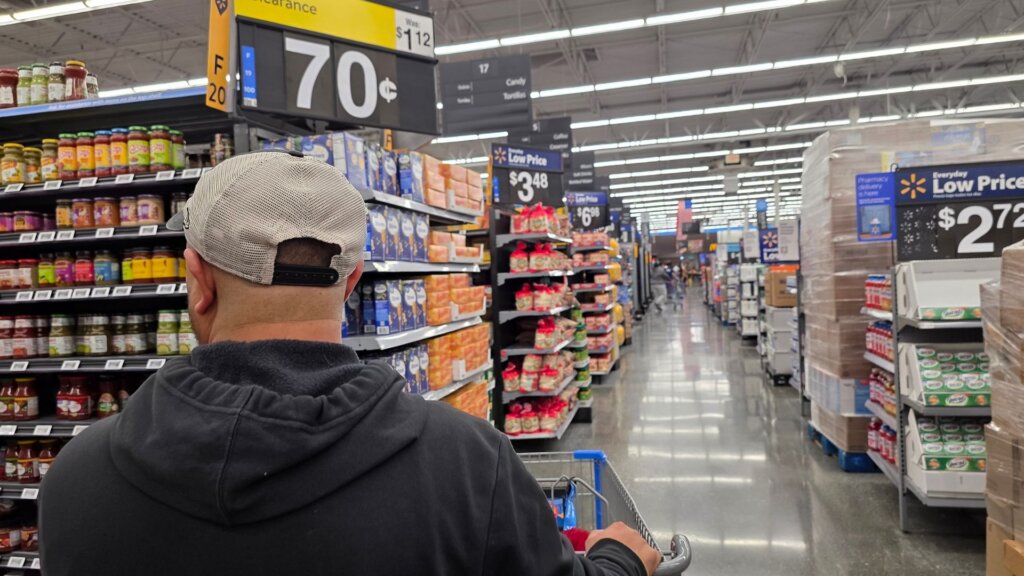
Walmart was among the specific examples raised during the interview, with the ripple effects of higher transportation costs potentially showing up at major retailers. Items that require fuel to move are all exposed to these cost increases, and large retailers, while sometimes absorbing costs initially, tend to pass them along over time.
The Full Impact on Grocery Prices Has Yet to Be Seen

Treyz did not offer a specific timeline for when food prices might climb more noticeably, and the broader situation is still developing. What her warning does capture is that the fuel cost increases already felt at the pump have not yet fully reached grocery shelves. That gap, economists say, tends to close, and for many households, the adjustment may still be ahead.