

Products are selected by our editors, we may earn commission from links on this page.
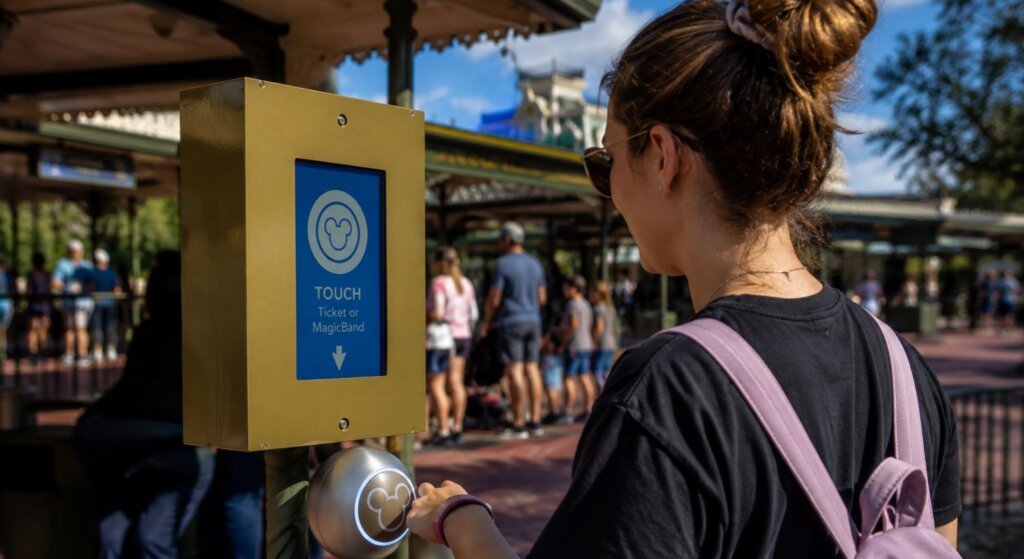
Every time a guest walks through the entrance gates at Disneyland or Disney California Adventure, a camera scans their face. The image is matched against one taken the first time they used their ticket. Most visitors have no idea this is happening. A class-action lawsuit filed in May 2026 says that ignorance is by design, and that The Walt Disney Company has been quietly building one of the largest biometric databases in American theme park history.
The lawsuit was filed on behalf of lead plaintiff Summer Christine Duffield, a Riverside County, California parent who visited both parks in May 2026 with her children. Her attorney, New York-based Blake Hunter Yagman, argues that Disney’s system collects highly sensitive biometric data from guests — children included — without meaningful disclosure or genuine consent. The filing claims Disney violated privacy, competition, and consumer protection laws by rolling out the technology without proper safeguards or transparency.
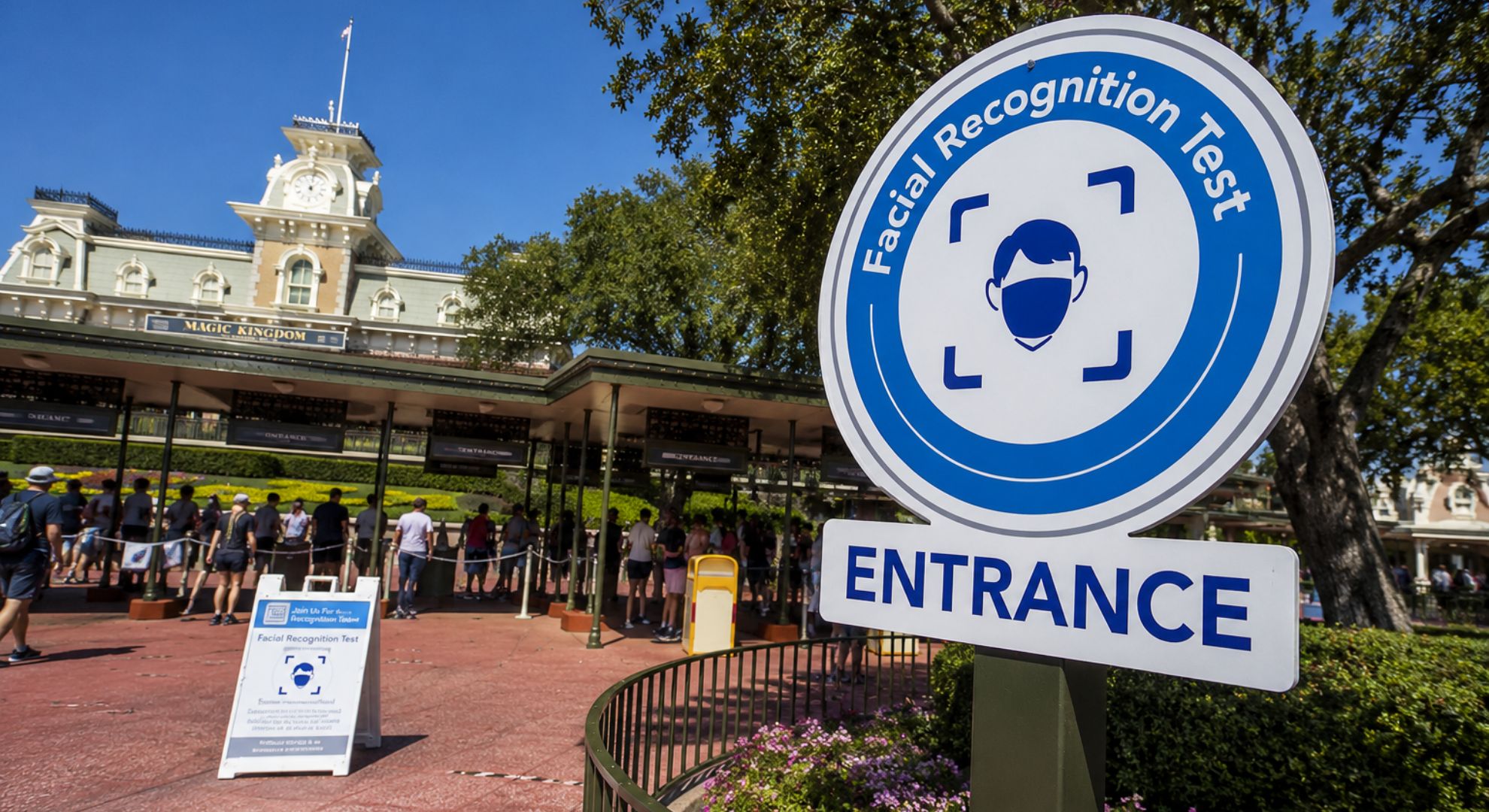
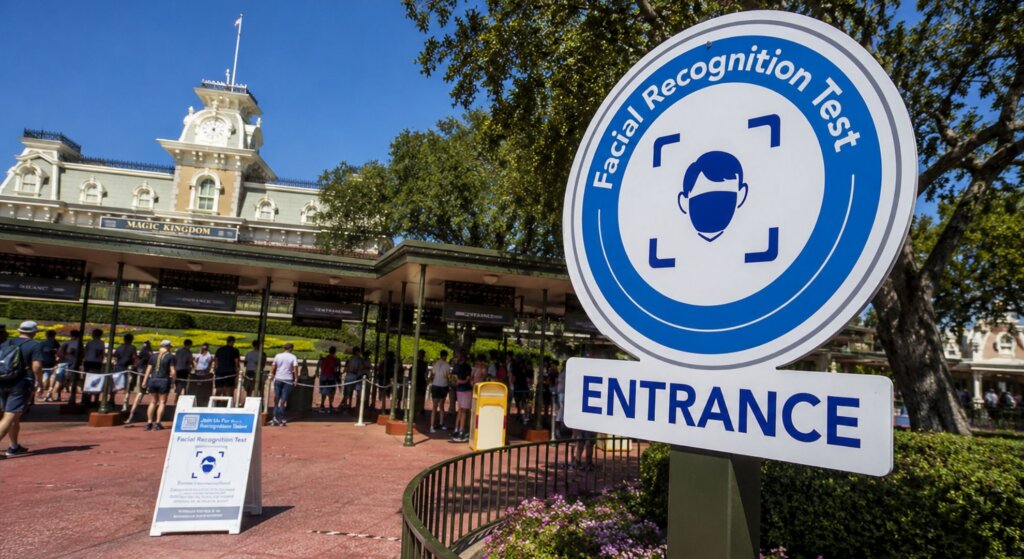
Disney introduced facial recognition at Disneyland and Disney California Adventure in April 2026, describing it as a way to streamline re-entry and prevent ticket fraud. The system photographs guests at entrance lanes, compares those images to photos linked to their tickets or passes, and converts the pictures into numerical values to confirm a match. Disney says the data is deleted within 30 days of collection, except when retained for legal or fraud-prevention purposes. The lawsuit disputes whether that timeline is even technically possible.
This article was created with the assistance of AI and reviewed by our editorial team for accuracy and clarity.
Signs Were There If You Knew Where to Look
Disney has maintained that participation in facial recognition is optional. Guests who prefer to skip it can use separate entrance lanes, identified by signs bearing a silhouette with a slash through it. The company also published instructions on its privacy webpage directing guests toward those lanes. But the lawsuit paints a different picture of how these alternatives actually work on the ground, pointing to a Los Angeles Times report that described the signage as very easy to miss.
Of the dozens of entrance lanes at Disneyland, only four bypass facial recognition. Those lanes are marked with the slashed silhouette symbol, a design the lawsuit calls an inadequate and unclear method of communicating an opt-out option to the general public. The filing notes that the signs at some security checkpoints are decorated with red, green, yellow, and blue Mickey Mouse silhouettes, making them blend into the visual noise of a theme park environment rather than standing out as a meaningful privacy notice.
The lawsuit also highlights the inherent imbalance in a system where opting out requires a guest to already know what they are opting out of. Families moving through crowded entry gates, often with children in tow, are unlikely to notice small signage or understand its implications in real time. As Yagman wrote in the complaint, “The onus of privacy rights should not be on the victim.” That framing cuts to the core of the legal challenge: when a person’s face is scanned without their informed consent, they have already lost the choice.
Children in the Database, Parents in the Dark
The most serious dimension of this lawsuit is not the technology itself but who it affects. Because Disneyland is a family destination, children represent a significant portion of the guests whose biometric data has been collected. The filing is direct on this point, stating that consumers scanned at the entrance lanes “almost always include children.” Federal law and California statute impose heightened protections on the collection of data from minors, and those standards sit at the center of the legal argument.
Biometric data carries a risk profile unlike any other type of personal information. A leaked password can be changed. A stolen credit card can be cancelled. A compromised facial scan cannot be undone. The lawsuit draws a direct line between the data Disney collects and the potential for identity fraud, noting that biometric identifiers can be linked to credit cards, government-issued IDs, and other personal records to create a detailed profile that, if breached, becomes a permanent liability for the individual.
The lawsuit also references Disney’s $10 million settlement with the Federal Trade Commission in September 2025 over allegations that the company collected viewing data of children watching kid-directed Disney videos on YouTube without parental consent. That prior settlement adds weight to the current complaint, suggesting a pattern of insufficient data practices involving minors. A Disneyland Resort spokesperson told The Hill that the company “respects and protects guests’ personal information” and believes the plaintiff’s claims are without merit.
A $5 Million Question About the Future of Public Spaces

The class-action suit is seeking at least $5 million and aims to represent all Disneyland visitors whose biometric data was collected without adequate notice or consent. Disney’s rollout fits within a broader trend at major sports and entertainment venues, where facial recognition is increasingly used to prevent fraud, manage crowd flow, and in some cases, identify security threats. Stadiums, concert arenas, and theme parks have quietly adopted the technology with minimal public pushback, largely because most visitors remain unaware it is in use.
The legal standard at issue here is consent, and specifically what meaningful consent looks like in a crowded, fast-moving environment where the default option is surveillance. Disney’s current setup places the burden on the guest to identify an opt-out lane, understand what the symbol means, and deliberately choose a slower, less obvious entry path. The lawsuit argues that this structure does not meet the legal bar for informed consent, particularly when children are involved and the consequences of exposure are lifelong.
What this case ultimately tests is whether companies can make biometric data collection the default experience in public-facing venues and outsource the responsibility of refusal to an uninformed consumer. If Disney prevails, the answer is effectively yes, and the Disneyland entrance becomes a template. If the court sides with the plaintiffs, it could force a fundamental redesign of how theme parks, stadiums, and retailers deploy facial recognition — one where companies must earn consent before scanning a face, not after.