

Products are selected by our editors, we may earn commission from links on this page.
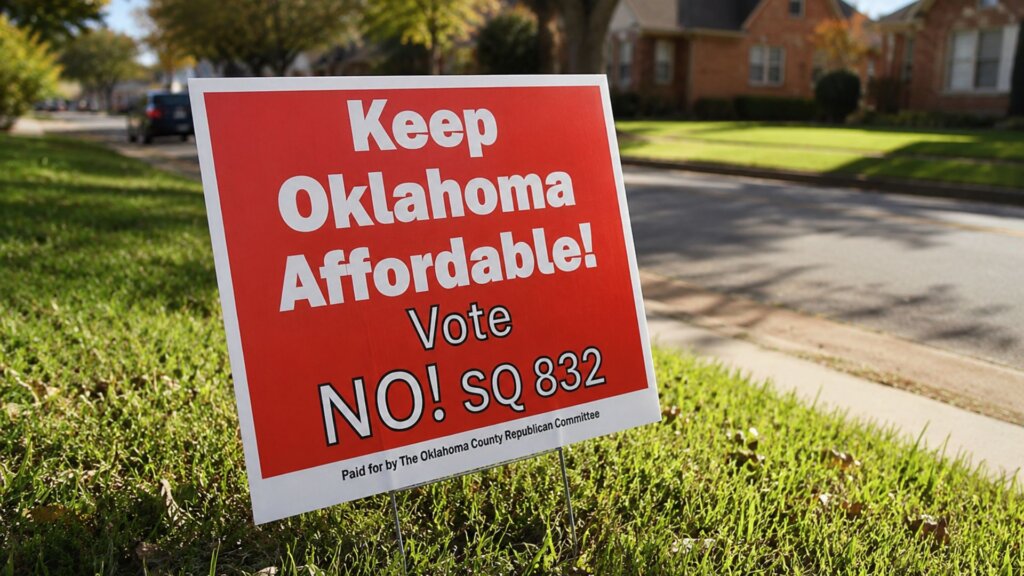
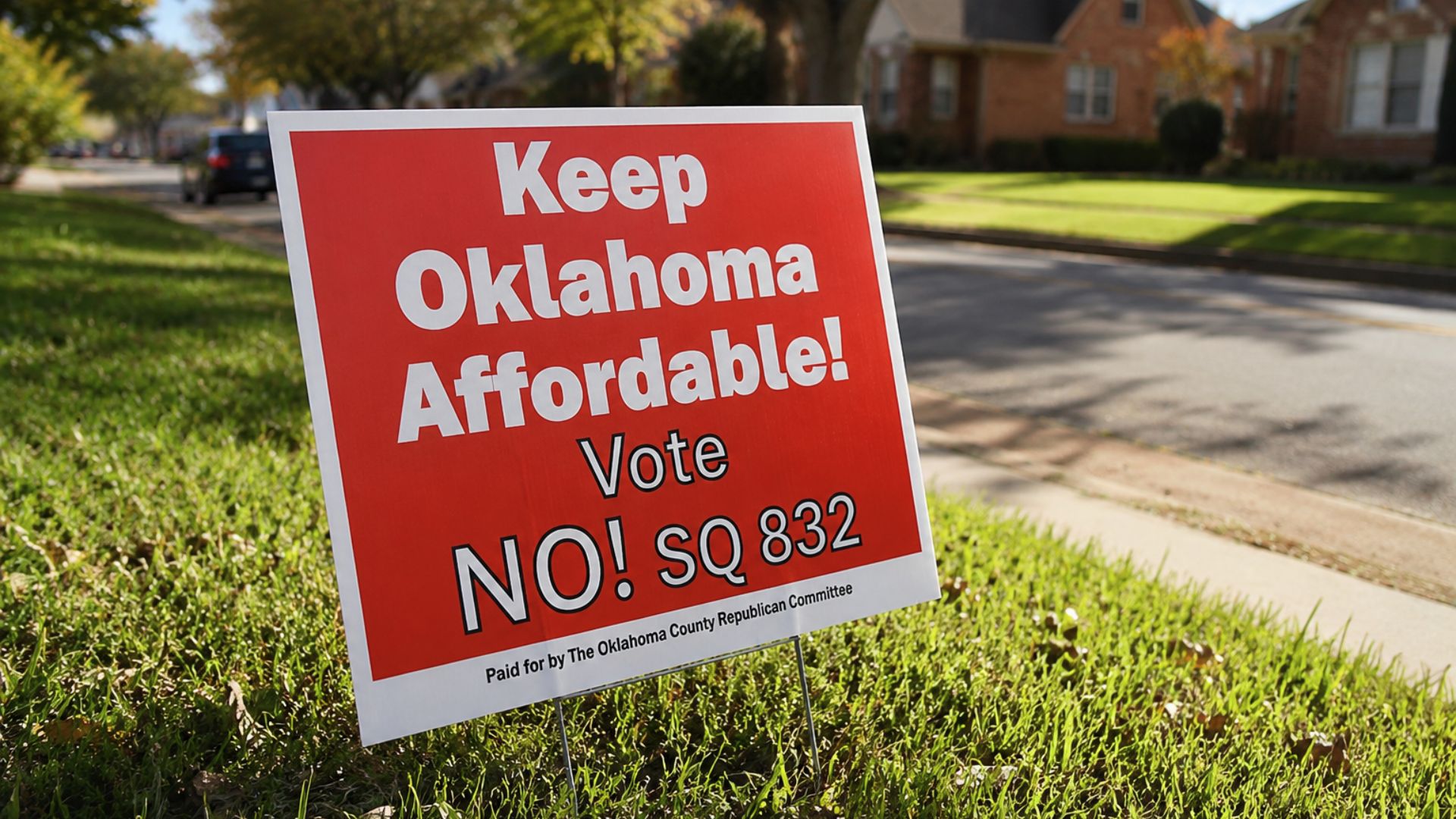
Oklahoma workers will keep earning $7.25 an hour, the same rate they have been paid since 2009. On June 16, voters defeated State Question 832, a citizen-led ballot initiative that would have more than doubled the state’s minimum wage to $15 per hour by 2029. The measure also tied to this rate automatic annual increases beyond 2030 based on the national Consumer Price Index, with no further vote required from lawmakers.
Supporters of the initiative gathered 157,287 verified signatures, well over the 92,000 required to place the question before voters. They argued that stagnant wages had left working Oklahomans unable to keep up with rising costs of groceries, housing, and energy. Opponents, led by the Oklahoma State Chamber of Commerce, warned that forcing businesses to pay more would accelerate price increases for consumers already strained by recent inflation.
Final results showed “no” votes at 57% and “yes” votes at 43%. The margin was decisive, and it landed in a low-turnout primary election rather than a November general election, a detail that supporters would not let go without a fight. The night was over almost as soon as it began, but the conflict underneath it was far from settled.
This article was created with the assistance of AI and reviewed by our editorial team for accuracy and clarity.
Gov. Stitt’s Two-Year Delay Put the Wage Vote on a Ballot Built for Defeat
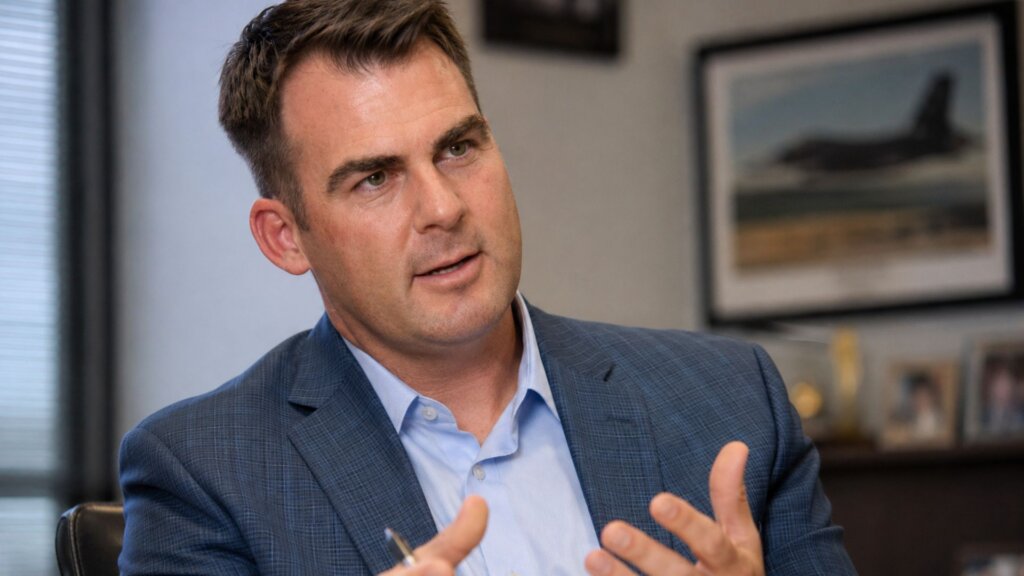
The road to Tuesday’s vote began well before Election Day. Volunteers started collecting signatures in April 2024 and, after the Oklahoma Secretary of State verified the signatures in September 2024, Governor Kevin Stitt scheduled the election for June 16, 2026, pushing the vote nearly two years past when supporters had planned to place it before a larger pool of general-election voters. That decision reshaped everything that followed.
The delay also created confusion at the ballot itself. The measure’s language reflected the original 2024 timeline, stating the wage would rise to at least $9 “beginning in 2025,” a date already in the past by election day. Had voters approved it, the first actual increase would have jumped to $12 per hour in 2027 to align with the measure’s schedule. Voters were reading a ballot that described a raise that was already overdue before a single vote was cast.
Amber England, spokesperson for Raise the Wage Oklahoma, said the outcome reflected a structural problem, not public opinion. “This was put on a ballot designed for us to fail,” she said. She pointed to the timing and low voter participation as factors that skewed the result. The State Chamber of Oklahoma had fought to keep the measure off the ballot entirely and had been preparing its opposition long before signatures were ever counted.
74 of 77 Oklahoma Counties Voted No, but Cities Told a Different Story
The geographic split in the results was stark. Voters in 74 of Oklahoma’s 77 counties opposed SQ 832, with some rural counties registering more than 80% opposition. The only three counties where the measure drew majority support were Oklahoma, Tulsa, and Cleveland counties, which contain the cores of Oklahoma City and Tulsa. The divide between urban and rural Oklahoma on this question could not have been drawn more clearly.
Critics of SQ 832 argued that the measure would have effectively tied Oklahoma’s wage mandate to cost-of-living indexes driven by large urban centers like New York City or San Francisco, where expenses far exceed what Oklahomans, particularly those in rural communities, actually pay. Business groups warned that under this formula, the minimum wage could eventually reach levels that bore no relationship to local economic conditions.
An analysis by the State Chamber of Oklahoma and the Oklahoma Farm Bureau projected that the escalation mechanism would put Oklahoma’s minimum wage on a path toward $35.61 per hour and continuing beyond that. Supporters rejected that framing as alarmist, insisting the CPI-linked increases would remain modest in practice. The two sides were not just arguing about a number but about who gets to define what a fair wage means in a state where affordability is both a selling point and a floor.
Oklahoma Keeps the Lowest Minimum Wage in the Country, but the Argument Isn’t Over
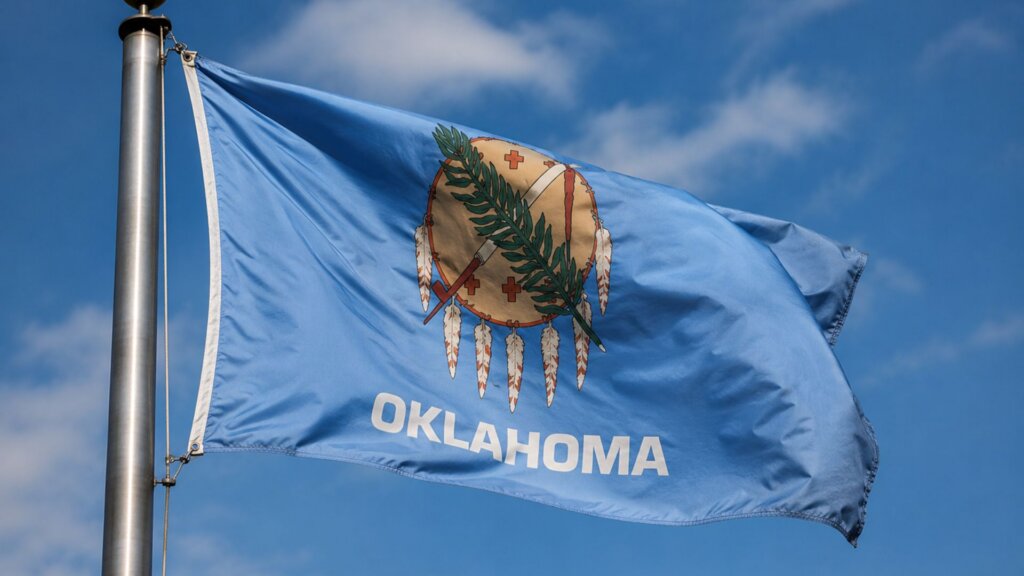
The defeat placed Oklahoma in increasingly rare national company. Since 2016, twelve statewide minimum wage measures have been submitted to voters across the United States. Only one had failed before Tuesday’s vote, and that one lost by less than two percentage points. Oklahoma’s 14-point rejection made it an outlier in a national trend that has broadly favored wage increases at the ballot box.
Thirty states and the District of Columbia now set minimum wages above $7.25 per hour. Washington, D.C. leads at $17.95 an hour, followed by Washington state at $17.13. Oklahoma remains tied to the federal floor, which has not moved since 2009. England did not concede the larger fight. “If you work hard, you should earn a decent living,” she said at the election night watch party. “You can’t put this conversation back in a box.”
Chad Warmington, president and CEO of the State Chamber, credited the market rather than the mandate. “The reality is wages in Oklahoma are already being driven up by a strong labor market, not government mandates,” he said. That argument carried the night. But Oklahoma’s minimum wage has now gone 17 years without an increase, and the 157,000 people who signed the petition to force a vote are still there, still working, still earning $7.25.