


Products are selected by our editors, we may earn commission from links on this page.

The phone call sounds ordinary at first. A calm, professional voice claims to be from Walmart’s fraud department, warning about a suspicious $919 PlayStation 5 purchase. The tone is reassuring, the concern believable. For many shoppers, that brief moment of panic is enough. Before they realize anything is wrong, the call has already pulled them into a carefully engineered trap.
This is not a sloppy robocall or an obvious phishing attempt. It is an AI-powered scam designed to feel routine and urgent at the same time. The voice does not rush. It does not threaten. It simply asks the listener to “verify” details to cancel the charge, exploiting trust in one of America’s most familiar retailers.
As AI technology becomes cheaper and more realistic, scammers are moving beyond emails and texts. They are now using cloned voices and recognizable brands to target people in places they feel safe, like everyday shopping accounts. And Walmart shoppers are discovering they are right in the crosshairs.
How the ‘Carl’ Robocall Hooks Victims
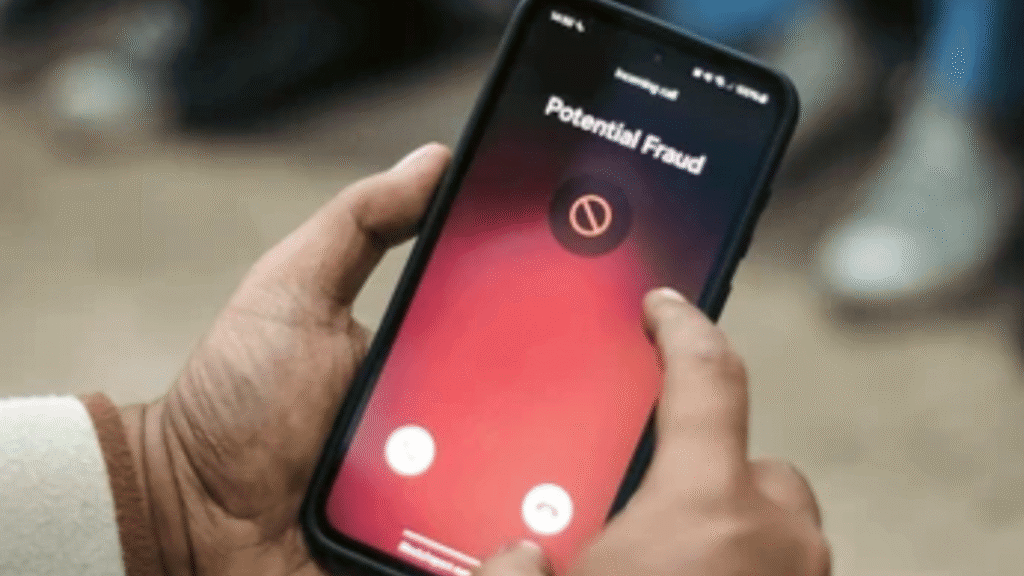
Many reports describe an automated voice that introduces itself as a Walmart representative, sometimes calling itself “Carl.” The script mentions a specific order, usually a PlayStation 5 bundled with a Pulse 3D headset, and cites a total around $919. Those details are deliberate, meant to sound like a real online purchase rather than a vague fraud alert.
Once the shopper stays on the line, the call shifts from warning to action. The AI voice politely walks through steps to cancel the order, asking for confirmation of name, address, and payment details. That is the turning point. What feels like routine verification is actually the moment personal and financial information is harvested.
Consumer advocates warn that victims often do not see the damage immediately. Stolen details can later be used to open new credit lines, drain bank accounts, or commit further identity fraud. Because the call feels legitimate, many people do not realize they have been scammed until long after the call ends.
Why Walmart Is the Perfect Cover

Scammers are not choosing Walmart by accident. With millions of Americans holding Walmart accounts and shopping there regularly, the brand feels universally plausible. A call claiming to be from a store people visit weekly is far more likely to be trusted than one from an unfamiliar company.
Regulators say the scale of the scam is massive. Reports suggest millions of Walmart customers have been targeted by impersonation robocalls using AI voices. Some estimates indicate hundreds of thousands of people are reached each week, showing how aggressively these calls are being deployed nationwide.
The fake charge itself is also carefully chosen. A PlayStation 5 is expensive but common enough to feel realistic. It is something shoppers recognize from ads and store displays, which makes the sudden charge believable across age groups, from parents to younger gamers.
Why This Scam Is Harder to Spot and What Comes Next

What makes this scam especially dangerous is how natural it sounds. AI voices do not stumble, get angry, or contradict themselves. They remain calm and consistent, mimicking real customer service interactions. That professionalism overrides instincts that might otherwise trigger suspicion.
Experts warn this is likely only the beginning. As voice cloning improves, scammers can impersonate banks, delivery services, and healthcare providers with increasing realism. Any company with a massive customer base becomes a potential mask for fraud, especially when fear or urgency is involved.
For shoppers, the takeaway is unsettling but simple. Real companies do not call asking for full card details to cancel orders. As AI scams grow more convincing, skepticism may be the last reliable defense. When a call feels routine but demands sensitive information, hanging up may be the smartest move.