

Products are selected by our editors, we may earn commission from links on this page.
Archaeologists excavating a Neolithic farming village near Eilsleben, Germany, about 60 miles east of Hannover, uncovered evidence of an unexpected relationship between early farmers and hunter-gatherers. The site, established around 7,500 years ago, shows fortifications suggesting conflict, sitting alongside Mesolithic artifacts indicating cultural exchange. According to Laura Dietrich, an archaeologist at Martin Luther University Halle-Wittenberg, the settlement was “kind of an outpost” for Europe’s first farmers.
The villagers belonged to the Linear Pottery culture, or LBK, named for their distinctive ceramics. These Neolithic farmers migrated from Anatolia and the Aegean region into Central Europe, bringing agricultural practices with them. Recent geomagnetic analysis revealed the Eilsleben settlement covered almost 20 acres and may have been the region’s largest community at that time. The site, discovered in the 1970s, contains houses and cultural materials from these earliest farming generations.
What makes this site remarkable is the presence of distinctly Mesolithic objects among Neolithic remains. “It also has a lot of Mesolithic artifacts,” Dietrich told Live Science, indicating that newcomers interacted with hunter-gatherers who already inhabited the region. The discovery challenges assumptions about how these two groups coexisted, suggesting relationships were far more complex than simple displacement or avoidance. The village appears to have been a place of active cultural exchange.
The Deer Skull Headdress Represents a Cultural Practice Spanning Thousands of Years
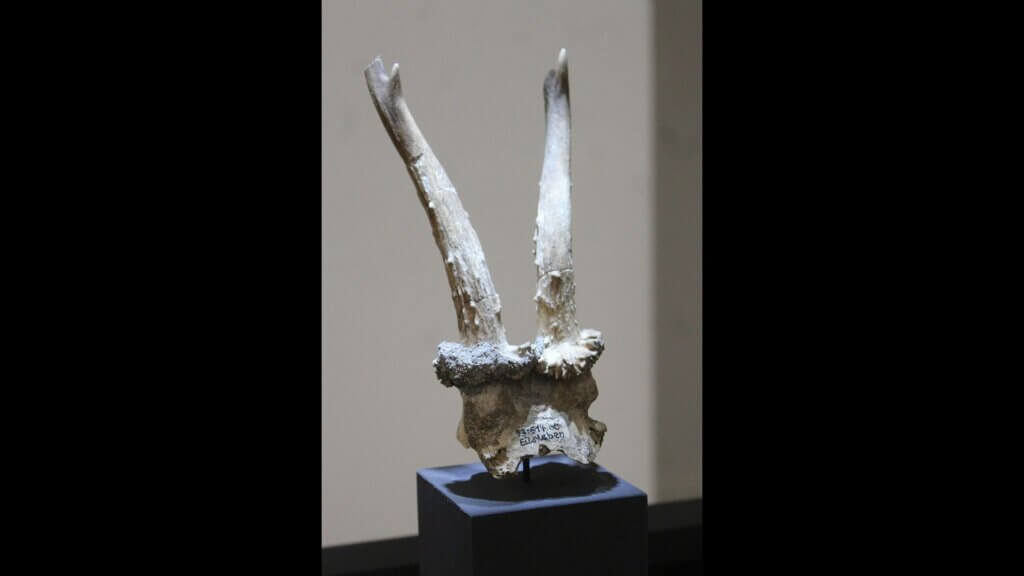
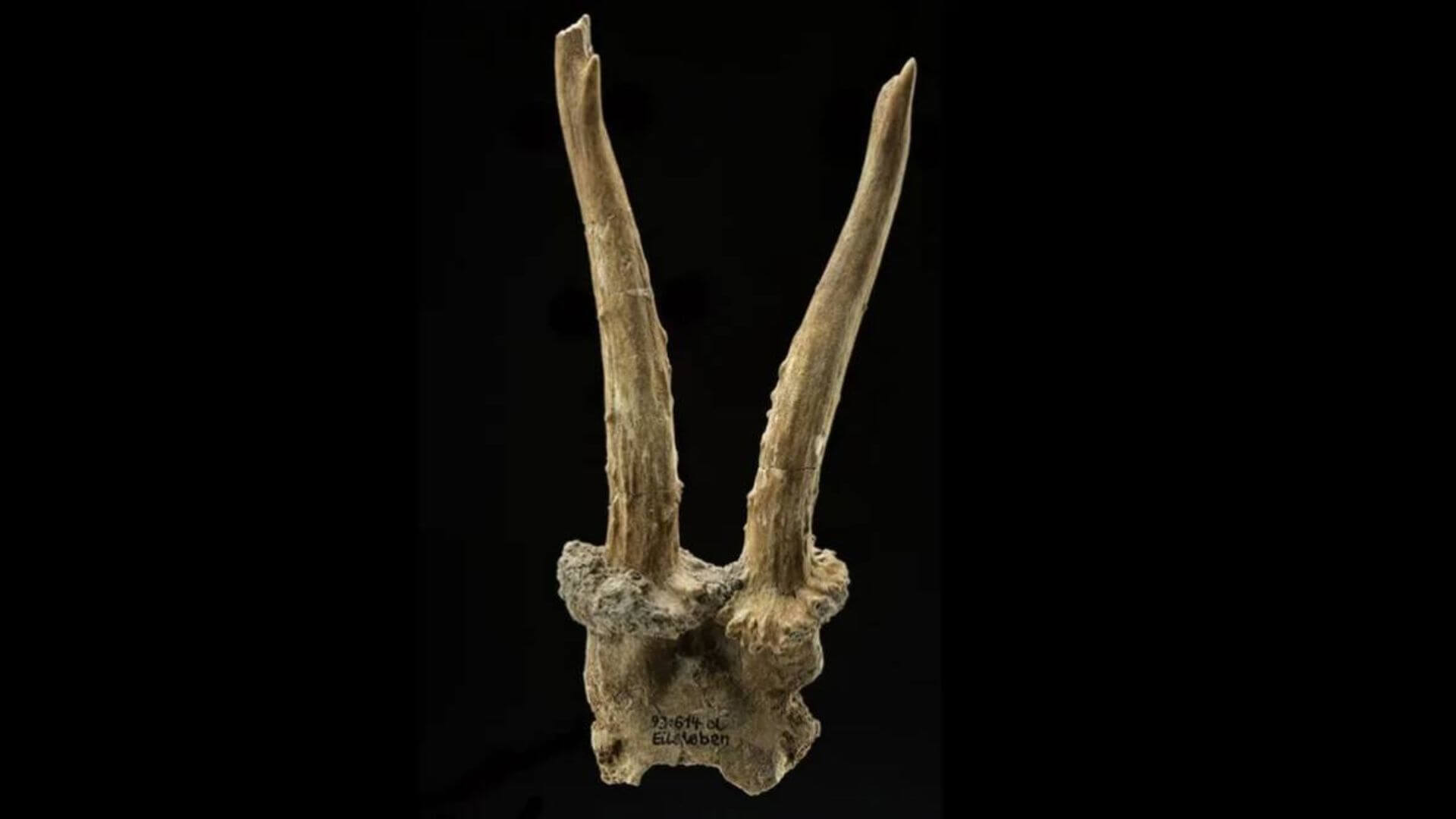
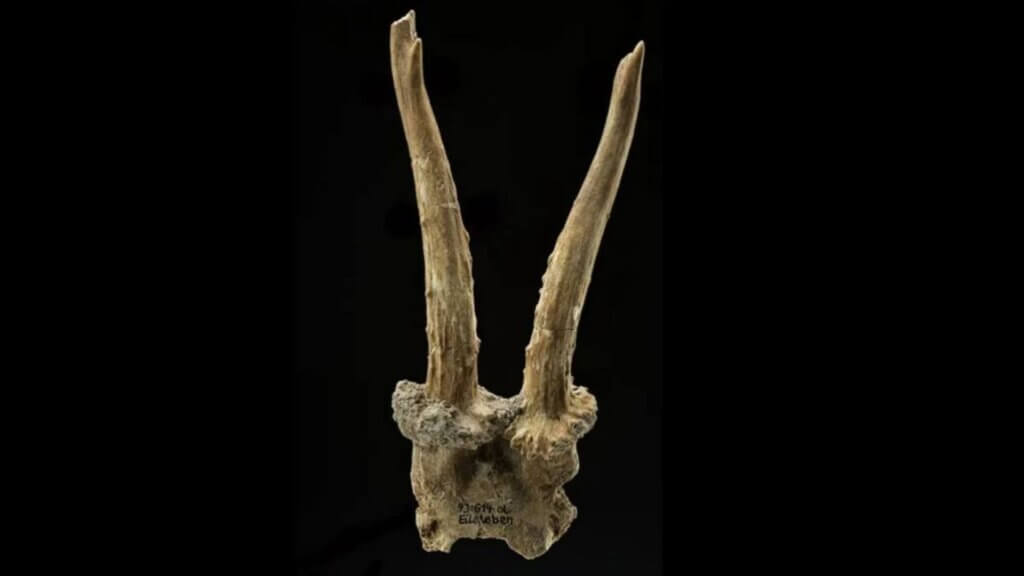
The most striking find is a headdress crafted from an adult roe deer skull and antlers. Researchers documented the discovery in the January issue of the journal Antiquity, noting it’s distinctly Mesolithic rather than Neolithic in origin. Similar deer skull headdresses have been found at hunter-gatherer sites dating back 11,000 years, including more than 30 unearthed at the Star Carr site in northern England, indicating this was an established cultural practice.
The headdress likely held symbolic significance for Mesolithic communities across Europe. Its presence at a Neolithic farming settlement raises questions about how it arrived there. The artifact suggests direct transfer from hunter-gatherers to farmers or adoption of their cultural practices. Dietrich describes the site as a place where exchange involved “not only material artifacts, but also symbolic meanings,” indicating deeper cultural connections than previously understood.
Beyond the headdress, excavations revealed tools made from antlers and antler flakes throughout the settlement. This material wasn’t typically used by LBK farmers, whose tool-making traditions differed from Mesolithic practices. However, evidence suggests the Neolithic villagers manufactured these antler tools themselves after adopting techniques from hunter-gatherers. The headdress and antler tools represent a technology transfer between the two groups, showing practical knowledge sharing alongside symbolic exchange.
Fortifications Complicate the Picture of Peaceful Coexistence
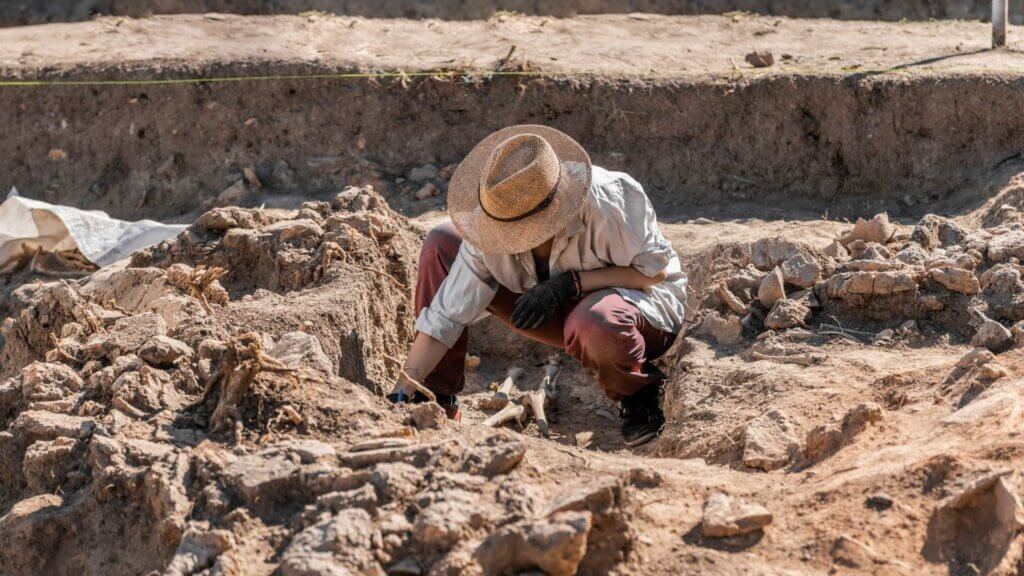
The village wasn’t simply a peaceful meeting ground. Remains of ramparts and ditches indicate the settlement was fortified against potential attacks, though archaeologists aren’t certain who posed the threat. “This was a paradoxical relationship,” Dietrich explained. The fortifications send a territorial message, yet Mesolithic elements throughout the site suggest ongoing contact. This contradiction shows how complex interactions were between established residents and agricultural newcomers spreading across Europe.
Genetic evidence adds another layer to understanding these relationships. Genetic studies found minimal interbreeding between Neolithic farmers and Mesolithic hunter-gatherers, suggesting limited intimate contact despite cultural exchange. Modern European ancestry traces primarily to three groups: Mesolithic hunter-gatherers from 14,000 years ago, Neolithic farmers from the Aegean and Anatolia, and later Bronze Age Yamnaya people from the Pontic-Caspian steppe. The LBK farmers introduced farming to Europe, a technology adopted by subsequent populations.
The Eilsleben site represents a frontier zone where different ways of life collided and merged. While Neolithic farmers brought agricultural practices that transformed Europe, they also absorbed knowledge from people who had inhabited these lands for millennia. The stone tools recovered show typical Neolithic craftsmanship, but antler-working techniques reveal hunter-gatherer influence. This selective adoption suggests farmers recognized valuable skills possessed by communities they encountered, despite maintaining defensive boundaries.
The Discovery Shows Relationships Between Groups Were Far More Complex
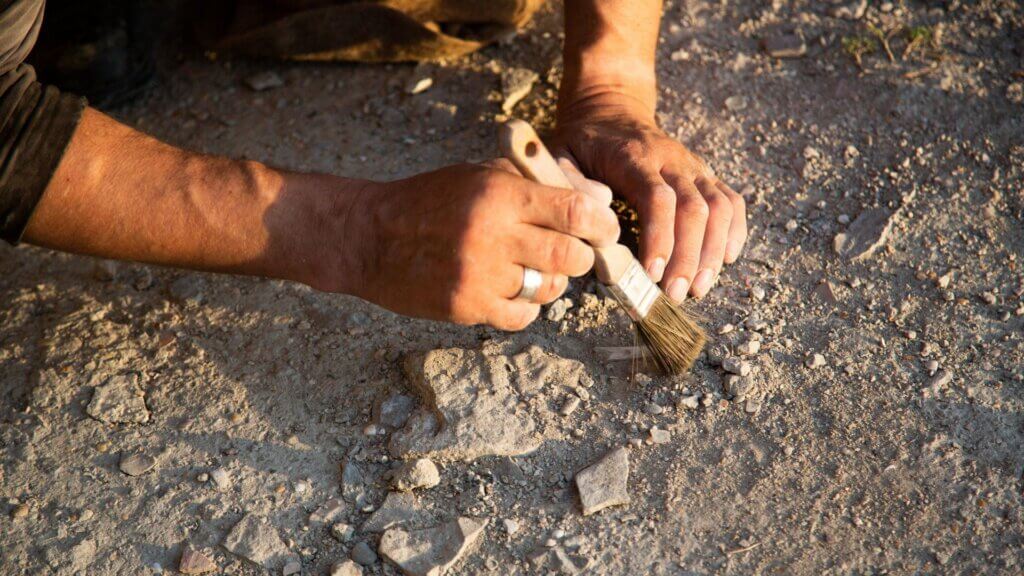
The combination of Mesolithic and Neolithic materials at Eilsleben challenges stories of simple replacement, where advancing farmers displaced existing populations. Instead, the archaeological evidence shows negotiation, adaptation, and selective cultural borrowing. The deer skull headdress, antler tools, and fortifications together paint a picture of communities maintaining distinct identities while engaging in practical and symbolic exchange across boundaries that remained permeable.
Dietrich emphasizes that researchers are only beginning to understand these interactions. “It may be that the relationships between the early farmers and the hunter-gatherers were very complex,” she noted. The Eilsleben evidence suggests multiple interaction modes occurred simultaneously: material exchanges, knowledge transfer, and possible conflict. This complexity likely varied by region and time period, making simple explanations insufficient to describe how agricultural societies spread across Europe 7,500 years ago.
Future excavations and analysis may reveal whether Eilsleben represents a unique case or a common pattern hidden by gaps in the archaeological record. The site demonstrates that even fortified farming communities didn’t exist in isolation from surrounding populations. As researchers continue studying Neolithic settlements across Central Europe, they’re uncovering evidence that the transition to agriculture involved far more cultural exchange than previously assumed, reshaping understanding of this pivotal period.