


Products are selected by our editors, we may earn commission from links on this page.

Could we truly be the only living beings in a galaxy containing billions of stars? For decades, the mystery of extraterrestrial life has fueled both scientific research and Hollywood blockbusters. While the night sky remains quiet, one of the most respected figures in space exploration has a provocative take on the matter. He believes that aliens are almost certainly out there, yet he insists they have never actually set foot on our home planet.
A Voice of Scientific Authority

Dr. Gentry Lee is not a conspiracy theorist or a casual observer of the stars. Since 1968, he has been a cornerstone of NASA missions, contributing to the Viking mission to Mars and the design of the Curiosity rover. As a chief engineer at the Jet Propulsion Laboratory, Lee has spent over half a century sending machines into the void. His deep expertise provides a grounded, factual perspective on why space remains so seemingly empty.
The Statistical Certainty of Aliens
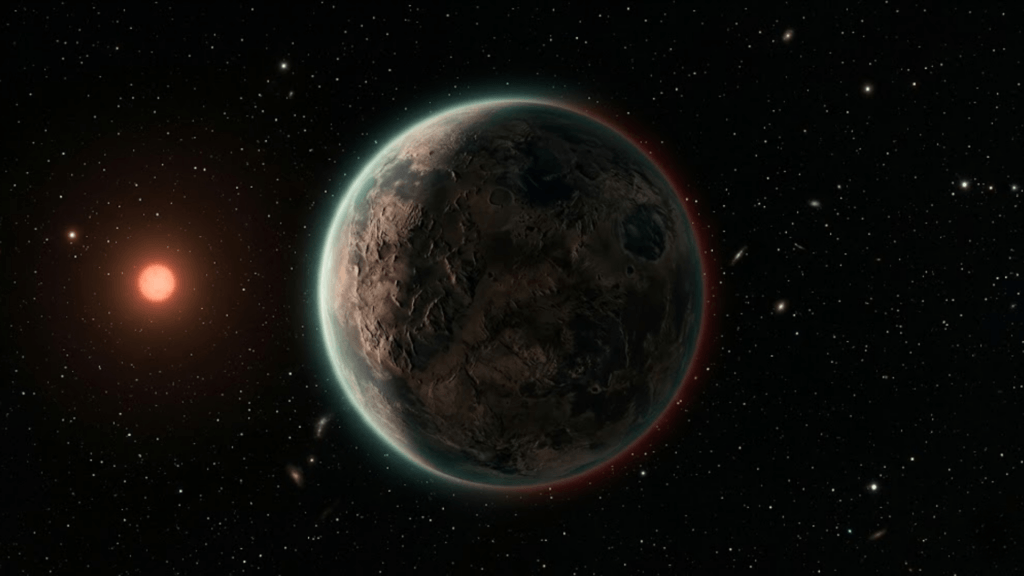
Why is Lee so confident that life exists elsewhere? The answer lies in the sheer scale of the cosmos. Data from the Kepler space telescope suggests that our galaxy alone could host approximately one trillion planets. With such a massive number of worlds, the mathematical probability of life forming somewhere else is extremely high. According to Lee, the universe is simply too big for Earth to be a unique biological fluke in a vast vacuum.
No Evidence of Earthly Visitors

Despite his belief in extraterrestrial life, Lee remains a firm skeptic regarding UFO sightings and alien encounters. He stated at a recent scientific conference that there is zero evidence to indicate alien vehicles have ever landed on Earth. He suggests that those who believe aliens are already among us are likely deluding themselves. In almost every case of a mysterious sighting, a simpler, human explanation usually exists once the facts are analyzed.
The Reality of Interstellar Travel
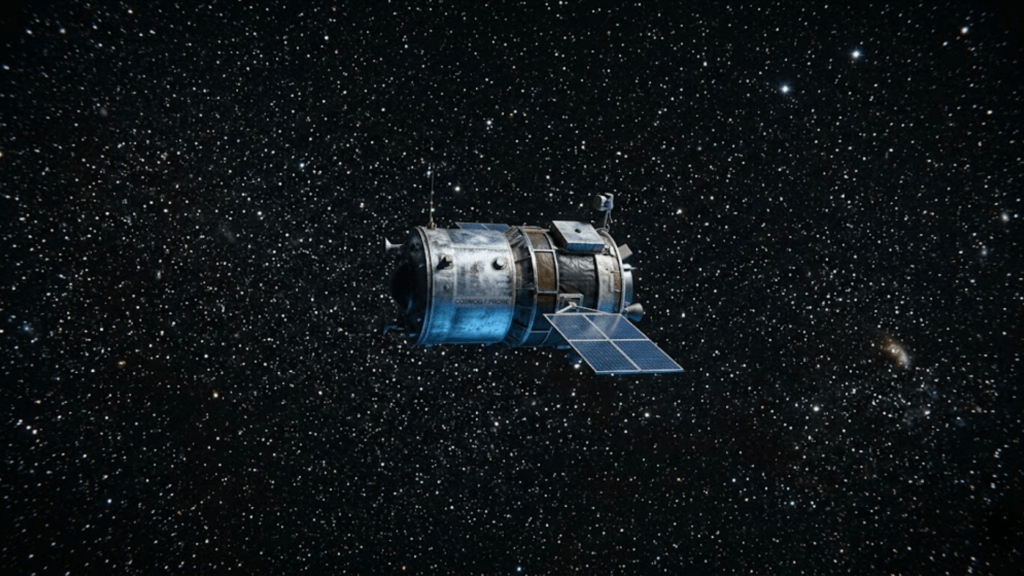
The primary reason for the lack of visitors is the daunting scale of space itself. While movies make traveling between stars look easy, the physical reality is much more difficult. Even the closest star systems are many light years away. Traveling those distances would take thousands of years using our current technological capabilities. This immense physical barrier makes a casual visit from a neighboring civilization highly unlikely, even if they possess advanced propulsion systems.
Prime Candidates for Life

If life is out there, where exactly is it hiding? Scientists point toward Earth-like worlds in habitable zones, such as TRAPPIST-1e, which is roughly forty light years away. Another fascinating candidate is K2-18b, a massive ocean world that might be teeming with biological activity. Even within our own solar system, moons like Enceladus and Titan offer promising conditions. These locations represent our best chances for finding organisms that do not share our DNA.
Biology Beyond Our Imagination
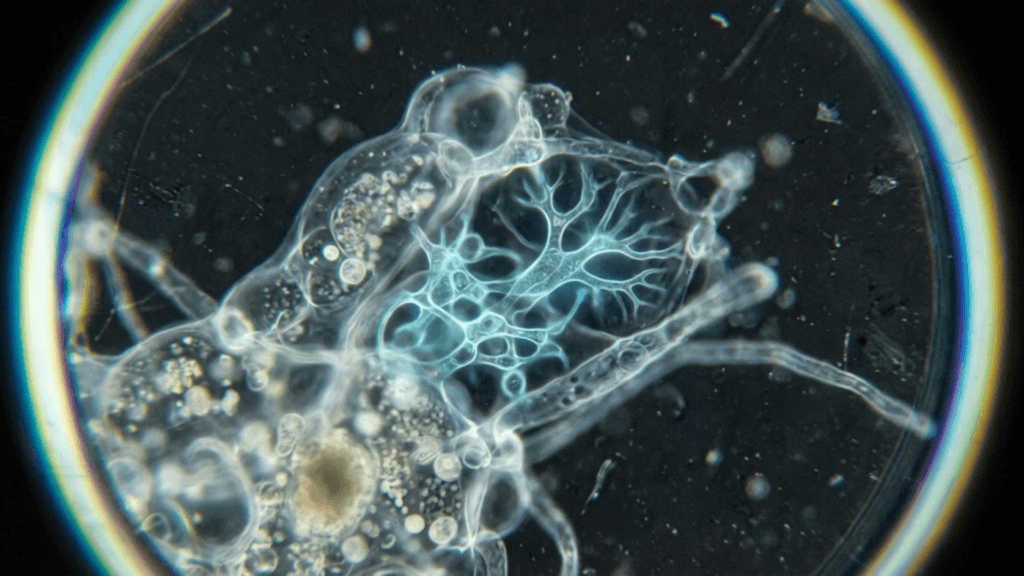
We often imagine aliens as humanoid figures, but science suggests they might be unrecognizable. Dr. Lee points out that all life on Earth, from bacteria to blue whales, relies on the same DNA molecule to reproduce. To an alien observer, our entire planet might seem boringly uniform. If we ever do encounter extraterrestrial life, it may function on a chemical level so different from our own that we might not initially recognize it as alive.
Distinguishing Fact from Fiction

Popular culture often blurs the lines between science and imagination, creating expectations that real research cannot meet. Lee emphasizes that many unexplained phenomena reported by the public are actually linked to secret military programs or natural atmospheric events rather than visitors from another galaxy. By separating the thrill of science fiction from the rigor of data, researchers can focus on the slow, methodical work of finding genuine proof of life in the cosmos.
The Quest for Microscopic Proof
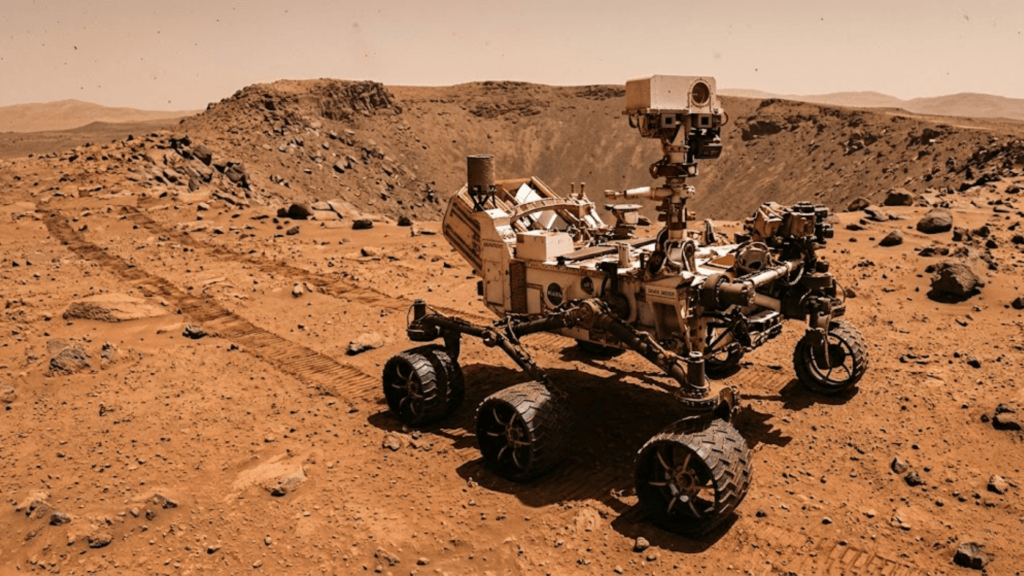
The search for life does not always involve looking for green men in spaceships. Many current NASA missions focus on finding microscopic evidence of past or present life on Mars or icy moons. Finding even a single alien microbe would be a revolutionary event, proving that biology is a universal phenomenon. Every rover landing and satellite image brings us closer to that definitive moment when we can finally say we are not alone.
A New Perspective on Humanity
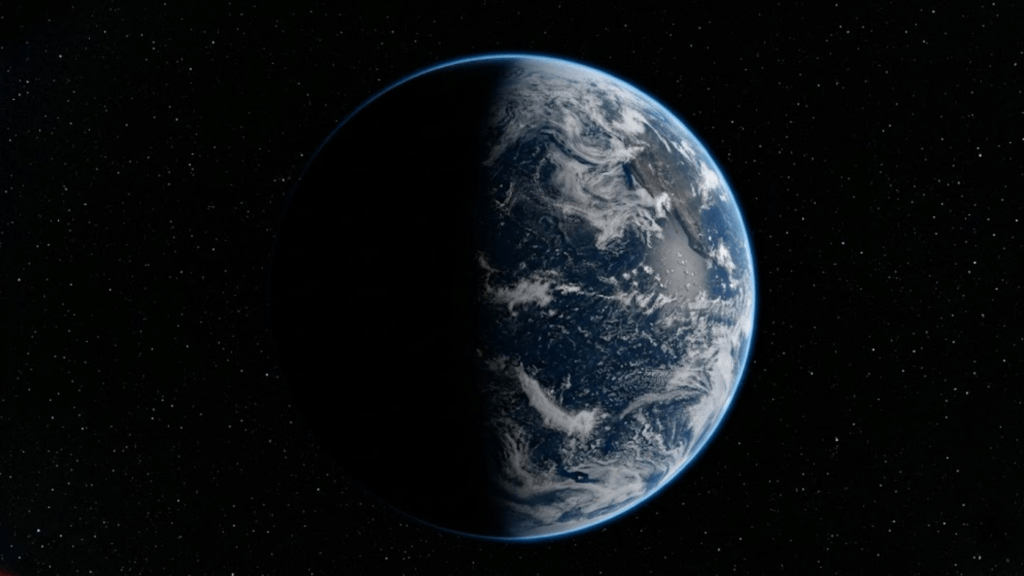
Confirming the existence of alien life would fundamentally shift our understanding of our place in the universe. It would challenge our philosophies, our religions, and our scientific models. While we wait for that first official contact, we are forced to look inward and appreciate the rarity of our own existence. Will we find our neighbors in the next decade, or is the silence of the stars a sign of how precious life truly is?