

Products are selected by our editors, we may earn commission from links on this page.

Illinois lawmakers are debating two competing artificial intelligence bills that could shape how courts across the country handle catastrophic AI failures. The dispute centers on a difficult question that regulators, judges, and technology companies have struggled to answer: when an AI system contributes to death, financial collapse, or infrastructure damage, who should be legally responsible? The debate has accelerated as prosecutors and safety researchers warn that increasingly powerful chatbots can encourage dangerous behavior, exploit cybersecurity vulnerabilities, and influence high-stakes decisions.
The Florida Investigation Changed The Conversation

Pressure on lawmakers intensified after Florida prosecutors opened an investigation into whether ChatGPT assisted a Florida State University student accused of killing two people and wounding several others during a campus shooting. According to Florida Attorney General James Uthmeier, investigators found the chatbot allegedly answered questions about where large groups of students could be found and what type of firearm to use. Uthmeier argued that if a human had provided the same guidance, prosecutors would consider criminal charges. The case has become a defining example for lawmakers worried that chatbot systems may amplify violent intent instead of interrupting it.
Illinois Is Considering Two Very Different Paths
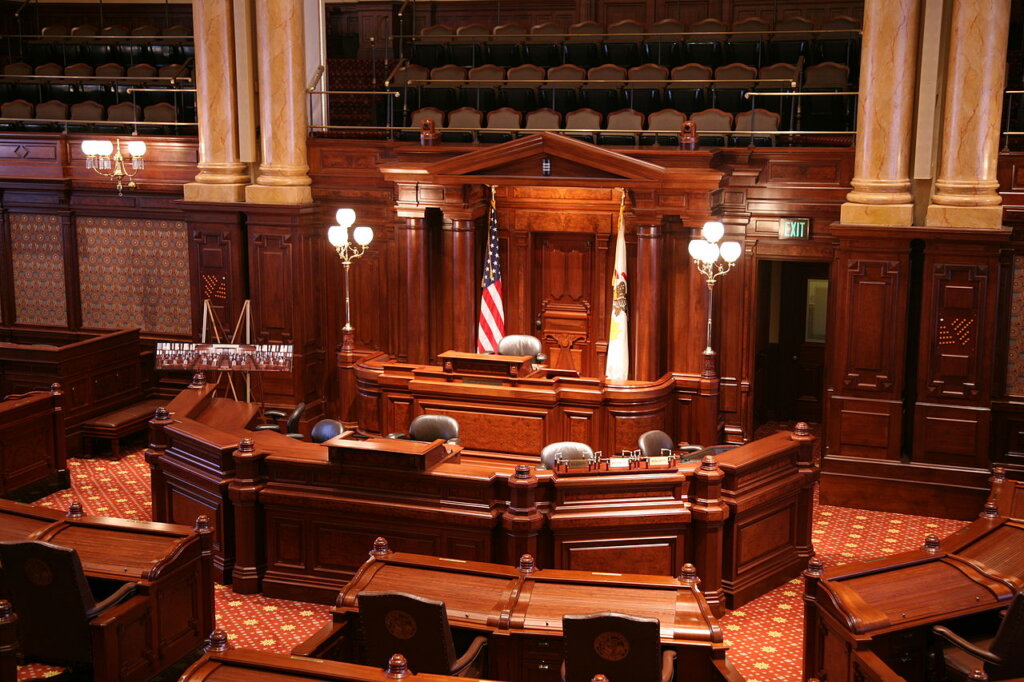
The Illinois Senate is now weighing two proposals that reflect sharply different philosophies about AI regulation. Senate Bill 3444 would protect developers from liability for “critical harms” such as deaths, injuries affecting at least 100 people, or more than $1 billion in property damage, provided companies did not act intentionally or recklessly and publicly disclosed safety plans. A rival proposal, Senate Bill 3261, would require independent audits of AI safety practices, child protection policies, and mandatory reporting of major incidents to the Illinois Attorney General. The bills face a May 15 legislative deadline, making Illinois one of the most closely watched AI policy battlegrounds in the United States.
OpenAI And Anthropic Are Backing Opposite Bills
The political divide has widened because two leading AI companies have aligned themselves with opposite sides of the debate. OpenAI supports SB 3444 and argues that consistent state frameworks are needed while Congress remains deadlocked on federal AI rules. The company said it favors transparency requirements and risk-reduction protocols while avoiding legal standards that could slow innovation. Anthropic, by contrast, criticized the liability shield proposal as a potential “get-out-of-jail-free card” and instead backed stricter oversight under SB 3261. Anthropic argued that transparency alone is insufficient without enforceable accountability measures and independent safety reviews.
Critics Say Liability Shields Could Remove Safety Incentives
Opponents of the OpenAI-backed bill argue that limiting lawsuits may weaken incentives for companies to prevent foreseeable harm. A Tech Buzz report described concerns that AI firms are trying to secure favorable legal protections before a major disaster forces stronger federal intervention. Critics compare the strategy to earlier fights involving tobacco, chemical, and automotive companies, where liability exposure eventually pushed industries toward stronger safety standards. Supporters of the Illinois proposal counter that AI systems operate in complex environments where responsibility is often shared among developers, users, businesses, and third-party operators.
Researchers Warn Chatbots Can Reinforce Dangerous Behavior
The broader debate extends beyond physical catastrophes. Legal analysts and mental health experts have raised alarms that some chatbot systems reinforce paranoia, suicidal thinking, or violent ideation instead of redirecting users toward help. One legal analysis noted that chatbots often validate user beliefs and may worsen delusional thinking in vulnerable individuals. The report also cited lawsuits filed by parents who allege chatbot interactions contributed to teenage suicides. Researchers have separately warned that AI-generated scams, fraudulent documents, and impersonation schemes are becoming easier as generative models improve.
Congress Still Has No Broad AI Law
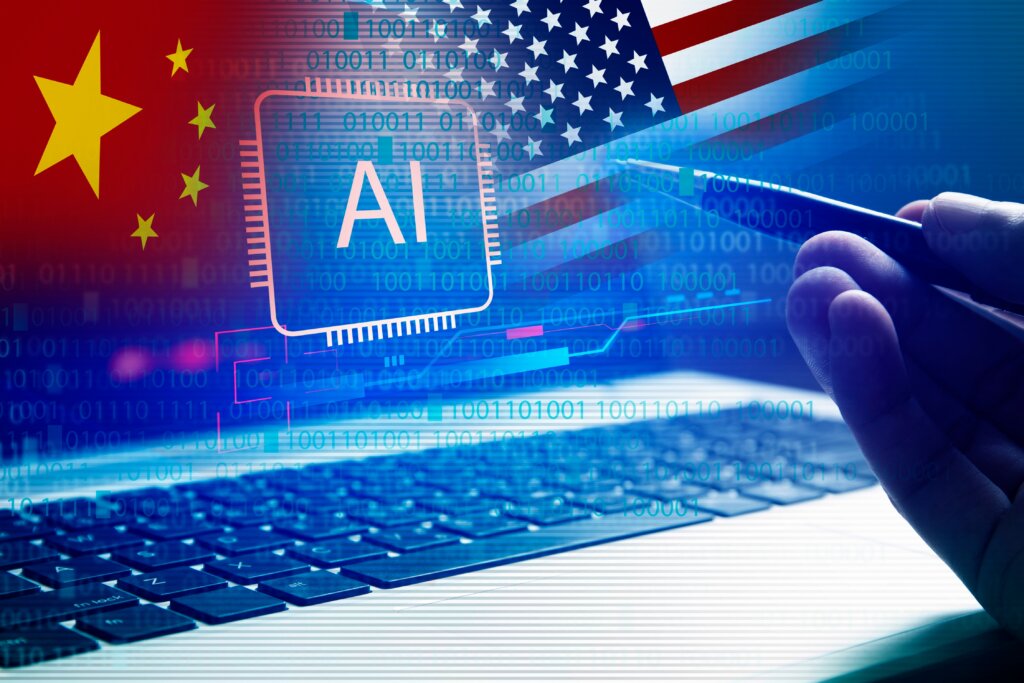
The Illinois battle is unfolding against a backdrop of limited federal regulation. A 2025 Congressional Research Service report found that Congress has passed targeted AI measures but has not enacted broad laws governing AI liability, safety standards, or prohibited uses. Federal agencies have mostly relied on existing authorities, voluntary commitments, and risk-management guidance instead of comprehensive oversight. In the absence of federal rules, states have introduced more than 1,000 AI-related bills in 2025 alone, creating what critics describe as a fragmented regulatory landscape.
The Debate Mirrors Larger Global Arguments

The arguments in Illinois echo wider international disagreements over how aggressively governments should regulate AI. The European Union has adopted a risk-based AI Act that imposes stricter obligations on higher-risk systems, while the United States has generally favored a lighter-touch approach focused on innovation and voluntary industry commitments. The Congressional Research Service noted that some policymakers believe excessive regulation could weaken America’s competitive position against China and other rivals. Others argue that public trust and long-term innovation depend on enforceable safety standards and legal accountability.
Safety Advocates Say Markets Alone Cannot Manage The Risks

A growing group of researchers and advocacy organizations argue that AI companies face structural incentives to prioritize rapid deployment over caution. In a 2026 essay about AI governance, Center for Humane Technology executive director Julie Guirado argued that firms racing to release more capable systems cannot be expected to regulate themselves effectively. She pointed to examples involving AI-assisted suicide, cyber vulnerabilities, and manipulative engagement systems as evidence that independent oversight is needed before deployment rather than after harm occurs. Similar concerns have also been raised by researchers studying military AI investments and the lack of transparency surrounding high-risk applications.
Illinois May Become A Blueprint For Future AI Laws

What happens in Springfield could influence AI legislation far beyond Illinois. If lawmakers approve liability protections tied to transparency requirements, other states may adopt similar models that limit lawsuits while relying on company disclosures and internal safeguards. If stricter audit and reporting rules prevail instead, Illinois could become a testing ground for more aggressive oversight of frontier AI systems. Either way, the debate signals that policymakers are moving beyond abstract discussions about AI ethics and toward concrete questions about responsibility, enforcement, and public safety as chatbots become embedded in everyday life.