


Products are selected by our editors, we may earn commission from links on this page.

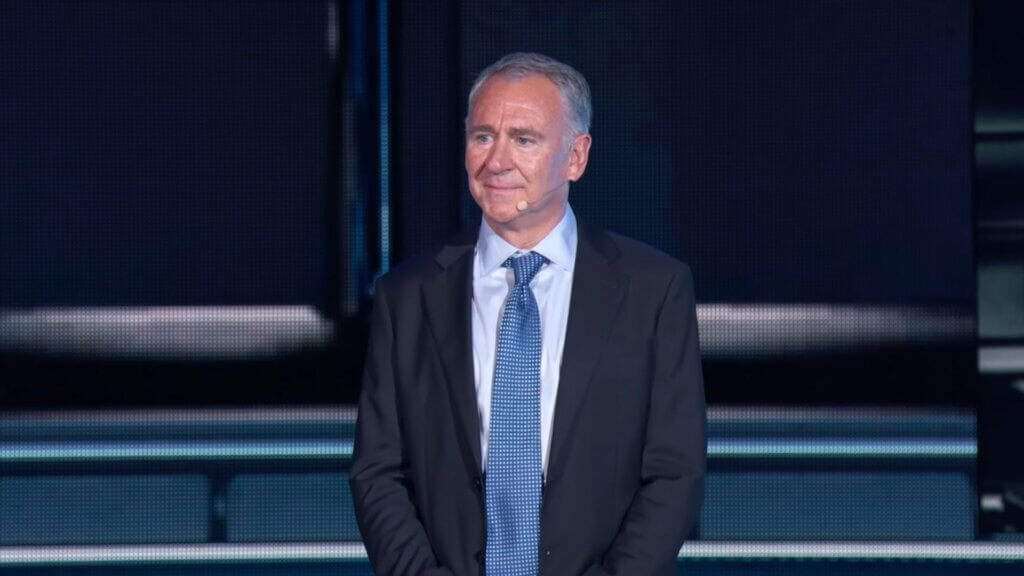
Hedge fund billionaire Ken Griffin didn’t mince words when asked about the growing appeal of socialist ideas in the United States. Speaking at an investment conference in Oslo, he posed a pointed question: why do Americans believe socialism could work in a country with a deeply rooted capitalist tradition?
Griffin, the founder and CEO of Citadel, argued that the U.S. lacks the cultural and structural foundation for such a system. He warned that attempts to adopt socialist-style policies could lead to unintended consequences, suggesting the country would “screw it up” rather than successfully implement them.
His remarks came at a moment when economic inequality and cost-of-living pressures are pushing more Americans to reconsider alternative economic models. While Griffin’s comments reflect a long-standing skepticism among business leaders, they also highlight a widening ideological divide in public discourse.
The Political Flashpoint Behind the Comments

Griffin’s criticism didn’t emerge in a vacuum. His remarks followed a public clash with New York City Mayor Zohran Mamdani, a democratic socialist, over a proposed tax targeting ultra-wealthy property owners.
The so-called pied-à-terre tax would apply to second homes in New York City valued above $5 million. Supporters argue it could generate hundreds of millions in revenue to fund public services such as childcare and neighborhood improvements. Critics, including Griffin, see it as a policy that risks driving investment away.
The tension escalated when Mamdani highlighted Griffin’s $238 million Manhattan penthouse in a video promoting the tax. Griffin called the move a “personal attack” and questioned whether policymakers were prioritizing economic stability or political messaging.
Why Socialist Ideas Are Gaining Traction
Despite opposition from figures like Griffin, there is growing evidence that socialist-leaning policies are resonating with segments of the American public. Rising wealth inequality has become a central issue, with research showing that billionaires’ effective tax rates have declined in recent years.
Lawmakers such as Senator Bernie Sanders have pushed proposals like a wealth tax on billionaires, arguing that the current system disproportionately benefits the ultra-rich. Advocates say these measures are necessary to create a more equitable economy and fund essential services.
At the same time, international examples complicate the debate. Countries like Norway—where Griffin delivered his remarks—combine strong social safety nets with thriving capitalist economies. This hybrid approach, sometimes described as “cuddly capitalism,” is often cited by supporters of democratic socialism as proof that such systems can coexist with market growth.
Business Concerns and the Road Ahead
For business leaders, the concern is less about ideology and more about practical outcomes. Griffin has suggested that policies targeting wealth could discourage investment and economic development, particularly in major financial hubs like New York.
Citadel itself has signaled uncertainty about its future projects in the city, including a planned $6 billion development that could bring thousands of jobs. The company has indicated that policy changes, including new taxes, may influence its long-term commitments. Griffin is expected to meet with New York Governor Kathy Hochul to discuss the state’s economic direction, underscoring how high the stakes have become. As policymakers weigh revenue needs against business concerns, the broader question remains unresolved.
The debate over socialism in America is unlikely to fade soon. With economic pressures continuing to shape public opinion and political priorities, the conversation is evolving beyond theory into real-world policy decisions that could redefine the country’s economic path.