


Products are selected by our editors, we may earn commission from links on this page.

A 99 cent packet of taco seasoning became the centerpiece of an alleged retail fraud scheme that spanned months and multiple cities across Florida. Authorities say a Palm Beach County man used the small grocery item to mask thousands of dollars in stolen merchandise, turning a common self checkout routine into what investigators describe as organized retail theft.
On February 26, 2026, Florida Attorney General James Uthmeier announced the arrest of 39 year old Keith Wallis. Prosecutors allege Wallis carried out 75 thefts at Target stores between July 2025 and February 2026, stretching from Miami to Orlando. The case quickly drew attention because of the unusual method involved.
According to investigators, Wallis allegedly generated nearly $40,000 in revenue by reselling stolen trading cards online. If convicted on all charges, he faces up to 90 years in prison under Florida law.
How Taco Seasoning Packets Became Part of the Scheme

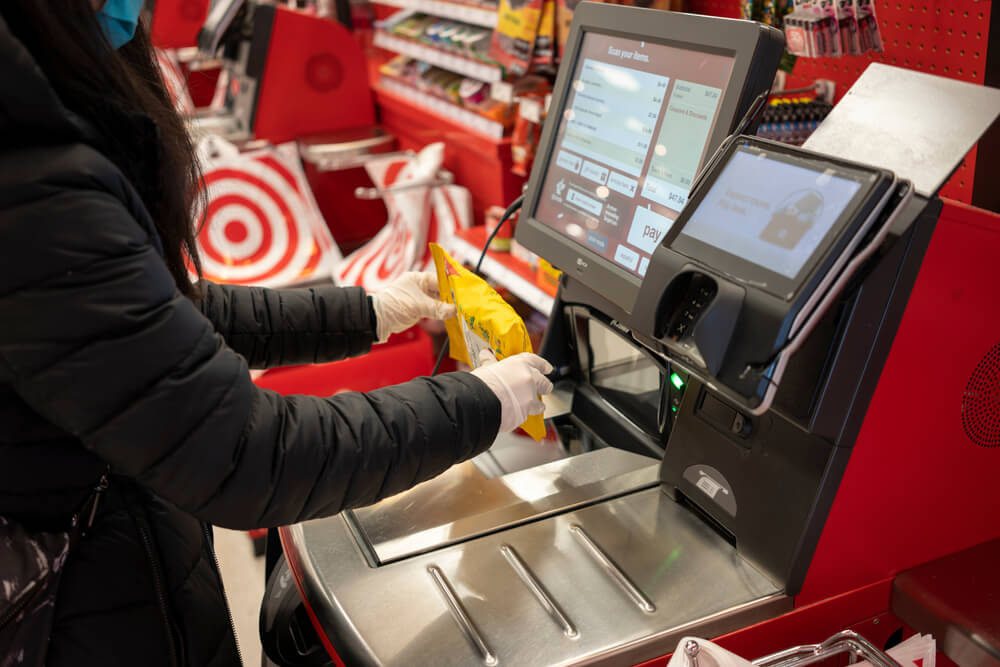
Investigators say the process was straightforward. Wallis allegedly selected large boxes of trading cards from store shelves, along with an equal number of 99 cent taco seasoning packets. At self checkout, authorities claim he scanned and paid only for the seasoning packets while leaving the trading cards unpaid.
Because the number of seasoning packets matched the number of trading card boxes, the transaction appeared balanced at a glance. Officials say this allowed him to leave the store without raising immediate suspicion. Over time, those repeated transactions added up.
According to the Attorney General’s office, Target reported more than $10,000 in direct losses from the thefts. Authorities also believe Wallis may be connected to additional thefts at Walmart and Publix, though that part of the investigation remains ongoing.
Why Trading Cards Were the Target

The merchandise at the center of the case was not electronics or luxury goods. It was trading cards, a category that has seen major growth in recent years. According to Licensing International, the trading card market has doubled as major retailers like Target and Walmart expanded their focus on the category.
Target reported a 70% increase in second quarter trading card sales and projected the category could generate $1 billion in revenue in 2025. Sales on Walmart’s online marketplace increased 200% between February 2024 and June 2025. eBay executives also credited trading cards for contributing to revenue growth.
That popularity has made the category valuable and sometimes volatile. High demand for sports cards, Pokémon cards, and other collectible sets has driven both resale activity and increased security concerns. In this case, authorities allege the cards were resold on eBay, generating close to $40,000 in revenue.
What Organized Retail Theft Means for Shoppers
Florida officials described the case as organized retail theft rather than simple shoplifting. Attorney General Uthmeier said in a statement that organized retail theft drives up prices for consumers and will be prosecuted aggressively. Palm Beach County Sheriff Ric Bradshaw echoed that message, saying those who profit from stealing in communities will be held accountable.
Organized retail theft cases often involve repeated acts, resale of goods, and financial gain beyond personal use. In this instance, prosecutors added charges of dealing in stolen property and money laundering. The potential sentence of up to 90 years reflects the cumulative weight of multiple felony counts.
For shoppers, the case highlights how everyday systems like self checkout can be exploited when oversight fails. Retailers have increasingly invested in surveillance, receipt checks, and locked display cases in response to rising retail crime. While most customers use self checkout without issue, high profile cases like this one show how small items can play an outsized role in much larger schemes.