

Products are selected by our editors, we may earn commission from links on this page.

Films like Armageddon and Deep Impact have long reassured audiences that bravery and last minute ingenuity can save Earth from catastrophe. On screen, a crew of unlikely heroes thwarts annihilation with grit and sacrifice. In reality, planetary defense is far less cinematic. Experts caution that the odds of stopping a fast moving city killer asteroid are far slimmer than Hollywood suggests.
The Scientist Tracking The Threat

At the forefront of this effort is Kelly Fast, a planetary defense expert at NASA. Speaking at the American Association for the Advancement of Science, she acknowledged a sobering truth. While scientists have identified most of the massive planet killing asteroids, thousands of smaller but still devastating objects remain unaccounted for. That uncertainty keeps researchers vigilant.
The Missing 25,000 Objects

Astronomers estimate there are roughly 25,000 near Earth asteroids large enough to obliterate a city. These objects are smaller than extinction level bodies but powerful enough to devastate entire regions. Fast revealed that NASA has cataloged only about 40 percent of them. The remainder drift through space, unseen and untracked.
Why Finding Them Takes Time

Even with advanced telescopes scanning the skies nightly, detection is painstaking work. Many asteroids are dark, irregular, and difficult to spot against the vastness of space. Their trajectories can shift subtly due to gravitational influences. Tracking them requires years of observation and precise measurement.
What Qualifies As A City Killer

According to reporting by Live Science, a city killer asteroid typically measures more than 460 feet across. An object of that size striking Earth would release energy comparable to a large nuclear detonation. The immediate blast radius could flatten urban infrastructure for miles. Secondary effects such as dust clouds and shockwaves would compound the destruction.
The DART Mission Proved A Point

In 2022, Johns Hopkins University partnered with NASA on the Double Asteroid Redirection Test, commonly known as DART. The spacecraft deliberately collided with a small asteroid to alter its orbit, demonstrating that deflection is scientifically possible. The impact occurred at roughly 14,000 miles per hour and successfully changed the asteroid’s trajectory. It was a landmark experiment in planetary defense.
Success Does Not Equal Readiness

Despite DART’s achievement, planetary scientist Nancy Chabot has cautioned that humanity lacks sufficient spacecraft to repeat such missions on demand. Building and launching a deflection mission requires years of preparation. If a newly discovered asteroid were headed toward Earth with little warning, options would be limited. Technology exists in principle, but capacity remains thin.
The Case Of 2024 YR4
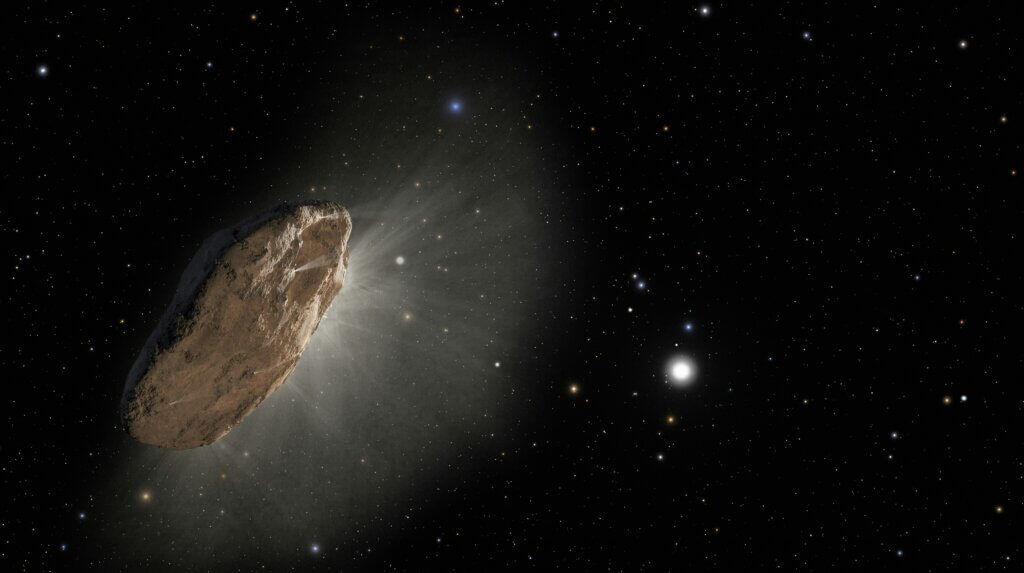
One recent object briefly stirred public concern. Asteroid 2024 YR4 was once calculated to have a 2.3 percent chance of striking Earth. Further observations reduced that probability to nearly zero. The episode underscored how preliminary data can evolve dramatically with additional tracking.
Why The Threat Persists
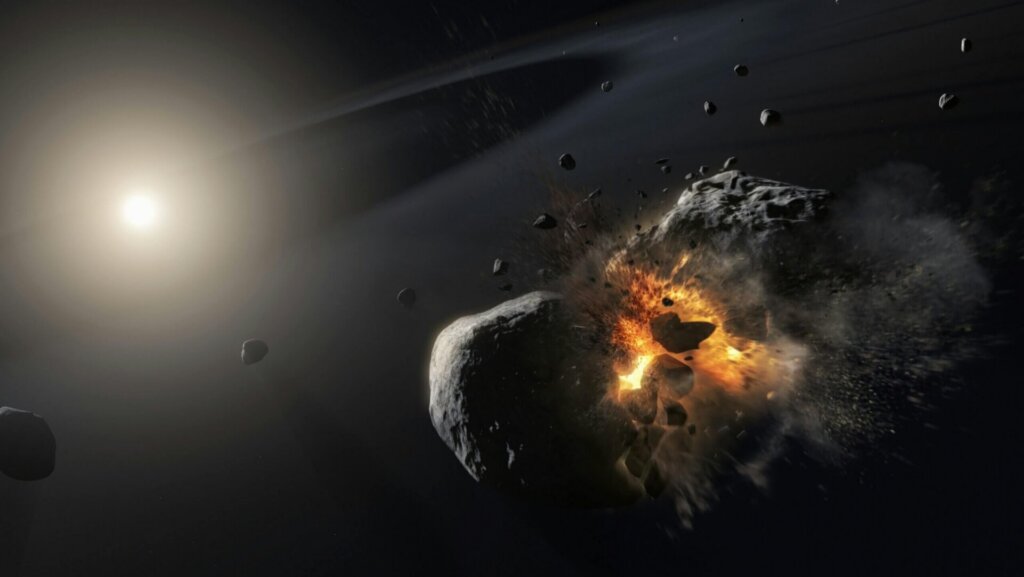
Experts emphasize that no known city killer asteroid is currently on a collision course with Earth. Still, the incomplete catalog means surprises remain possible. The danger lies not only in impact but in late detection. Without sufficient warning time, even the most advanced space agencies would struggle to mount a defense.
A Planetary Vulnerability We Cannot Ignore

The comforting narrative of last minute salvation belongs largely to fiction. In truth, planetary defense depends on early detection, sustained funding, and technological expansion. Scientists continue scanning the skies with urgency and resolve. Yet until every significant near Earth object is mapped, a measure of uncertainty will remain written in the stars.