

Products are selected by our editors, we may earn commission from links on this page.

U.S. health officials have issued a travel advisory after a mosquito borne virus outbreak in parts of Bolivia. The alert follows a rise in cases of chikungunya reported in major regions of the country. Authorities are urging travelers to take extra precautions before visiting affected areas. The warning highlights growing concern about the spread of the disease in a destination frequently visited by international tourists.
CDC Raises Alert Level For Bolivia
The Centers for Disease Control and Prevention has placed parts of Bolivia under a Level 2 travel health notice. This designation signals that visitors should practice enhanced precautions because of an ongoing health risk. The agency specifically identified the departments of Santa Cruz Department and Cochabamba Department as areas experiencing the outbreak. Officials continue to monitor the situation closely as new information emerges.
Understanding Chikungunya
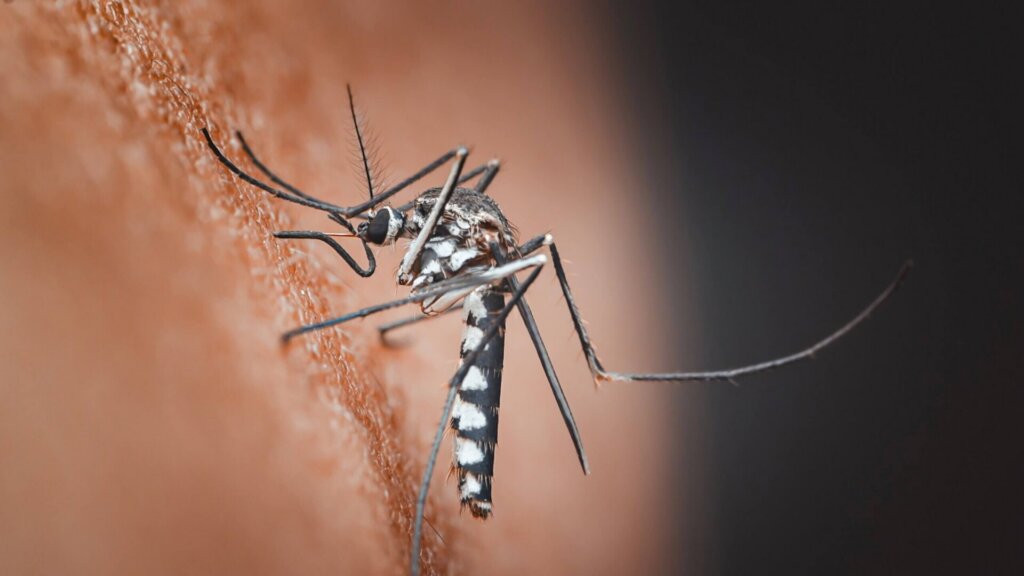
The virus at the center of the alert is Chikungunya, which spreads through the bite of infected mosquitoes. It is known for causing sudden fever and intense joint pain. Although the illness is rarely fatal, it can be extremely uncomfortable for those infected. The disease has appeared in several tropical regions around the world.
How The Virus Spreads

Chikungunya is transmitted by infected mosquitoes that pass the virus to humans through bites. These mosquitoes typically thrive in warm climates and urban environments. Once a mosquito becomes infected, it can spread the virus to multiple people. Because of this, outbreaks can expand quickly if mosquito populations are high.
Common Symptoms To Watch For

Symptoms typically appear three to seven days after an infected mosquito bite. The most common signs include fever and severe joint pain that can affect multiple parts of the body. Some people may also experience headaches, muscle aches, swelling in the joints, or skin rashes. While most recover within a week, symptoms can sometimes persist much longer.
Long Lasting Effects In Some Patients

Although many people recover relatively quickly, some patients experience prolonged joint pain. In certain cases, discomfort can last for months or even years after the initial infection. This lingering pain is one reason health authorities treat outbreaks seriously. Early awareness and prevention remain the most effective strategies for avoiding illness.
Groups At Higher Risk

Health officials note that certain groups face a greater risk of complications. These include adults aged 65 and older as well as people with existing health conditions such as heart disease or diabetes. Newborns exposed to the virus around the time of birth may also face increased danger. Because of these risks, vulnerable travelers are urged to exercise additional caution.
No Specific Treatment Available

Currently there is no dedicated medical treatment that cures chikungunya. Doctors generally focus on relieving symptoms such as pain and fever while the body fights the infection. Because treatment options are limited, prevention is considered the most important defense. Public health guidance therefore emphasizes avoiding mosquito bites.
How Travelers Can Protect Themselves

Experts recommend several practical steps for reducing the risk of infection. Using insect repellent, wearing long sleeved clothing, and staying in screened or air conditioned accommodations can help prevent mosquito bites. Some travelers may also consider vaccination where recommended. Staying informed about local health advisories is also strongly encouraged.
Monitoring The Outbreak Moving Forward

Health authorities say they will continue tracking the outbreak and updating guidance as needed. Travelers are encouraged to review the latest notices from the CDC before leaving for Bolivia. Anyone who develops symptoms during or after travel should seek medical attention promptly. Ongoing surveillance will determine whether additional precautions or advisories become necessary.