

Products are selected by our editors, we may earn commission from links on this page.

Oil prices have surged sharply in recent weeks, sending shockwaves through global energy markets and raising new concerns about inflation, supply disruptions, and economic stability. Benchmark crude prices have climbed rapidly as geopolitical tensions, production limits, and supply fears collide. For governments and businesses already navigating fragile economic conditions, the sudden jump in energy costs is a reminder that oil still sits at the center of the global economy.
What Is Driving the Latest Price Spike

The latest surge in oil prices reflects a combination of geopolitical risks and market expectations about future supply. Energy traders closely monitor political developments in key producing regions, particularly the Middle East, where conflicts and tensions can quickly affect global supply routes. Even the possibility of disruption can push prices upward as markets attempt to price in risk before shortages occur.
The Strategic Importance of the Middle East

The Middle East remains one of the most important regions for global energy production. Countries such as Saudi Arabia, Iran, Iraq, and the United Arab Emirates collectively account for a significant share of the world’s crude oil output. Because production is concentrated in this region, political instability or military conflict can have outsized effects on the global oil market.
The Strait of Hormuz: A Critical Energy Chokepoint
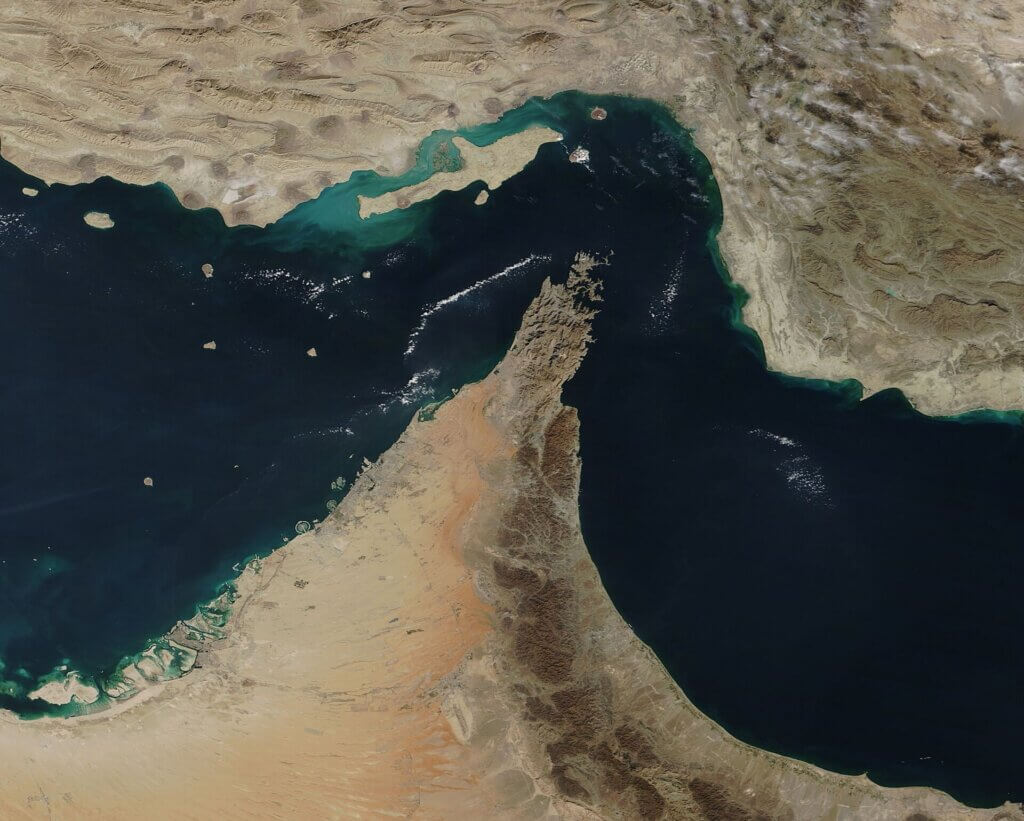
Much of the current market anxiety centers on the Strait of Hormuz, a narrow shipping route connecting the Persian Gulf to global markets. Roughly one fifth of the world’s oil supply passes through this corridor every day. Any disruption to shipping in this area could dramatically tighten global energy supplies and trigger further price increases.
Volatility in Oil Trading
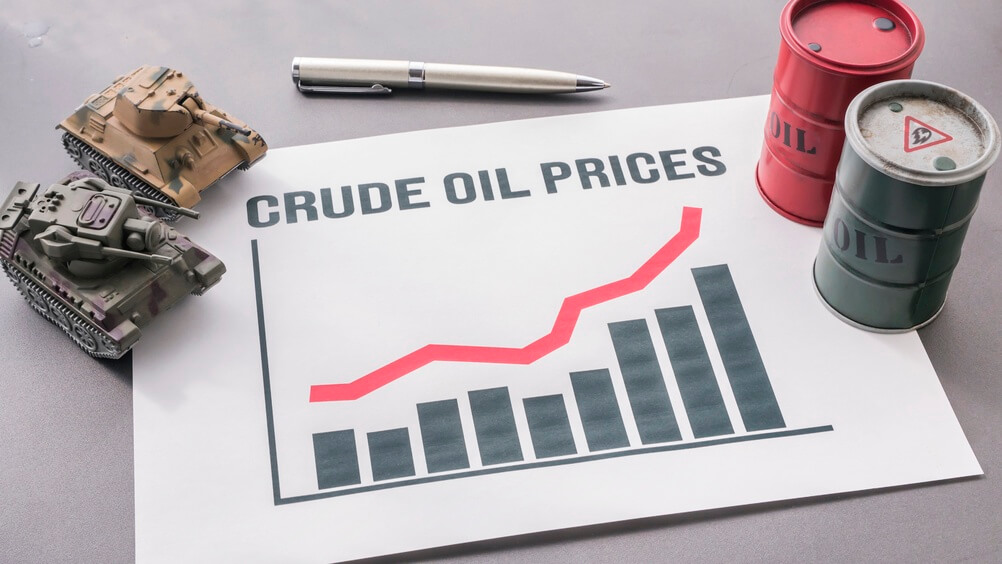
Oil markets have experienced dramatic swings as traders respond to new information about conflicts, shipping risks, and government policies. In some cases prices have jumped or dropped sharply within hours as investors react to developments such as military actions, diplomatic statements, or plans to release emergency oil reserves. Analysts say such volatility highlights how sensitive energy markets remain to geopolitical news.
Why Oil Prices Matter for the Global Economy

Oil is not just another commodity. It fuels transportation, powers industrial production, and serves as a key input for chemicals and plastics used in everyday goods. When crude prices rise, the impact spreads across multiple industries. Airlines, shipping companies, manufacturers, and retailers all face higher costs, which can eventually reach consumers in the form of higher prices.
Inflation Concerns Return
Rising energy prices can also complicate efforts by central banks to control inflation. Over the past several years, policymakers have been working to bring down price increases that surged after the pandemic and earlier energy shocks. Higher oil prices risk reversing some of that progress by raising transportation costs and increasing the price of goods across supply chains.
Countries Most Exposed to Energy Shocks
Some economies are more vulnerable to oil price spikes than others. Countries that rely heavily on imported fuel often feel the impact most strongly when prices rise. Several Asian economies depend on Middle Eastern oil shipments and could face rising energy import bills if supply disruptions continue. In extreme scenarios, shortages or price spikes could strain national budgets and economic growth.
Governments Turn to Strategic Reserves
To stabilize markets during supply shocks, governments sometimes release oil from strategic reserves. These stockpiles were created after earlier global energy crises and are designed to provide temporary relief during disruptions. While such releases can help calm markets in the short term, analysts say they are not a long-term solution if geopolitical tensions persist.
A Reminder of Oil’s Lasting Influence

The latest surge in oil prices underscores a reality that energy experts often emphasize. Despite the rapid growth of renewable energy and new technologies, the global economy still relies heavily on fossil fuels. As long as oil remains central to transportation, manufacturing, and trade, fluctuations in its price will continue to shape inflation, financial markets, and economic policy around the world.