

Products are selected by our editors, we may earn commission from links on this page.
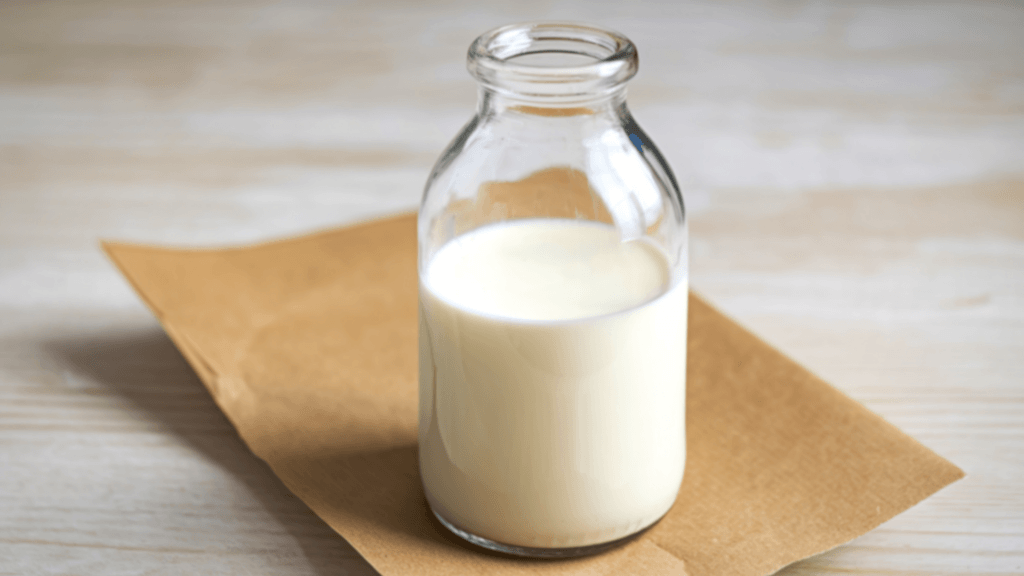
The way Americans purchase milk could be on the verge of a major shift, thanks to a newly introduced bipartisan bill in Congress. Lawmakers are proposing changes that would loosen long-standing federal restrictions on how milk, particularly raw, unpasteurized milk, is sold across state lines. If passed, the legislation could give consumers more direct access to dairy products from farmers, potentially reshaping a system that has been tightly regulated for decades.
Currently, federal rules prohibit the interstate sale of raw milk, even if both the state where it’s produced and the state where it’s sold allow it. This has created a patchwork system where consumers’ access to certain dairy products depends heavily on where they live. Supporters of the proposed legislation argue that these restrictions limit consumer choice and make it harder for small farmers to compete in a market dominated by large-scale producers.
The proposed law, known as the Interstate Milk Freedom Act, aims to remove federal barriers and allow transactions between states that already permit raw milk sales. While still in early stages, the bill is already sparking debate about food safety, consumer freedom, and the future of the U.S. dairy industry.
Why Lawmakers Want to Change Milk Sales Rules
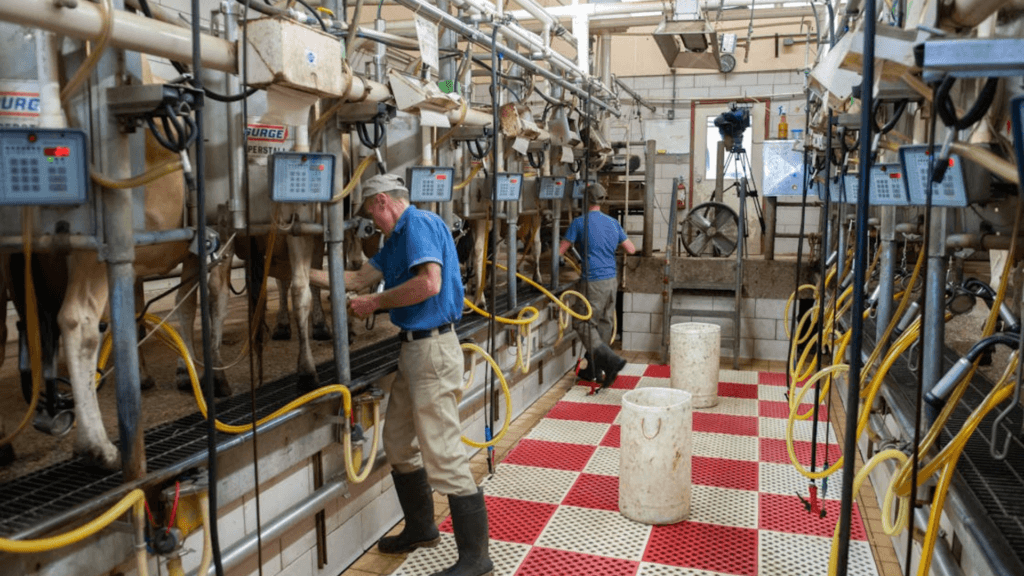
Supporters of the bill say the current system unfairly restricts both farmers and consumers. Because raw milk is the only food product banned from interstate commerce by federal agencies rather than direct congressional law, some lawmakers argue that the rules are outdated and overly restrictive. They believe Congress, not regulatory agencies, should decide how milk is bought and sold across the country.
Advocates also point out that demand for locally sourced and minimally processed foods has grown in recent years. Many consumers are increasingly interested in buying directly from farmers, whether for perceived health benefits, taste preferences, or support for local agriculture. By easing restrictions, lawmakers say the bill could strengthen small farms and give consumers more control over their food choices.
However, the proposal is not without controversy. Critics, including public health experts, warn that raw milk can carry harmful bacteria and pose serious health risks if not properly handled. They argue that federal oversight exists to protect consumers, and loosening those rules could increase the risk of foodborne illness. The debate highlights a broader tension between food freedom and safety regulation.
What This Could Mean for Consumers and the Dairy Industry
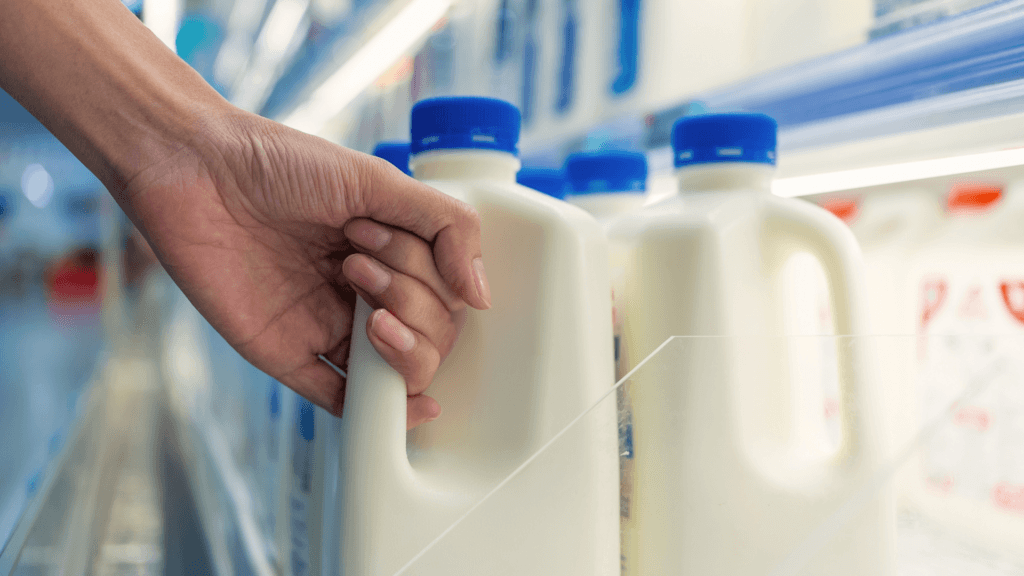
If the bill becomes law, Americans could see more options when it comes to buying milk. Consumers in states where raw milk is legal might be able to purchase it from farms in other states, expanding access beyond local markets. This could also encourage more direct-to-consumer sales, bypassing traditional grocery store distribution channels.
For farmers, especially small and independent operations, the change could open new revenue streams. Being able to sell across state lines would allow them to reach a broader customer base, potentially leveling the playing field against large dairy corporations that dominate retail shelves. It may also help rural economies by supporting local agriculture and food production.
At the same time, the dairy market is already evolving. Plant-based alternatives like almond, oat, and soy milk have gained popularity, reflecting shifting consumer preferences. Any changes to traditional milk regulations could further reshape the competitive landscape, influencing how both dairy and non-dairy products are marketed and sold in the years ahead.
A Potential Turning Point for How Americans Buy Milk
The proposed legislation represents a significant moment in the ongoing conversation about food regulation in the United States. By potentially removing federal barriers on interstate milk sales, lawmakers are challenging a long-standing system that has shaped how Americans access dairy products for generations.
Whether the bill passes or not, it reflects a broader shift in consumer attitudes. More Americans are questioning where their food comes from and how it is regulated, while also showing increased interest in local, less processed options. This growing demand is likely to continue influencing food policy debates in the years ahead.
If approved, the changes could fundamentally alter how milk is bought and sold, moving away from a strictly regulated system toward one that offers more flexibility and choice. For consumers, farmers, and regulators alike, the outcome could redefine the future of dairy in America.