

Products are selected by our editors, we may earn commission from links on this page.
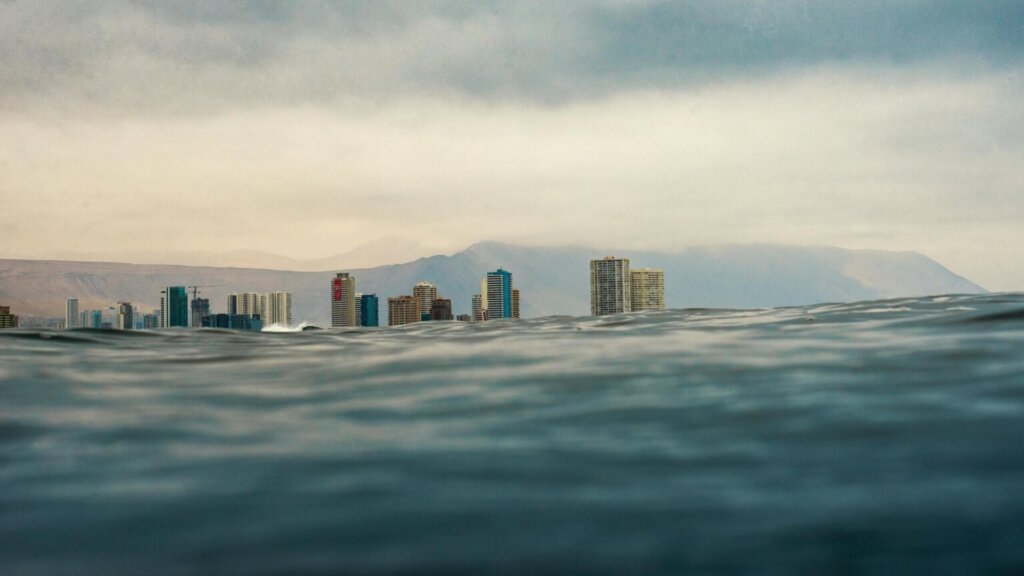
Researchers from NASA and Tulane University say that New Orleans is sinking at a rate of roughly one to two inches each year. This gradual process is known as subsidence, where land slowly compresses and sinks over time.
The city was built on soft marshland formed from centuries of sediment deposited by the Mississippi River. These sediments naturally compact as time passes, causing the ground beneath the city to slowly settle downward.
Scientists emphasize that while this process is partly natural, human development and infrastructure have significantly accelerated the sinking.
Human Activity Has Disrupted Natural Land Building
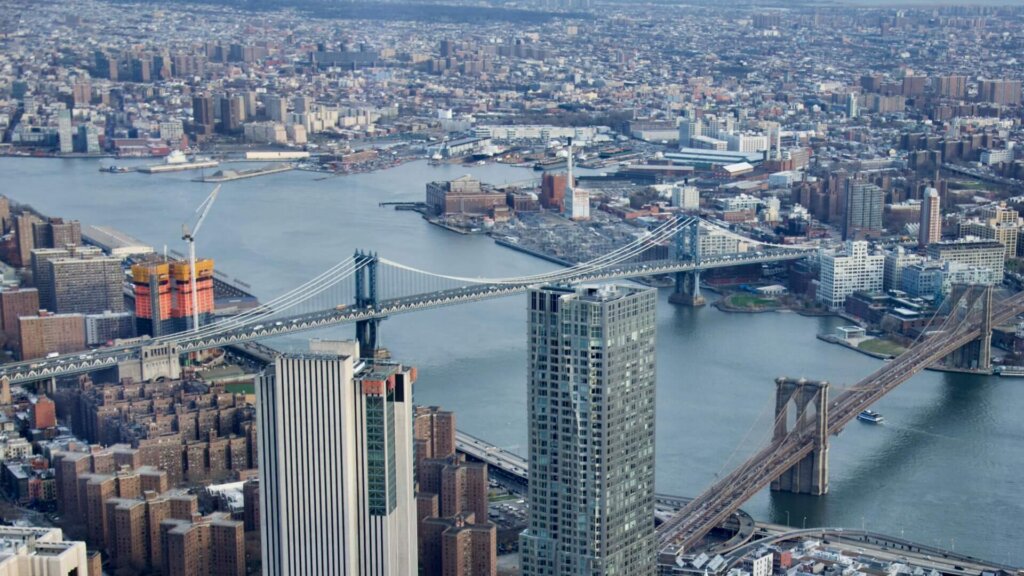
For thousands of years, flooding from the Mississippi River deposited fresh sediment across coastal Louisiana. These deposits helped rebuild wetlands and naturally offset the gradual sinking of the land.
However, modern flood control systems changed this balance. Levees and other infrastructure were built to protect communities and the regional economy, but they also prevented sediment from spreading across wetlands.
Without this natural supply of new material, the land has fewer opportunities to rebuild itself, allowing subsidence to accelerate in vulnerable areas.
Rising Seas Are Making the Situation Worse
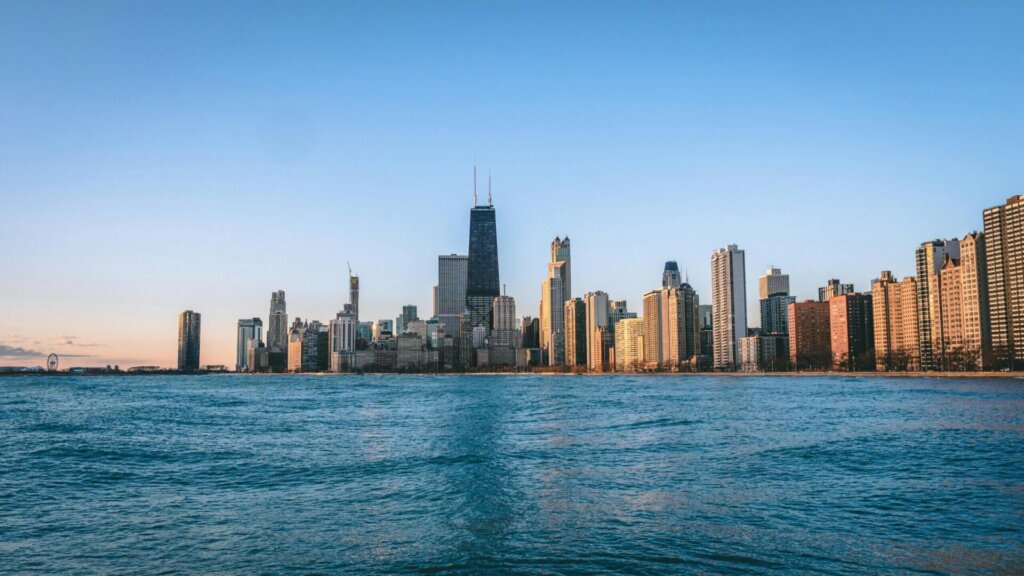
In addition to sinking land, coastal cities must also confront rising sea levels linked to global warming. According to projections from the Intergovernmental Panel on Climate Change, sea levels could rise between 1.4 and 2.8 feet by the end of this century.
Higher sea levels increase the risk of storm surges and flooding, especially in places like New Orleans that already sit near or below sea level. As coastal wetlands disappear, the city loses natural barriers that once helped absorb storm impacts.
These combined pressures create a dangerous scenario where sinking land and rising oceans work together to increase flood vulnerability.
Scientists And Communities Are Searching For Solutions

Researchers are continuing to study the long-term impacts of subsidence and sea level rise. Tulane University recently received funding to investigate how rising seas could affect more than 1,800 military installations worldwide, research that may also help guide local planning in coastal cities.
Better climate models and environmental monitoring can help officials understand where the greatest risks lie and how communities might adapt. These studies may guide future infrastructure and coastal restoration efforts.
Experts also emphasize that reducing global pollution is part of the solution. Expanding renewable energy, adopting cleaner technologies, and reducing greenhouse gas emissions can help slow climate change and limit the long term risks facing vulnerable coastal regions.