


Products are selected by our editors, we may earn commission from links on this page.

U.S. gas prices, which recently surged past $4 per gallon amid global tensions, could begin to fall following a sudden shift in oil markets tied to geopolitical developments. Analysts say a temporary ceasefire involving Iran has already caused crude oil prices to drop sharply, raising hopes that relief at the pump may soon follow. However, while early signs point to a downward trend, experts caution that the situation remains volatile and highly dependent on global supply conditions.
Why Gas Prices Spiked in the First Place
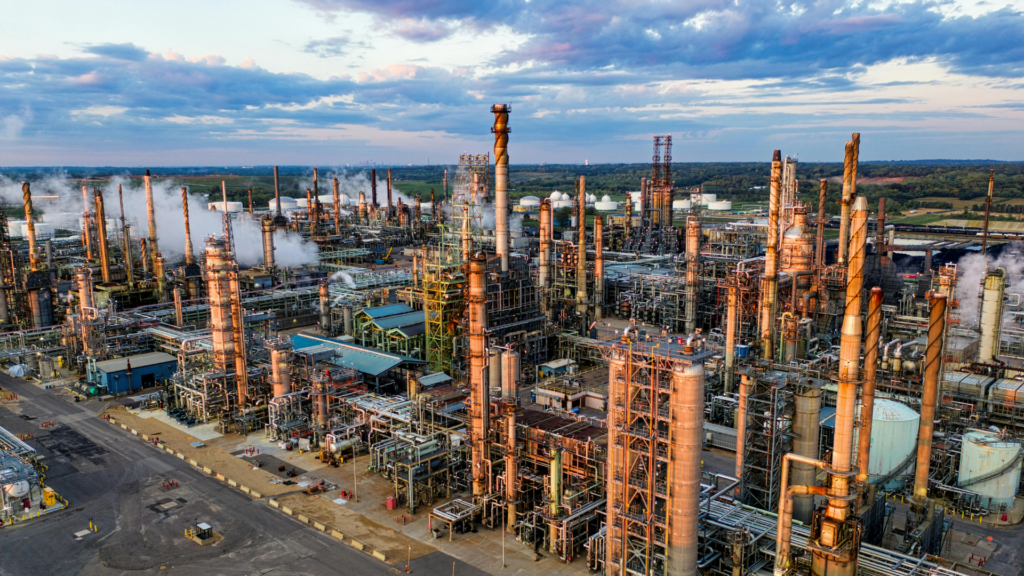
Gas prices climbed rapidly after conflict in the Middle East disrupted oil production and shipping routes, particularly through the Strait of Hormuz, a critical passage for global energy supplies. This disruption reduced available oil and drove prices higher worldwide, affecting U.S. consumers despite domestic production. The sudden spike reflects how interconnected global energy markets are, even when conflicts occur far from American soil.
The Price Drop Prediction

Some petroleum analysts suggest gas prices could begin reversing, with small daily decreases of a few cents as retailers respond to falling oil costs. This change would not be immediate at every station, but it signals the beginning of a broader downward trend. If sustained, prices could gradually fall back below $4 per gallon within days or weeks.
What Triggered the Sudden Shift
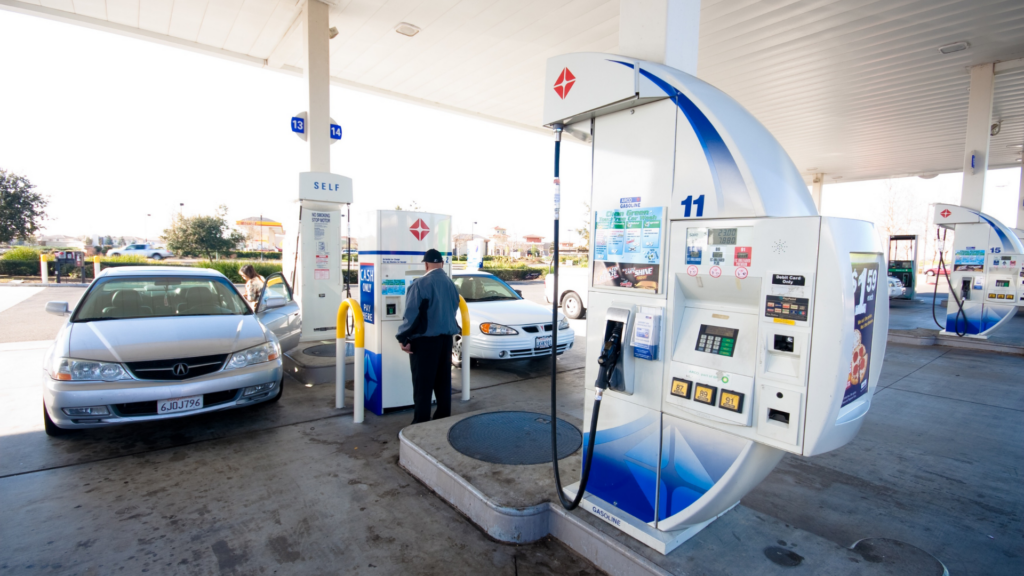
The main driver behind the expected drop is a sharp decline in crude oil prices after a ceasefire announcement between the U.S. and Iran, which eased fears of prolonged supply disruptions. Oil futures fell significantly within hours of the announcement, signaling that supply conditions might stabilize. Because gasoline prices closely follow crude oil trends, this drop is expected to ripple through to consumers.
Why Prices May Not Fall Quickly Everywhere
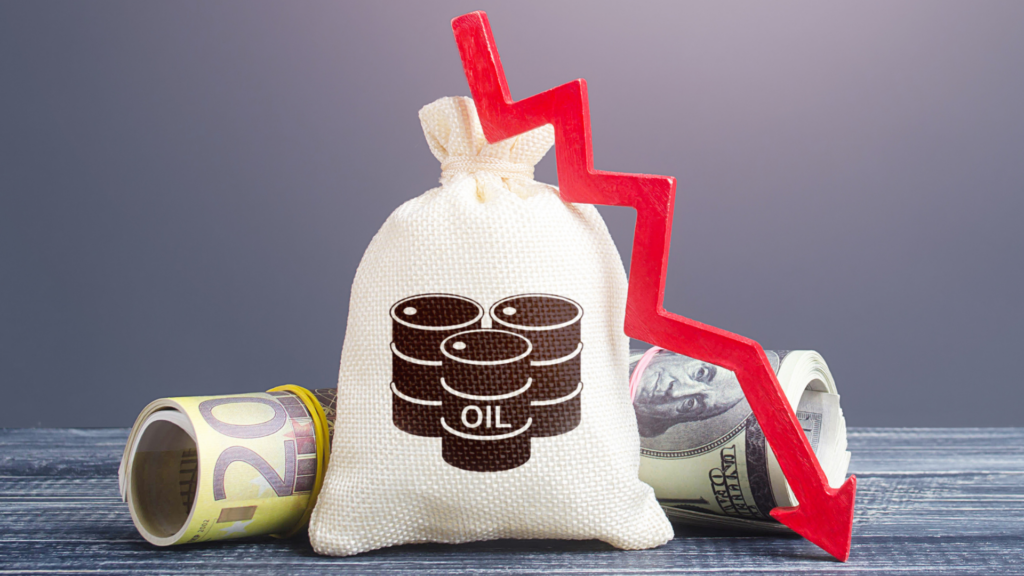
Even when oil prices fall quickly, gas prices at the pump tend to decrease more slowly due to supply chain delays involving refining, transportation, and distribution. Retailers often sell fuel purchased at higher prices before adjusting to new, lower costs. This lag means drivers may not see immediate savings, even if wholesale prices drop sharply.
Ongoing Risks That Could Reverse the Trend
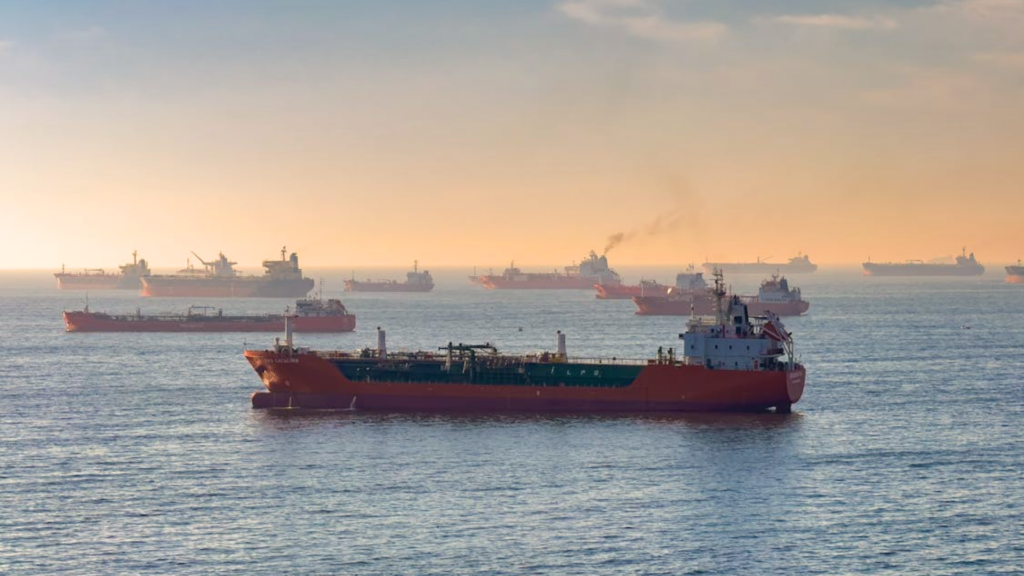
Despite the ceasefire, uncertainty remains high as key oil routes like the Strait of Hormuz may not fully return to normal operations right away. Any renewed conflict, shipping disruption, or infrastructure damage could quickly push oil and gas prices back up again. Analysts warn that the situation is fragile and could shift rapidly depending on geopolitical developments.
Current Price Levels and What to Expect
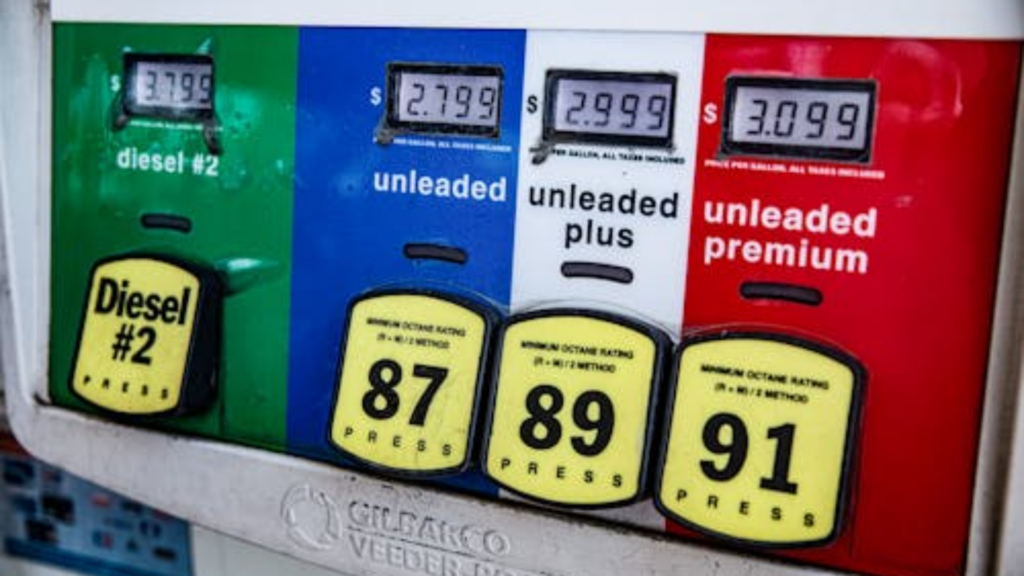
As of now, U.S. gas prices hover around $4.16 per gallon, near multi-year highs, with diesel even higher due to global supply constraints. While prices may start to ease, experts say a full return to pre-conflict levels could take weeks or even months. Short-term relief is likely to be gradual rather than dramatic.
How Drivers Can Save in the Meantime
While waiting for prices to drop, drivers can reduce costs by comparing local gas prices, driving more efficiently, and avoiding peak fueling times when prices are typically higher. Using apps to track nearby stations and planning trips carefully can help offset some of the impact of high fuel costs. These small strategies can make a difference during periods of price volatility.
Long-Term Outlook for Gas Prices
Looking ahead, experts believe gas prices could stabilize later in the year if global supply chains recover and geopolitical tensions ease. Some forecasts suggest prices could settle in the mid-$3 range, though a return to significantly lower levels may take longer. The path forward depends heavily on global oil production, transportation stability, and political developments.
What Drivers Should Take Away From the Shift

While the possibility of gas prices dropping offers some optimism, the broader picture remains uncertain, with many factors influencing how quickly and how much prices will fall. Drivers should be prepared for gradual changes rather than instant relief, while keeping an eye on global developments that continue to shape fuel costs. Staying informed and adjusting habits can help manage expenses during this unpredictable period in the energy market.