

Products are selected by our editors, we may earn commission from links on this page.
As automatic military draft registration becomes a growing topic of discussion in the United States, many people are beginning to ask an important question: who might be exempt if a draft were ever reinstated? While no active draft is currently in place, federal law still requires eligible individuals to register with the Selective Service, and recent policy conversations have renewed interest in how exemptions could work. Among the most talked-about possibilities are certain professions considered essential to national stability, public safety, and critical infrastructure. Understanding which jobs could be excluded offers insight into how a draft might be structured if it were ever activated.
Why Draft Registration Is Back in the Spotlight
Although the U.S. has not used a military draft since the 1970s, all men aged 18 to 25 are still required to register with the Selective Service system. Recent discussions around expanding automatic registration and modernizing the system have brought renewed attention to how a draft might function today. These updates are largely administrative for now, but they have sparked broader conversations about preparedness, fairness, and who would be called to serve if circumstances changed.
How Draft Exemptions Typically Work
Historically, draft exemptions have been granted based on a combination of medical, educational, and occupational factors. The goal is to ensure that critical sectors of society continue functioning even during times of national emergency. Rather than being a blanket exemption, many roles are considered for deferment or special classification, meaning individuals may not be immediately called for service due to the importance of their work.
Healthcare Workers Could Be Prioritized at Home
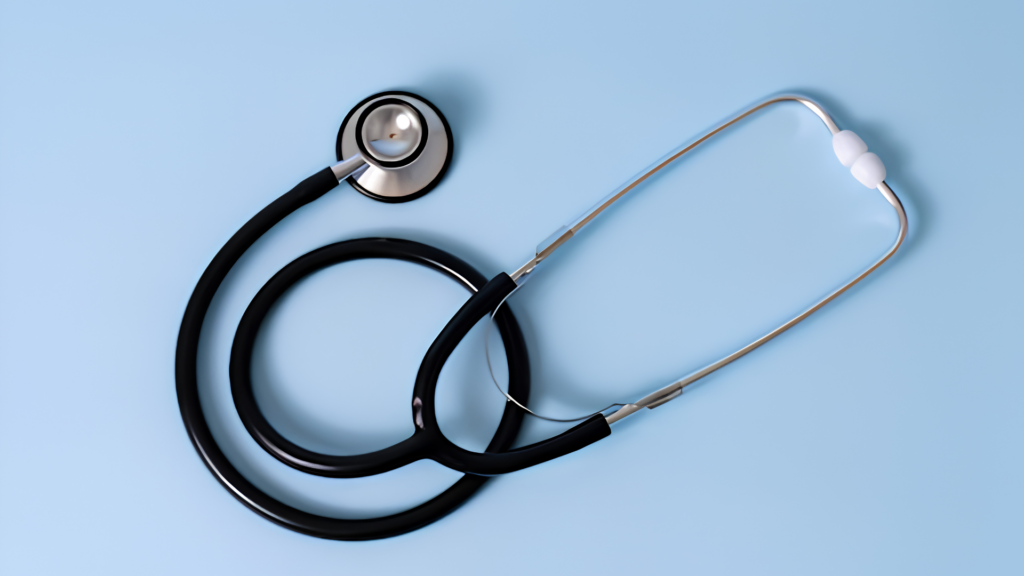
Medical professionals are often among the top candidates for exemption or deferment during a draft, as their skills are essential both on the front lines and within civilian healthcare systems. Doctors, nurses, and emergency medical personnel play a crucial role in maintaining public health, especially during crises. Keeping these professionals in hospitals and clinics ensures that both military and civilian populations continue to receive necessary care.
Emergency Responders May Be Kept in Place
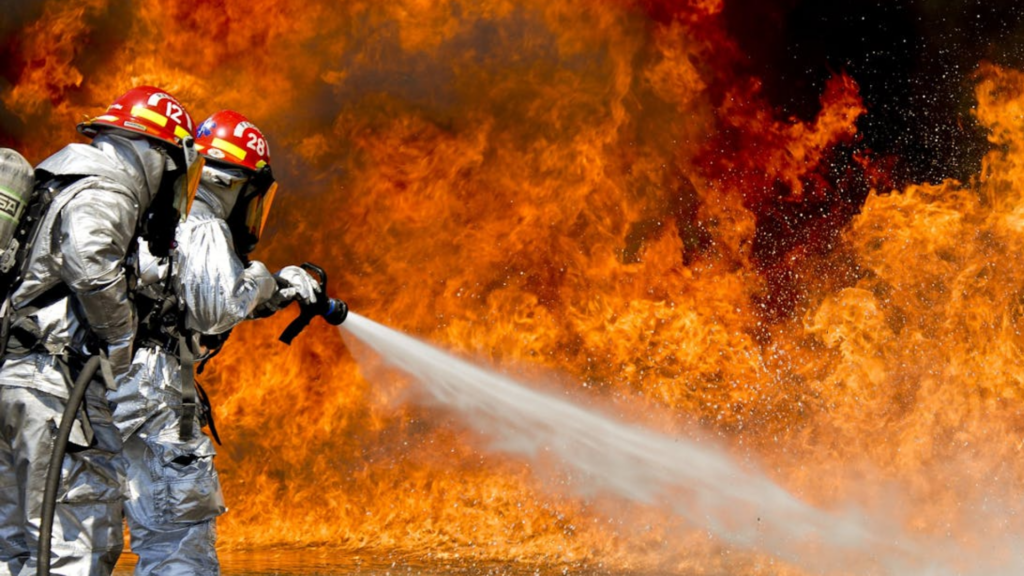
First responders, including firefighters, police officers, and paramedics, are another group that could be excluded from active draft service due to their importance in maintaining public safety. These roles are vital for responding to emergencies, disasters, and everyday incidents that require immediate attention. Removing large numbers of these workers from their communities could create serious safety risks, which is why they are often considered essential personnel.
Critical Infrastructure Workers Could Be Exempt
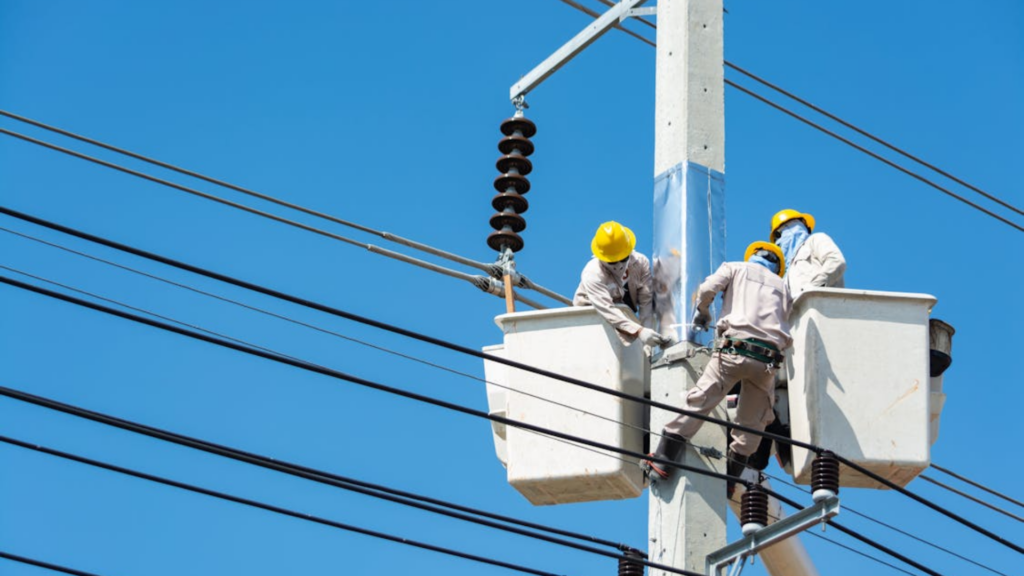
Workers who maintain critical infrastructure (such as power grids, water systems, and transportation networks) are also likely candidates for exemption or deferment. These systems are essential to the functioning of the country, and disruptions could have widespread consequences for both civilians and the military. Ensuring that these operations remain stable is a top priority during any national emergency.
Agricultural Workers May Be Protected
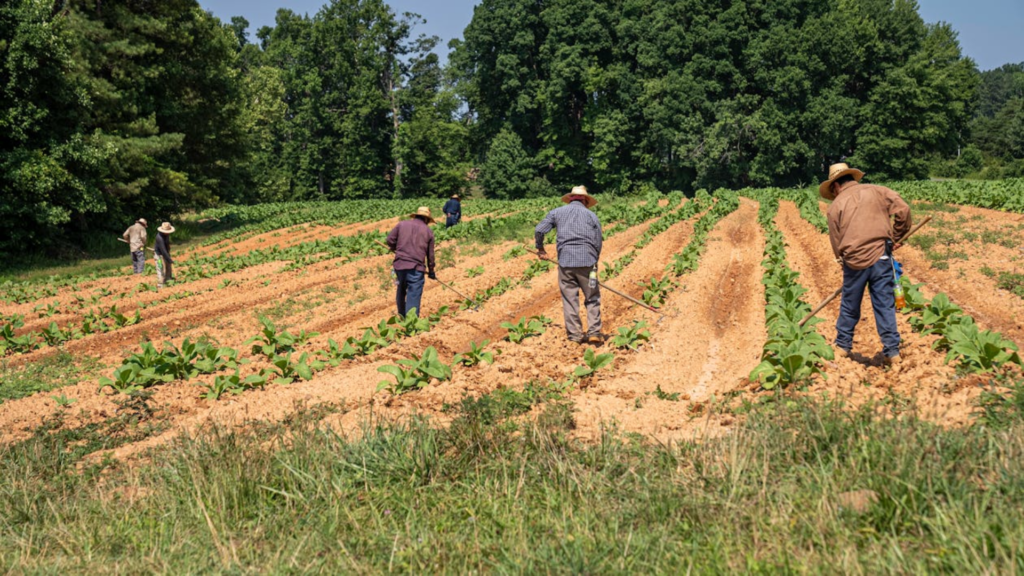
Food production is another area that cannot afford major disruptions, which is why agricultural workers are often considered for exemption in draft scenarios. Farmers, food processors, and supply chain workers play a key role in keeping the nation fed, particularly during times of crisis when resources may already be strained. Maintaining a stable food supply is critical to both civilian life and military readiness.
Teachers and Educators Could Be Considered Essential
Educators may also fall into a category of workers whose roles are deemed essential to maintaining stability at home. Schools provide structure, childcare, and continuity for families, even during challenging times. While not always guaranteed exemption, teachers and school staff could be considered for deferment to ensure that education systems continue operating effectively.
Government and National Security Roles Matter Too
Certain government employees and individuals working in national security-related roles may also be exempt or deferred due to the importance of their responsibilities. These positions help maintain order, coordinate responses, and ensure continuity of government operations during times of crisis. Their work behind the scenes is often just as critical as frontline service.
What This Means If a Draft Ever Returns
While a military draft is not currently in effect, understanding potential exemptions helps clarify how such a system might function in a modern context. Rather than treating all individuals equally, a draft would likely prioritize both military needs and the continued operation of essential services across the country. As discussions around registration and preparedness continue, these considerations offer a glimpse into how the U.S. might balance national defense with everyday life if a draft were ever reinstated.