

Products are selected by our editors, we may earn commission from links on this page.

For many West Virginians, opening a monthly electric bill has become an anxiety-inducing ritual. Residents across the state report charges that rival or even exceed their mortgage payments, a sharp shift in a place once known for cheap energy. One widely cited example is a fixed-income resident who received a $940 electric bill in February, more than her monthly income, forcing her to take out a loan just to keep the heat on.
These experiences are not isolated. Across Appalachia, families have posted screenshots of their bills online, expressing disbelief at how quickly costs have escalated. In some cases, households have been forced to choose between paying for food, medicine, or electricity, highlighting the severity of the financial strain.
The burden extends beyond individuals to entire communities. A trailer park owner in West Columbia raised rents after electricity costs surged, pushing out long-time residents who could no longer afford to stay. The ripple effects show how utility costs are reshaping local economies and living conditions.
A Promise Unfulfilled Meets Rising National Costs
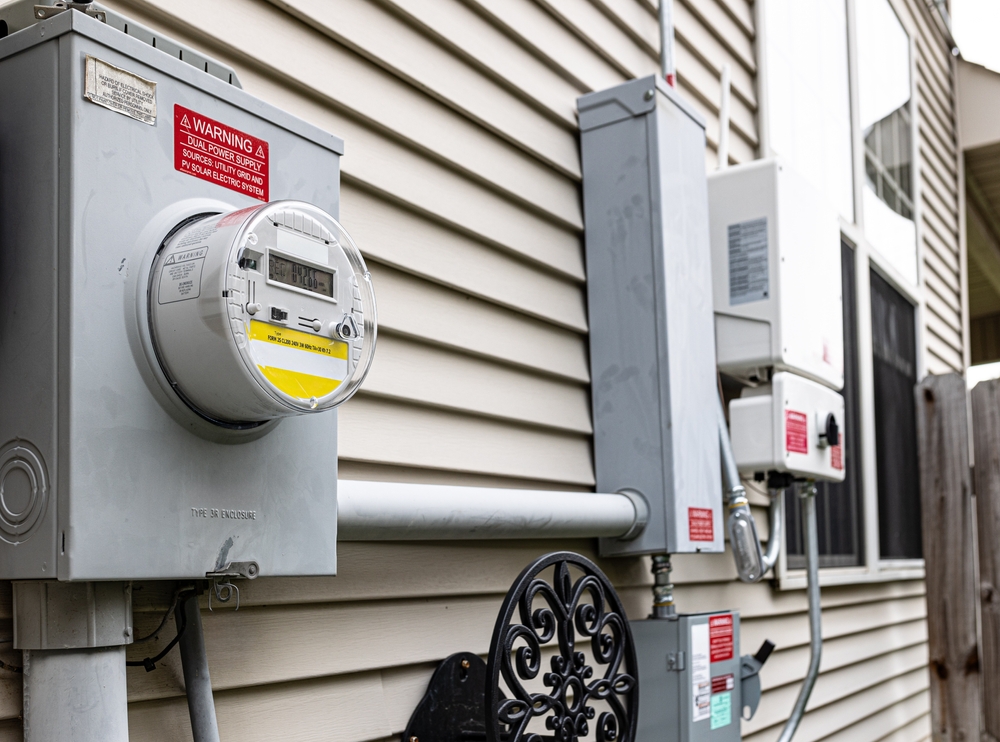
During his campaign, President Donald Trump pledged to cut electricity bills in half within his first year to 18 months in office. The promise resonated strongly in energy-producing states like West Virginia, where voters expected relief from rising costs.
Instead, the trend has moved in the opposite direction. Nationwide, electricity prices rose 4.8% in February compared to the previous year, while natural gas prices increased even faster. These increases have outpaced inflation, adding to broader concerns about affordability.
The issue has quickly become political. Rising utility costs have surfaced in elections and public debates, with a growing number of Americans expressing concern about their ability to pay energy bills. Polling shows more than a third of adults are seriously worried about affordability in the near term, turning electricity into a central economic issue rather than a background expense.
Why Costs Are Climbing in an Energy-Rich State
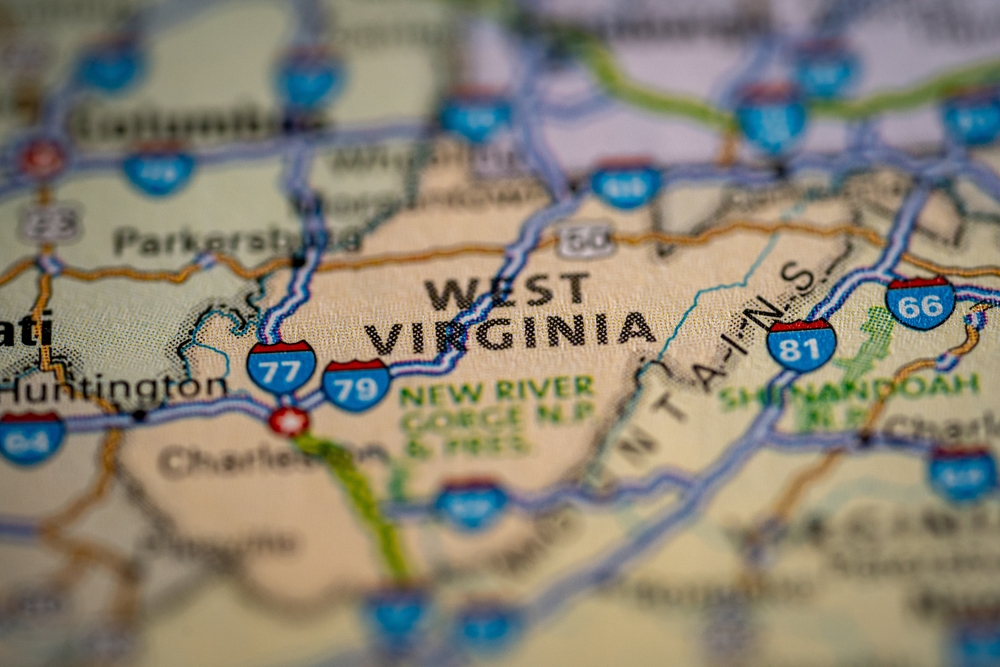
West Virginia’s situation appears paradoxical: a state rich in coal, natural gas, and other resources is facing some of the fastest-rising electricity costs in the country. Analysts point to a combination of structural and policy-driven factors behind the surge.
A key issue is the state’s heavy reliance on coal, which accounts for roughly 87% of its electricity generation. While coal has long been a cornerstone of the state’s economy, aging plants and rising fuel costs have made it increasingly expensive. Data from the Ohio River Valley Institute shows coal prices climbed significantly over the past decade, with additional spikes tied to global market disruptions.
At the same time, West Virginia has been slower than neighboring states to shift toward cheaper energy sources like natural gas and renewables. According to regional energy analysis, competition from lower-cost gas plants has reduced demand for coal-generated electricity, leaving older facilities operating less efficiently while still passing costs onto consumers.
Other contributing factors include expensive environmental upgrades to aging plants, declining electricity exports that once offset in-state costs, and a regulatory system in which investor-owned utilities pass fuel and infrastructure expenses directly to ratepayers. Together, these forces have driven rates upward faster than in many other parts of the country.
Economic Strain, Political Debate, and an Uncertain Path Forward

The consequences of rising electricity costs are being felt across every layer of West Virginia society. More than one in three households is considered “energy burdened,” spending a significant portion of their income on utilities. For low-income families, the impact is even more severe.
Small businesses have also struggled to absorb the increases. Some shop owners have shut down after falling behind on utility payments, while others have scaled back operations to stay afloat. The strain is compounded by stagnant wages, with household incomes in the state failing to keep pace with rising costs over time.
Meanwhile, policymakers and industry leaders remain divided on solutions. Supporters of coal argue that maintaining domestic energy production is essential for reliability and jobs, and federal efforts have included funding to keep coal plants operating. Critics counter that doubling down on expensive, aging infrastructure risks locking residents into higher costs for years to come.