

Products are selected by our editors, we may earn commission from links on this page.
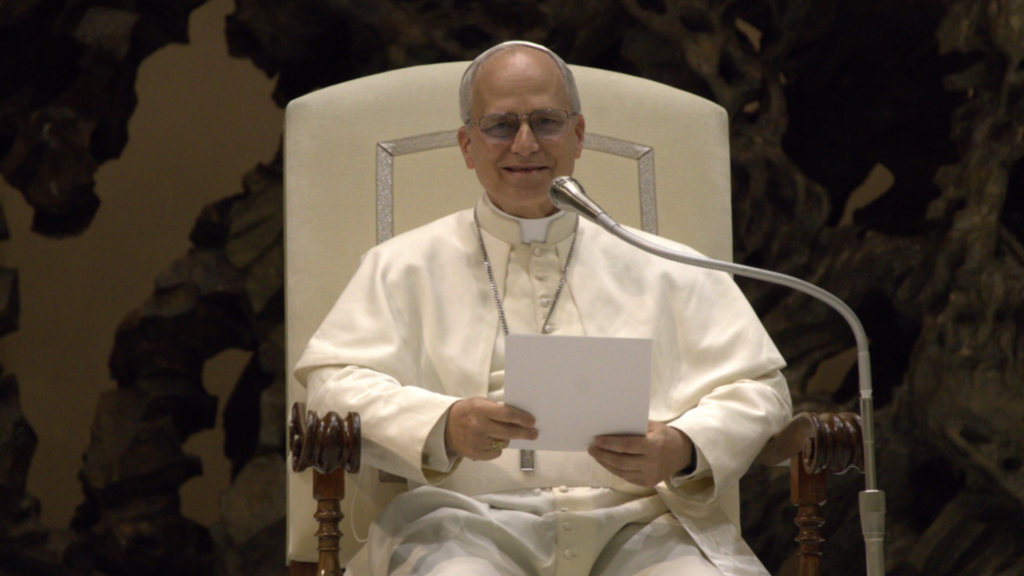
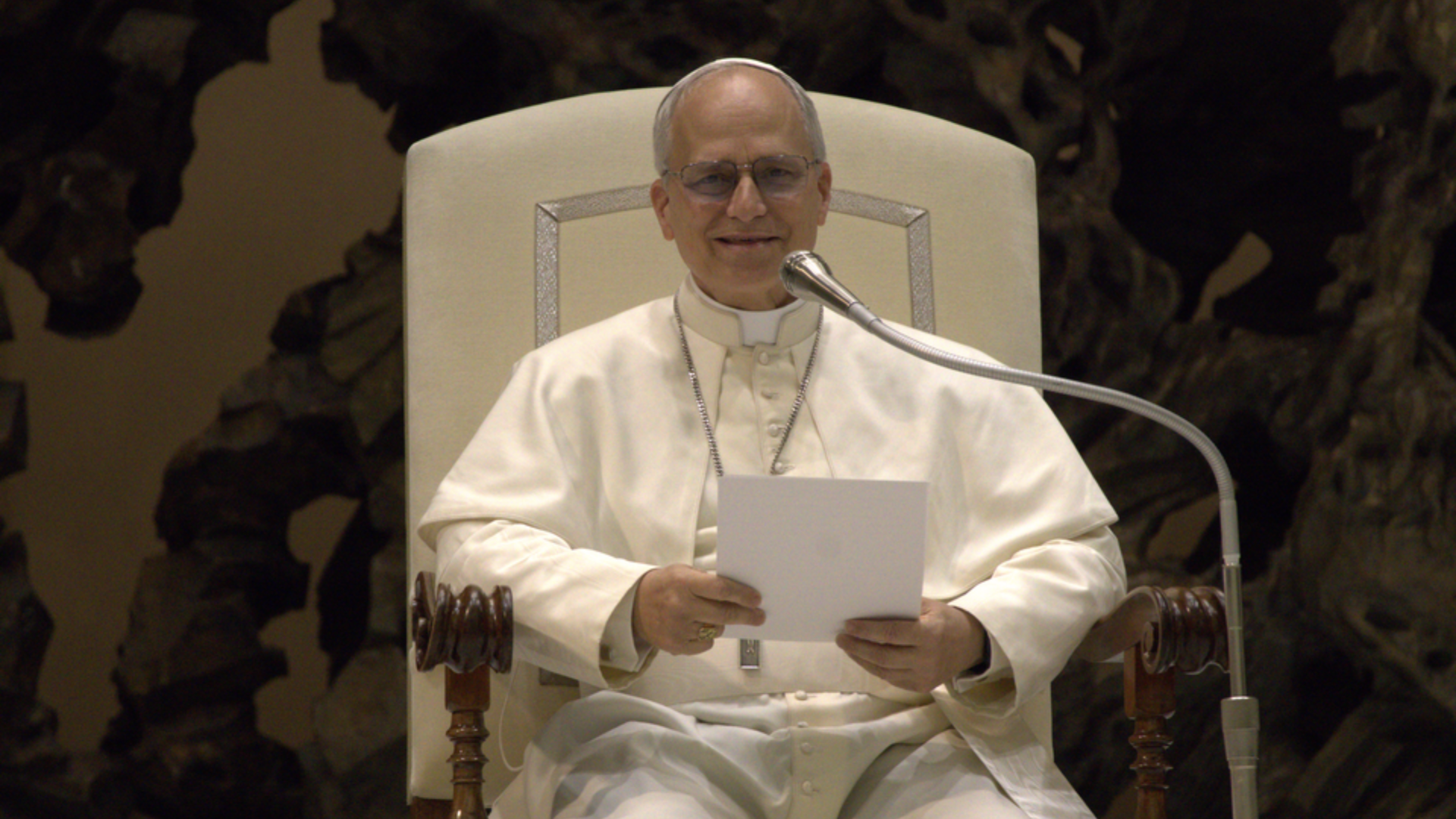
A major international moment has taken an unexpected turn after cardinals revealed why the Pope will not attend a highly anticipated U.S. celebration marking the country’s 250th anniversary. While the invitation was seen as historic, especially given that Pope Leo XIV is the first American-born pontiff, the Vatican ultimately declined, raising questions about the reasoning behind the decision.
According to reports and statements from Vatican officials, the decision was not simply about scheduling conflicts, but rather reflects deeper tensions and priorities within the Catholic Church. The Pope was personally invited by U.S. leadership to attend the July 4 celebration, yet chose to pursue a different path that aligns more closely with his broader mission.
Cardinals and insiders have since clarified that the choice carries both symbolic and practical meaning, highlighting how global issues and diplomatic relationships can influence even the most high-profile appearances by religious leaders.
Growing Tensions Between The Vatican And U.S. Leadership
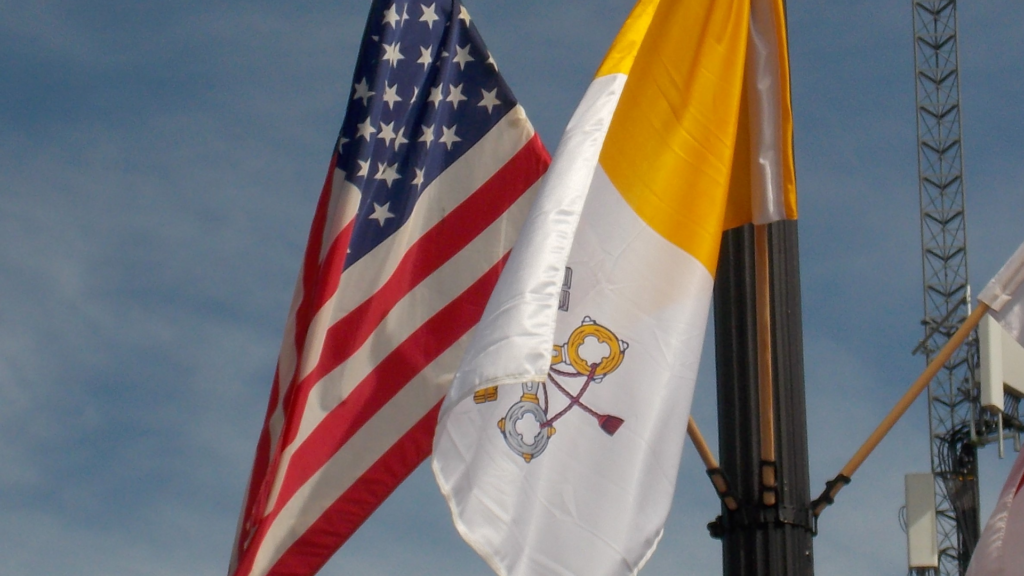
One of the central reasons behind the Pope’s absence is the growing strain between the Vatican and the current U.S. administration, particularly over issues such as immigration policies and international conflicts. Pope Leo XIV has been openly critical of certain U.S. actions, especially regarding war and humanitarian concerns, which has contributed to a widening diplomatic divide.
Reports of a tense meeting between U.S. officials and a Vatican representative earlier in the year further underscored these disagreements, with discussions around foreign policy reportedly highlighting fundamental differences in priorities and approach.
These tensions have made the idea of a high-profile visit more complicated, as the Pope seeks to maintain a position that reflects the Church’s global and humanitarian stance rather than aligning too closely with any one political agenda.
Why The Pope Chose A Different Destination Instead
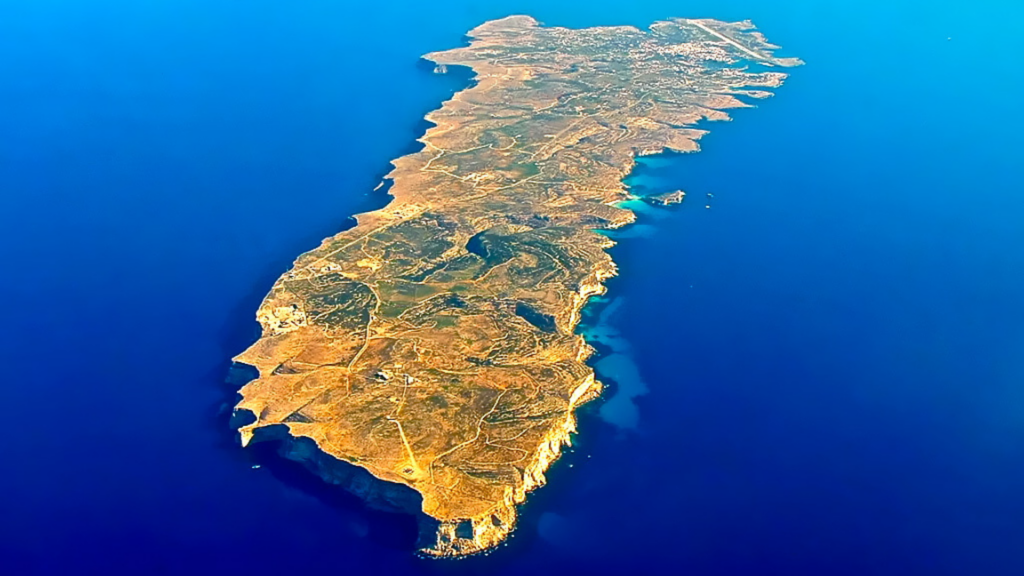
Instead of attending the U.S. celebration, Pope Leo XIV has chosen to spend the same time visiting Lampedusa, an Italian island that has become a key entry point for migrants and refugees crossing into Europe. This decision reflects one of the central themes of his papacy, which is a strong focus on humanitarian issues and the global migration crisis.
By prioritizing this visit, the Pope is sending a clear message about where he believes attention and action are most urgently needed, emphasizing compassion and support for vulnerable populations over participation in political or ceremonial events.
Cardinals have suggested that this choice aligns with the Church’s broader mission, reinforcing the idea that the Pope’s role extends beyond national celebrations and into addressing global challenges that affect millions of people.
A Decision That Reflects A Bigger Message
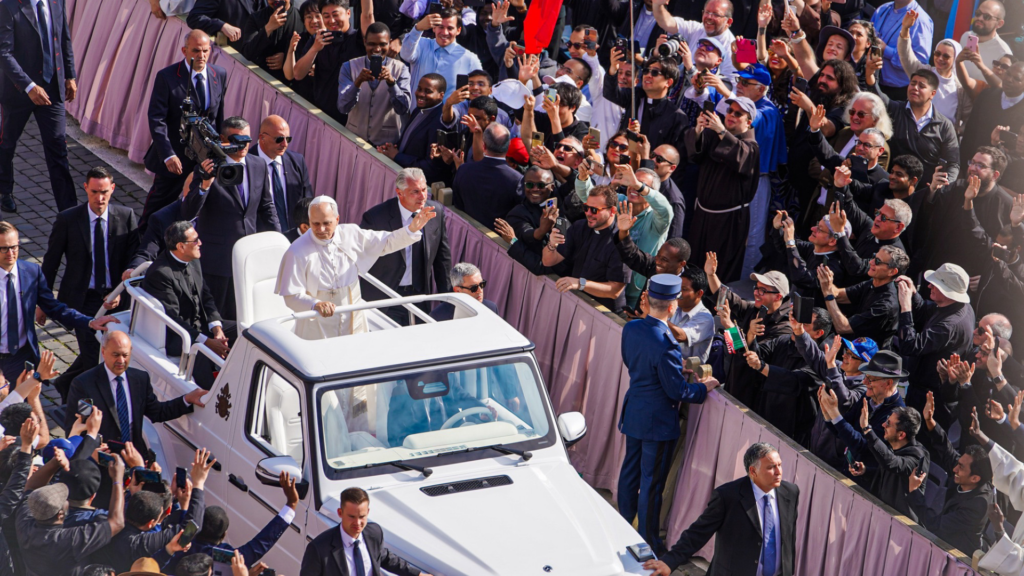
The Pope’s decision not to attend the U.S. celebration ultimately highlights the complex balance between faith, diplomacy, and global responsibility, showing that even symbolic appearances can carry significant meaning in today’s political and social climate.
While the absence may disappoint some, it also underscores the Vatican’s commitment to prioritizing humanitarian concerns and maintaining independence from political influence, especially during periods of heightened international tension.
In the end, the Pope’s choice serves as a reminder that leadership on the global stage often involves difficult decisions, and that sometimes the most powerful statements are made not by attending events, but by choosing where not to be.