


Products are selected by our editors, we may earn commission from links on this page.

Fail to register for the U.S. military draft, and you could face up to five years in federal prison and a $250,000 fine. That is not a new threat, but it is suddenly more relevant. By December 2026, the U.S. government will begin automatically enrolling eligible men into the Selective Service System, the biggest overhaul to draft registration in more than 40 years. For young men still required to self-register in the meantime, the clock is ticking and the penalties are not symbolic.
The change was set in motion on December 18, 2025, when President Donald Trump signed the fiscal year 2026 National Defense Authorization Act into law. A provision within that legislation directed the Selective Service System to take over the registration process entirely, pulling data from existing federal databases rather than waiting for individuals to sign up. The agency submitted its proposed rule to regulators on March 30, 2026, with full implementation required before year’s end. The system has not changed this fundamentally since self-registration began in 1980.
Until the automated system goes live, men who turn 18 before December 2026 are still legally required to register on their own within 30 days of their birthday. According to Snopes, those who knowingly skip registration remain exposed to the full weight of existing federal penalties. The transition does not grant a grace period for those currently eligible. The window between now and December is the final stretch in which personal responsibility, and personal legal risk, still fully applies.
What the Government Is Building, and Why It Is Doing It Now
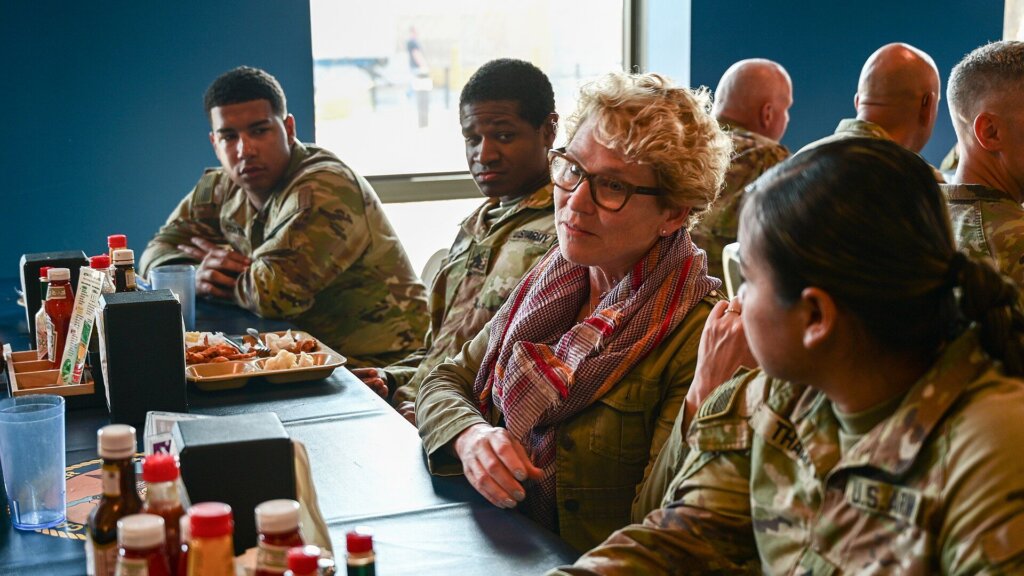
The Selective Service System costs American taxpayers roughly $30 million a year, a significant portion of which has gone toward advertising campaigns and outreach efforts designed to remind young men to register. Automatic registration was partly sold to Congress as a cost-cutting measure. Representative Chrissy Houlahan of Pennsylvania, who sponsored the relevant language in the defense bill, said the shift would allow the agency to redirect money “towards readiness and towards mobilization,” rather than promotional efforts to chase down registrants.
The mechanics of automatic enrollment rely on cross-referencing personal data held by other federal agencies. The Social Security Administration and the Census Bureau are among the agencies that could share information with the Selective Service to build its database. According to The Intercept, a U.S. government official confirmed the push was partly driven by “sliding numbers” of men choosing to self-register, as well as concerns about the country’s readiness in the event of a conflict with a major military power. The database needs to be comprehensive, and self-registration was no longer producing that result.
Women are not included in the new system. Despite a 2020 congressional commission recommending that women be made eligible for the draft, and a 2021 House vote that briefly extended the requirement, no current law mandates female registration. The Selective Service has stated it is “prepared to expand registration” if the law changes, but as it stands, the December 2026 rollout applies exclusively to men. That legal distinction remains contested, and the debate over gender-neutral registration has not gone away, only paused.
Who Is Required to Register, and Who Gets Left Out
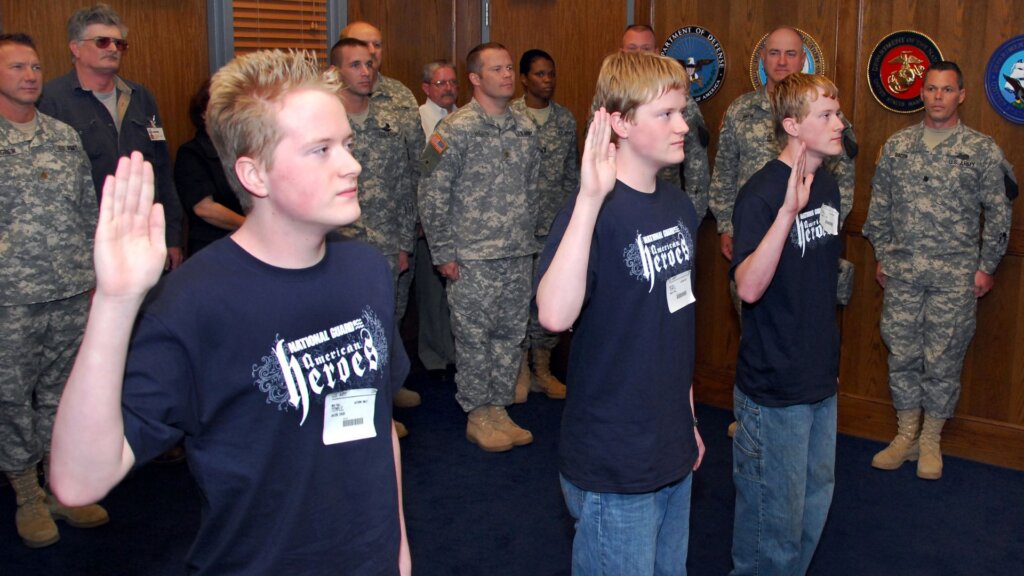
The requirement is broader than many people assume. Almost all male U.S. citizens and male immigrants between the ages of 18 and 25 are required to be registered, regardless of legal status. That includes undocumented immigrants, green card holders, and refugees. According to The Hill, failure to register is treated as a crime and can block access to state-funded financial aid and public employment in many states, consequences that extend well beyond federal penalties alone.
Immigrants face a distinct and lasting consequence for non-registration. Those who fail to register before turning 26 and later apply for U.S. citizenship may be permanently denied. The narrow group exempted from the requirement includes men on valid non-immigrant visas, such as student or tourist visas, as long as they remain on that visa status until they age out of eligibility at 26. Active duty military personnel are also exempt. Everyone else falls within the scope of the law, including those who may not have realized it applied to them.
If a draft were ever reactivated, the order of call-up follows a specific structure. 20-year-olds would be selected first through a lottery. The pool would then expand outward, drawing from older age groups up to 25, before looping back to include 18- and 19-year-olds. A coalition of 45 antiwar, religious, and civil liberties organizations issued a joint statement in March 2026 opposing the automatic registration system and calling for the full repeal of the Military Selective Service Act. Their opposition signals that while the legal mechanics are moving forward, the political and moral debate is far from settled.
No Draft Today, but Washington Is Making Sure the Option Is Ready
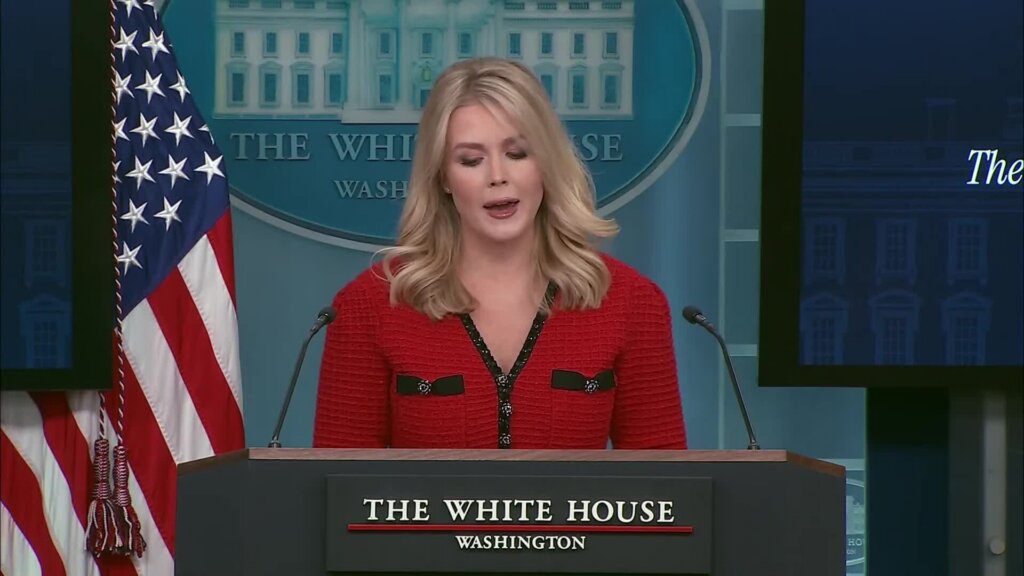
White House Press Secretary Karoline Leavitt said in March that a military draft is “not part of the current plan right now,” but that President Trump “wisely keeps his options on the table.” Trump cannot unilaterally reinstate the draft. Congress would need to pass separate legislation amending the Military Selective Service Act before any inductions could legally occur. The automated registration system, by itself, does not mean a draft is coming. What it does mean is that the infrastructure to execute one will be more complete than it has ever been.
The backdrop to all of this matters. The ongoing U.S. conflict with Iran, even amid a reported ceasefire, has sharpened public anxiety about conscription in a way that policy wonks and headlines alone rarely do. Searches about the draft have spiked. Social media posts about automatic registration have spread widely. The government’s position is that this is a modernization effort, not a mobilization signal. But the timing, coming during an active overseas conflict, has made that distinction harder for many Americans to accept at face value.
What no law can fully account for is how a generation that has never faced conscription will respond if that calculus changes. The Selective Service database will soon be more complete than at any point in recent history. The penalties for interfering with that process remain severe. And the conditions under which a president and Congress might choose to activate the draft, whether a widening conflict, a depleted volunteer force, or something not yet anticipated, remain impossible to predict. The question is not only whether the draft returns. It is whether Americans are prepared for the possibility that it could.