

Products are selected by our editors, we may earn commission from links on this page.
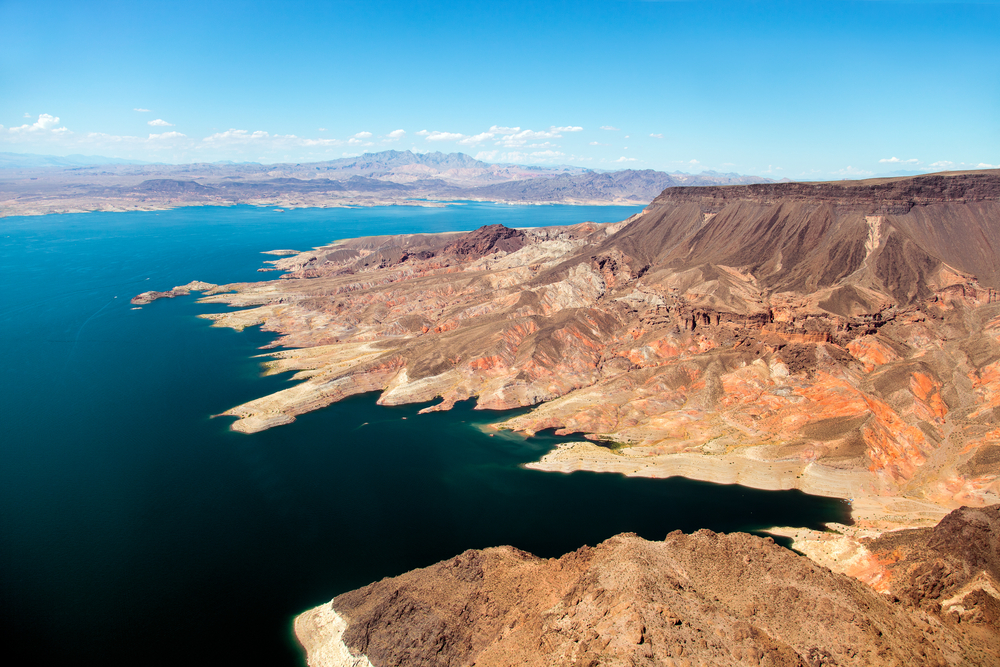
Lake Mead, the largest reservoir in the United States, has dropped more than six feet in just over a month, bringing it dangerously close to historic lows and reigniting concerns about the long-term stability of the Colorado River system. The sudden decline, recorded since early March, indicates how quickly conditions can worsen in an already strained water supply.
Now Just Feet From Historic Lows
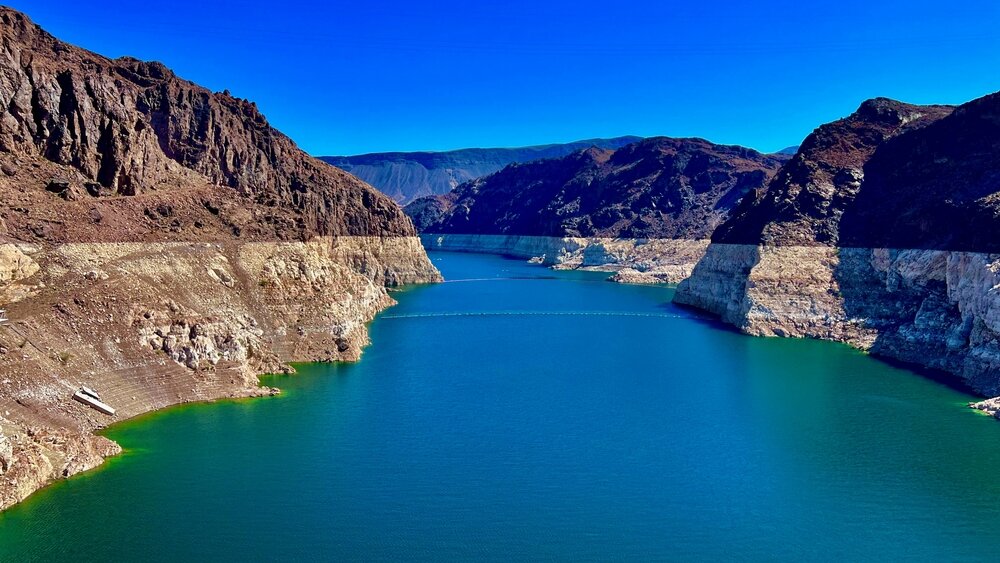
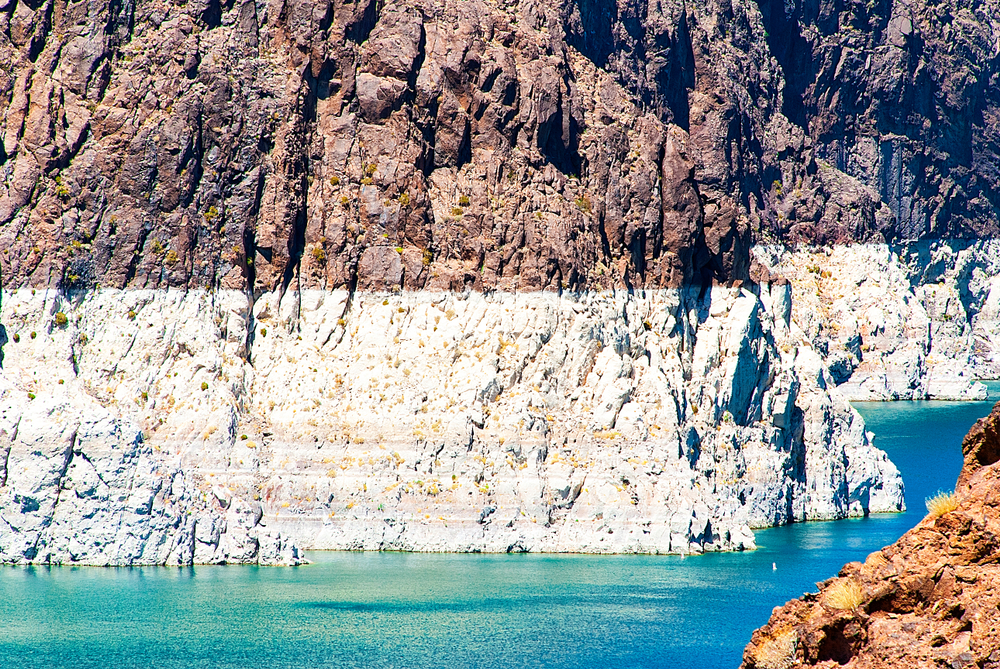
The lake now sits only about 20 feet above its all-time low set in 2022, a stark benchmark that once seemed extreme but is now within reach again. At roughly 35% capacity, Lake Mead’s shrinking shoreline is exposing land that had been underwater for decades, a visible reminder of how dramatically water levels have fallen.
Projections Point to a Troubling Future
Federal forecasts suggest the situation could worsen significantly, with Lake Mead projected to drop to around 1,032 feet by November 2027, potentially breaking the previous record low by several feet. Some models even show more extreme scenarios, with levels nearing 1,025 feet if conditions deteriorate further.
Snowpack Shortfalls Drive the Decline
At the heart of the problem is a weak snowpack across the Upper Colorado River Basin, which supplies most of the water feeding the reservoir. As shown in the basin map on page 2 of the projections report, snowpack levels are hovering well below normal, in some areas dropping into the lowest percentiles seen in years.
Less Water Flowing Into the System
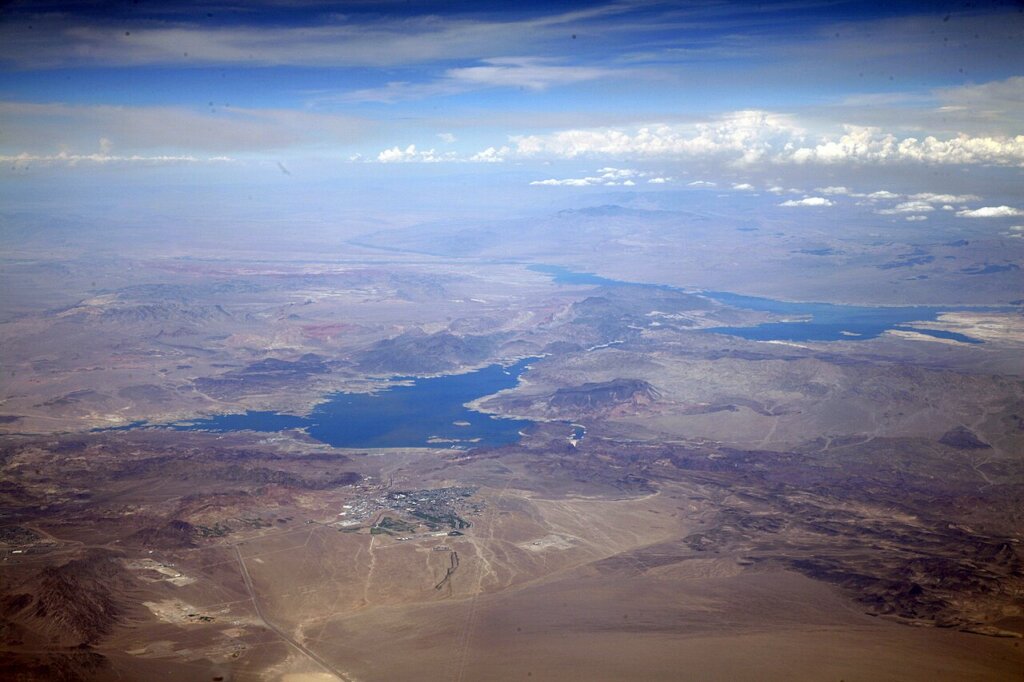
The Colorado River itself is delivering far less water than usual, with forecasts showing just over a third of normal flow during key spring months when reservoirs typically refill. This reduced inflow means Lake Mead is losing more water than it gains, accelerating its decline even before peak summer demand arrives.
A System Under Growing Pressure
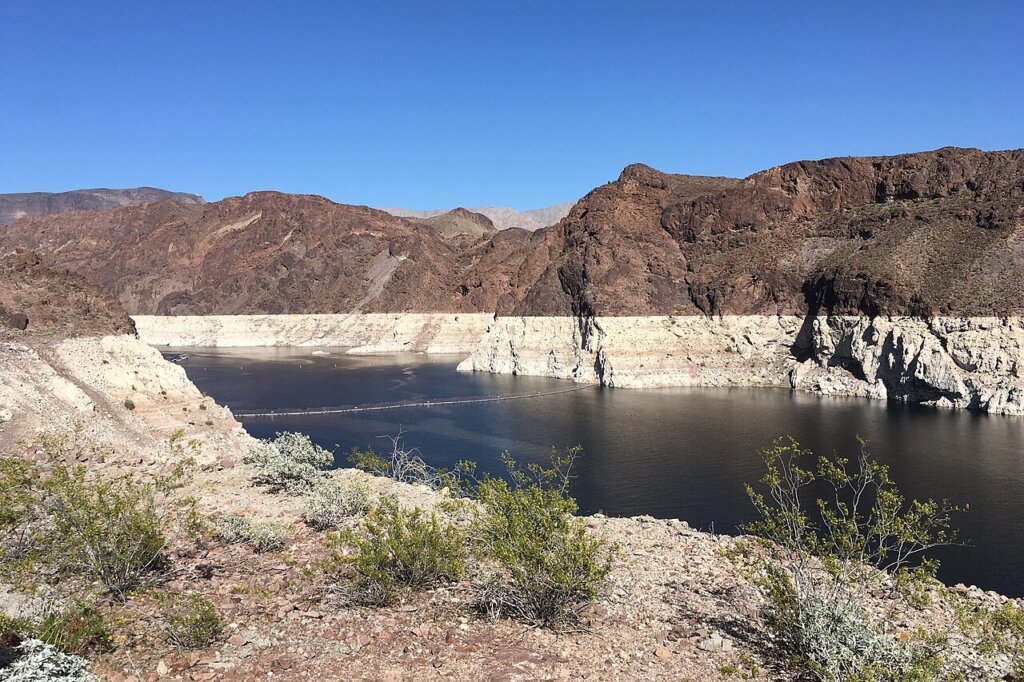
Lake Mead is part of a broader system that supplies water to about 40 million people across the western United States. With Lake Powell upstream also at historically low levels, the entire Colorado River network is under pressure, limiting how much water can be sent downstream to replenish Mead.
Real-World Impacts Already Visible
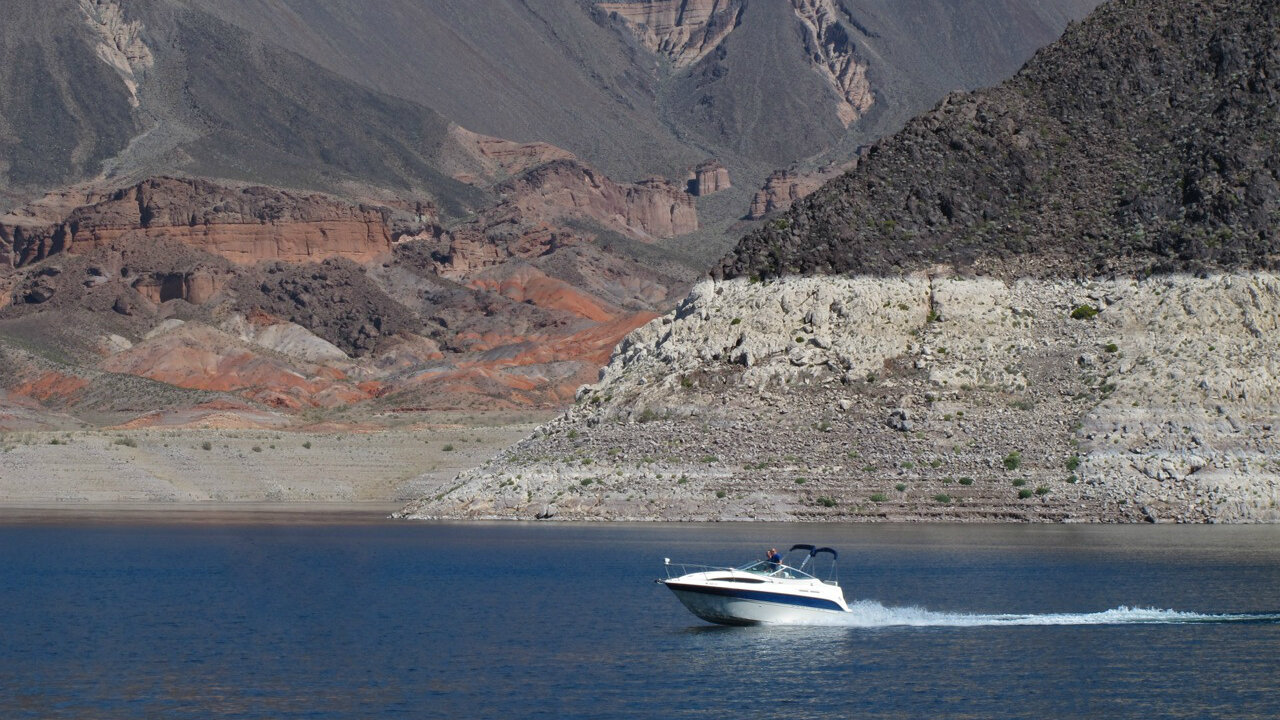
On the ground, the effects are becoming increasingly tangible. Boaters are navigating newly exposed hazards like rocks and debris, while boat ramps are being extended to reach receding water. Longtime visitors say the transformation is striking, with one noting he was “shocked” by how low the lake has become.
Rising Temperatures Add New Risks
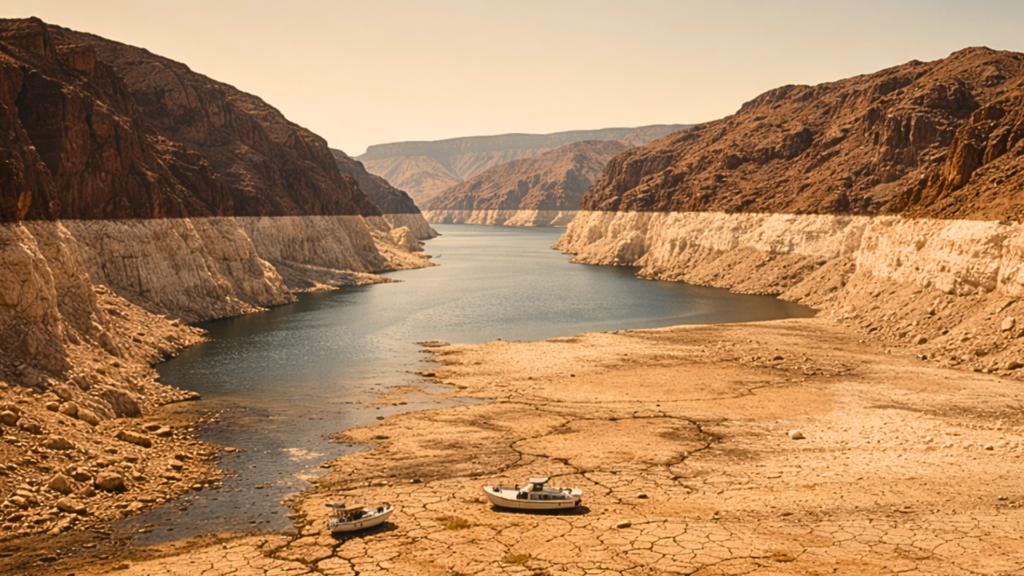
The shrinking lake is also warming, creating new complications beyond water supply. Higher water temperatures could disrupt treatment processes and even affect power generation at Hoover Dam, where turbines rely on cooler water to operate efficiently.
Shortage Levels and Tough Choices Ahead
If projections hold, the region could face a Tier 2 water shortage by 2027, forcing stricter conservation measures across states that depend on the river. While officials emphasize that water supplies remain secure for now thanks to deep-water intake systems, they also acknowledge that using less water will become unavoidable.
A Long-Term Crisis Coming Into Focus
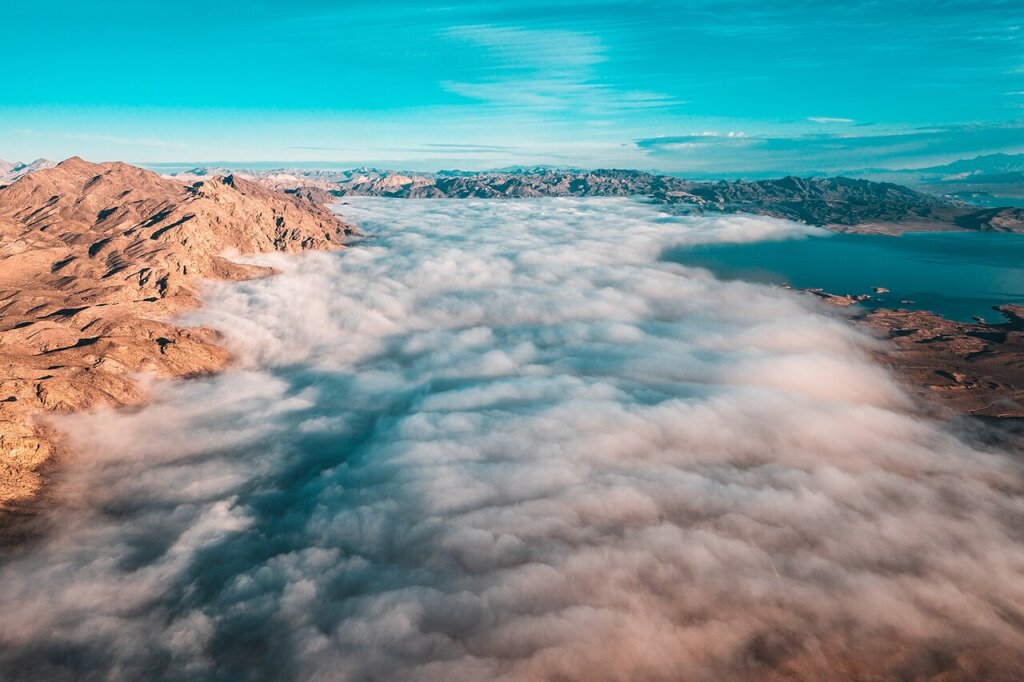
The rapid drop at Lake Mead is not just a short-term fluctuation but part of a longer trend driven by drought and a warming climate that has already reduced water availability across the basin. Even as communities adapt and conserve, the lake’s trajectory points to a future where water scarcity is no longer a distant concern but a defining reality for the American West.