

Products are selected by our editors, we may earn commission from links on this page.
Netflix has officially pushed its premium subscription price to $26.99 per month, marking one of the highest price points the streaming service has ever reached and sparking frustration among longtime subscribers. The increase is part of a broader wave of price hikes across the streaming industry, but Netflix’s top-tier pricing has become a focal point for consumers who feel the cost is beginning to rival traditional cable bills.
The latest adjustment raises all subscription tiers, with the standard ad-free plan now at $19.99 and even the ad-supported tier climbing to $8.99, reflecting a steady upward trend that has accelerated over the past few years. For many users, the cumulative effect of these increases is becoming harder to justify, especially as multiple streaming subscriptions add up each month.
As a result, a growing number of subscribers are rethinking their loyalty, with some openly sharing that they are canceling or scaling back their plans after years of continuous use, signaling a potential shift in how audiences engage with streaming platforms.
Why Netflix Keeps Raising Prices
Netflix says the price hikes are tied directly to its massive investment in content, with the company planning to spend around $20 billion on programming in 2026 alone, including original series, films, live events, and new formats like video podcasts. This level of spending is designed to maintain its position as a global entertainment leader but comes at a cost that is increasingly passed on to subscribers.
In addition to content costs, Netflix is also expanding its platform capabilities, including live streaming, gaming features, and improved user experiences, all of which require ongoing investment. The company has made it clear that periodic price increases are part of its strategy to fund these improvements and maintain quality.
Another key factor is Netflix’s growing focus on its ad-supported tier, which allows the company to offset subscriber losses by shifting some users to lower-cost plans while still generating revenue through advertising, effectively balancing price increases with alternative options.
Why Subscribers Are Starting to Push Back
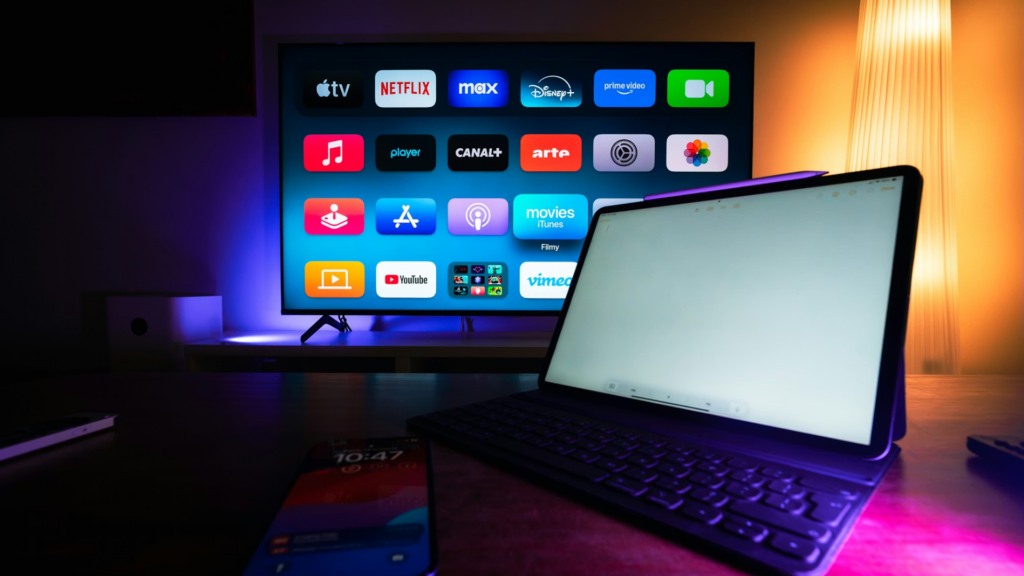
Despite Netflix’s strong market position, subscriber frustration is becoming more visible, with many users taking to online forums and social media to express dissatisfaction over frequent price hikes. Some have described the service as becoming too expensive, especially when combined with other subscriptions like Disney+, HBO Max, and Hulu.
A growing trend known as “subscription rotation” is also gaining traction, where users cancel services during periods of low interest and re-subscribe only when specific shows or movies are released, allowing them to manage costs more strategically.
At the same time, the overall cost of streaming has risen significantly, with the average American now spending around $69 per month on multiple services, highlighting how what was once a cheaper alternative to cable is beginning to resemble it in both structure and cost.
A Turning Point for Streaming Loyalty
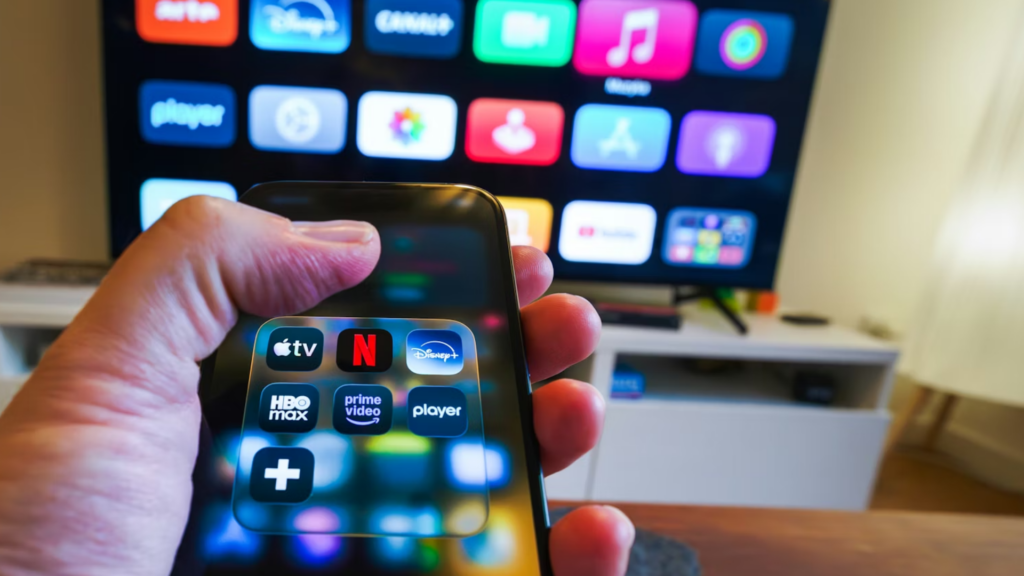
The backlash against Netflix’s latest price increase may signal a turning point in the streaming industry, where consumers become less willing to absorb continuous cost hikes without reevaluating the value they receive.
While Netflix remains a dominant player with millions of subscribers and strong growth potential, its pricing strategy suggests that the company is betting on long-term revenue gains even if it risks losing some customers in the short term.
Ultimately, the shift highlights a broader change in consumer behavior, as viewers move from passive subscribers to more selective users, choosing when and how they pay for content in a landscape that is becoming increasingly crowded and expensive.