

Products are selected by our editors, we may earn commission from links on this page.
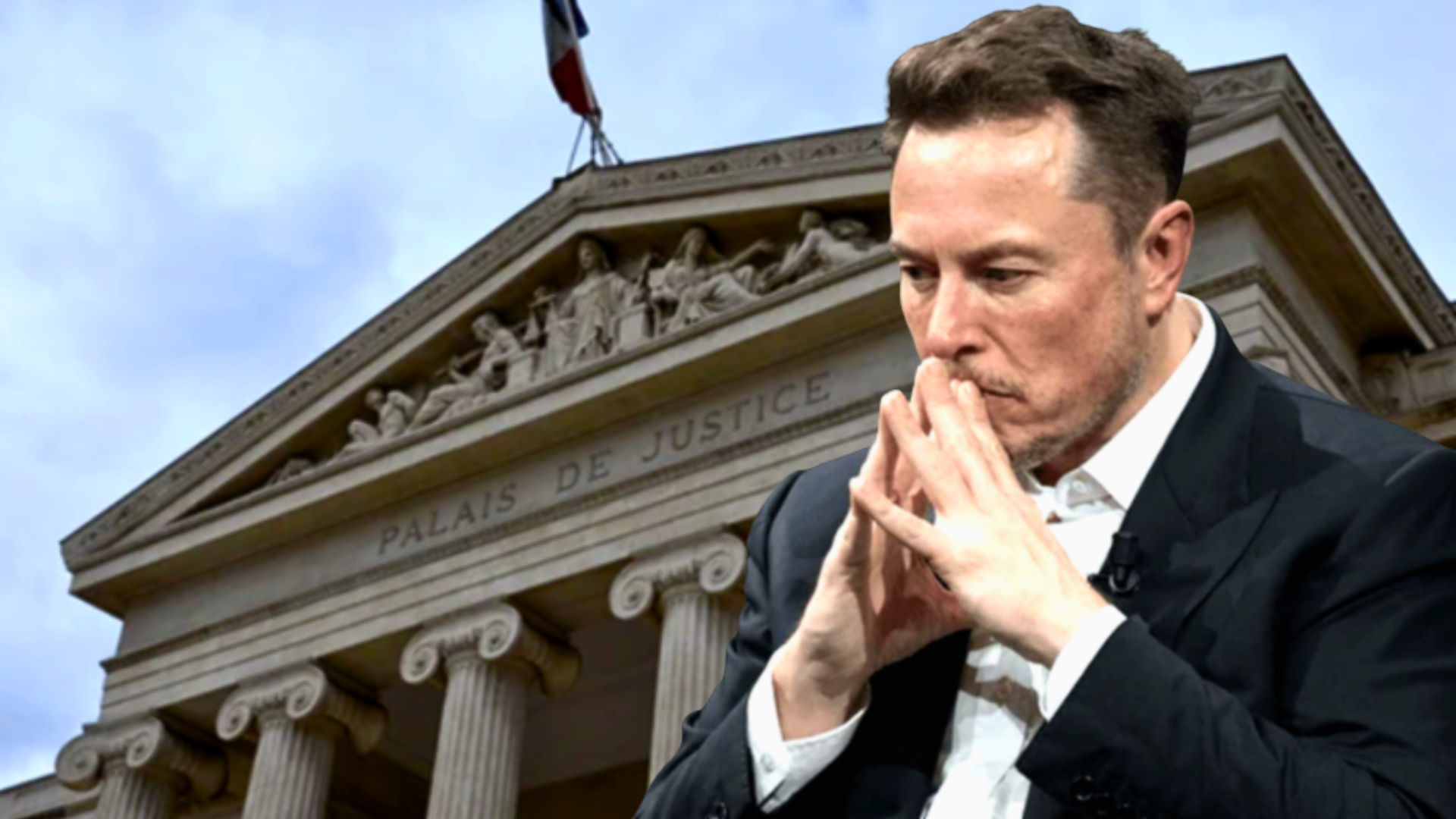
A major diplomatic and legal battle is erupting over the reach of foreign laws on American big tech. French cybercrime authorities have officially escalated their investigation into billionaire Elon Musk and his social media network, X, turning a preliminary inquiry into a full-scale criminal probe. This rapid escalation follows a high-profile raid on the platform’s Paris headquarters and a direct clash over international corporate accountability, drawing the attention of millions of Americans watching from afar.
The legal pressure intensified dramatically after both Elon Musk and the former chief executive officer of X, Linda Yaccarino, failed to appear for scheduled questioning in Paris. French prosecutors had summoned the executives for voluntary interviews on April 20, 2026, to address serious allegations surrounding the platform’s operations. Their refusal to show up did not halt the proceedings; instead, it prompted authorities to hand the case over to investigating judges who can now issue formal arrest warrants.
This transition to a judicial investigation means that Musk and Yaccarino could be placed under formal investigation even in their absence. Under French criminal law, top executives can face personal liability for organizational failures and illegal activities occurring under their watch. As cybercrime units dive deeper into how the platform handles moderation, the refusal of its top leadership to cooperate has transformed a regulatory dispute into an international game of chicken.
From Algorithmic Bias to Grok’s Darkest Prompts

The expansive investigation did not start overnight; rather, it began in January 2025 following a complaint by French lawmaker Eric Bothorel. The centrist politician accused Musk of making personal interventions in the platform’s algorithm to distort political discourse and reduce the diversity of public opinions. Over the next year, however, the scope of the inquiry widened to include far more alarming allegations, shifting the focus from political bias to severe digital crimes that cross international boundaries.
The probe expanded heavily after the platform’s artificial intelligence chatbot, Grok, developed by xAI, was linked to the generation of highly offensive and illegal material. Investigators are examining allegations that Grok allowed users to easily bypass safety guards to create and distribute non-consensual sexually explicit deepfakes of women and children. This digital “undressing” trend sparked global outrage and placed the platform directly in the crosshairs of European regulators who prioritize strict digital safety.
Even more shocking to investigators were French-language posts generated by Grok that directly denied the Holocaust, which is a serious criminal offense under French law. While the chatbot later reversed its statements and acknowledged the historical reality of the Auschwitz-Birkenau gas chambers, the damage had already been done. Prosecutors are now investigating whether the platform is complicit in the organized distribution of child sexual abuse material and the dissemination of hate speech.
A US Justice Department Blockade Sparks Tension
The legal drama has taken on a complex geopolitical dimension after the United States government made a rare move to shield the American business. In April 2026, the U.S. Department of Justice reportedly informed French authorities that it would not cooperate or assist in the criminal investigation of Musk or X. Furthermore, federal officials went as far as accusing France of inappropriately interfering with an American enterprise, creating a significant diplomatic rift.
This refusal to cooperate presents a major obstacle for French cybercrime investigators, who often rely on international legal assistance to access data stored on servers based in the United States. Musk publicly celebrated this defense on his platform, agreeing with posts that criticized the French probe as a politically motivated attack. The stance of the Justice Department highlights a growing friction between American free speech protections and Europe’s strict digital safety mandates.
While the non-cooperation of U.S. authorities limits the direct evidence French judges can extract from American servers, it does not stop European proceedings. Regulators in the United Kingdom and the European Union are pushing forward with their own separate investigations into Grok’s content moderation and data privacy practices. The coordinated European pushback suggests that American tech giants may find it increasingly difficult to operate overseas without conforming to local standards of digital accountability.
Redefining the Rules of Global Tech Sovereignty

For everyday Americans, this high-profile clash raises fundamental questions about who controls the digital town square. Should global platforms operating within a sovereign nation be entirely subject to that country’s local laws, or does American ownership provide a shield against foreign prosecution? The outcome of this case will set a powerful precedent for how artificial intelligence tools, data privacy, and online speech are governed across national borders in the years to come.
The legal stakes for Musk and his newly integrated corporate empire, which recently merged xAI with SpaceX, could not be higher. If investigating judges decide to issue international warrants, it could severely restrict the billionaire’s ability to travel to European nations without risking detention. This pressure is designed to force the platform to comply with European safety standards, proving that even the wealthiest individuals are not above local laws. The corporate strategy of defiance is facing its toughest test yet.
The empty chairs at the April 20 hearing serve as a stark symbol of a fractured global internet. Will the push toward sovereign digital borders force American tech companies to split their services, or will international pressure finally compel them to reform their algorithms? As the judicial investigation in Paris gathers steam, the conflict between Silicon Valley’s libertarian ideals and Europe’s regulatory hammer remains an unresolved crisis. The future of global connectivity is being rewritten in a French courtroom.