

Products are selected by our editors, we may earn commission from links on this page.
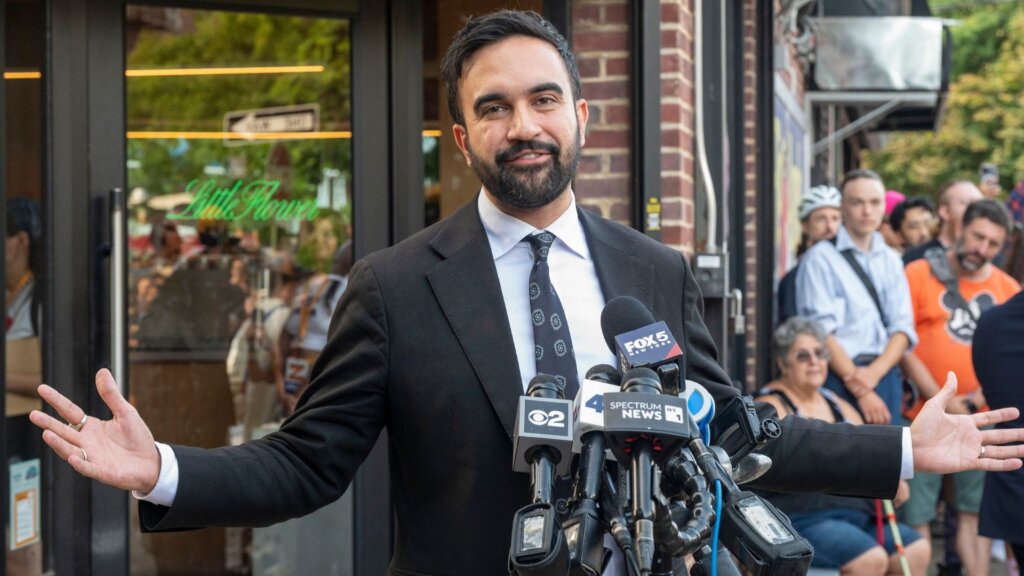
Three months into his first term, New York City Mayor Zohran Mamdani walked into a press conference and made a claim that even his allies had doubted was possible: the city’s historic budget gap was gone. His administration had inherited what it described as a $12 billion deficit, driven by a pattern of underbudgeted essential services including rental assistance, shelter operations, and special education. The announcement landed like a thunderclap in a city still bracing for pain.
Mamdani had first driven the gap down from $12 billion to $5.4 billion through aggressive early action, then closed the remainder through $4 billion in state aid from Albany and $1.77 billion in savings, mostly through agency efficiencies and leaving vacant positions unfilled. He told reporters, “It has not been easy, but we have balanced the budget, and we have done so without placing the burden on the backs of working New Yorkers.” The strategy was deliberate, and it carried risk at every turn.
The resulting $124.7 billion budget proposal closes the projected two-year deficit without drawing from the city’s rainy day reserves, raising property taxes, or making major cuts to social services. The mayor described it as the beginning of a new era of city governance. But the full picture of how the deficit reached zero, and whether it will hold, is more complicated than the headline suggests.
This article was created with the assistance of AI and reviewed by our editorial team for accuracy and clarity.
Tax the Rich
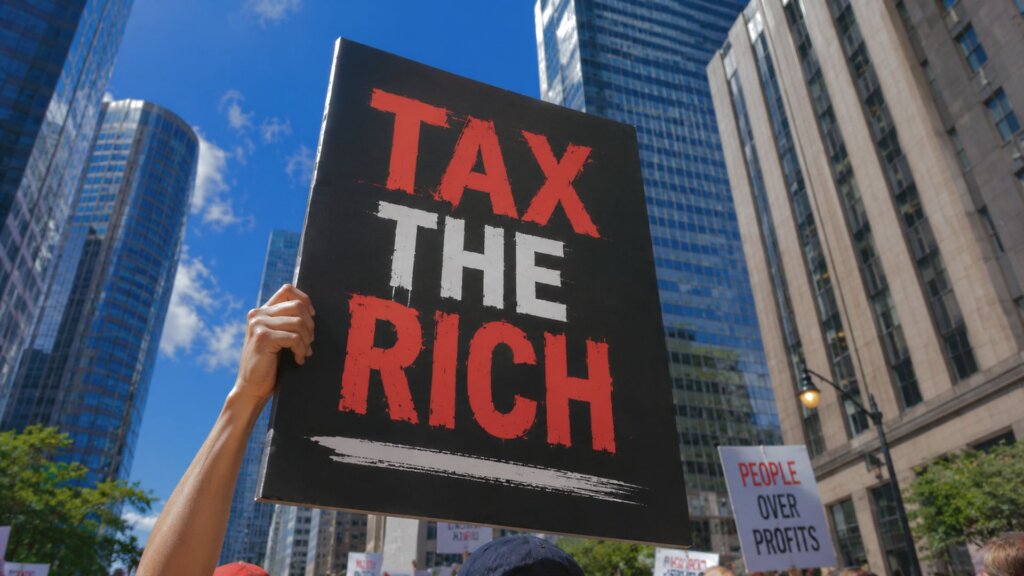
The budget’s architecture rests on two pillars: a new revenue stream targeting the wealthy and a strengthened partnership with Governor Kathy Hochul. Mamdani pursued a pied-à-terre tax on luxury second homes, and the state contributed $352 million in direct aid, $3.2 billion from programs requiring state authorization, and $500 million in new revenue to help close the two-year gap. For a mayor who ran on taxing the rich, the Albany relationship proved just as critical.
Mamdani was direct about the strategy: “We scoured for savings and demanded greater efficiency from every part of city government. We partnered with Albany, securing billions in new funding, and reversing many of the cost burdens that Andrew Cuomo shifted to the city over his decade as governor. And we taxed the rich, asking those with the most to contribute a little bit more to support those with the least. We pulled New York City back from an existential fiscal brink.”
The mayor also deployed a structural innovation inside city government. He appointed “chief savings officers” in every city agency to identify waste and inefficiencies, and those officers collectively found $1.77 billion in savings. Rather than issuing blanket cuts, the approach targeted redundancy. Albany sources also say the city sought a new tax on cash sales of luxury apartments valued above $1 million, expected to raise $100 million annually, with legislative approval still in play.
Billionaires, the White House, and Watchdog Warnings
The pied-à-terre tax drew an immediate response from the city’s wealthiest residents. Citadel CEO Ken Griffin, whom Mamdani called out by name in front of his $238 million penthouse, pushed back publicly. “With 1% of New York taxpayers paying 45% of all the taxes, the city is in a precarious position if they make those who create value feel like they’re best off moving their businesses and their lives to other jurisdictions,” Griffin said on CNBC. The tension between the mayor’s ideology and economic reality was now fully public.
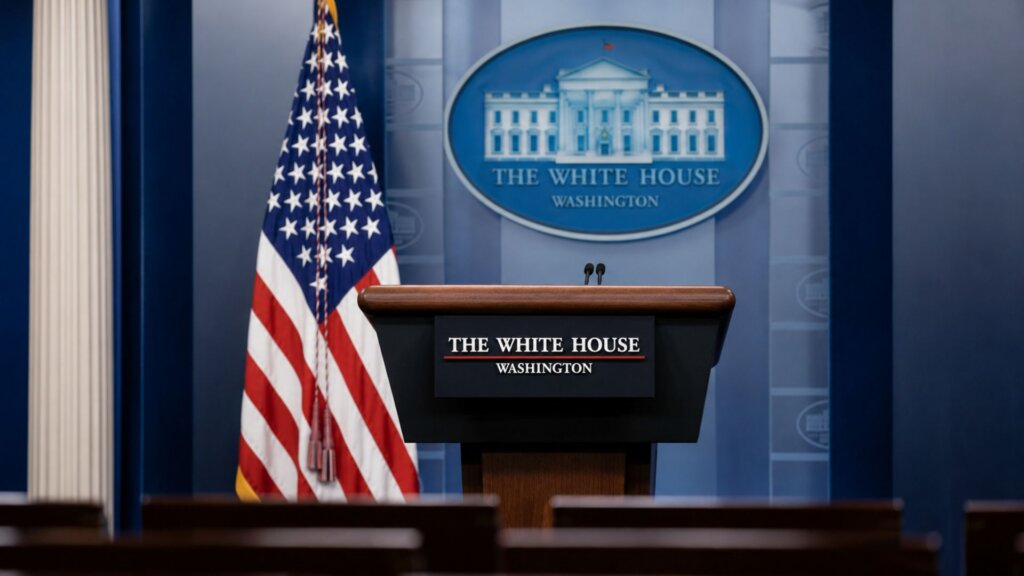
President Trump weighed in from Washington, urging Mamdani to reconsider his approach to the city’s top earners. “You’ve gotta cherish them. You’ve gotta bring them to the office. You gotta meet them. You have to have dinner with them. You have to convince them not to leave. You’re going to make their life great,” Trump said on WABC radio. Republican Nassau County Executive Bruce Blakeman, running against Hochul for governor, called the $4 billion state contribution “the largest daylight robbery in New York history.”
Fiscal watchdogs raised a separate set of concerns. The Citizens Budget Commission noted the budget relies on billions of dollars in one-shot or short-term money to fund permanent programs, stretches out pension payments onto future generations, and already projects a $7 billion deficit for fiscal year 2028. Comptroller Mark Levine estimated one-time funds amount to $2.8 billion. Fiscal experts noted they could not remember a time when a mayor failed to acknowledge future-year deficits in a budget presentation.
What the Budget Actually Buys, and What Comes Next

Beyond the deficit math, the budget makes concrete investments across the city. It commits to hiring 1,000 more teachers and spending $1.5 billion to build new schools, along with $500 million to renovate NYCHA apartments and $256 million to restore vacant units. Libraries, parks, and cultural institutions received baseline funding rather than the annual budget-cut-and-restore cycle that has defined city politics for years. Mamdani called it a rejection of politics as usual.
The mayor also removed a structural irritant that has frustrated advocates for years. Rather than cutting library, parks, and cultural funding ahead of City Council negotiations, the budget locks in $31 million for libraries, $15 million for parks, $10 million for cultural institutions, and $25 million for the Fair Fare transit assistance program from the outset. “We reject a budgeting process that systematically erodes the bedrock of our city,” Mamdani said. Those baseline commitments signal a deliberate shift in how the administration intends to govern.
Mamdani called the outcome “a win, not just for our administration, but for the city of New York,” adding that it proves government can pursue fairness and fiscal responsibility at the same time. The City Council has not yet approved the budget, which must be finalized by June 30, 2026. Whether the agreement with Albany holds, whether the new taxes survive legal and legislative scrutiny, and whether the projected 2028 deficit can be closed without the same level of state generosity are the questions that will define this mayoralty long after the celebration fades.