

Products are selected by our editors, we may earn commission from links on this page.
Every job comes with the possibility of being let go. That includes the most powerful office in the United States. Impeachment is the constitutional mechanism that makes it possible to remove a sitting president, vice president, or any federal official from power. It is rare, deliberately difficult, and politically explosive. But it exists for a reason: to ensure that no one in government, however powerful, is completely untouchable.
This article was created with the assistance of AI and reviewed by our editorial team for accuracy and clarity.
What Impeachment Actually Means (It’s Not What Most People Think)
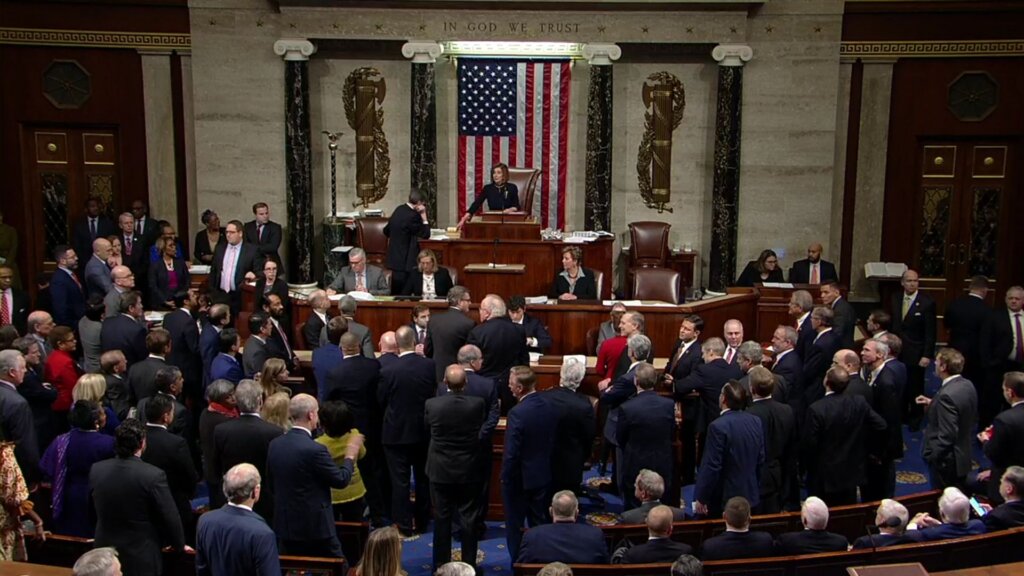
Impeachment is widely misunderstood as the act of removing someone from office. It is not. Think of it the way a criminal indictment works: it is a formal accusation, not a verdict. When the House of Representatives votes to impeach an official, it is essentially charging that person with misconduct and sending the case to the Senate for trial. The official can still be acquitted. Removal only happens if the Senate convicts.
A British Invention Reborn in a Republic Without a King
Impeachment originated in medieval England, where Parliament developed it as a way to remove corrupt government ministers, even without the king’s approval. The monarch, however, could never be impeached, since all government authority was seen as flowing from the crown. When America’s founders built a republic with no king and no inherited power, they adapted the concept into something more sweeping: a tool Congress could use against any civil officer, including the president.
How the Process Begins in the House of Representatives
Only the House of Representatives has the power to initiate impeachment. The process typically starts when charges are referred to key committees, most often the House Judiciary Committee, which reviews the accusations and examines the evidence. If the committee finds sufficient grounds, the full House votes on specific charges called Articles of Impeachment. A simple majority passing even one article is enough to impeach the official and advance the case to the Senate.
The Senate Takes Over: Judge, Jury, and a Two-Thirds Threshold
Once an official is impeached, the Senate conducts the trial. House members called “managers” serve as prosecutors, while the accused presents a defense. Senators act as both judge and jury. In presidential impeachment trials, the Chief Justice of the Supreme Court presides over the proceedings. Conviction requires a two-thirds supermajority, a deliberately high bar. A guilty verdict triggers automatic removal from office and can also bar the person from holding federal office again.
High Crimes and Misdemeanors
The Constitution limits impeachable offenses to treason, bribery, and “other high crimes and misdemeanors.” That last phrase has never been precisely defined, leaving room for interpretation and, inevitably, politics. Most legal scholars agree it refers to serious abuses of public trust rather than ordinary criminal acts. The ambiguity means every impeachment effort becomes partly a legal argument and partly a political battle, since Congress itself decides what crosses the line.
From William Blount to Donald Trump: A Short, Turbulent History
The first federal official impeached was Tennessee Senator William Blount in 1797, charged with conspiring to help Britain seize Spanish-controlled territories. Since then, the House has launched impeachment investigations roughly 60 times, with only a fraction proceeding to trial. Every official actually convicted and removed has been a federal judge. No U.S. president has ever been removed from office through the process, despite it being initiated five times across four presidents.
Presidential Impeachments: Three Presidents, Five Times, Zero Removals
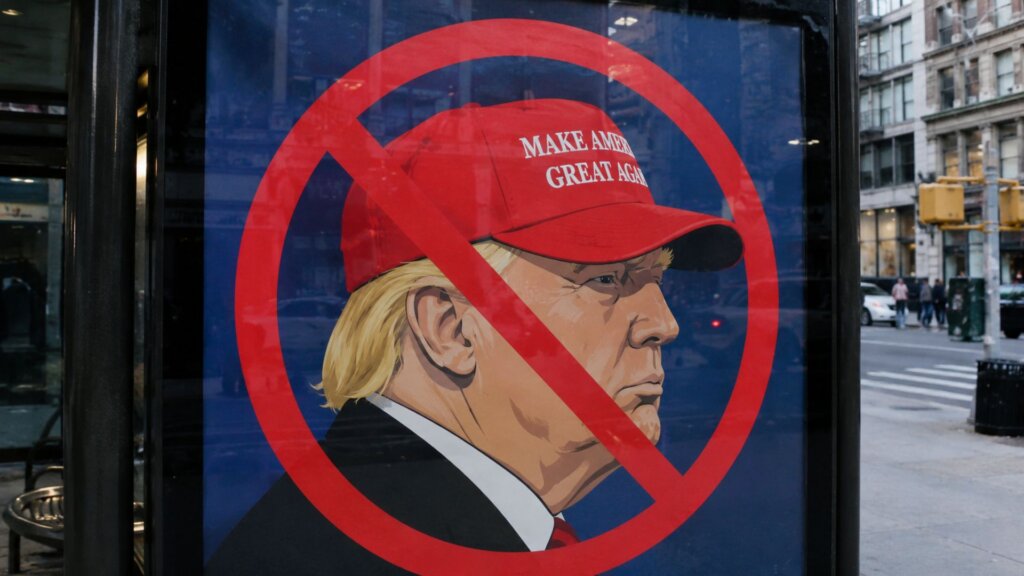
Andrew Johnson was impeached in 1868 for defying the Senate over a Cabinet appointment; Bill Clinton in 1998 for lying under oath; and Donald Trump twice, first in 2019 for abuse of power tied to Ukraine, then in 2021 following the January 6 Capitol attack. All four Senate trials ended in acquittal. Richard Nixon, often misremembered as impeached, resigned in 1974 before a House vote could take place, knowing conviction was near certain.
A System Built to Prevent Itself From Being Weaponized
The founders were aware that a partisan legislature could abuse impeachment to neutralize political rivals. The two-thirds conviction threshold in the Senate was deliberately designed to make removal nearly impossible without broad, bipartisan agreement. Every presidential impeachment in U.S. history has divided largely along party lines, which is precisely why none resulted in removal. The high bar frustrates critics, but it also protects the process from becoming a routine political weapon against whoever holds the presidency.
The Emergency Brake Built Into American Democracy
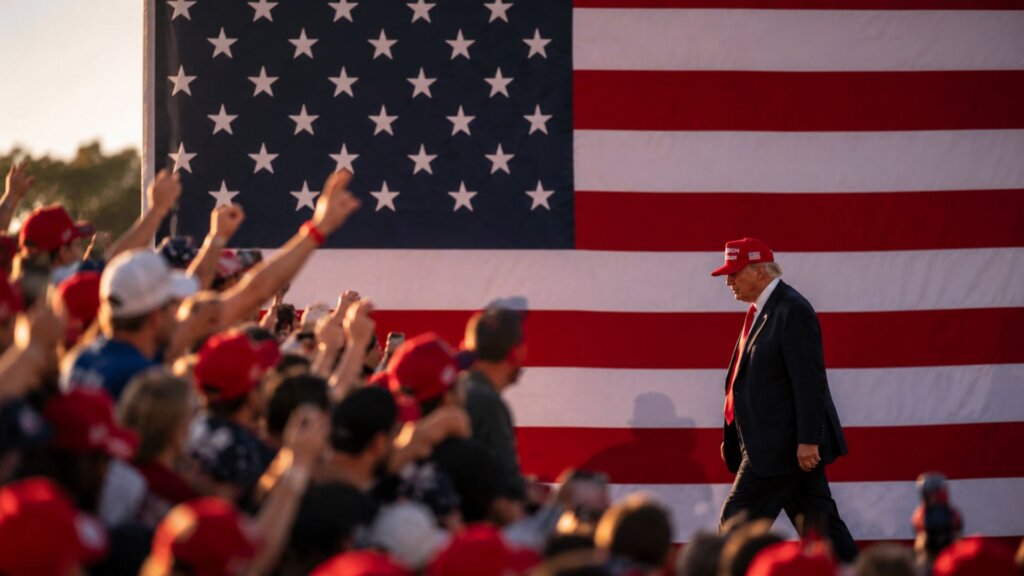
The United States already has checks and balances, term limits, and free elections to constrain power. Impeachment sits above all of them, reserved for situations where those safeguards have already failed. It has never removed a president. But the credible threat of it has shaped presidential behavior, forced resignations, and signaled to the public that accountability remains possible. The weapon exists not because it is used often, but because its existence changes how power is exercised.