

Products are selected by our editors, we may earn commission from links on this page.
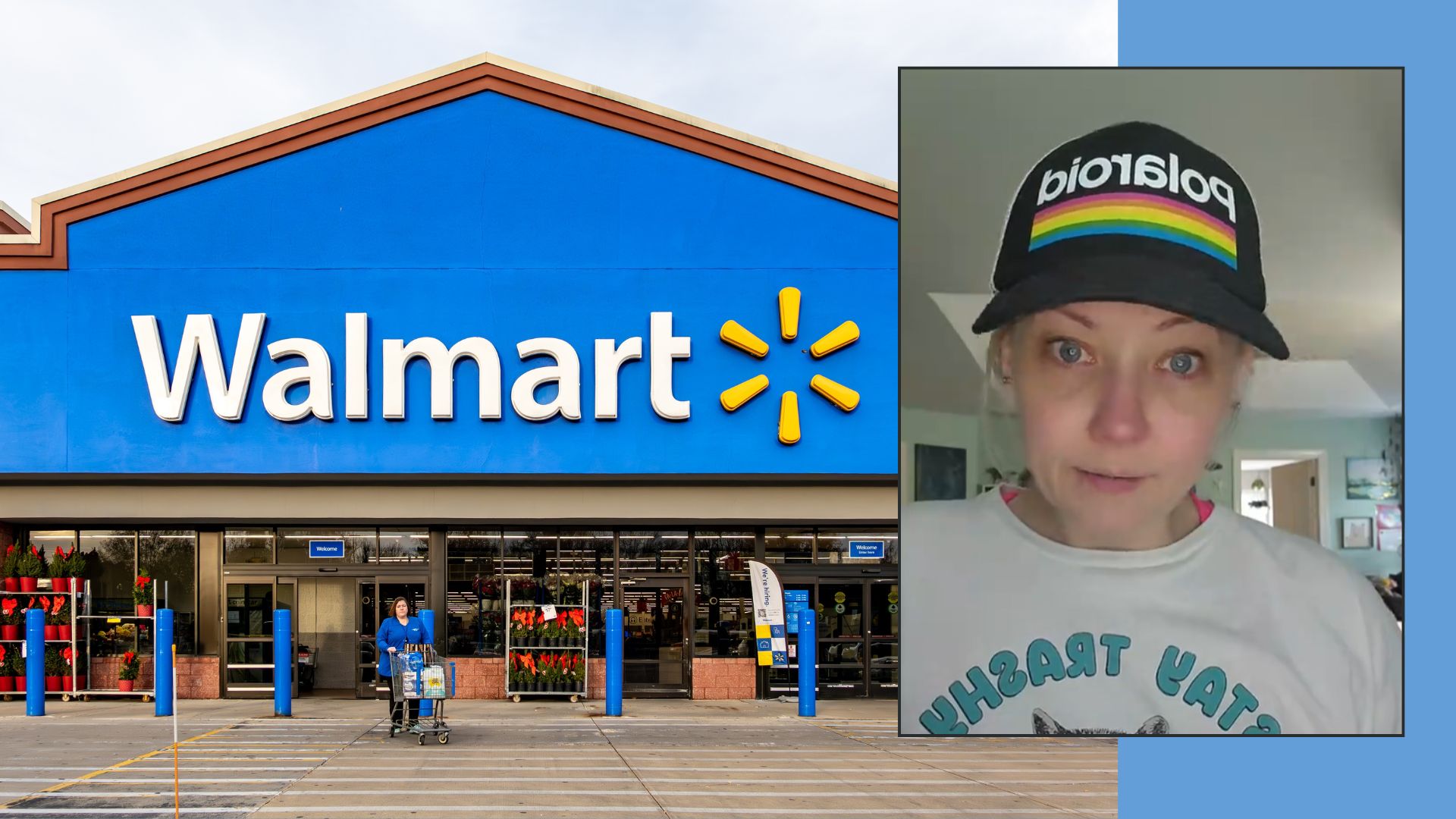
What started as a hunt for affordable shoes quickly turned into a debate about the future of retail pricing. Kat, a TikTok creator, documented a frustrating Walmart shopping trip in a five-part video series after finding children’s sneakers marked down from $18.98 to $3, only to see the price change repeatedly as she moved through the store and eventually reached checkout. Her videos, which drew millions of views, transformed a dispute over a single pair of shoes into a broader conversation about digital shelf labels, dynamic pricing technology, and whether shoppers can trust that the price they see will still be the price they pay when they reach the register.
The Shoe Hunt That Sparked Questions
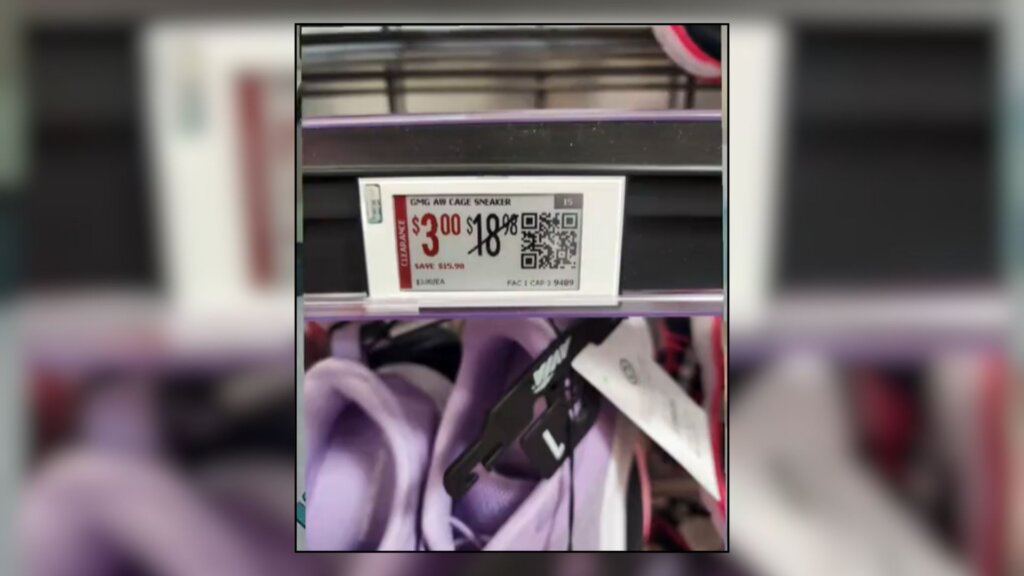
The shopper, Kat, said she initially found a display showing the shoes discounted to $3. After scanning barcodes and QR codes, she eventually located the correct pair elsewhere in the store and verified that they appeared to be marked down. Confusion began when different scans appeared to produce different results, raising concerns about whether the displayed price matched what customers would ultimately pay.
Checkout Brought Another Price Change
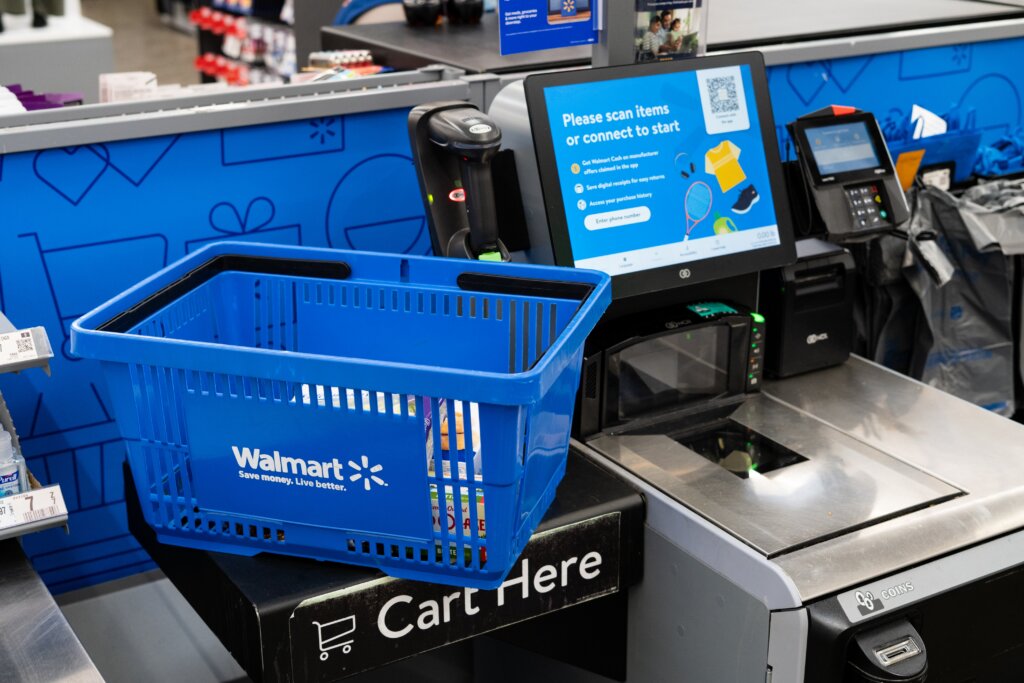
According to Kat’s video, the sneakers rang up at $18.98 when she reached self-checkout roughly 20 minutes later. She said she showed store employees photos of the shelf label and attempted to demonstrate that the same item had previously scanned at $3. The disagreement escalated into discussions with multiple employees and managers as she tried to determine why the price appeared to change.
Why The Story Resonated Online
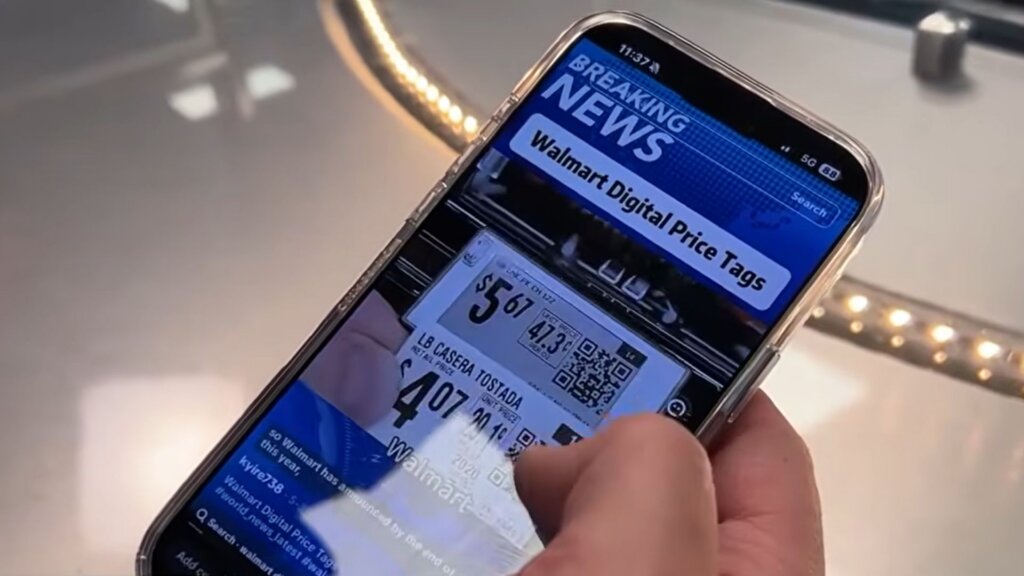
The videos attracted millions of views because they touched on a broader fear many shoppers already have: that prices could shift while they are actively shopping. Kat argued that consumers should not have to photograph every item to prove shelf prices later. Even after managers eventually honored the $3 price, she maintained that the larger issue was the possibility of prices changing during a shopping trip.
What Walmart’s Digital Shelf Labels Actually Do
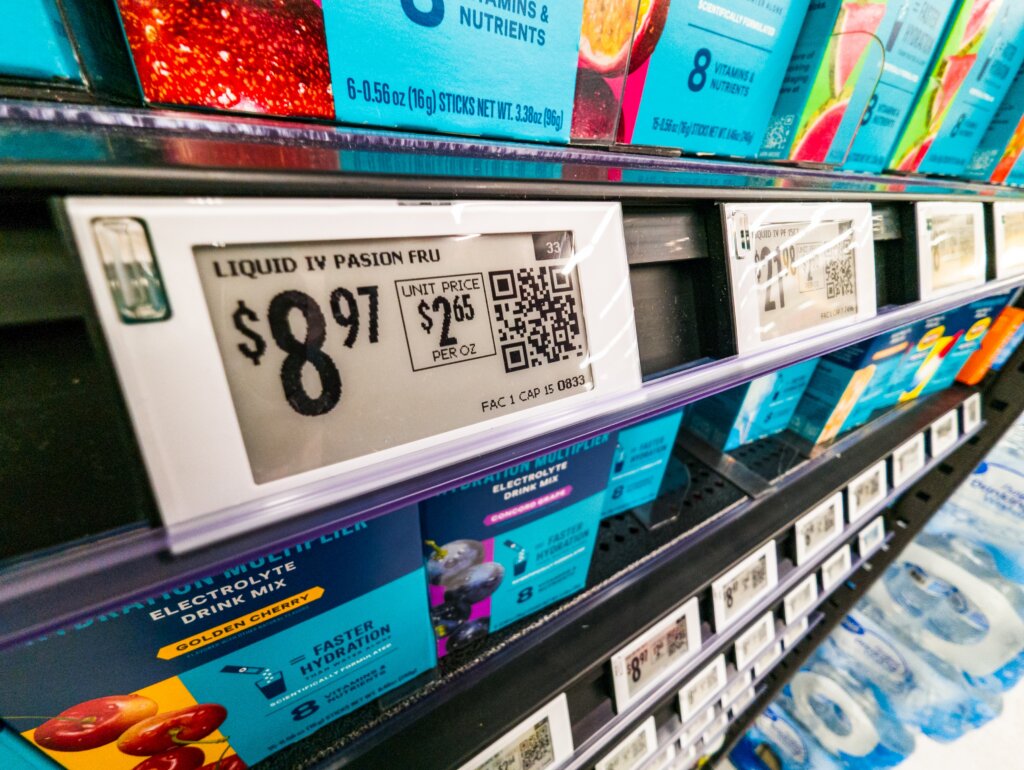
The controversy arrives as Walmart expands digital shelf labels across its U.S. stores. These electronic displays replace paper price tags and allow updates to be made remotely. Walmart says the primary purpose is efficiency, eliminating the labor-intensive process of manually replacing thousands of paper labels throughout a store. The company has stated that stores do not use the system to raise prices throughout the day and that updates are generally processed overnight.
The Benefits Supporters Point To
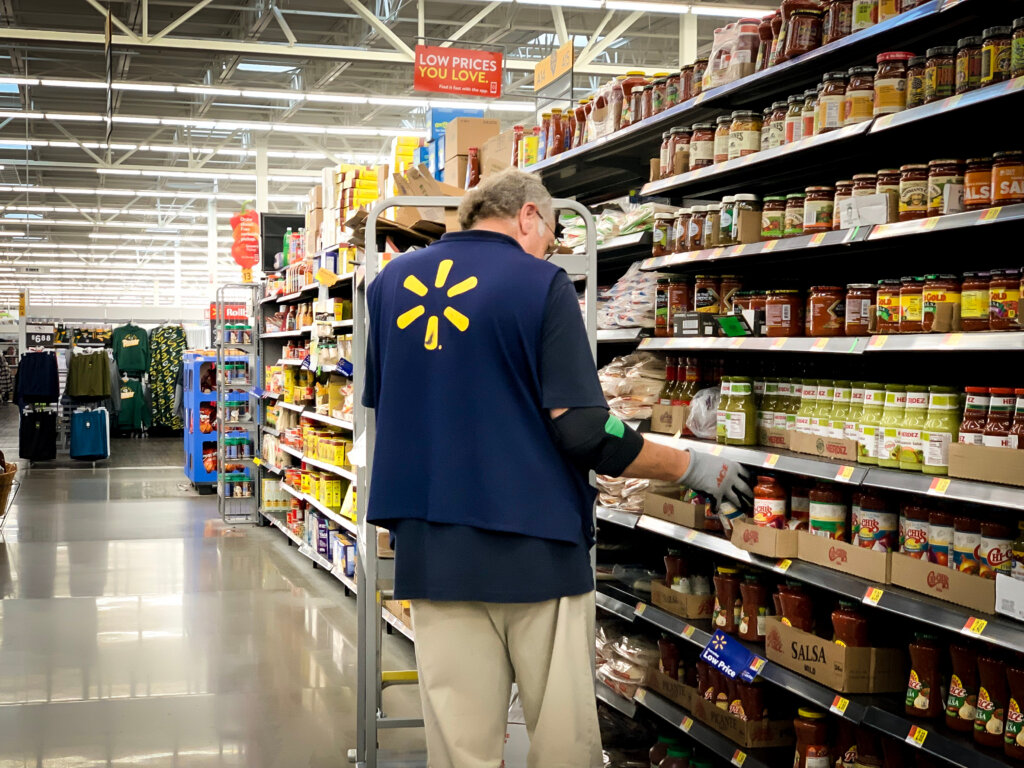
Retailers and some economists argue that digital pricing technology can improve store operations. Walmart employees interviewed by WGAL said digital labels free workers from spending hours replacing paper tags, allowing them to focus on stocking shelves and assisting customers. Supporters also argue that more responsive pricing can help retailers manage inventory, reduce waste on perishable products, and better match supply with demand.
Why Critics See A Slippery Slope
Critics are less concerned about today’s use of the technology than its future potential. Because digital labels can be updated instantly, consumer advocates worry they could eventually enable real-time price changes based on demand, inventory levels, or other algorithmic signals. Critics argue that grocery shopping has traditionally relied on predictable pricing, and frequent fluctuations could undermine consumer trust.
The Growing Debate Over Dynamic Pricing

Dynamic pricing already exists in industries such as airlines, hotels, ride-sharing services, and online marketplaces. Marketing experts define it as adjusting prices according to market conditions, demand, timing, or supply levels. While consumers have largely accepted the practice for travel and transportation, many remain uneasy about bringing similar pricing models into grocery and retail stores where customers expect stable prices.
Public Opinion And Legislative Pushback
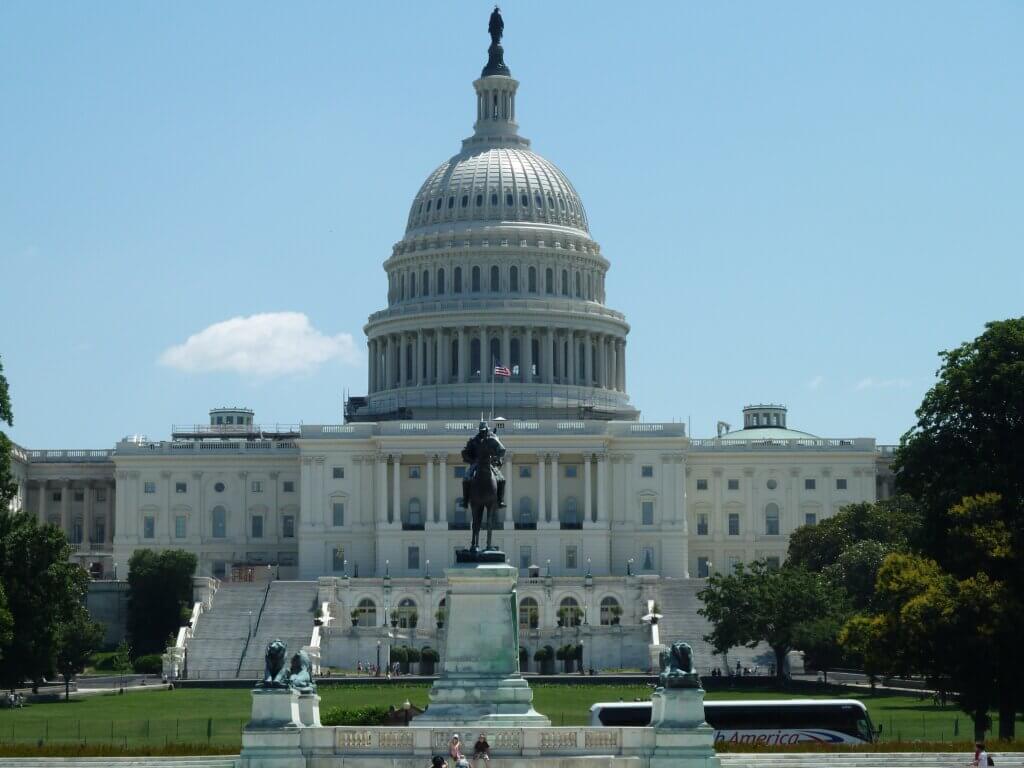
Consumer concerns are increasingly influencing public policy discussions. A survey conducted by GBAO Strategies for the United Food and Commercial Workers International Union found that nearly 70% of Americans were concerned about pricing systems that could alter costs based on consumer data or other variables. Some states have already taken action. Maryland has passed legislation restricting certain forms of dynamic pricing in grocery settings, while lawmakers in Pennsylvania are considering legislation that would prohibit dynamic pricing on essential goods.
The Real Test Is Still Ahead
The dispute over a pair of children’s shoes may ultimately be remembered less for the price difference and more for what it revealed about public trust. Walmart insists its digital shelf labels are designed to improve efficiency rather than introduce surge-style pricing, and recent reporting found no evidence of prices changing during the same day in tested stores. Yet as retailers adopt increasingly sophisticated pricing technology, shoppers, regulators, and companies will continue debating where convenience ends and dynamic pricing begins.