

Products are selected by our editors, we may earn commission from links on this page.
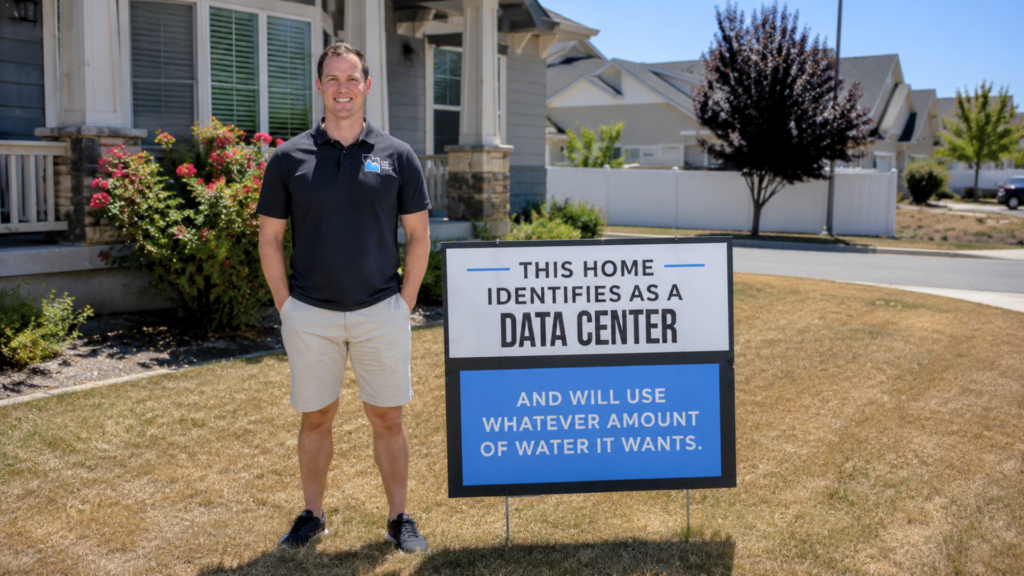
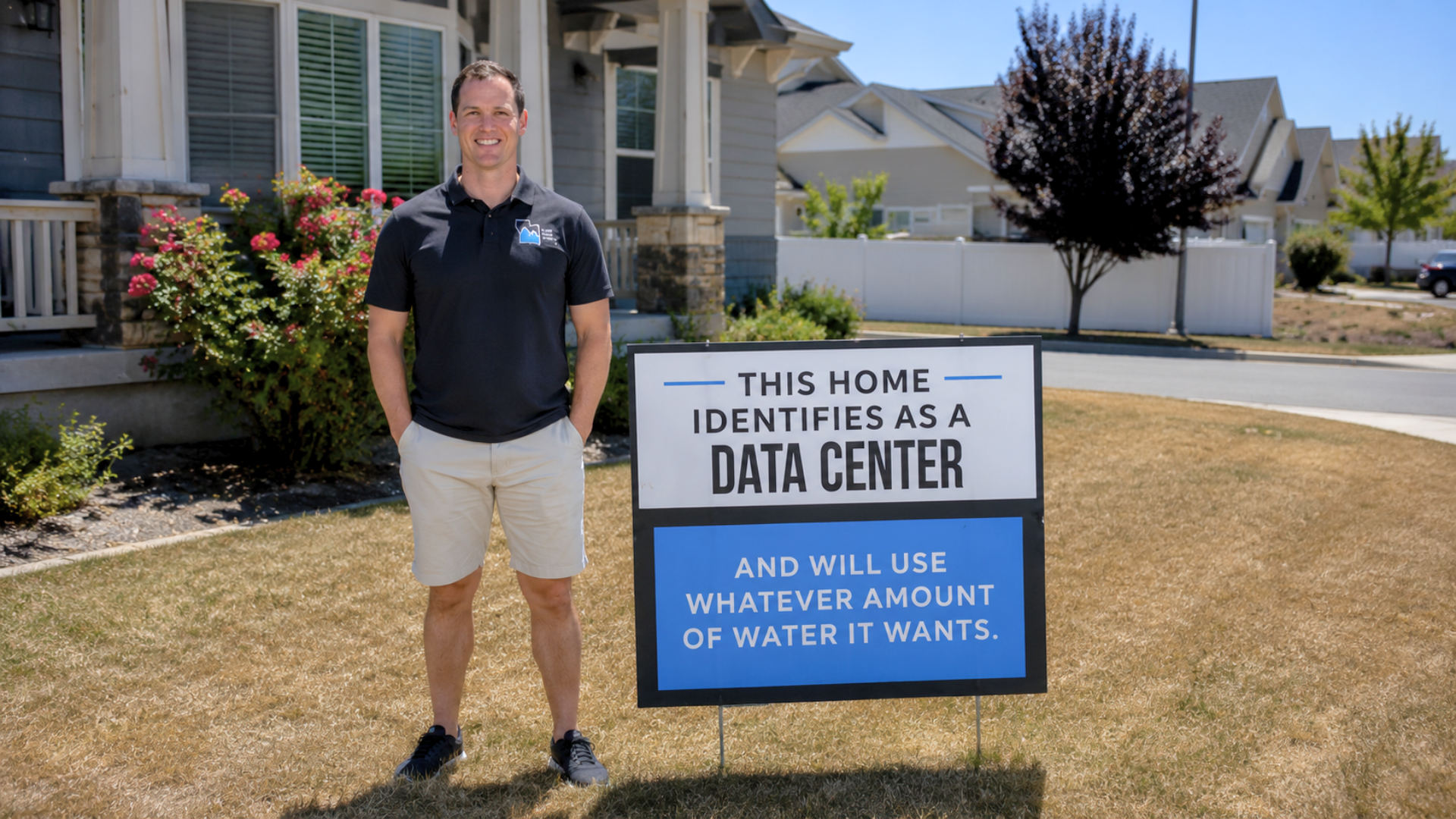
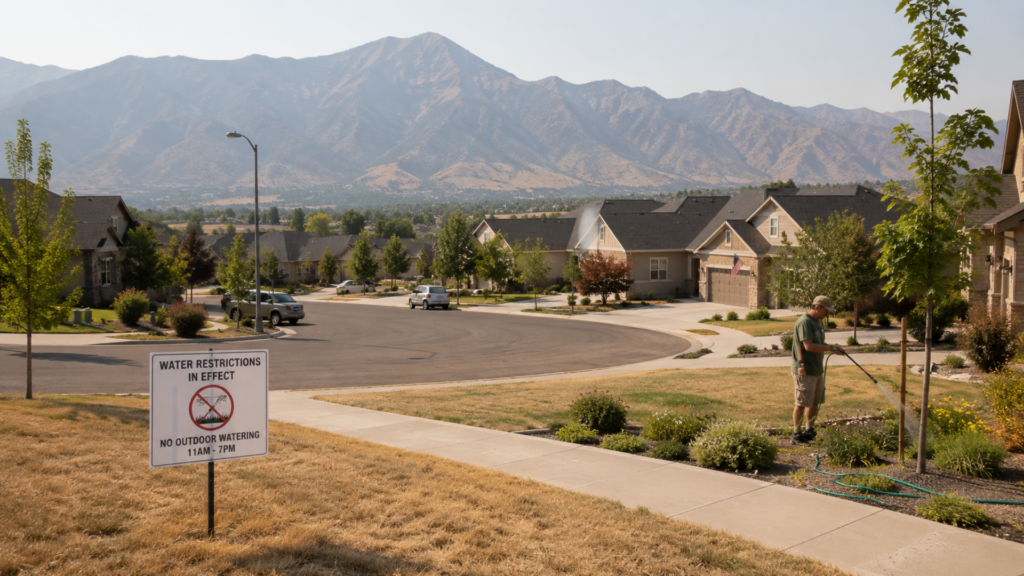
Every summer, ordinary suburban homeowners face mandatory restrictions on watering their lawns to preserve diminishing local reservoirs. Seeking to highlight a glaring systemic contradiction, a resident in northern Utah placed a viral message on his grass claiming his house was an active digital warehouse. This provocative social display instantly transformed a private neighborhood frustration into a massive public debate regarding utility privileges. It successfully engaged thousands of citizens who felt corporate infrastructure was quietly outpacing public resource limits.
This article was created with the assistance of AI and reviewed by our editorial team for accuracy and clarity.
National media coverage and regional environmental reporting quickly verified the spreading suburban protest.
The spontaneous local demonstration was documented by the Daily Mail, which tracked how the satirical messages rapidly spread through suburban communities and digital networks. Investigative reports from regional outlets like KSL News and the Salt Lake Tribune confirmed that neighborhood groups are actively backing the demonstration. These organizations have cross referenced community water limits against massive industrial utility proposals. This widespread institutional coverage verified that the single front yard display perfectly captured an authentic, growing regional resource conflict.
Public records reveal a multi-billion dollar artificial intelligence complex that demands massive utility infrastructure.
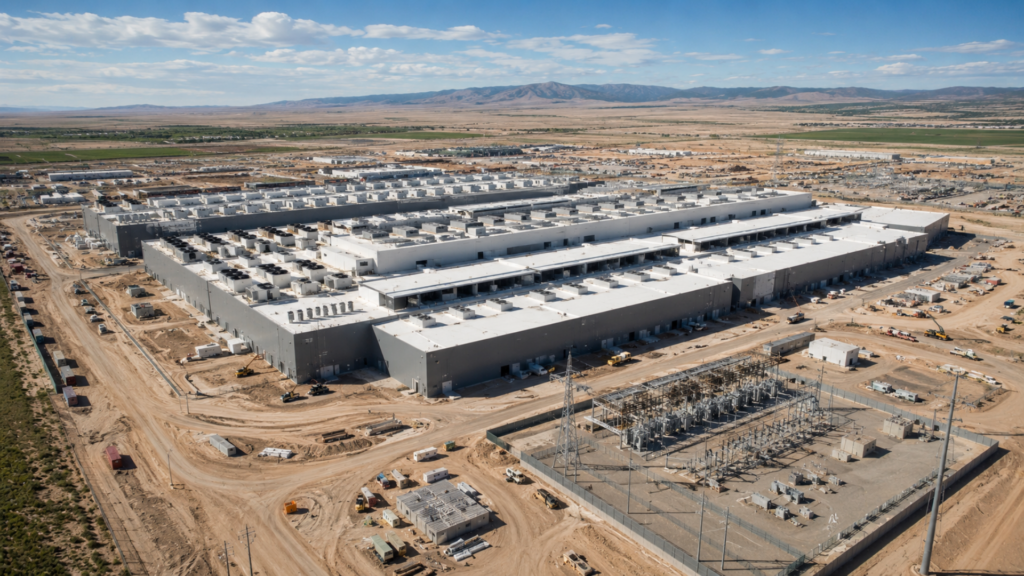
The escalating public tension centers on the proposed Stratos Project, a massive computing initiative backed by venture capitalist Kevin O’Leary. Official documents show the original development blueprint encompassed 40,000 acres, an area roughly equal to the entire geographic footprint of Washington, D.C. The initial construction phase alone carries a projected cost of 4 billion dollars. This massive financial investment represents a sum larger than the combined annual municipal budgets of dozens of surrounding American cities and towns.
State leaders mandated strict water cutbacks for citizens while simultaneously advancing the massive computing campus.
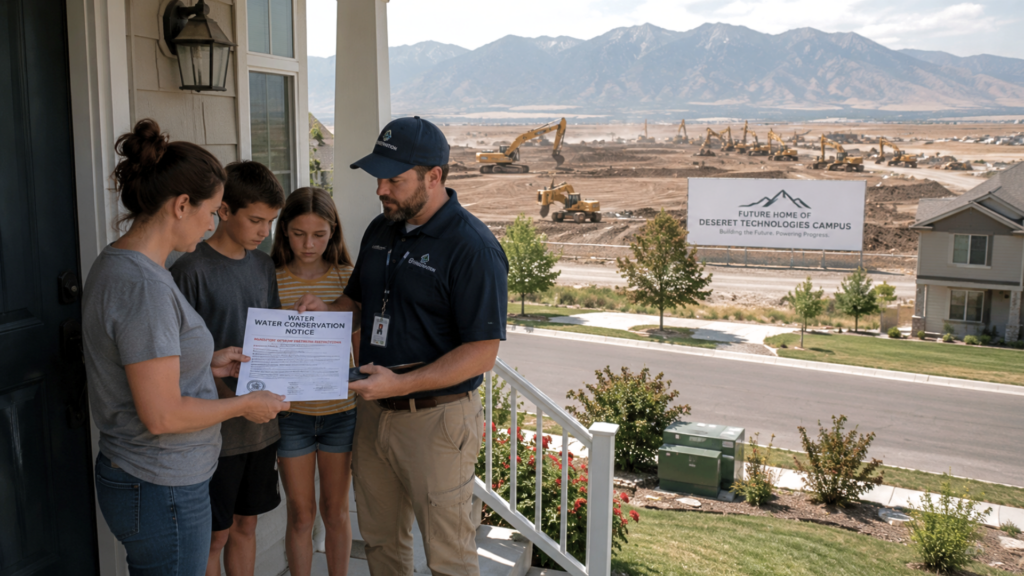
Local officials instituted mandatory municipal limits on residential utility use after warning that area reservoir levels had reached dire conditions. Yet, during this identical period, quasi-governmental state authorities quietly approved a massive tax incentive framework to accelerate the corporate computing development. This policy intersection triggered intense public backlash from residential taxpayers. Citizens argued that ordinary working families were being forced to sacrifice basic household comfort while massive data firms received official state prioritization.
The creative organizer utilized targeted humor to expose what he viewed as official policy hypocrisy.
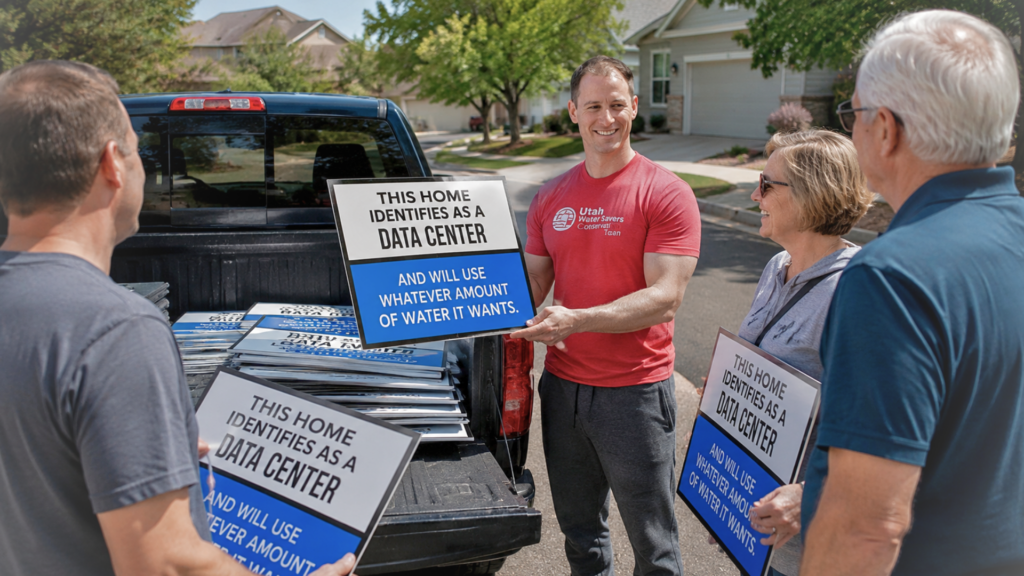
Jordan Smith, a 36-year-old father of three living in Riverdale, Utah, personally designed and distributed the provocative yard signs. He selected the specific phrasing to mimic corporate identity language, intentionally forcing passing motorists and online browsers to pause their daily scrolling. Smith clarified that his grassroots effort is not an attack on modern computing technology itself. Instead, it is a deliberate attempt to demand total transparency and rigorous, long term municipal planning from elected representatives.
A viral statement demands complete transparency for local resource allocation.
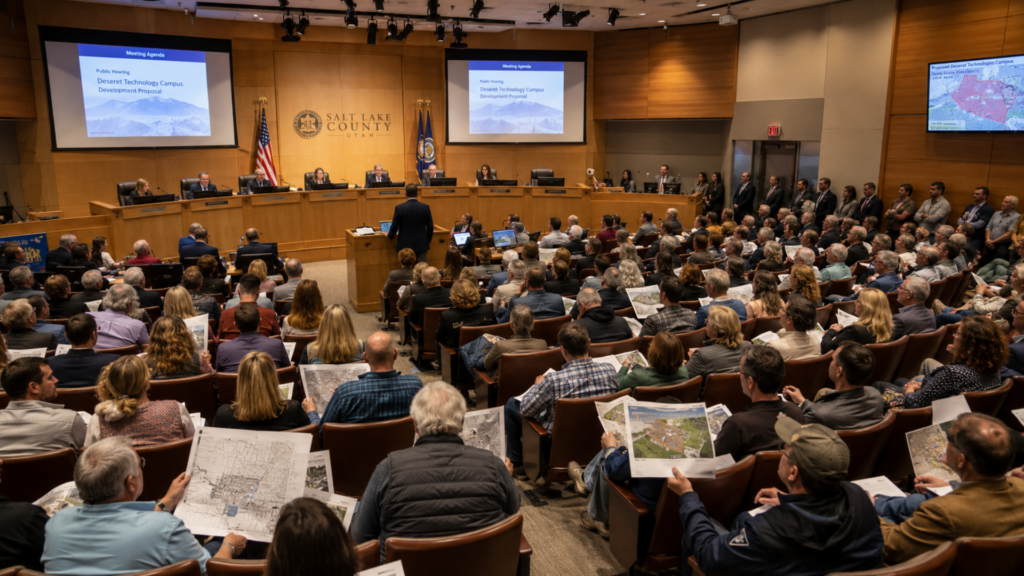
“My concern is not about technology itself. It is about transparency, long term planning, and whether residents fully understand the scale of these projects and their potential impact on local resources and communities,” Organizer Jordan Smith issued this formal statement to the Daily Mail to clarify that his viral yard sign campaign was designed to provoke serious public policy discussion rather than blind corporate opposition.
A localized citizens coalition launched formal legal actions against county commissioners over the project.

Friction intensified when a dedicated grassroots organization called the Box Elder Accountability Referendum, known locally as BEAR, filed a formal lawsuit against county officials. The legal filing seeks to completely overturn a municipal decision that successfully blocked residents from voting on the facility’s future. Local attorneys have countered that average voters possess no legal right to alter industrial zoning approvals via public referendums. This complex judicial standoff has left hundreds of rural property owners feeling entirely excluded from local governance.
The regional standoff mirrors a wider national conflict over the intense resource demands of artificial intelligence.

This local dispute reflects a broader systemic crisis as tech conglomerates scramble to construct server warehouses across the arid American West. The proposed Utah facility requires up to 9 gigawatts of power, a staggering electrical load far exceeding the total energy current consumed by the entire state. Environmental scientists warn that generating this immense energy will dump extreme thermal heat into a collapsing watershed. It could also produce 30 million tons of carbon dioxide annually, boosting state emissions by 64 percent.
The rapid buildout of high tech infrastructure directly impacts the basic living expenses of ordinary families.
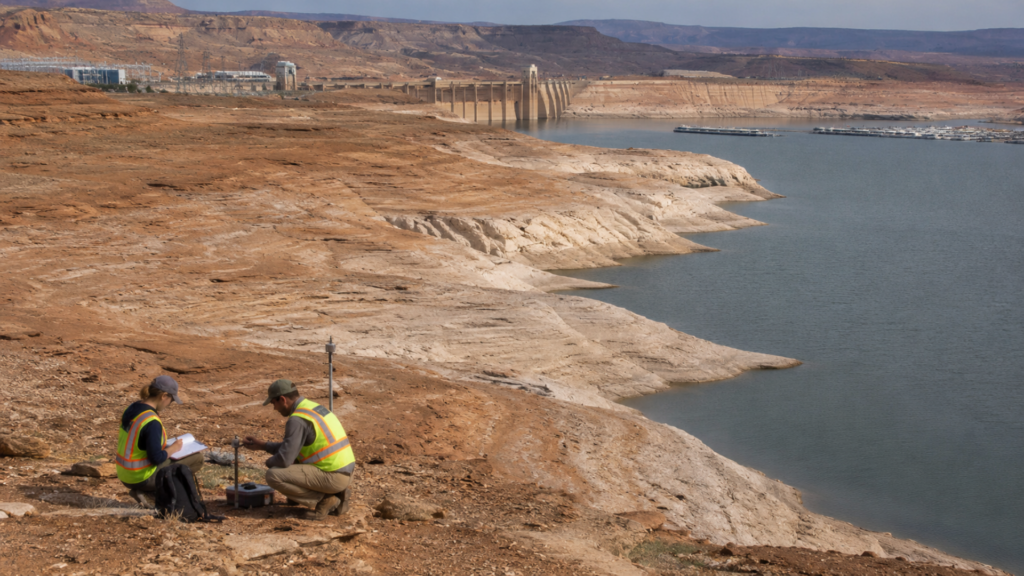
The exponential growth of digital server warehouses directly threatens the utility access and monthly bills of average American consumers. To secure cooling resources, developers are attempting to purchase 13,000 acre-feet of local water rights, a volume capable of supplying more than 20,000 standard households. When private capital swallows regional infrastructure, local populations risk facing artificial scarcity. This transition can lead to sudden electrical blackouts and skyrocketing utility rates for ordinary working families located miles from the server farms.
Top elected officials are forcing corporate developers to dramatically scale down their expansion plans.
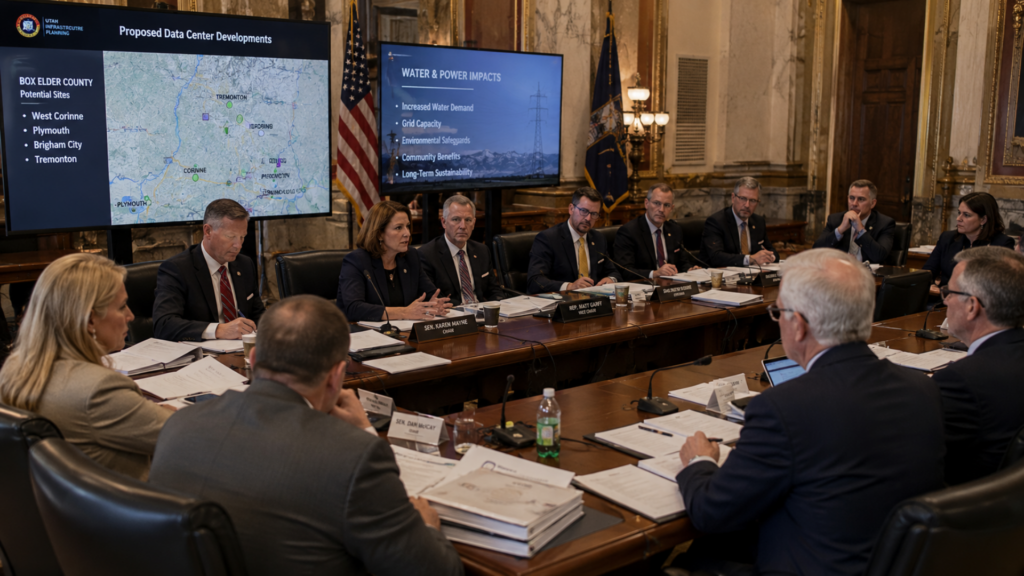
Long after this neighborhood yard sign fades, the structural battle over western resource allocation will continue to reshape state environmental laws. In response to intense public protests, Utah Senate President J. Stuart Adams issued a formal demand forcing developers to slash the project’s physical footprint by 75 percent. Governor Spencer Cox additionally signed an emergency executive order imposing permanent environmental safeguards on all future data centers. This shifting regulatory landscape ensures that the era of unchecked digital infrastructure expansion has officially ended.