

Products are selected by our editors, we may earn commission from links on this page.
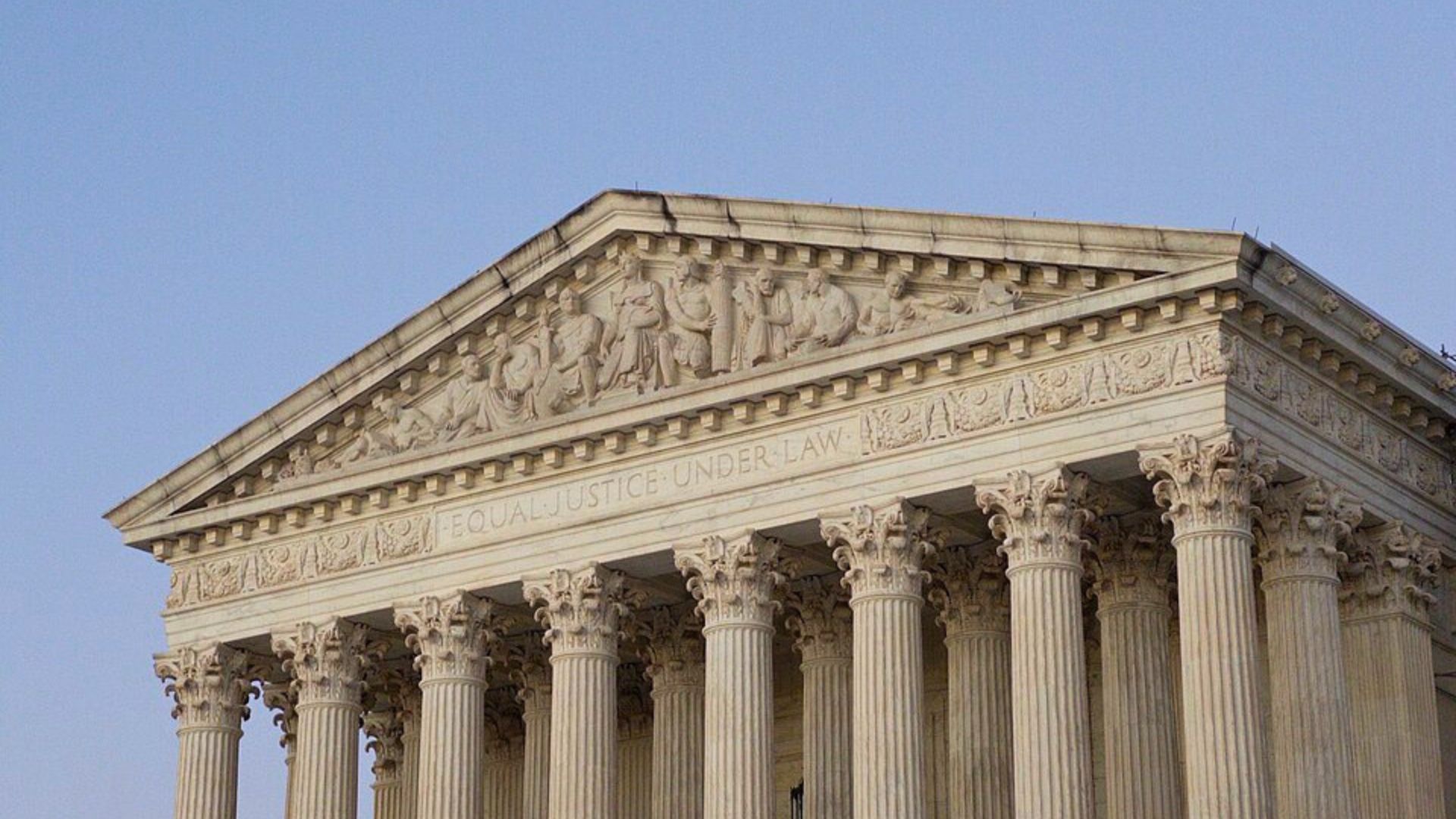
Wall Street fraudsters just lost a major legal argument. In a unanimous decision, the U.S. Supreme Court ruled that the Securities and Exchange Commission can force wrongdoers to surrender profits obtained through securities fraud, even when the agency cannot prove that investors suffered direct financial losses. The ruling strengthens one of the SEC’s most important enforcement tools and could make it easier for regulators to recover millions of dollars from future fraud cases. Justice Neil Gorsuch authored the opinion, and all nine justices agreed on the outcome.
The Case Centered On A Penny-Stock Scheme

The dispute arose from the case of Ongkaruck Sripetch, a Los Angeles man involved in multiple penny-stock fraud schemes. According to court records, Sripetch participated in “pump-and-dump” operations, in which fraudsters acquire inexpensive shares, artificially promote them to drive up prices, and then sell their holdings before the market realizes the manipulation. Federal prosecutors secured a criminal conviction, resulting in a prison sentence of 21 months. The SEC separately pursued a civil action seeking to recover more than $4 million in profits generated through the scheme.
The Key Question Before The Court

The legal issue was surprisingly narrow but highly significant. Sripetch argued that the SEC should only be allowed to recover illegal profits if it could prove investors actually lost money. His lawyers contended that requiring repayment without evidence of financial harm would be unfair because the recovered funds are intended to compensate victims. The SEC disagreed, arguing that securities fraud can violate investors’ rights even when calculating specific losses is difficult or impossible. The Supreme Court was asked to determine which interpretation better matched federal securities law and prior court rulings.
Why The SEC Won

Justice Gorsuch’s opinion focused on a long-standing principle of equity law: the purpose of disgorgement is to strip wrongdoers of unjust gains rather than compensate victims for every dollar lost. The Court concluded that a defendant’s profits, not an investor’s losses, are the central measure when deciding whether disgorgement is appropriate. As a result, the SEC does not need to demonstrate that investors suffered direct financial harm before seeking repayment of illegally earned profits. The Court said a violation of legally protected interests can be enough to justify the remedy.
What Is Disgorgement, Exactly?

Disgorgement is a legal remedy that requires defendants to surrender profits obtained through unlawful conduct. Unlike criminal fines, disgorgement is generally designed to prevent individuals from benefiting from illegal activity. The SEC has relied heavily on this tool for years, recovering billions of dollars through enforcement actions involving insider trading, market manipulation, accounting fraud, and other securities violations. Under existing law, recovered funds are often returned to harmed investors when feasible, though not every case allows for direct repayment.
The Decision Resolves A Split Among Courts
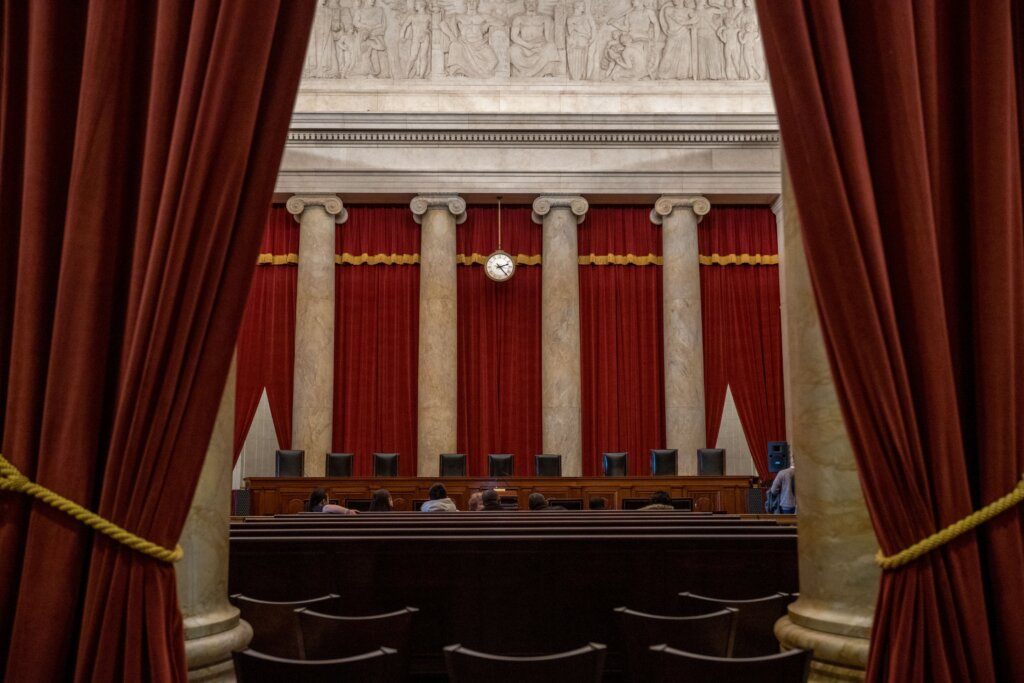
Before the Supreme Court stepped in, federal appeals courts disagreed on whether proof of financial losses was necessary. The Ninth Circuit sided with the SEC and ruled that investor losses were not required. Meanwhile, another federal appeals court reached the opposite conclusion, creating uncertainty for regulators and defendants alike. By resolving the split, the Supreme Court established a nationwide rule that lower courts must now follow. That clarity could strengthen the SEC’s position in future enforcement cases across the country.
A Significant Victory For Regulators
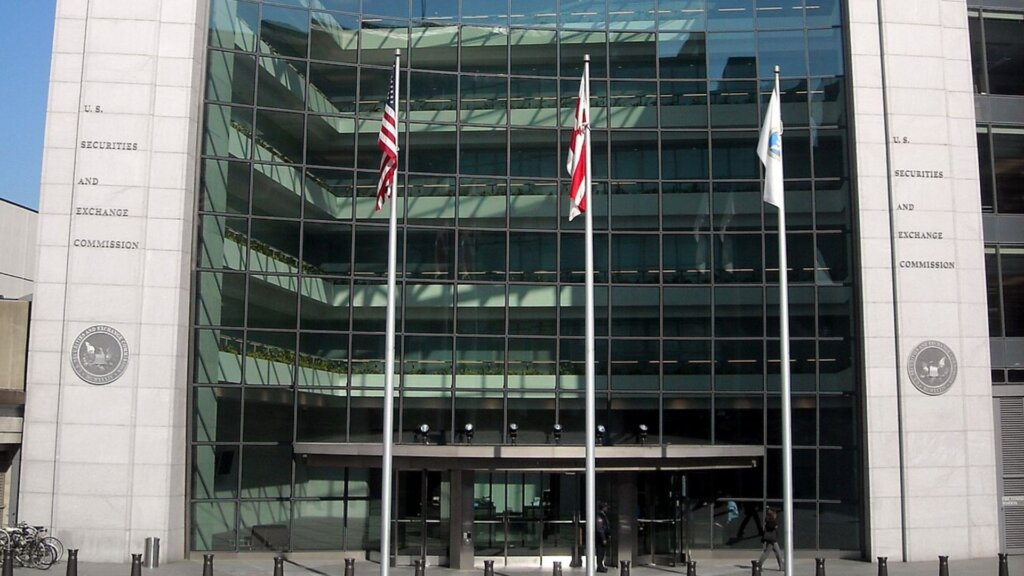
The ruling comes at a time when debates over federal regulatory authority remain intense. The SEC has increasingly faced challenges to its enforcement powers, including disputes over administrative proceedings and constitutional limits on agency actions. This decision moves in the opposite direction, affirming a broad interpretation of one of the agency’s most powerful enforcement mechanisms. For regulators, the ruling removes a potentially significant obstacle that defendants could have used to limit financial penalties in fraud cases.
Not Every Legal Question Was Settled

Although the SEC prevailed, the decision left several issues unresolved. Justice Clarence Thomas wrote separately to suggest that future cases should examine whether disgorgement is truly an equitable remedy or instead a legal one that may require jury trials under the Seventh Amendment. Legal observers have also noted ongoing questions about how recovered funds should be distributed and whether all disgorgement awards must directly benefit investors. Those questions could return to the Supreme Court in future litigation.
What It Means For Future Defendants

For individuals and companies facing SEC investigations, one defense has become much harder to use. Defendants can no longer argue that disgorgement should be blocked simply because regulators cannot identify measurable investor losses. Instead, future challenges are likely to focus on different issues, such as whether profits were actually connected to the alleged misconduct and whether the SEC’s calculations accurately reflect net gains rather than gross revenue. Legal experts expect enforcement strategies on both sides to adjust accordingly.
The Next Battle May Already Be Taking Shape

The Court’s ruling strengthens the SEC’s ability to pursue ill-gotten gains, but it may also set the stage for the next round of legal challenges. Questions about jury-trial rights, the limits of disgorgement, and how recovered money should be distributed remain unresolved. As the SEC continues pursuing complex fraud cases involving billions of dollars, those issues could become increasingly important. For now, however, the message from the Supreme Court is clear: individuals who profit from securities fraud should not expect to keep the proceeds simply because investor losses are difficult to prove.