

Products are selected by our editors, we may earn commission from links on this page.
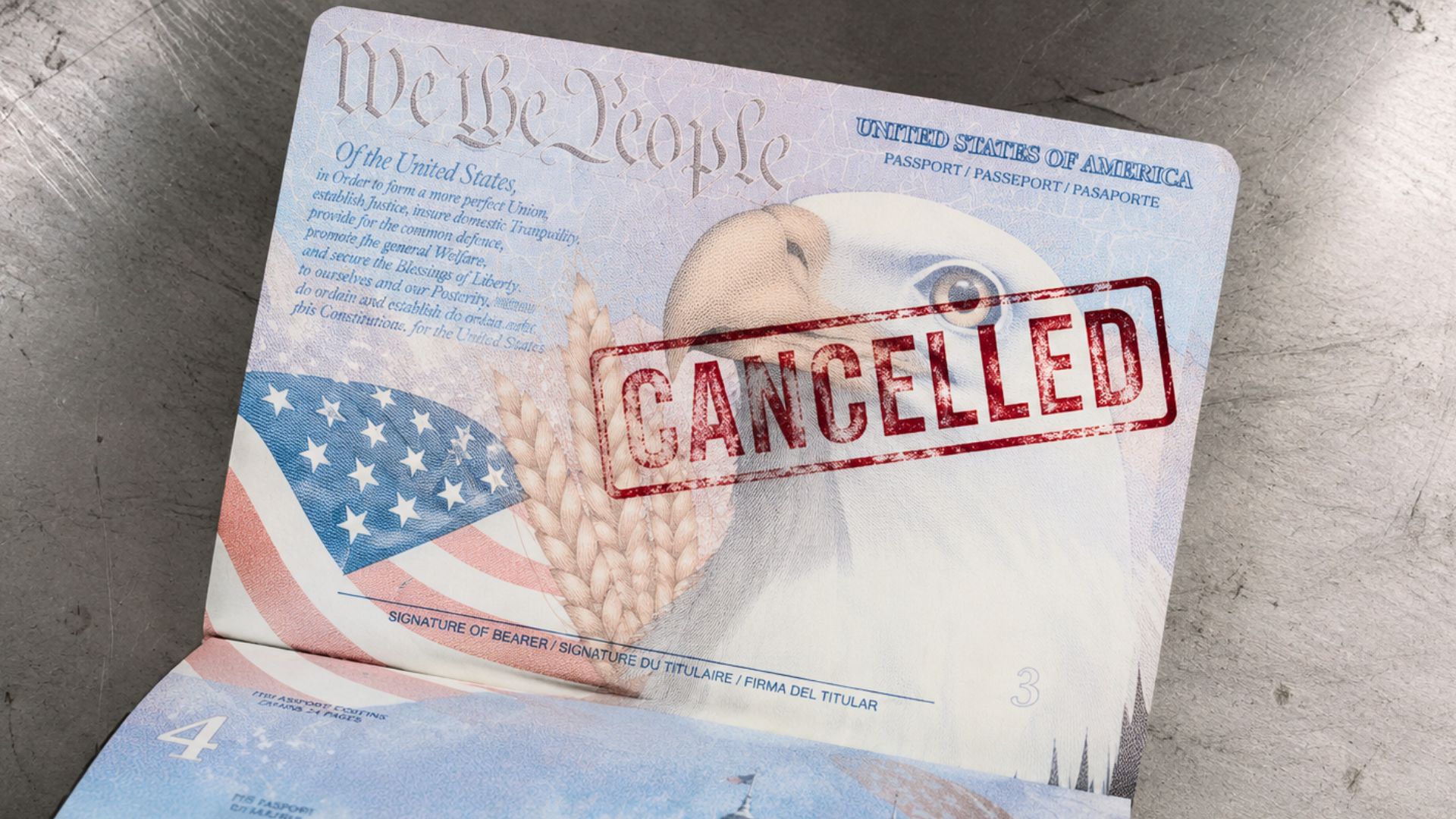
A federal program that has quietly existed since 1996 is now being enforced in ways that could ground millions of American travelers. The U.S. government has lowered the child support debt threshold that triggers passport revocation to just $2,500, meaning far more people are at risk of losing their ability to travel internationally than at any point in the program’s history.
This article was created with the assistance of AI and reviewed by our editorial team for accuracy and clarity.
The Program Dates to 1996, but Spent Decades Without Real Teeth
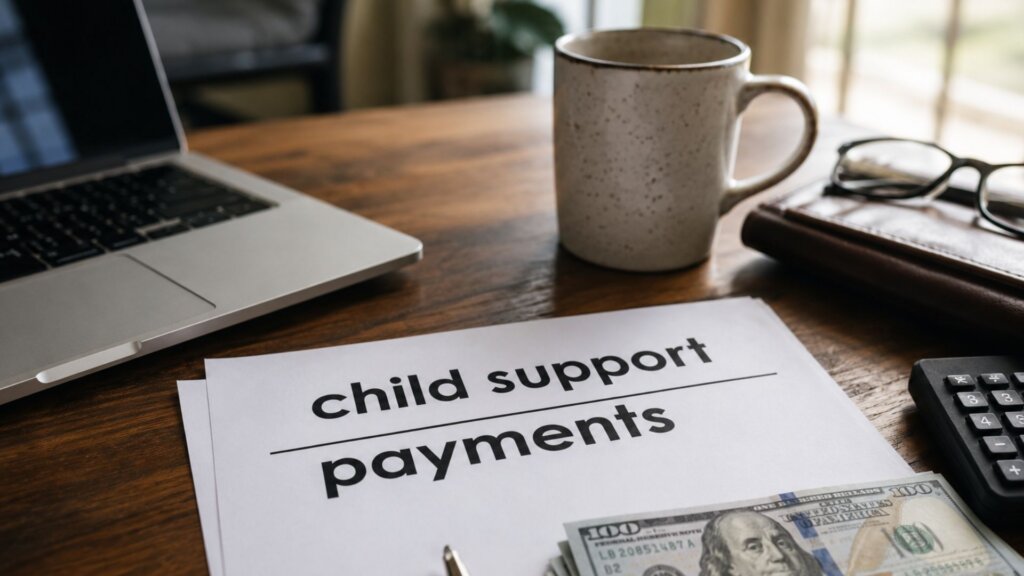
Congress created the Child Support Enforcement Passport Denial Program in 1996 under the Personal Responsibility and Work Opportunity Reconciliation Act. It gave federal authorities the power to freeze travel rights for parents in arrears on child support. For most of its existence, enforcement was inconsistent. Parents could carry significant debt for years with little consequence at the border.
February 2026 Marked the Start of Active Revocations
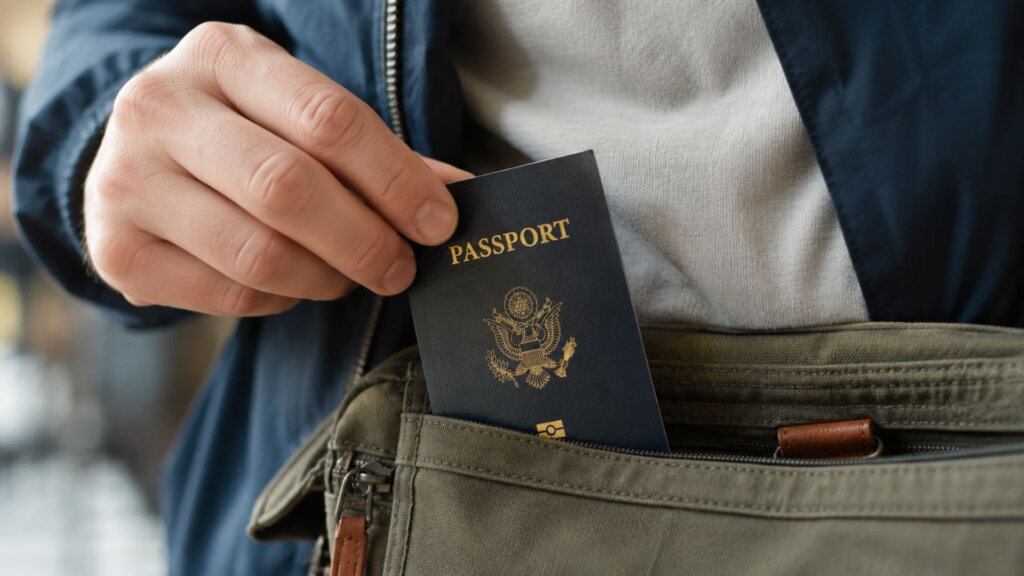
The program’s posture shifted in February 2026, when the State Department moved from passively denying passport renewals to actively revoking valid passports. The initial rollout focused on Americans owing more than $100,000 in child support, a group that numbered fewer than 500 people when enforcement formally began on May 8. That phase was just the opening move.
The $2,500 Threshold Now Puts Millions of Parents in the Crosshairs
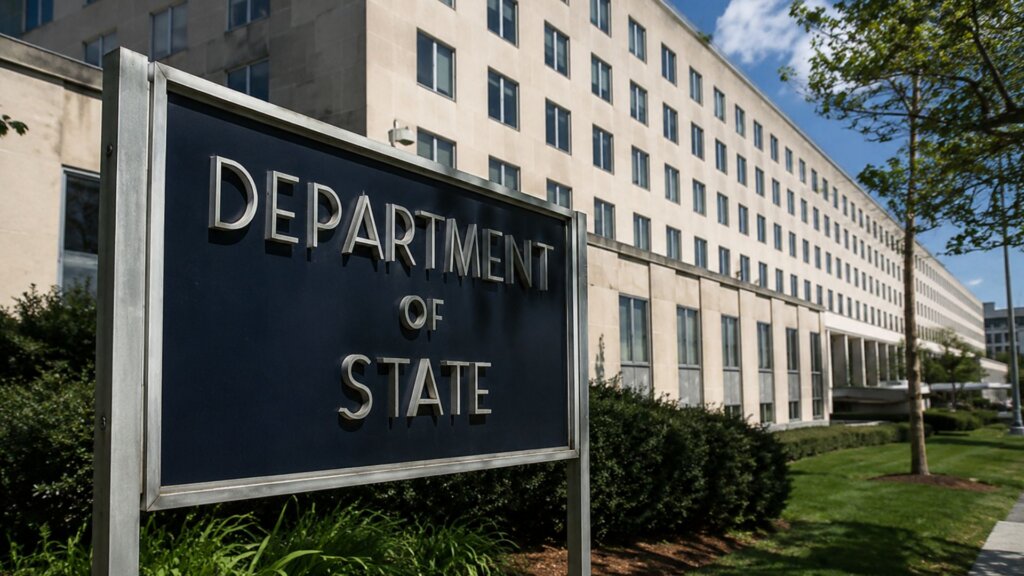
The State Department has since dropped the threshold dramatically. The rule now applies to anyone with $2,500 or more in cumulative child support arrears. As the State Department states, federal regulations prohibit issuing a passport to anyone who meets that threshold, and existing passports can be revoked. The shift from six figures to four figures represents an enormous expansion of who is affected.
A Revoked Passport Triggers a Multi-Step Process With No Quick Fix

Getting a passport back after revocation requires more than paying a bill. According to the State Department, affected individuals must contact the state where the debt is owed, arrange repayment either in full or through an approved payment plan, and then wait for the Department of Health and Human Services to verify the payment and remove their name from the system.
Even After Paying, Travelers Face a 2–3 Week Minimum Wait
Resolving the debt does not immediately restore travel privileges. The State Department warns that removing a name from the enforcement database takes a minimum of two to three weeks after HHS verifies repayment. For anyone with upcoming international travel, a booking or itinerary does not pause that timeline. Revocation notices are sent by email or to the address on file from the most recent passport application.
Americans Abroad Get a Limited Passport Only for Coming Home
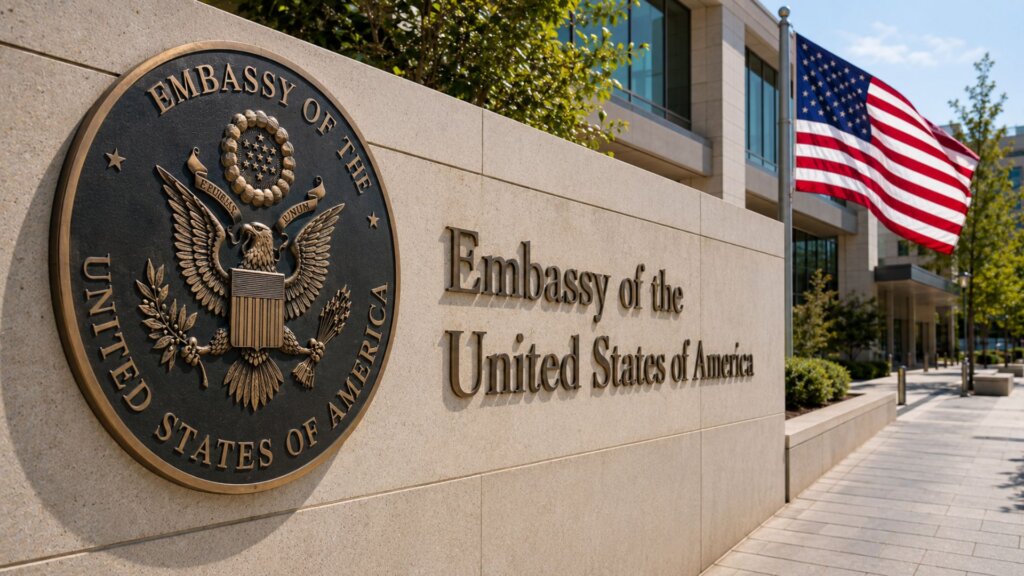
For those already outside the U.S. when their passport is revoked, options are severely restricted. According to State Department guidance, travelers in this situation may contact a U.S. embassy or consulate, but will only be issued a limited-validity passport valid for direct return to the United States. It cannot be used for onward travel until the debt is resolved and HHS confirms repayment.
Online Reaction Has Been Mixed, With Critics Questioning the Program’s Logic

On Reddit and other platforms, public reaction has split sharply. Some users welcomed enforcement, with one describing a former partner’s $500,000 debt as the reason they expected revocation to come quickly. Others questioned whether the program actually recovers debt or simply punishes. One user noted that at lower amounts like $2,000 to $7,000, states typically use wage garnishment, tax intercepts, or legal escalation rather than passport action.
$621 Million Has Been Collected Under Passport Holds Since 1998
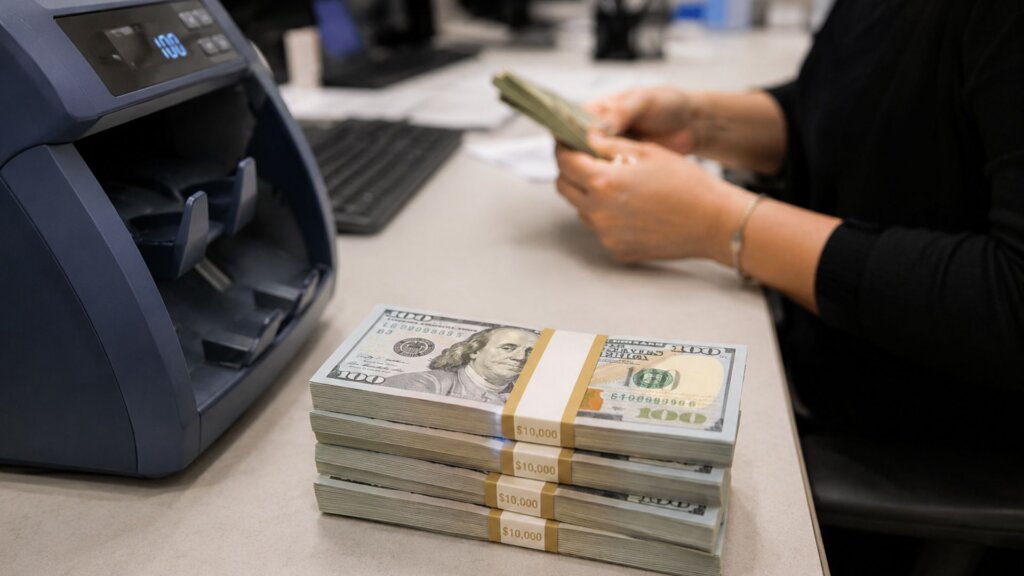
Despite the debate, the Federal Office of Child Support’s own data shows the program has generated results. Since 1998, passport holds have led to more than $621 million in recovered payments, a figure that accounts only for funds tied directly to passport enforcement, separate from wage garnishments and other collection methods. With revocations now expanding to lower-debt cases, that figure is expected to climb.
The Only Exit From This Rule Is Paying What’s Owed

The program’s expansion is now firmly in effect. With the threshold at $2,500, the pool of Americans at risk of losing their passports is larger than at any point since the law was created. Payment in full, or a formally approved payment plan through Child Support Enforcement, is the only path back to international travel. For anyone already in arrears, the time to act is before a revocation notice arrives, not after.