

Products are selected by our editors, we may earn commission from links on this page.
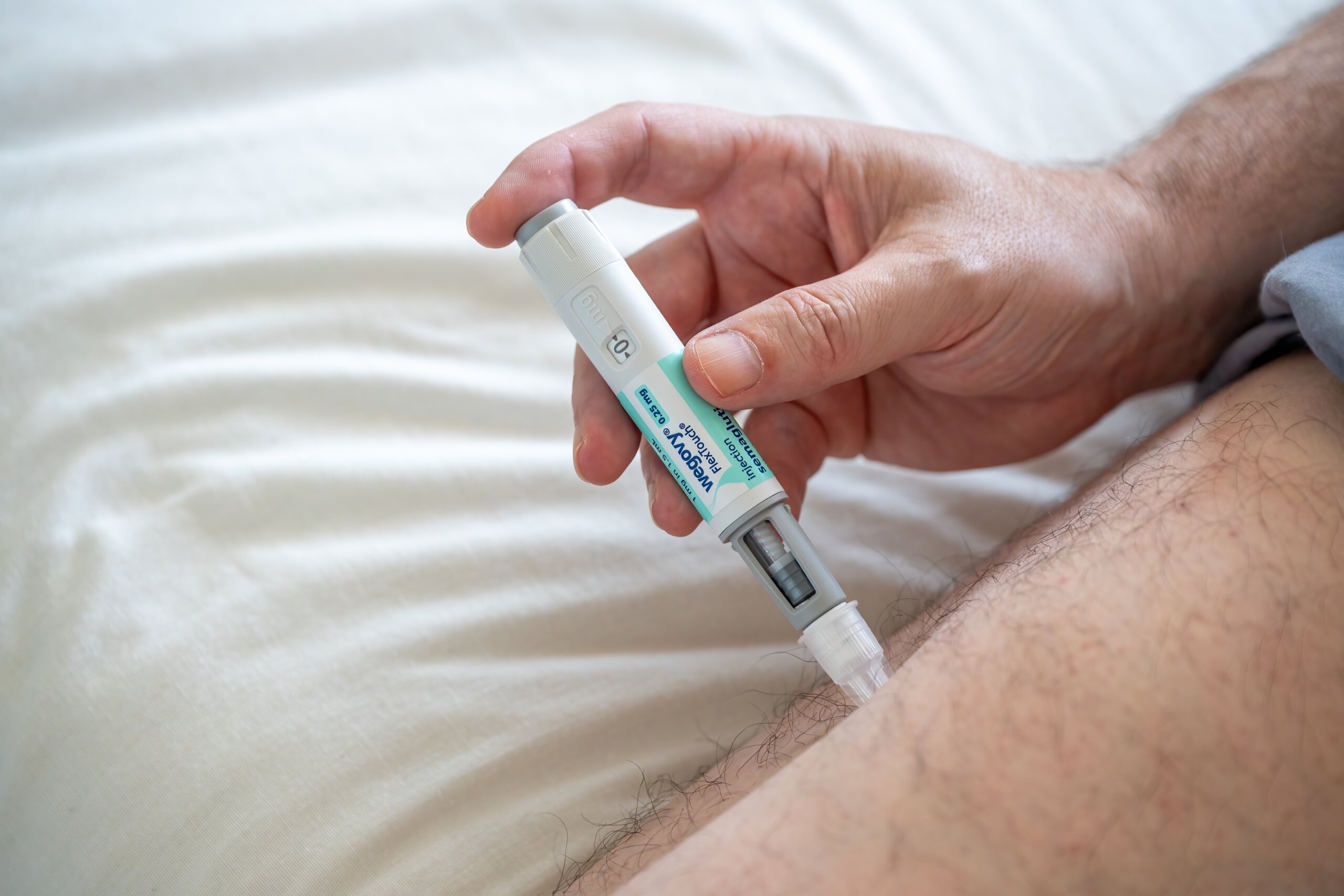
GLP-1 medications have become widely known for helping people lose weight and manage diabetes, but researchers are now exploring another possible benefit: healthier employees who spend less time away from work. A new National Bureau of Economic Research (NBER) working paper found that people taking GLP-1 drugs such as Ozempic and Wegovy experienced significantly fewer long-term sick leave absences, suggesting these medications could influence not only personal health but also workplace productivity and the broader economy.
What GLP-1 Medications Actually Do

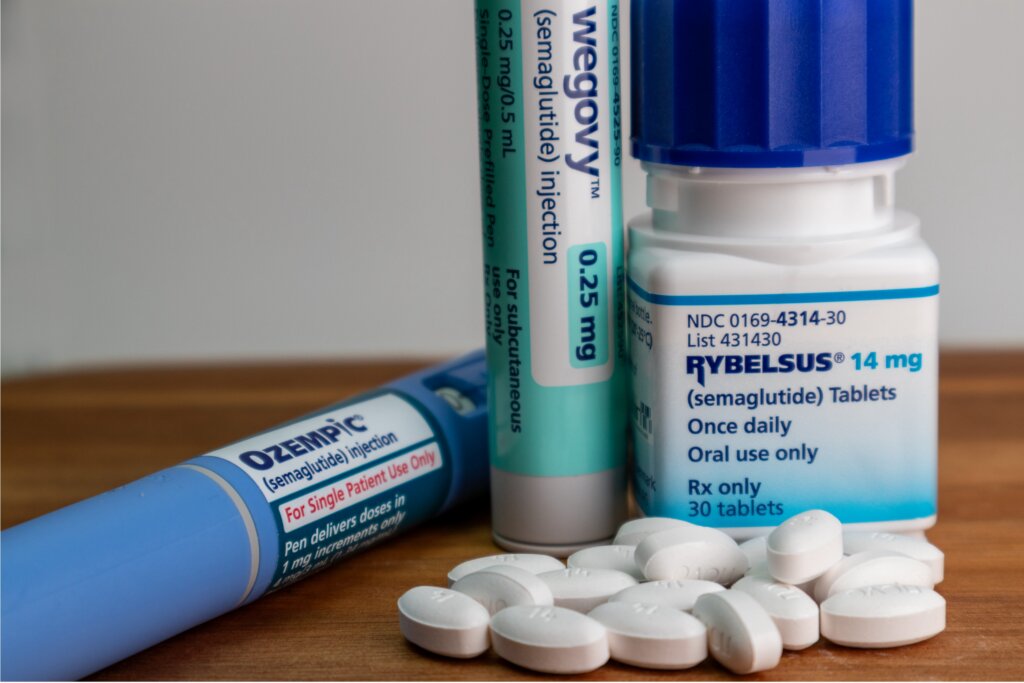
GLP-1 receptor agonists mimic a naturally occurring hormone involved in appetite, digestion and blood-sugar regulation. Drugs in this broad category include semaglutide products such as Ozempic and Wegovy, while tirzepatide products such as Mounjaro and Zepbound act on GLP-1 and an additional hormone pathway. By increasing feelings of fullness and slowing digestion, the medications can help eligible patients eat less and lose substantial weight. They were developed for metabolic disease, however, not as treatments for employment barriers, relationship difficulties or discrimination.
Researchers Followed Women Seeking Weight-Loss Treatment

Economist Rebecca Diamond used the Understanding America Study, a continuing national survey, to compare women who began taking GLP-1 drugs for weight loss with similar women who wanted to start treatment but had not. Focusing on women who sought the drugs helps reduce the chance that motivation alone explains the results. The analysis tracked outcomes over time rather than simply comparing current users with the general population. Even so, it remains an observational study, meaning unmeasured differences between the groups could still have affected the findings.
The Economic Benefits Could Extend Beyond Patients

Healthier workers may also mean financial savings. According to the study, fewer illness-related absences translated into economic savings worth as much as 1.5% of an employee’s annual salary, or roughly $866 per worker on average. In Denmark, employers continue paying salaries during short-term illness, while the government covers many longer-term absences, meaning both businesses and public finances could benefit when workers stay healthier.
Going to Work Sick Carries Its Own Costs

The study also highlights a problem that isn’t captured by sick leave records alone: “presenteeism.” This occurs when employees come to work despite feeling unwell, reducing their productivity even if they never take time off. Duke University professor Jonathan Zhang, one of the study’s authors, noted that because paid sick leave is generally less generous in the United States than in Denmark, many Americans continue working while ill. If GLP-1 drugs improve overall health enough to reduce presenteeism, companies could benefit from more productive employees, while workers themselves may perform better and advance more quickly in their careers.
The Results Come With Important Limitations

Researchers caution against assuming the same outcomes will automatically occur everywhere. Denmark’s healthcare and paid sick leave systems differ substantially from those in the United States. The Danish study also found that roughly 75% of patients remained on GLP-1 therapy long term, whereas U.S. adherence rates are estimated at 40% to 60%. Those differences could influence whether similar productivity gains would be seen in other countries. In addition, the NBER paper is a working paper and has not yet undergone peer review.
Employers Are Paying Closer Attention

The rapid growth of GLP-1 use has already prompted employers and insurers to weigh the medications’ high upfront costs against their potential long-term value. While debate often centers on pharmacy expenses, studies like this suggest the conversation may also include fewer sick days, healthier employees, and improved workplace performance. Researchers say these broader economic effects deserve closer attention as employers consider future health benefits.
Researchers Are Looking Beyond Weight Loss
The new findings add to a growing body of research showing that GLP-1 drugs may influence health in ways that extend beyond the number on a scale. Scientists have previously documented cardiovascular benefits, and researchers continue studying possible effects on kidney disease, sleep apnea, addiction, and other chronic conditions. The latest study shifts some of that attention toward how better health may affect everyday activities, including people’s ability to remain active in the workforce.
One Study Doesn’t Settle the Question

Although the findings are encouraging, the authors emphasize that more research is needed before drawing broad conclusions about productivity gains worldwide. Different healthcare systems, employer policies, patient populations, and long-term medication use could all influence the results. Additional studies in countries outside Denmark will help determine whether the same benefits appear across different labor markets.
The Next Chapter May Be About Health and the Economy

GLP-1 medications first transformed conversations about diabetes and obesity treatment. Now, they are beginning to reshape discussions about workforce participation, employer costs, and economic productivity as well. Whether future studies confirm these findings in other countries remains to be seen, but the research points toward a broader possibility: improving people’s health may deliver benefits that extend well beyond the clinic and into everyday life, including how people work, recover, and contribute to the economy.