

Products are selected by our editors, we may earn commission from links on this page.
Macy’s has been a familiar destination for American shoppers for generations, offering everything from clothing and beauty products to furniture and home essentials. However, changing consumer expectations have made it increasingly difficult for the department store chain to deliver the experience some customers want, particularly when it comes to convenience, product selection, customer service, and online shopping. Retail analysts have previously pointed to disappointing store experiences as one reason shoppers have drifted away, while Macy’s executives have acknowledged that unreliable deliveries can cause customers to stop returning. Although the retailer has recently reported signs of improvement, its challenges reveal why a recognizable name alone is no longer enough to keep shoppers loyal.
Unreliable Deliveries Can Drive Customers Away

One of the biggest concerns facing Macy’s involves the reliability of its online delivery experience, particularly when orders fail to arrive within the promised timeframe. Speaking at Home Delivery World 2026, Macy’s supply chain executive Vinny Pagliuca explained that customers are more likely to return when retailers consistently meet their delivery commitments. He acknowledged that unreliable shipping can cause the company to lose shoppers, even when the products themselves meet expectations. For customers ordering clothing for an upcoming event, purchasing birthday gifts, or replacing household essentials, a missed delivery promise can create frustration that makes them reconsider where they shop next.
Shoppers Care More About Reliability Than Fast Shipping
Retailers often promote same-day and next-day shipping as major selling points, but research suggests that customers may care even more about receiving their purchases when promised. A McKinsey survey cited by Retail Dive found that dependable delivery windows ranked above shipping speed among consumer preferences, while speed dropped from the top delivery priority in 2022 to fifth place in 2024. This means shoppers may be willing to wait several days for a Macy’s order if the company communicates clearly and delivers on schedule. The challenge is creating a predictable experience that customers can trust, rather than simply advertising faster shipping options that may be difficult to fulfill consistently.
Some Macy’s Stores Have Struggled to Meet Expectations

Macy’s challenges extend beyond online orders, as retail analysts have also raised concerns about the experience customers encounter inside some of its physical stores. In a November 2023 Retail Dive report, GlobalData managing director Neil Saunders argued that disappointing store standards, merchandise assortments, and customer service had contributed to shoppers abandoning the retailer. He suggested that Macy’s needed to invest more heavily in improving its stores and giving customers stronger reasons to visit. While those observations describe earlier challenges rather than every location’s current condition, they help explain why the company has made store improvements an important part of its turnaround strategy.
Customers Have Become More Careful About Where They Spend
Another challenge for Macy’s is that shoppers have become increasingly selective about purchases, especially when household budgets are under pressure. In the third quarter of 2023, the company reported a 7.1% decline in net sales, while comparable sales also fell as customers remained cautious about spending. Retail Dive noted that Macy’s off-price businesses performed better than its full-line operations, suggesting that consumers were actively searching for stronger deals and greater value. Although those figures are historical and the retailer has since reported improved performance, the underlying competition for budget-conscious shoppers remains an important consideration for department stores.
Discounts Alone May Not Be Enough to Win Shoppers Back
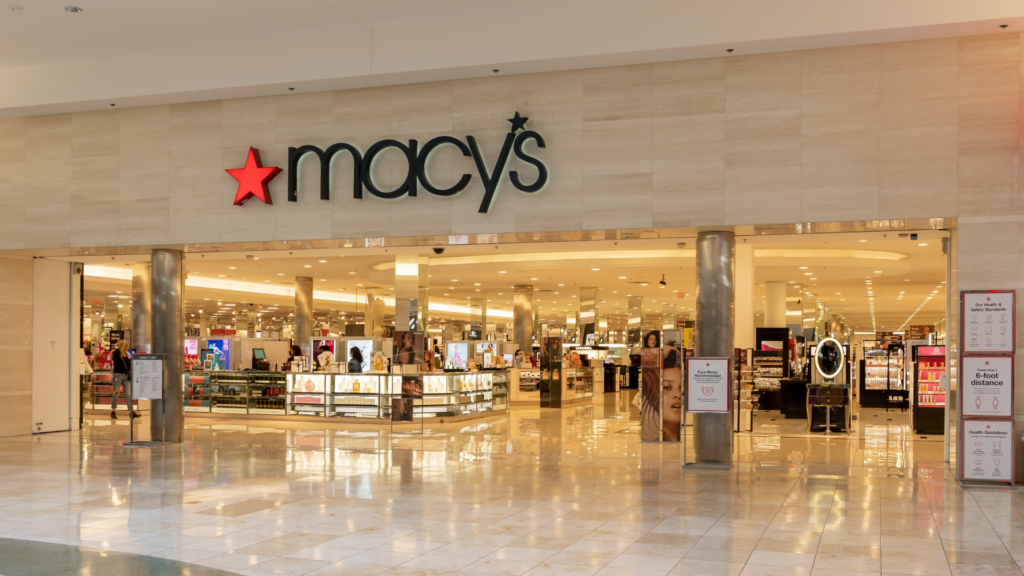
Macy’s has long been associated with major sales events, promotional offers, and seasonal discounts, but lower prices do not automatically create a satisfying shopping experience. Retail analysts have argued that improving profit margins through tighter inventory management and fewer markdowns needs to be accompanied by better merchandise selection, stronger customer service, and more appealing stores. A shopper may appreciate a discount on clothing or home goods, but convenience and confidence in the purchase can matter just as much as the final price. This helps explain why Macy’s turnaround involves more than adjusting promotions, as the company must also give customers reasons to choose its stores over competing retailers.
Online Shopping Has Raised the Bar for Convenience

The growth of online retail has changed what shoppers expect from traditional department stores, particularly when it comes to delivery tracking, product availability, and convenient fulfillment options. Major competitors such as Amazon, Walmart, and Target have invested heavily in shipping networks and services designed to make online purchases easier and faster. Macy’s must compete in that environment while also operating a large physical store network and managing a broad assortment of merchandise. For shoppers accustomed to checking inventory, placing an order, and receiving regular delivery updates, an inconvenient or unpredictable experience can make alternative retailers more appealing.
Macy’s Is Investing in Its Delivery Network

Macy’s executives recognize that improving fulfillment is essential to remaining competitive, and the company has been investing in its distribution network to address changing customer expectations. At Home Delivery World 2026, Pagliuca said Macy’s was pursuing greater automation while closing older facilities, with the goal of making its supply chain more responsive to online demand. Automation can help retailers process orders more efficiently, improve inventory movement, and potentially reduce fulfillment delays when implemented effectively. However, these investments do not guarantee that every delivery issue will disappear, and their success will ultimately depend on whether customers experience more dependable service.
Recent Results Suggest Macy’s Is Making Progress

Despite its earlier difficulties, Macy’s has reported encouraging signs that parts of its turnaround strategy are beginning to work. In September 2026, Retail Dive reported that Macy’s Inc. posted a 1.1% year-over-year increase in overall net sales during its second quarter, while comparable sales at the Macy’s namesake chain also increased 1.1%. The company’s group of 200 revamped Macy’s stores recorded nearly 2% comparable sales growth, suggesting that investments in the shopping experience may be helping attract customers. These improvements do not erase the retailer’s longstanding challenges, but they indicate that Macy’s is making progress rather than experiencing an uninterrupted decline.
Macy’s Future Depends on Giving Shoppers a Reason to Return
Macy’s is not facing a single problem that can be solved with one promotion, faster delivery option, or store renovation. Instead, its future depends on consistently meeting the expectations of shoppers who now have more ways than ever to purchase clothing, beauty products, and household essentials. Recent sales improvements and investments in store renovations and fulfillment technology suggest that the company is working to address the weaknesses identified by retail analysts and executives. For customers, the most meaningful measure of success will be whether Macy’s can deliver reliable orders, appealing merchandise, helpful service, and an overall shopping experience that makes returning worthwhile.