

Products are selected by our editors, we may earn commission from links on this page.
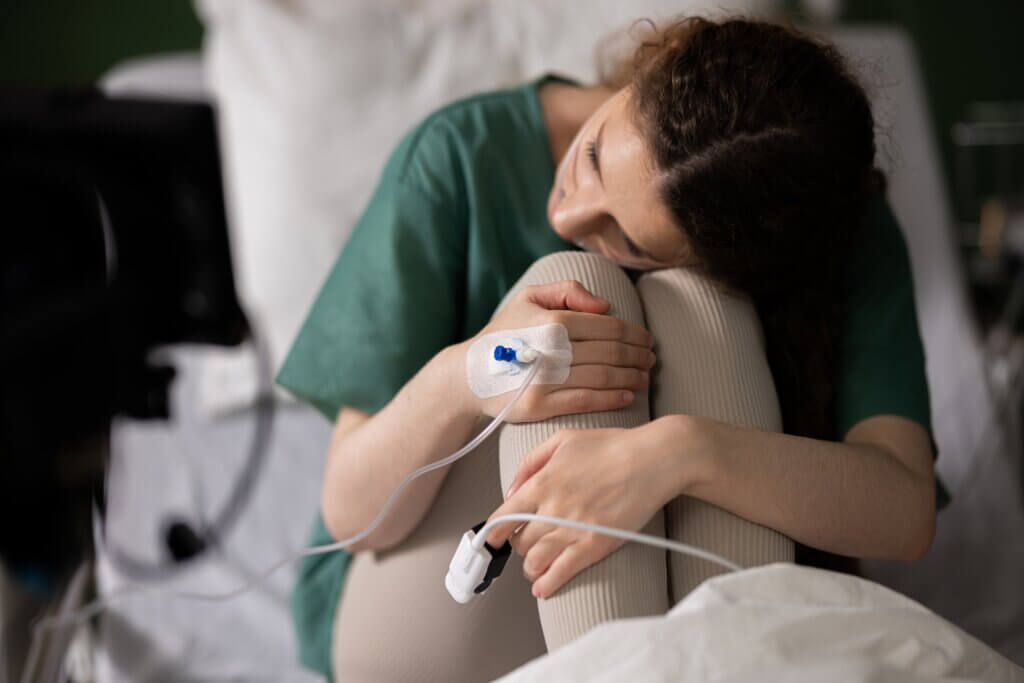
Longevity is often treated as a measure of progress, but new international data suggest it tells only part of the story. While women continue to outlive men in nearly every country, many also spend a greater share of those extra years coping with chronic illness, delayed diagnoses, and health conditions that are misunderstood or overlooked. The findings point to a healthcare challenge that extends beyond life expectancy to the quality of those additional years.
According to recent analysis published by UN Women and highlighted by the United Nations, women around the world remain more likely to have their pain dismissed, symptoms misinterpreted, and conditions diagnosed later than men. The report argues these disparities are rooted not only in individual clinical decisions but also in healthcare systems that were historically designed around male biology.
The OECD’s Health at a Glance 2025 report reinforces that picture across developed economies. Women live longer than men in every OECD country, yet they spend more years experiencing activity limitations and poorer physical and mental health. Patient surveys also show women over 45 with chronic illnesses consistently report lower well-being and worse social functioning than their male counterparts.
Medical Research Still Carries the Legacy of Male-Centered Design
Much of the current discussion centers on how medical knowledge itself has been built. For decades, women were underrepresented in clinical research, and many treatments and diagnostic standards were developed using predominantly male participants. Experts say the consequences continue to influence healthcare today.
UN Women highlights endometriosis as a striking example. Affecting an estimated 190 million women and girls globally, the condition still takes an average of four to twelve years to diagnose. Heart disease presents another challenge. Although it is the leading cause of death among women, symptoms such as fatigue, nausea, jaw pain, or back pain may differ from the classic chest pain more commonly associated with men, increasing the risk of delayed recognition. Until 1993, women were also largely excluded from many clinical trials, contributing to ongoing uncertainty about how some medications affect female patients.
A recent narrative review published in Cureus reaches similar conclusions. It describes diagnostic delays across cardiovascular disease, autoimmune disorders, neurological conditions, and chronic pain syndromes. It identifies recurring factors such as under-recognition of sex-specific symptoms, historical research gaps, and a tendency to attribute women’s complaints to anxiety or psychological causes. The review argues that these delays can lead to irreversible disease progression, reduced quality of life, and greater long-term healthcare costs.
Progress Has Been Real—but Uneven
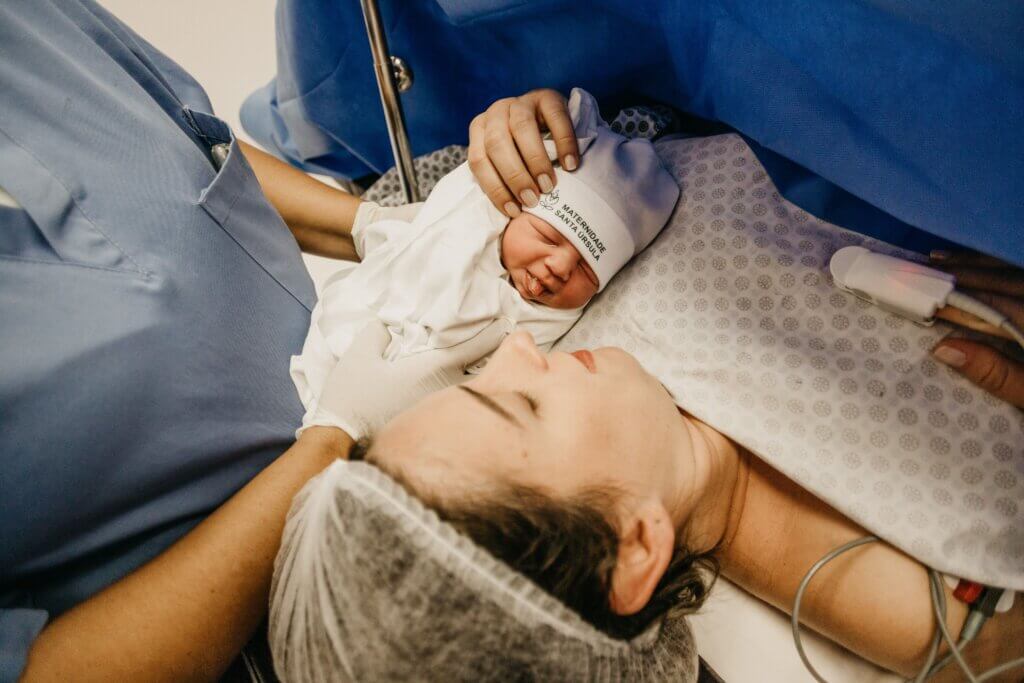
The reports also emphasize that women’s health has improved in many important areas over the past quarter-century. Maternal mortality has fallen significantly worldwide, skilled birth attendance has expanded, and access to modern family planning has increased. These gains demonstrate that sustained investment and targeted public health initiatives can produce measurable improvements.
Between 2000 and 2023, global maternal mortality declined by 40%, while skilled birth attendance rose from about 61% to nearly 87%, according to UN Women. Adolescent fertility rates also dropped substantially in most regions. However, the progress has not been universal. In the world’s least developed countries, the number of adolescent births increased from 4.7 million in 2000 to 5.6 million in 2024, illustrating persistent inequalities in healthcare access and reproductive services.
The OECD likewise notes that health outcomes vary considerably between countries. Although the average gender gap in life expectancy has narrowed across most OECD members during the past decade, several—including the United States, Canada, the United Kingdom, Mexico, and Iceland—have seen that gap widen. The organization attributes these differences to a complex mix of disease patterns, healthcare access, socioeconomic conditions, and public health challenges.
Closing the Gap Will Require Structural Change

Researchers strongly argue that improving women’s health requires more than raising awareness of medical bias. They point instead to systemic reforms spanning research, education, healthcare delivery, and policy.
Recommendations emerging across the OECD, UN Women, and European policy studies include expanding women’s participation in clinical trials, collecting more sex- and gender-disaggregated health data, developing diagnostic guidelines that better reflect biological differences, and improving physician education on how diseases present differently in women. Several reports also call for greater representation of women in healthcare leadership, citing evidence that more inclusive decision-making can improve patient outcomes.
Taken together, the findings suggest that the issue is less about isolated cases of misdiagnosis than about longstanding structural patterns embedded throughout healthcare systems. While women continue to gain years of life, international health organizations argue that future progress will increasingly be measured by whether those years are lived in better health, supported by research, diagnostics, and medical care designed to serve everyone equally.