

Products are selected by our editors, we may earn commission from links on this page.
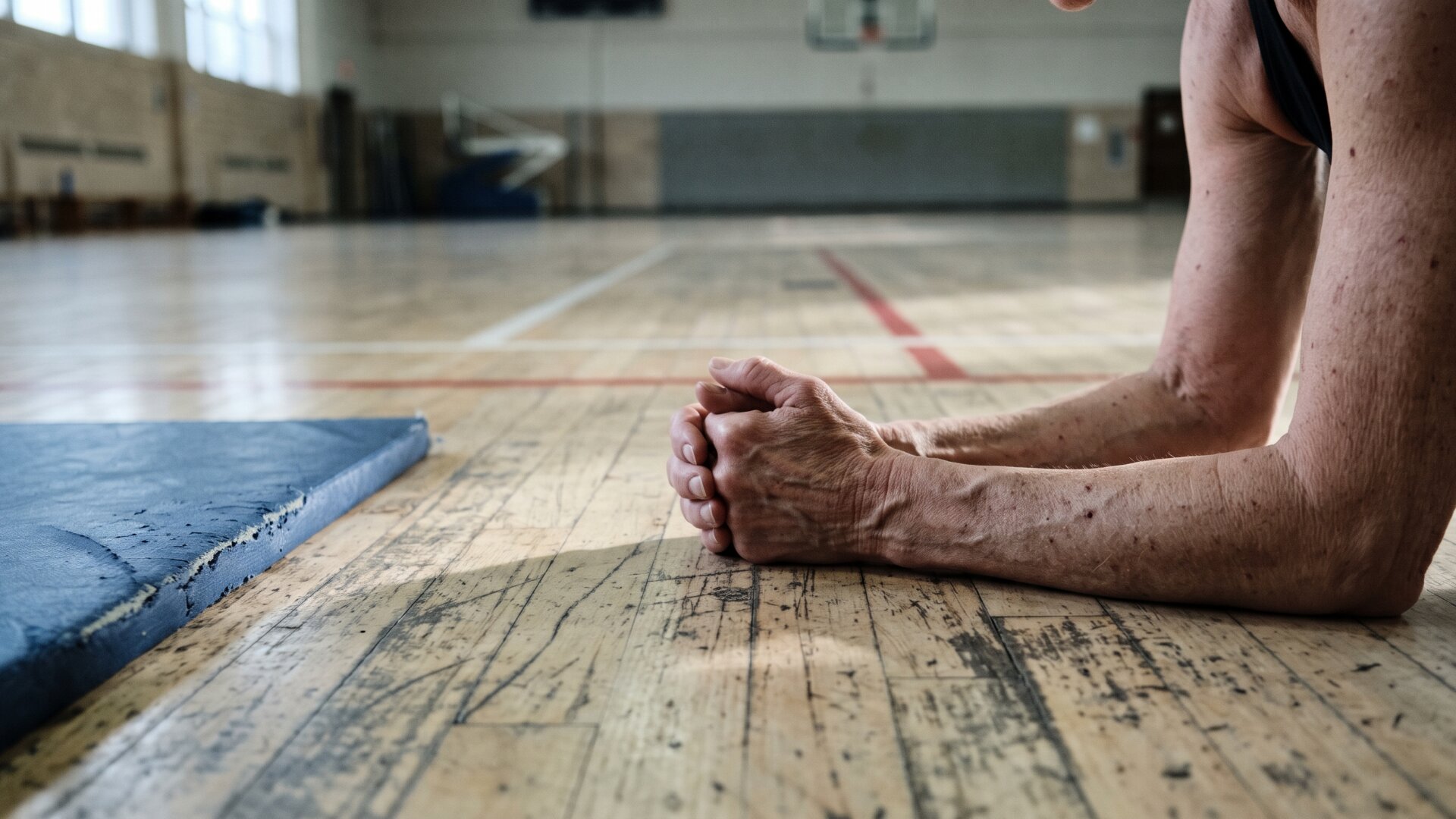
DonnaJean Wilde, a 61-year-old retired schoolteacher from Alberta, Canada, held an abdominal plank for five hours on October 6 at the Huntsman World Senior Games in Utah. The attempt beat the record she already owned. Her previous Guinness World Record, set on March 21, 2024, stood at 4 hours and 30 minutes, so she added half an hour to her own best. Guinness World Records confirmed to USA TODAY that an application for the October attempt had been received. Until that review finishes, the five-hour time is an unratified result rather than an official record.
This article was created with the assistance of AI and reviewed by our editorial team for accuracy and clarity.
A broken wrist started the whole thing
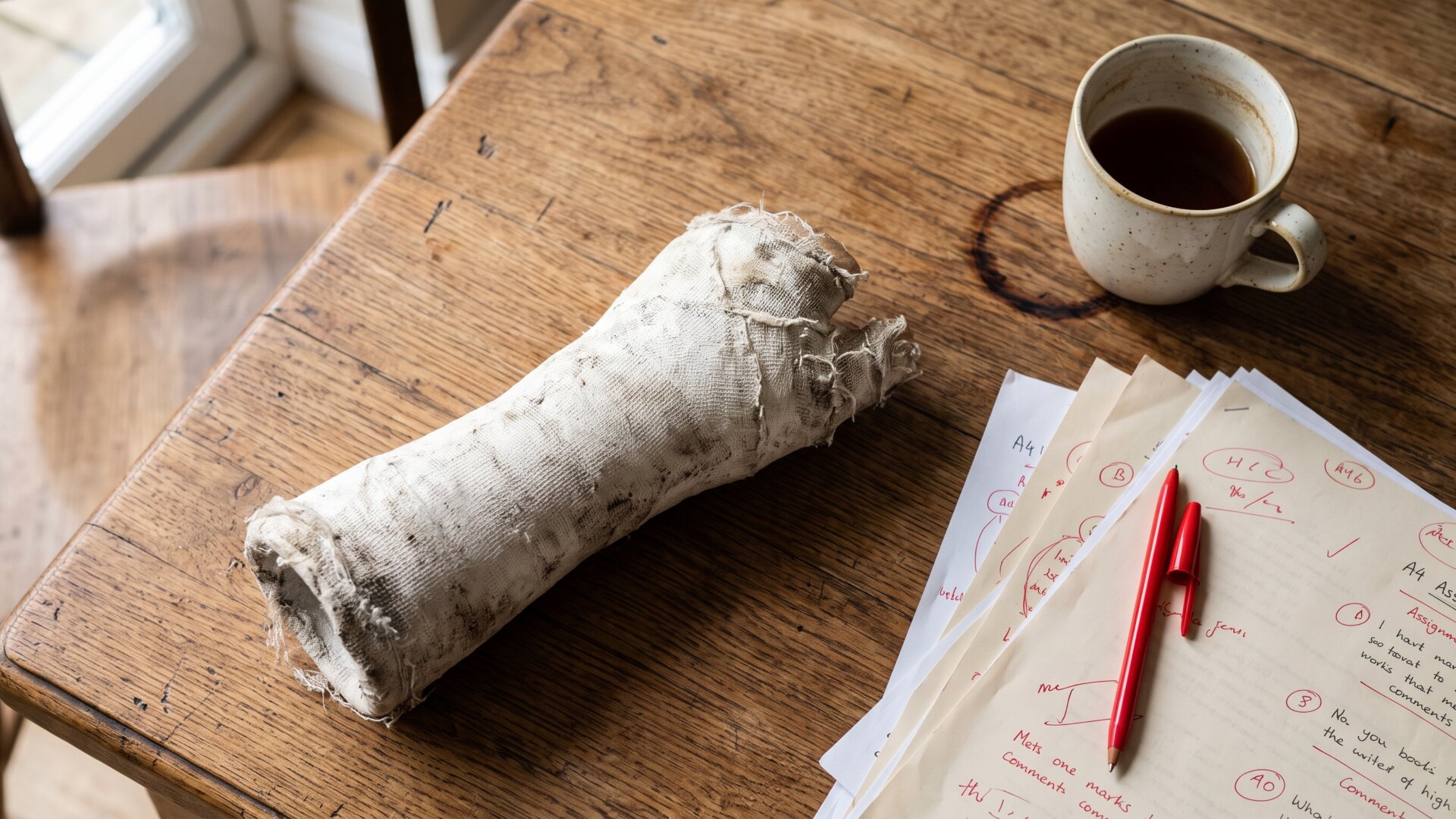
Most people begin an exercise habit when they are healthy. Wilde began hers while injured. She told USA TODAY in 2024 that she started planking more than a decade earlier, after she broke her wrist and found that most of her usual training was off the table. A plank turned out to be one of the few things a cast did not prevent. It also left her eyes and attention free. “I found that I could read my school lessons and mark some papers and read emails,” she said in 2024. “I felt like I was working out even with a cast and I loved the feeling it gave me.”
What a plank actually asks the body to do
The position is simple to describe. A person holds the top of a push-up while resting on the forearms rather than the hands, with the body in a straight line from shoulders to heels. Nothing moves. That stillness is the point. According to the Cleveland Clinic, the exercise strengthens the core, and a stronger core helps protect the back, improves posture, and reduces the risk of spine-related injuries. Because there is no up-and-down motion, the muscles never get the brief rest that the bottom of a sit-up provides. The load is continuous from the first second to the last.
Thirty minutes longer than her own best
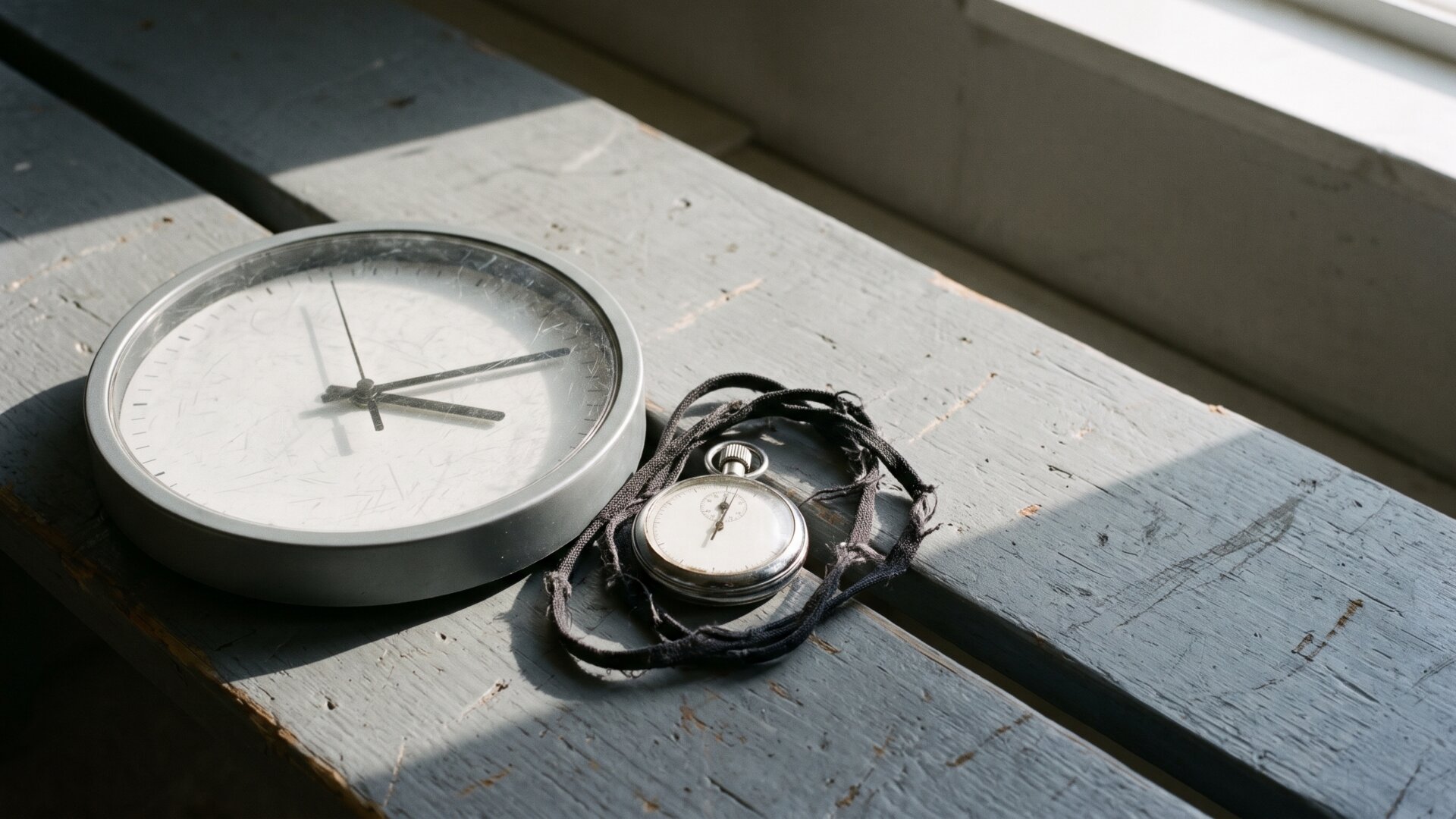
The gap between the two attempts is easier to feel than the totals are. Wilde’s March 2024 record ran 4 hours and 30 minutes. The October attempt ran five hours. The difference, 30 minutes, is longer than most gym classes and longer than a great many people can hold the position at all. Put against ordinary training advice, the scale shifts again. Beginners are typically coached toward holds measured in seconds, working up toward a minute or two. Five hours is 300 minutes. Wilde spent the equivalent of a full workday morning in a position most people abandon before their coffee cools.
The 2024 record happened in her old school gym
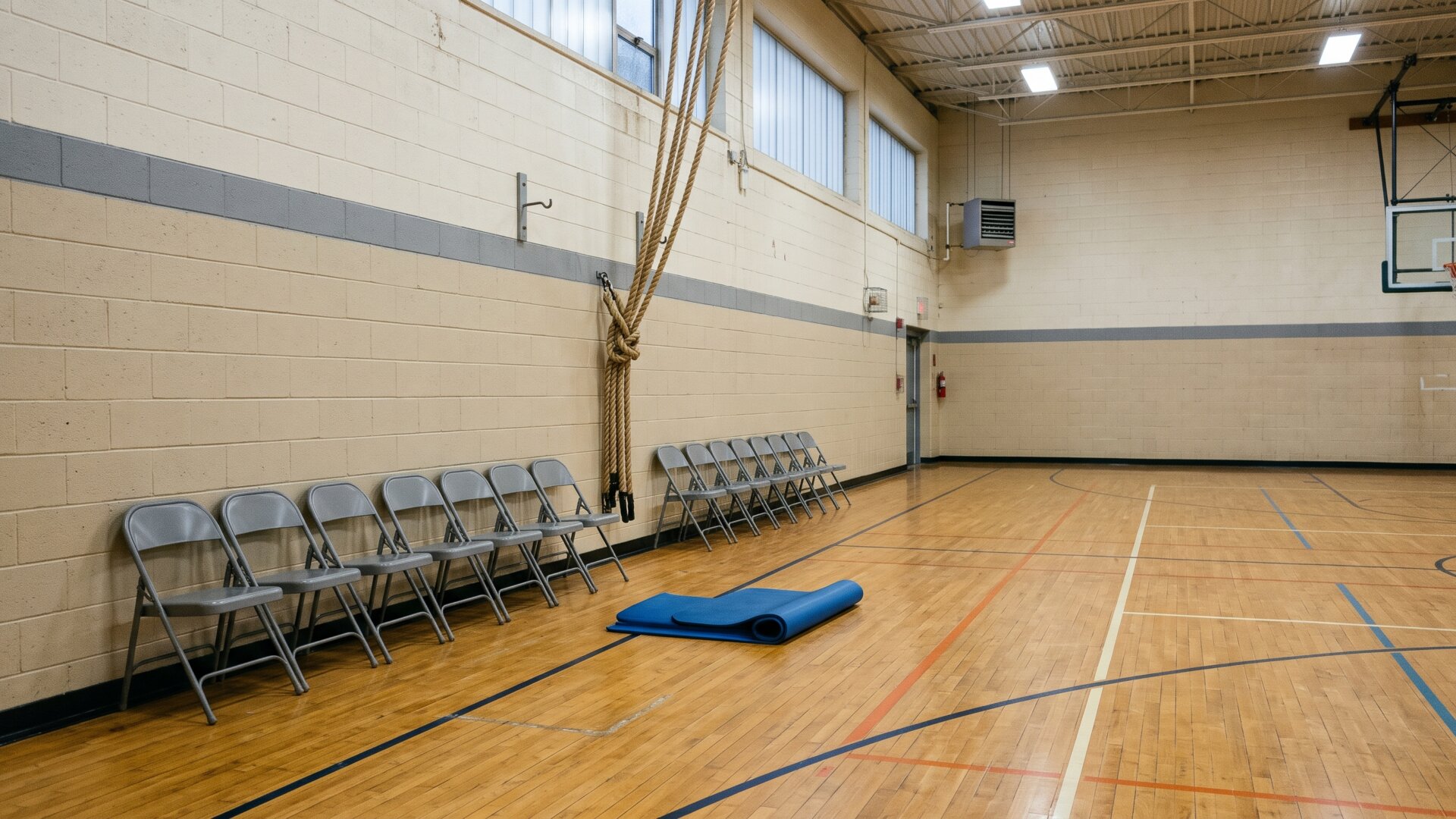
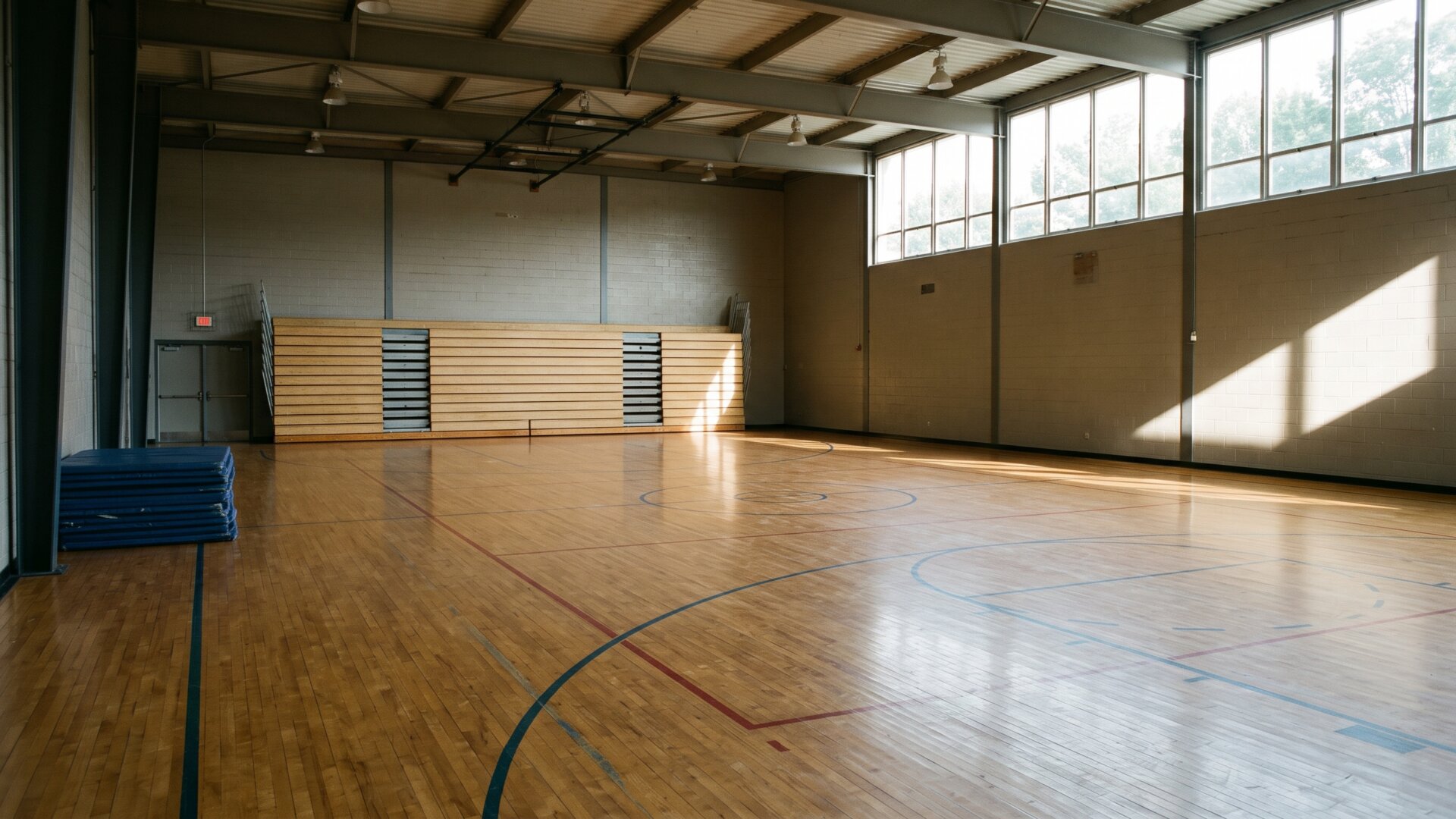
The attempt that made her a Guinness World Record holder took place on March 21, 2024, in the gymnasium of the school where she had taught. The setting was not incidental. A woman who spent her career in classrooms set the mark on familiar floorboards, surrounded by people who knew her as a teacher first. Her family had pushed her toward the attempt. Planking had already become part of her daily routine by then, built up over years rather than crammed into a training block. The record was the formal version of something she was doing anyway.
Hold position and track your form, not the clock
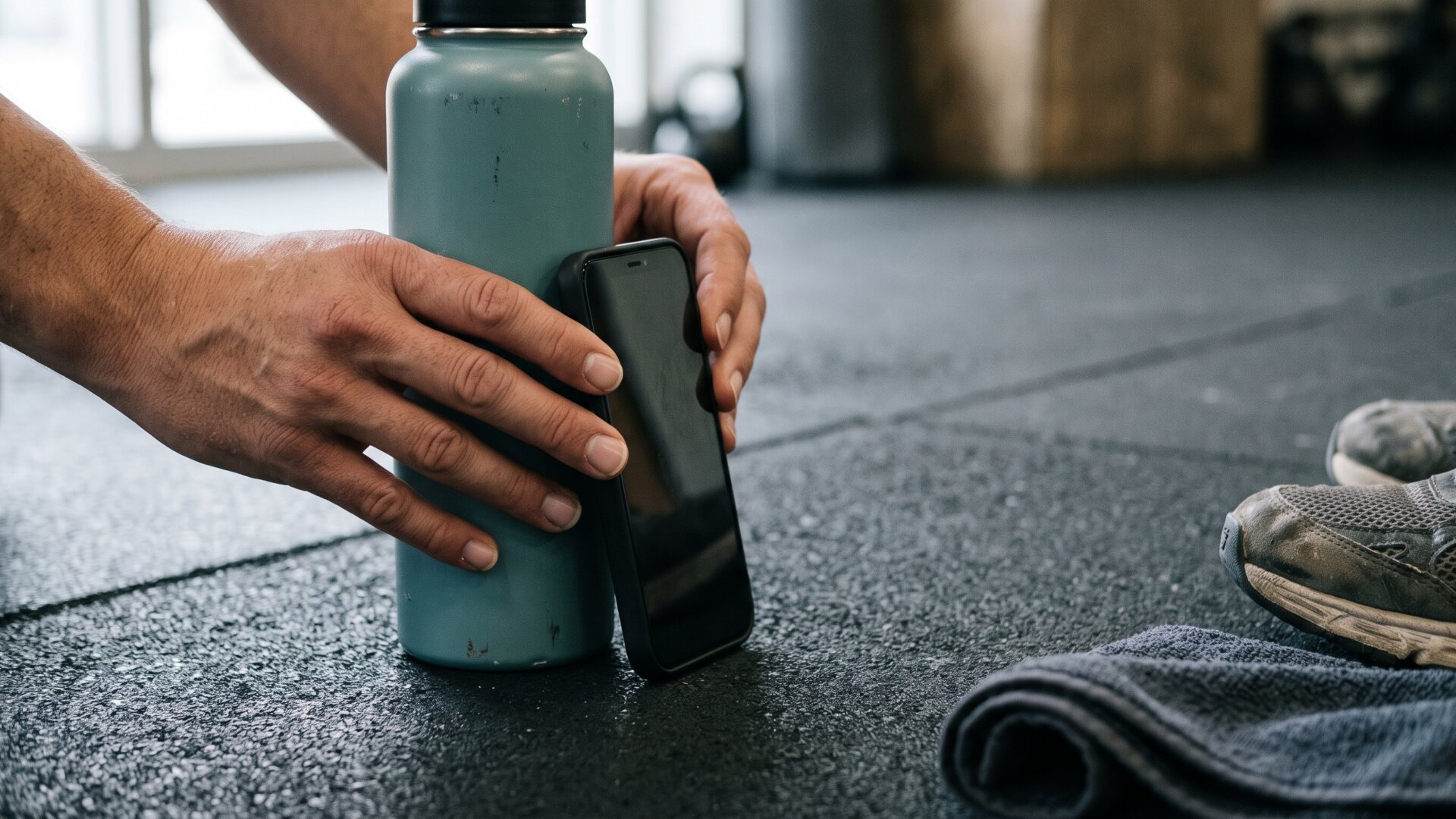
Nothing about Wilde’s result suggests that a reader should attempt hours. The transferable part is the structure underneath it. She built the habit around something she was already doing, reading and marking papers, which removed the question of whether she would find time for it. The other transferable piece is form. A plank only works when the hips stay level with the shoulders. Sagging hips shift load onto the lower back, and hips lifted into a peak let the core coast. A mirror, a phone propped sideways, or another person watching will show the line faster than any internal sense of it will.
Treating it as a breath-holding contest
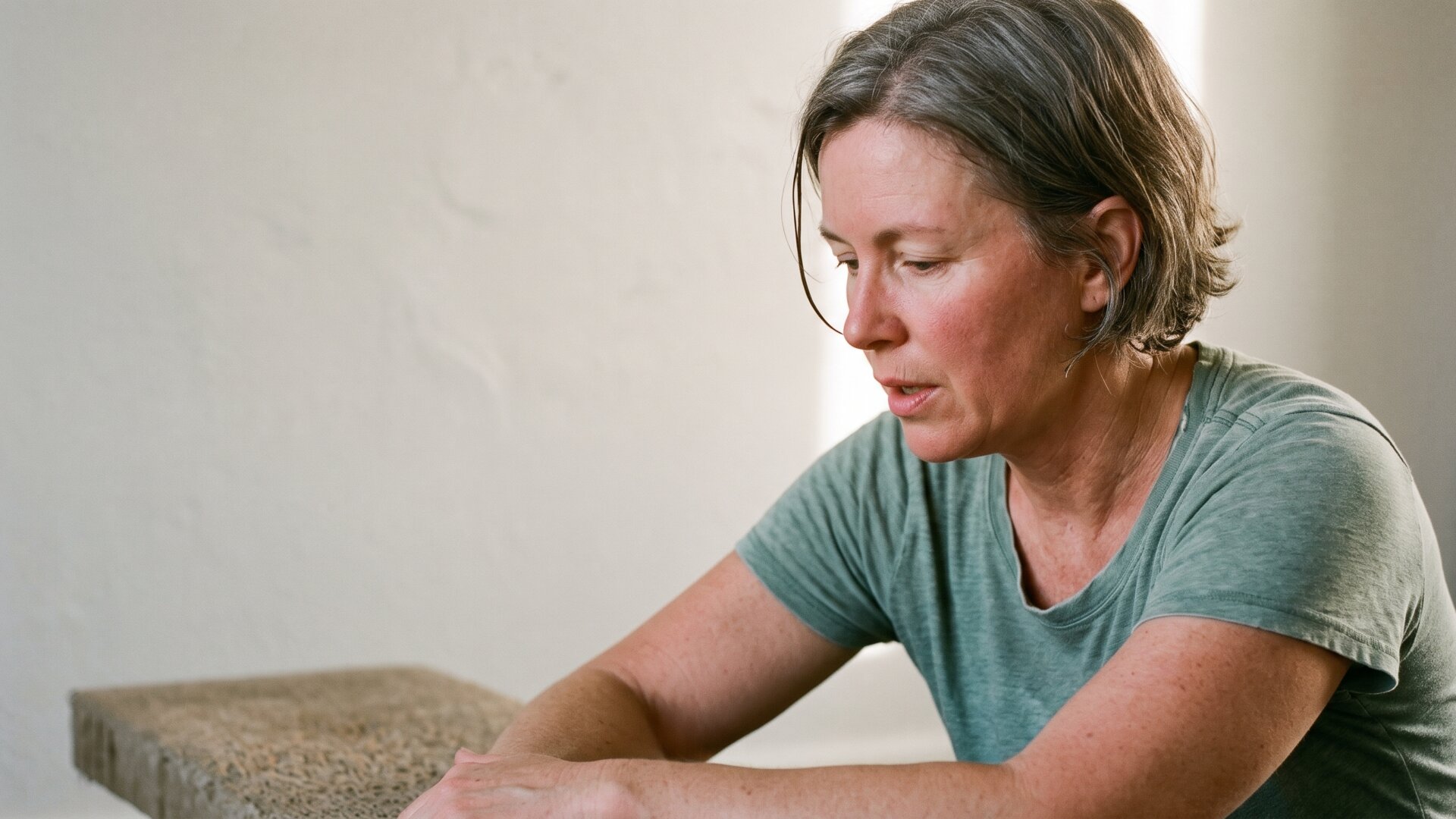
The common error is tensing everything at once, including the breath. People grip the abdominals, clench the jaw, and stop breathing properly, which turns a long isometric hold into a short one. Shaking starts, the hips drop, and the set ends well before the muscles are actually finished. Steady breathing is what makes duration possible. A five-hour hold is not a feat of maximum tension sustained impossibly long. It is a low, even effort that a body can tolerate because nothing is being clenched beyond what the position requires. The people who last longest are the ones who look least strained.
She ran a 3,000-meter race the next day
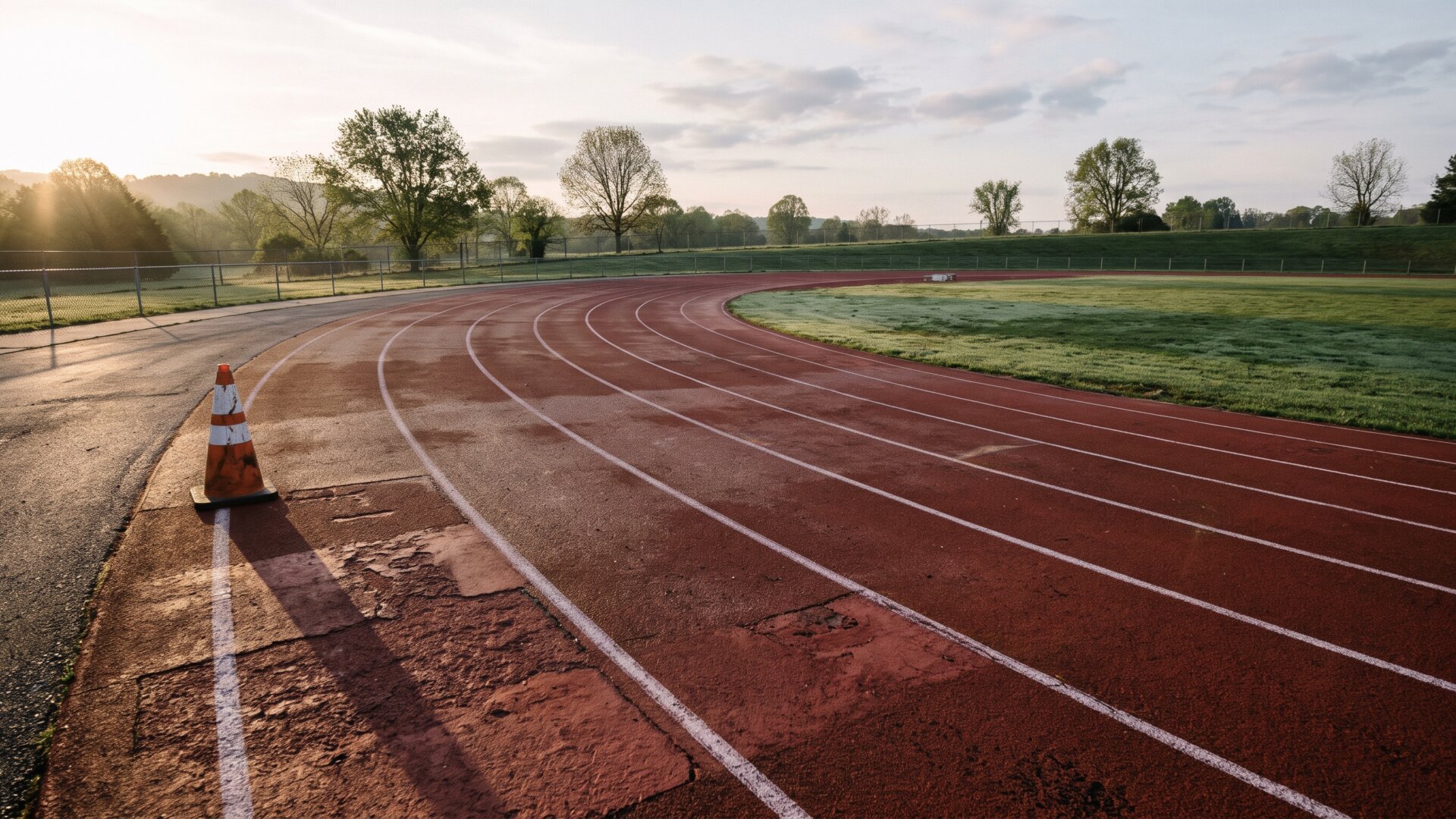
The detail that complicates the whole picture is what came after. The day following the October 6 attempt, Wilde competed in the Senior Games’ 3,000-meter track event. Five hours of continuous isometric load, then a distance race on a track. That sequence says something about how she trained. Ahead of the 2024 record she cross-trained with running, skipping, and weightlifting alongside the hours-long plank sessions. The plank was the specialty, not the whole program. A body conditioned only for static holds would have spent the next morning recovering rather than racing.
Why Guinness takes its time with a claim
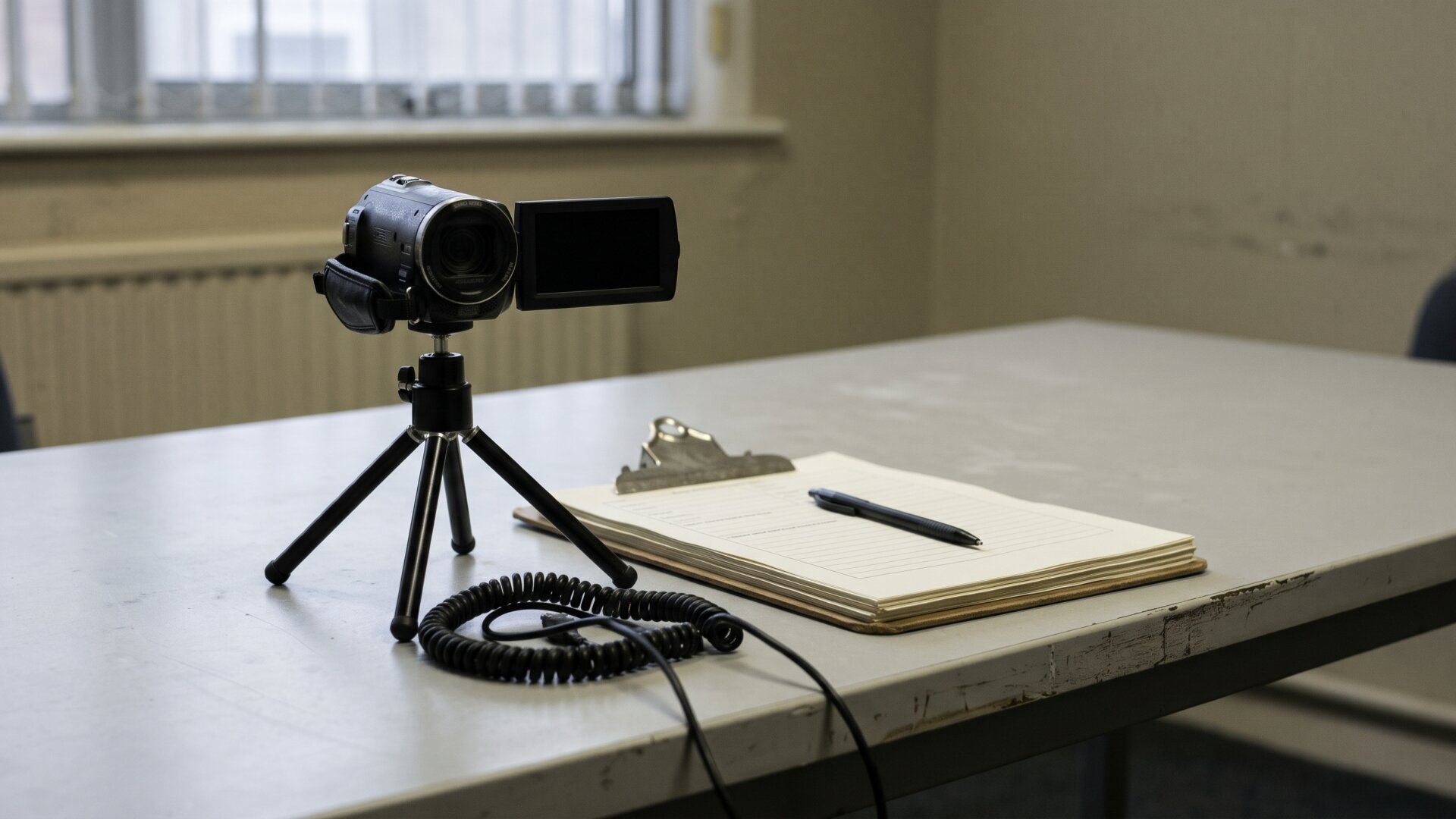
A record attempt is not official when the clock stops. Guinness World Records told USA TODAY it had received an application for Wilde’s October attempt, which starts a review rather than ends one. Evidence packages for timed attempts generally include continuous video, independent witness statements, and timekeeping records. The scrutiny exists because the plank category invites disputes about form. Reviewers need to confirm the position was held correctly throughout, with no rest and no break in the elbow-to-toe line. For a five-hour claim, that means reviewing five hours of footage. The waiting period is the verification, not a formality attached to it.
She read books about how athletes think

The strangest piece of her preparation was not physical. Before the 2024 attempt, Wilde read motivational books about athletes specifically to study how they trained their minds for competition. She approached a five-hour wall of boredom and discomfort as a problem of attention rather than strength. That tracks with how the habit started. The original appeal was that she could mark papers while holding the position. The mind had somewhere to go. For anyone copying one thing from a 61-year-old grandmother who planks for hours, it is probably not the hours. It is deciding what to do with your head while the clock runs.