

Products are selected by our editors, we may earn commission from links on this page.
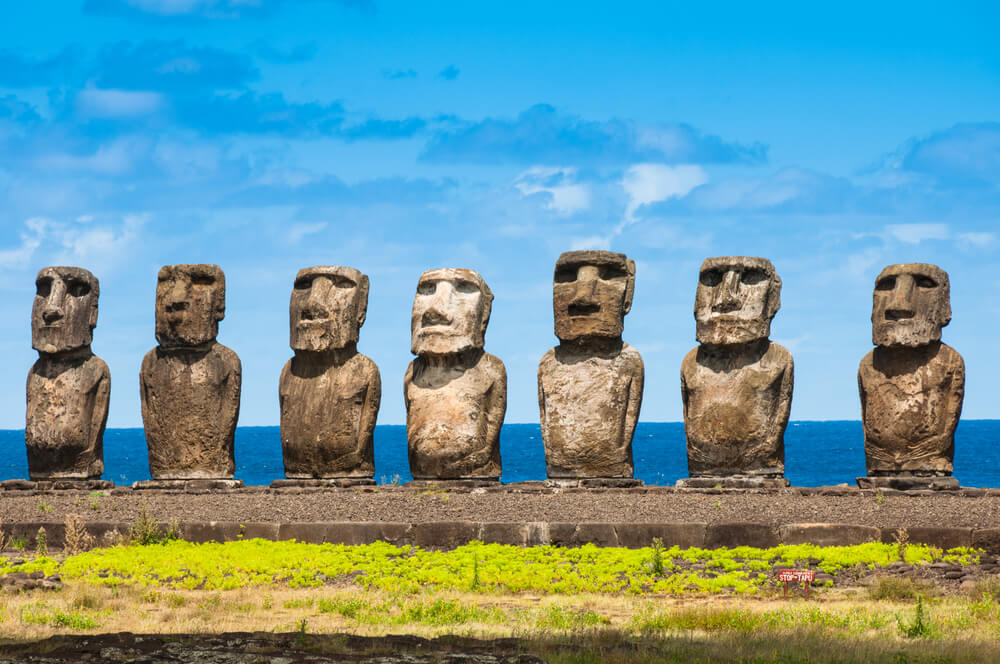
When a small moai statue appeared in the dried bed of a crater lake on Easter Island, archaeologists were caught off guard. The statue surfaced in Rano Raraku, the volcanic quarry where most of the island’s nearly 1,000 moai were carved, yet none had ever been documented inside the lake itself. This marked the first time a moai had been found in what was once an active body of wate.
A Fire, a Drought, and an Unexpected Reveal
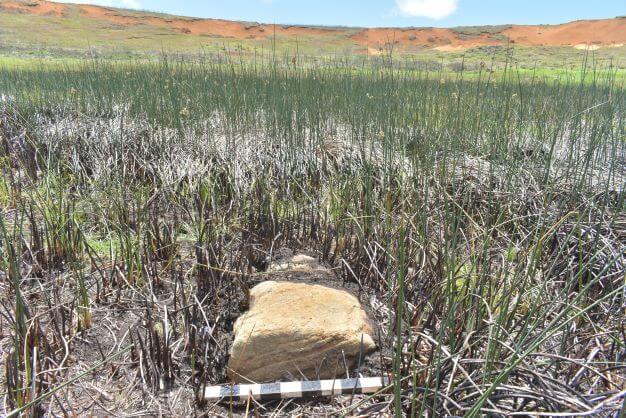
The discovery followed unusual environmental conditions. A grass fire swept through Rano Raraku, and prolonged drought dried the crater lake enough to expose the statue among reeds and sediment. Jo Anne Van Tilburg, director of the Easter Island Statue Project, described how site monitors working with Ma’u Henua and Chile’s national forestry agency identified the partially buried figure after the lake receded.
What the New Moai Looks Like
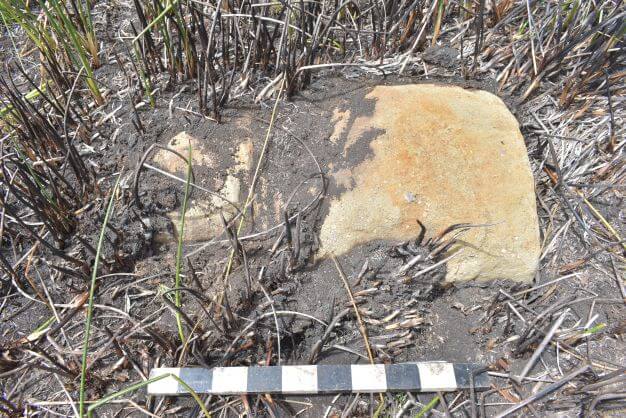
The statue is small compared to many of its towering counterparts, measuring about 1.6 meters in height and lies face-up, with its base oriented southward. Its form is sub-rectangular, and faint details of carved hands are visible on the torso, though researchers say more study is needed to document its features fully.
Why the Location Raises Questions
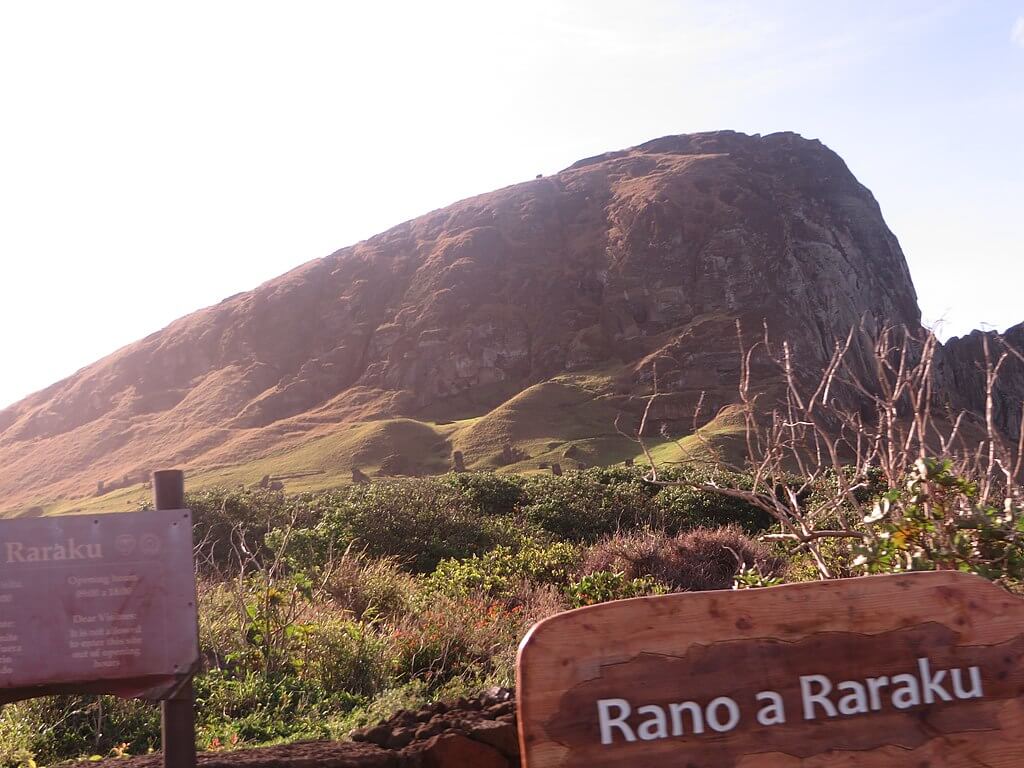
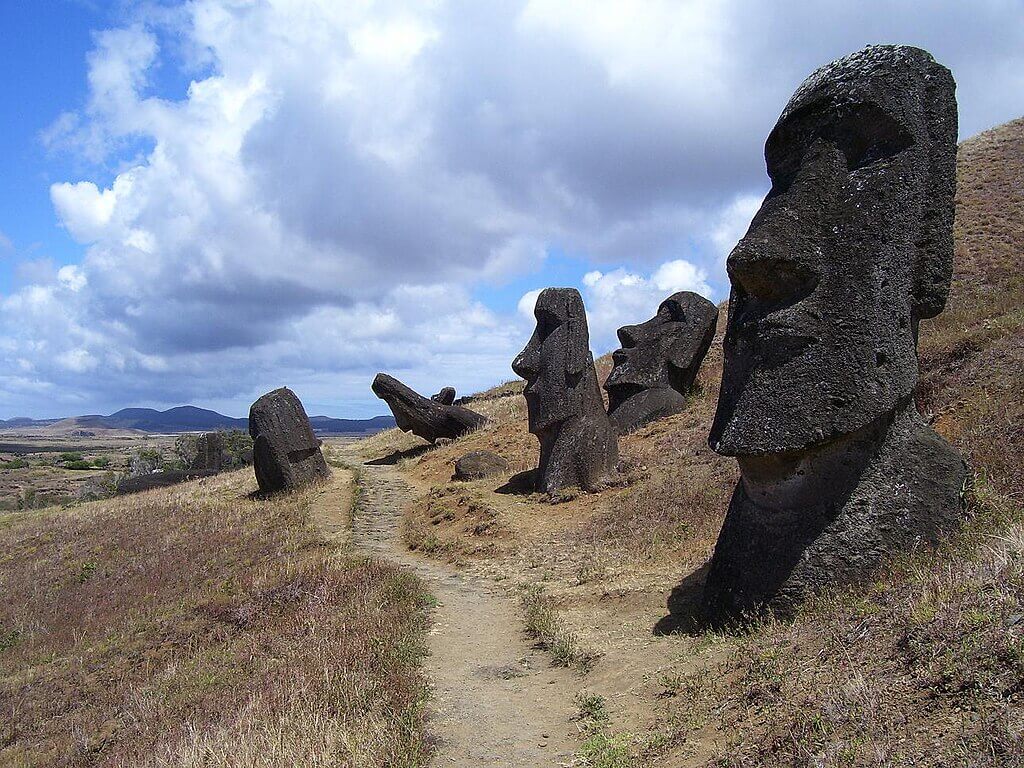
Rano Raraku served as the primary quarry for carving the moai between roughly 1300 and 1600 C.E., according to archaeologist Terry Hunt, who has studied the statues for two decades. While hundreds of unfinished statues remain scattered across the quarry slopes, Hunt told Good Morning America that none had previously been recorded inside the dry lake bed itself. “There have been no moai found in the dry bed or in what was previously a lake, so this is a first,” he said.
The Meaning Behind the Moai
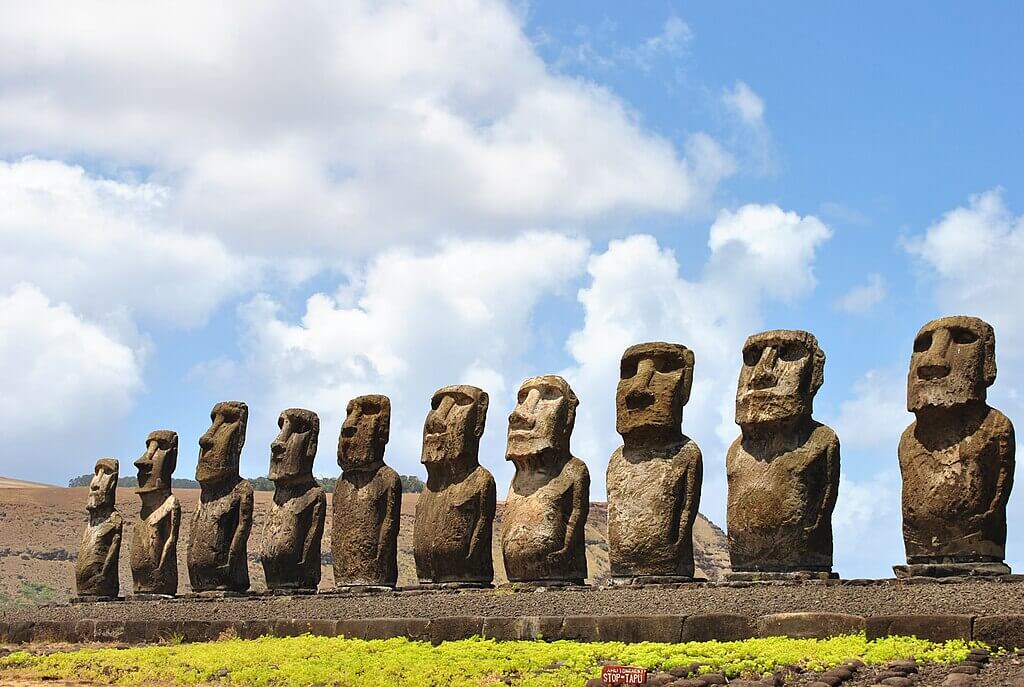
The moai represent deified ancestors of the Rapa Nui people. Hunt explained that the statues are central to the island’s identity and embody its deep archaeological heritage, standing as symbols of lineage and authority. Most moai were placed on ceremonial stone platforms called ahu and face inland, watching over communities rather than out toward the sea.
An Island Shaped by Stone
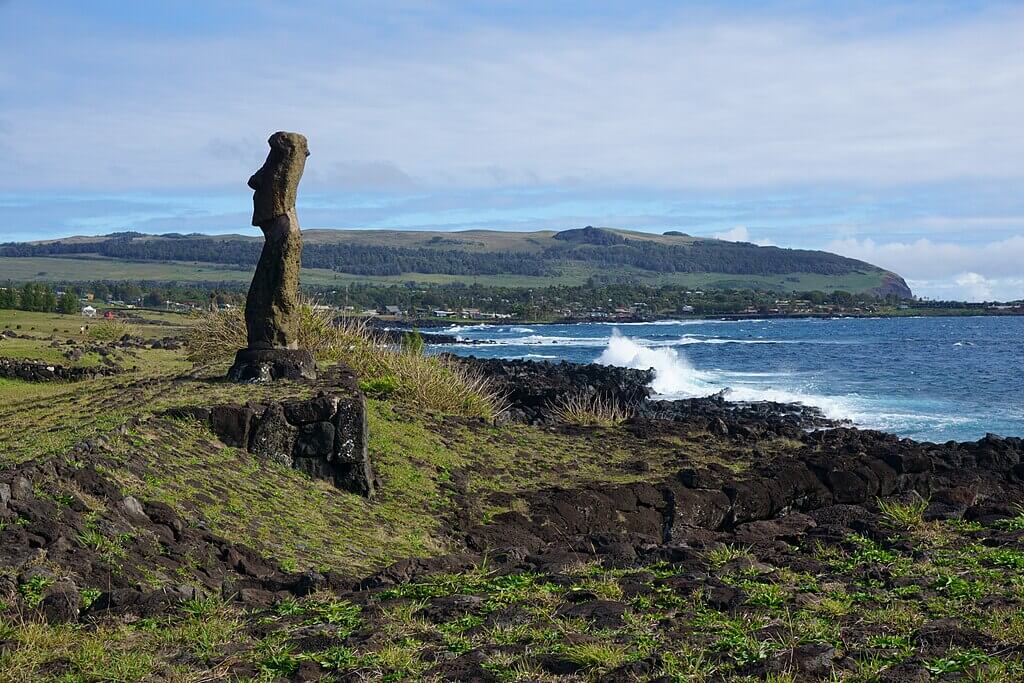
Easter Island, or Rapa Nui, lies about 2,200 miles off mainland Chile and is home to roughly 8,000 residents. Nearly 1,000 moai dot the landscape, carved from volcanic tuff, with some reaching 33 feet tall and weighing up to 80 tons. Smithsonian Magazine notes that the statues have fascinated observers since European explorers first encountered them in the 18th century, including Captain James Cook, who marveled at how islanders could raise such massive figures.
Climate Change’s Unintended Role
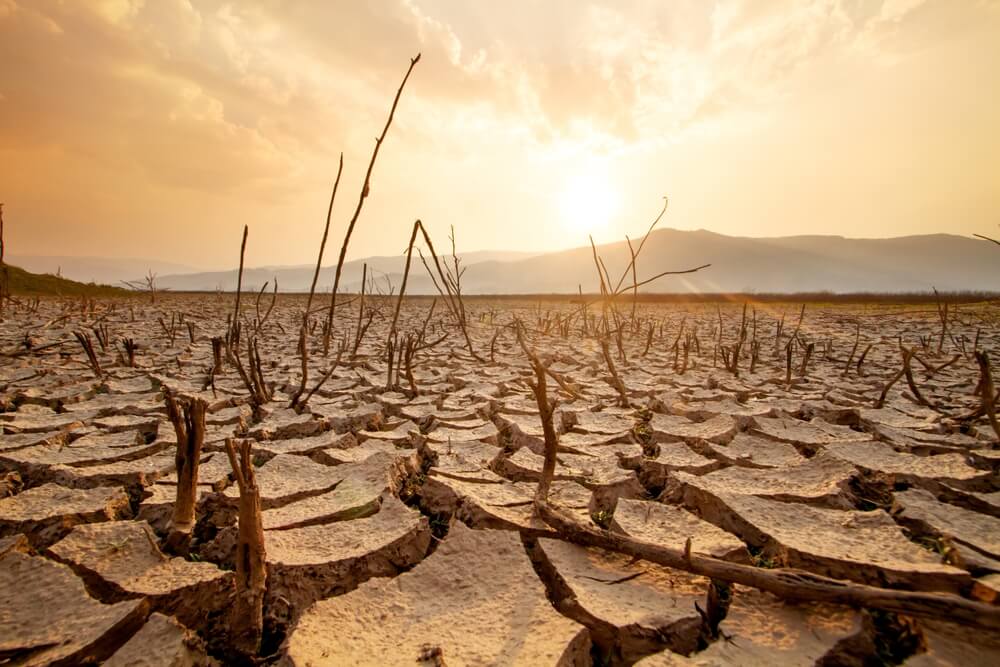
Researchers say the lake’s drying reflects broader environmental shifts. Hunt described the current drought conditions as creating an “unusual opportunity” to study terrain that is normally underwater, suggesting more statues or tools could remain hidden beneath sediments. He noted that tall reeds once obscured the area and that new surveying methods may detect additional buried features.
Cultural Significance for Rapa Nui
For the island’s Indigenous community, the discovery carries deep meaning. Salvador Atan Hito, vice president of Ma’u Henua, told Good Morning America that the statue’s presence in the lake came as a surprise even to elders on the island. “Nobody knows this exists,” he said, emphasizing how the find resonates with local heritage and memory.
Preservation Challenges Ahead
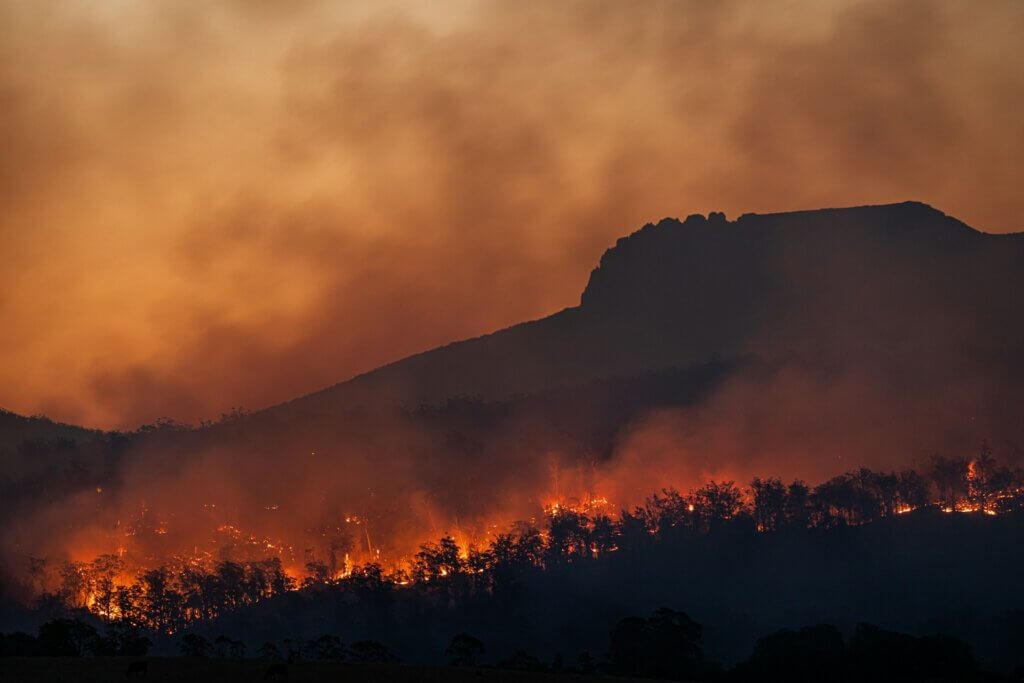
The moai face growing threats from erosion, rising sea levels, and fire damage. Smithsonian Magazine reported that a wildfire in 2022 scorched hundreds of acres and permanently affected several statues, adding urgency to conservation efforts. Van Tilburg and her colleagues have stressed the need to stabilize the newly exposed statue and protect its fragile volcanic stone from further deterioration.
A Discovery That Complicates the Story
Archaeologists once believed the distribution of moai across Rapa Nui was well understood. The emergence of a statue in a location long assumed empty challenges that confidence and suggests parts of the quarry landscape remain unexplored. As Hunt put it, when one moai appears in an unexpected place, it raises the possibility that more are waiting beneath the surface.