

Products are selected by our editors, we may earn commission from links on this page.
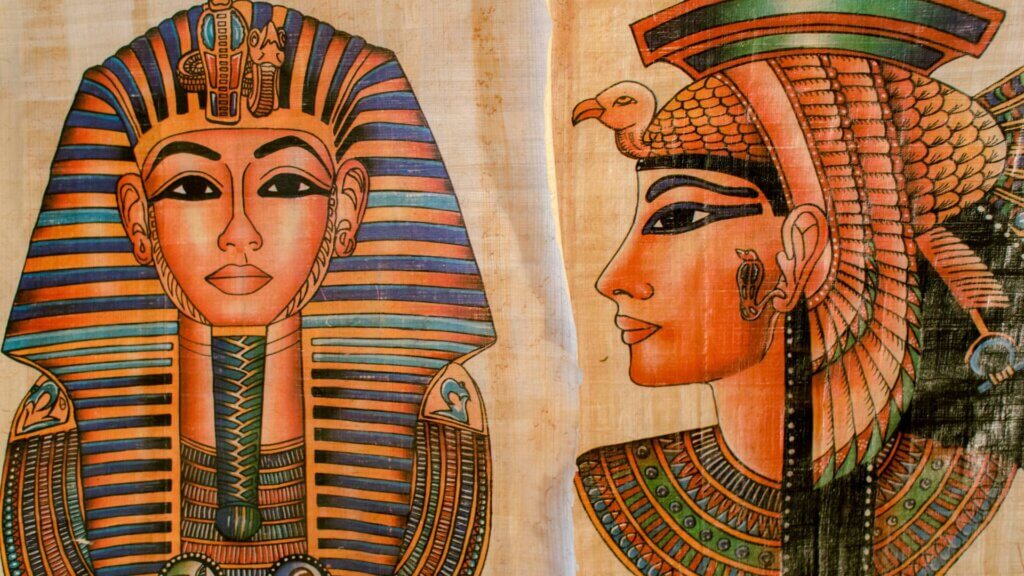
What did Cleopatra really smell like? Hawaiian researchers and global collaborators have unlocked the secrets of a legendary scent worn by Egypt’s most iconic queen. Using ancient texts, excavation finds, and scent science, they’ve recreated a fragrance lost for 2,000 years.
An Ancient Perfume Lab Was Found

At Tell Timai in Egypt, archaeologists uncovered a perfume-making facility complete with kilns, clay jars, and residue-filled vessels. This ancient site proved that fragrance production in Cleopatra’s time was highly organized and sophisticated. It laid the groundwork for reconstructing royal scents, giving researchers physical evidence of how perfumes were once crafted for elite use in ancient Egypt.
Imported Clay Bottles Discovered
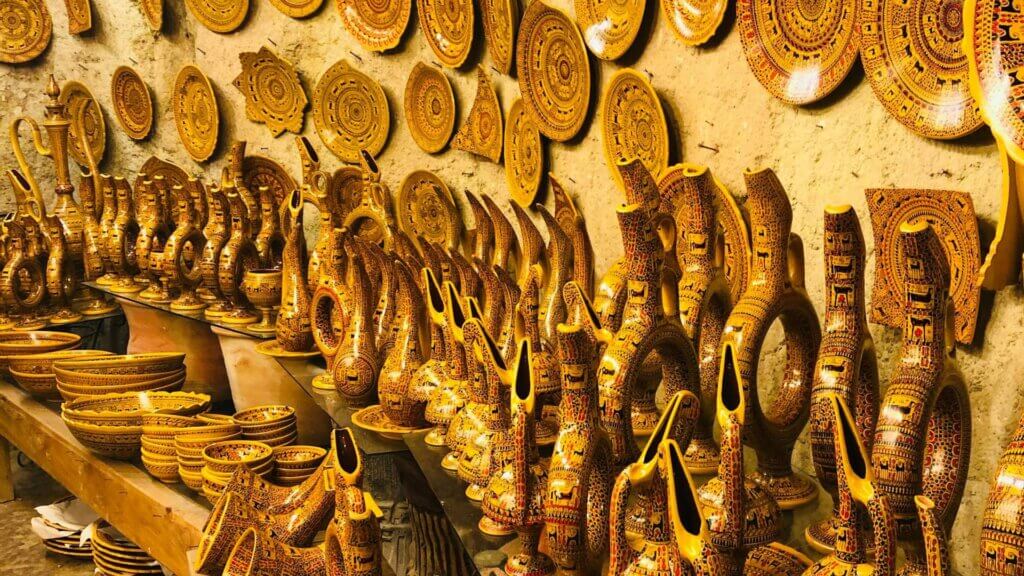
Perfume containers were crafted from imported clay, including lekythoi and Roman glass bottles. These elegant vessels revealed how much effort went into packaging ancient perfumes.
They also suggest fragrance was a luxury product meant for the wealthy. The fine materials and craftsmanship added authenticity to the recreated scent, showing Cleopatra’s perfume wasn’t just aromatic but beautifully presented.
Treasure Found Near the Site
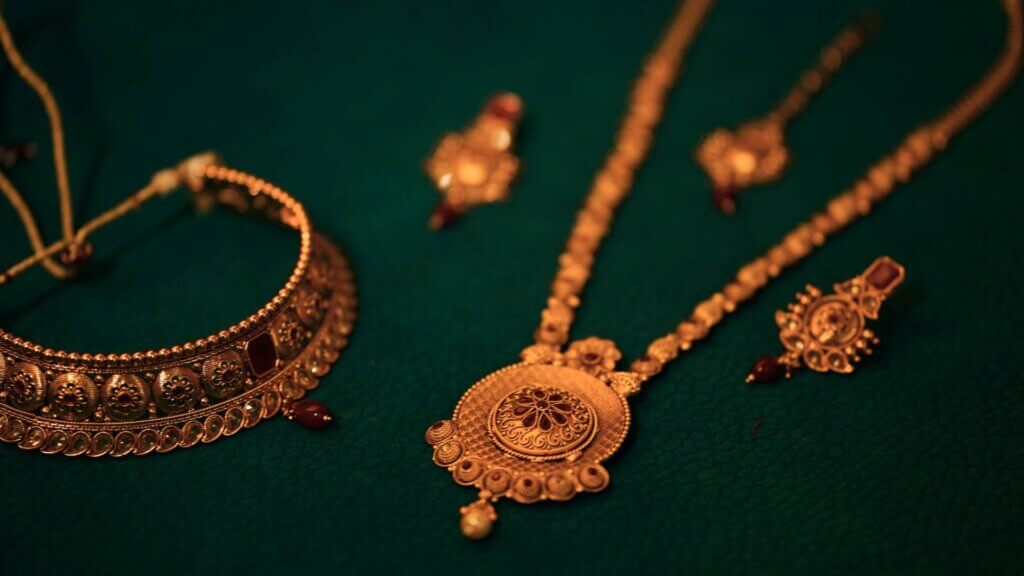
Alongside perfume-making tools, archaeologists found silver coins, gold earrings, and jewelry. These artifacts pointed to perfume producers who were either wealthy or made fragrances for elite customers.
The luxurious items gave more weight to the idea that this perfume was once worn by powerful women. It also reflected the high social value placed on fragrance in ancient Egypt.
Residue Under Scientific Analysis

Researchers began analyzing residue found in ancient vessels to determine the original ingredients. These tests aim to detect oils or botanical compounds used in perfumes during Cleopatra’s time. Chemical analysis will confirm whether the recreated scent closely matches the original. This ongoing research helps validate the blend’s authenticity and expands our knowledge of ancient Egyptian cosmetic chemistry.
Global Team Made It Happen

The University of Hawaiʻi team collaborated with German perfume experts to reconstruct the ancient formula. Using archaeological finds and ancient Greek texts, they combined history, chemistry, and scent research.
Myrrh Was a Key Ingredient
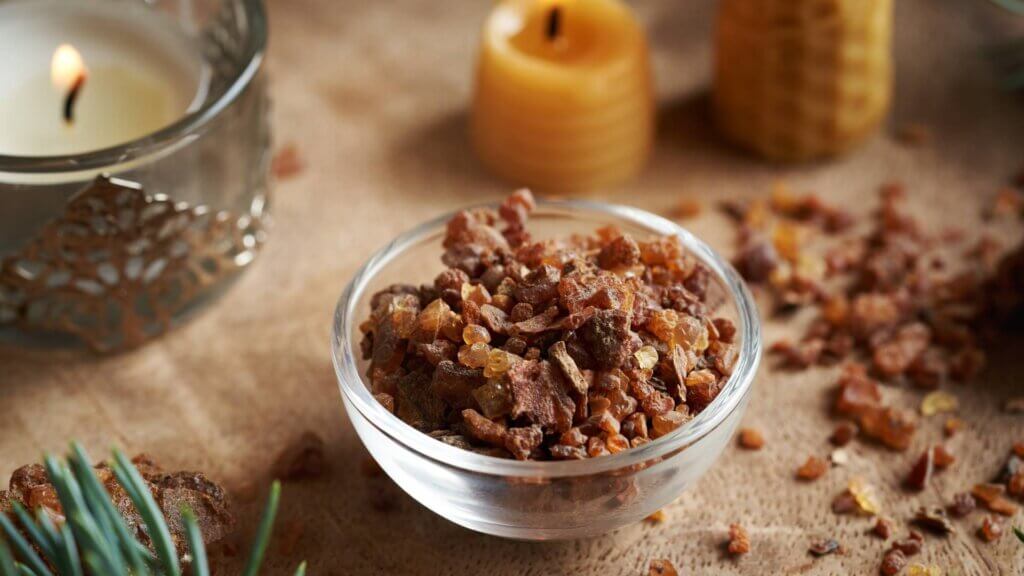
The recreated perfume included myrrh, cinnamon, and olive oil. Researchers followed ancient infusion methods to extract scent from the ingredients. The result was a rich, warm fragrance that matched historical accounts.
Myrrh was also used in religious rituals, which added symbolic depth. The scent was long-lasting and luxurious, perfectly suited for royalty like Cleopatra and other high-status individuals.
Exhibit Let Visitors Smell It

The recreated perfume was showcased at the National Geographic Museum during the “Queens of Egypt” exhibit. Visitors were able to smell the scent that had been lost for centuries. This interactive display made history come alive through scent. It was a rare opportunity to connect with the ancient world using more than just sight or sound but also smell.
Scent Smelled After 2,000 Years
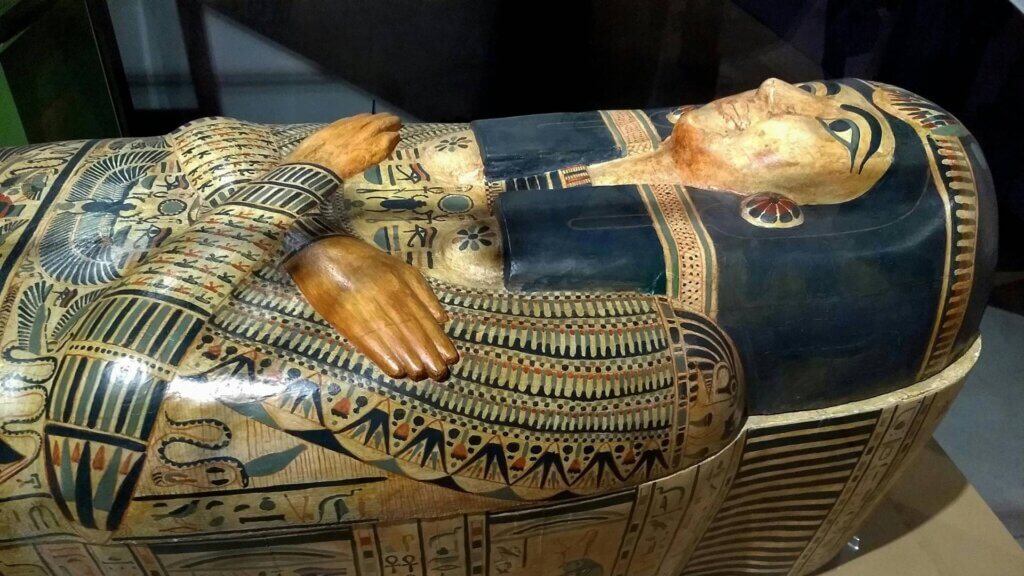
Lead archaeologist Robert Littman described smelling the perfume as an unforgettable experience. It was the first time in 2,000 years that anyone had encountered this scent.
This moment gave researchers and visitors an emotional link to Cleopatra’s world. Recreating a forgotten fragrance proved that even something invisible like scent can become a powerful bridge to ancient history.
Ancient Scents, Modern Connection

Recreating Cleopatra’s perfume wasn’t just about curiosity—it was about reviving a lost piece of culture. Through archaeology, science, and collaboration, researchers brought a forgotten fragrance back to life.