

Products are selected by our editors, we may earn commission from links on this page.
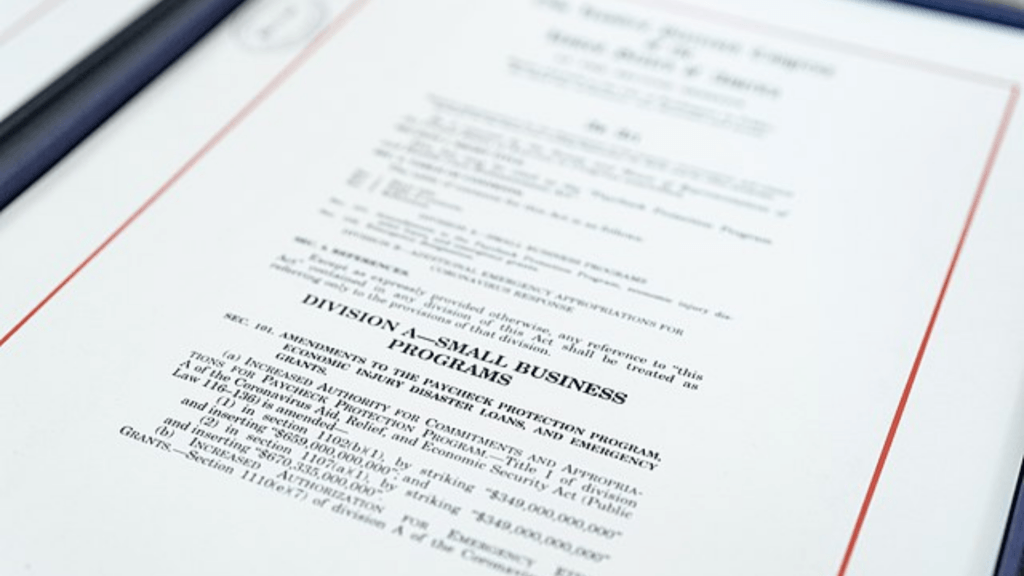
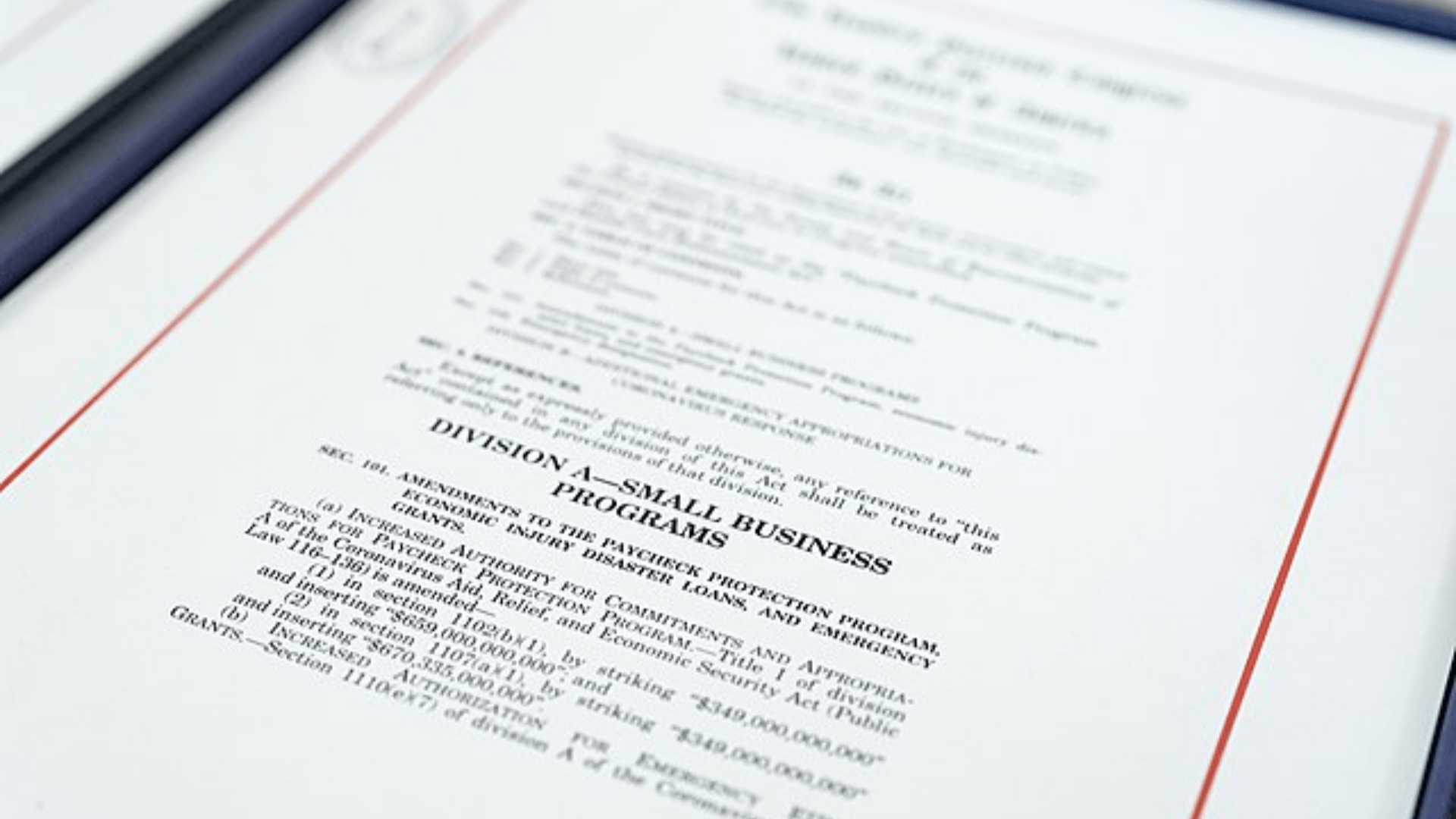
A major Michigan auto dealership network is facing financial penalties after federal authorities accused it of improperly obtaining pandemic relief funds. The company, tied to a long-standing auto empire, has agreed to pay more than $1.5 million to settle allegations linked to the Paycheck Protection Program.
The case centers on claims that the business misrepresented key details in order to qualify for a loan intended for smaller companies during the COVID-19 crisis. While the settlement resolves the allegations, it highlights ongoing scrutiny of how pandemic relief funds were distributed and used.
Federal officials say the situation reflects a broader effort to investigate and enforce rules surrounding pandemic aid, especially in cases where companies may have stretched eligibility requirements.
What the PPP Fraud Allegations Involved

At the center of the case is Garber Management Group, Inc., which is affiliated with a large network of dealerships. Prosecutors alleged the company falsely certified that it qualified as a small business when applying for a PPP loan in 2020.
According to federal authorities, the company exceeded the program’s 500-employee limit when its workforce was combined with affiliated entities. This meant it did not meet the eligibility requirements for the loan it received, which totaled more than $864,000.
Officials also said the company did not qualify for an exemption that could have allowed it to bypass these limits. As a result, the government argued that the loan and its forgiveness were based on inaccurate certifications.
Why the Case Matters Beyond One Company
The settlement is part of a wider crackdown on misuse of pandemic relief programs. The Paycheck Protection Program was designed to help small businesses survive economic disruptions, but its rapid rollout created opportunities for misuse and confusion over eligibility rules.
Cases like this often arise from whistleblower lawsuits filed under the False Claims Act, which allows individuals to report suspected fraud and share in any financial recovery. In this instance, the whistleblower is expected to receive a portion of the settlement.
Legal experts say enforcement efforts are likely to continue for years, as investigators review data and identify companies that may have received funds they were not entitled to under the program’s rules.
A Warning for Businesses

The $1.5 million settlement sends a clear message about the importance of accuracy and transparency when applying for government aid. Even years after the pandemic, companies are still being held accountable for how they accessed relief funds.While the case does not include an admission of liability, it underscores the risks businesses face if they fail to fully comply with program requirements or misinterpret eligibility rules tied to federal assistance.
As investigations continue, this case serves as a reminder that pandemic relief programs remain under close scrutiny, and companies must ensure that their applications and certifications are both complete and accurate to avoid costly consequences.