

Products are selected by our editors, we may earn commission from links on this page.
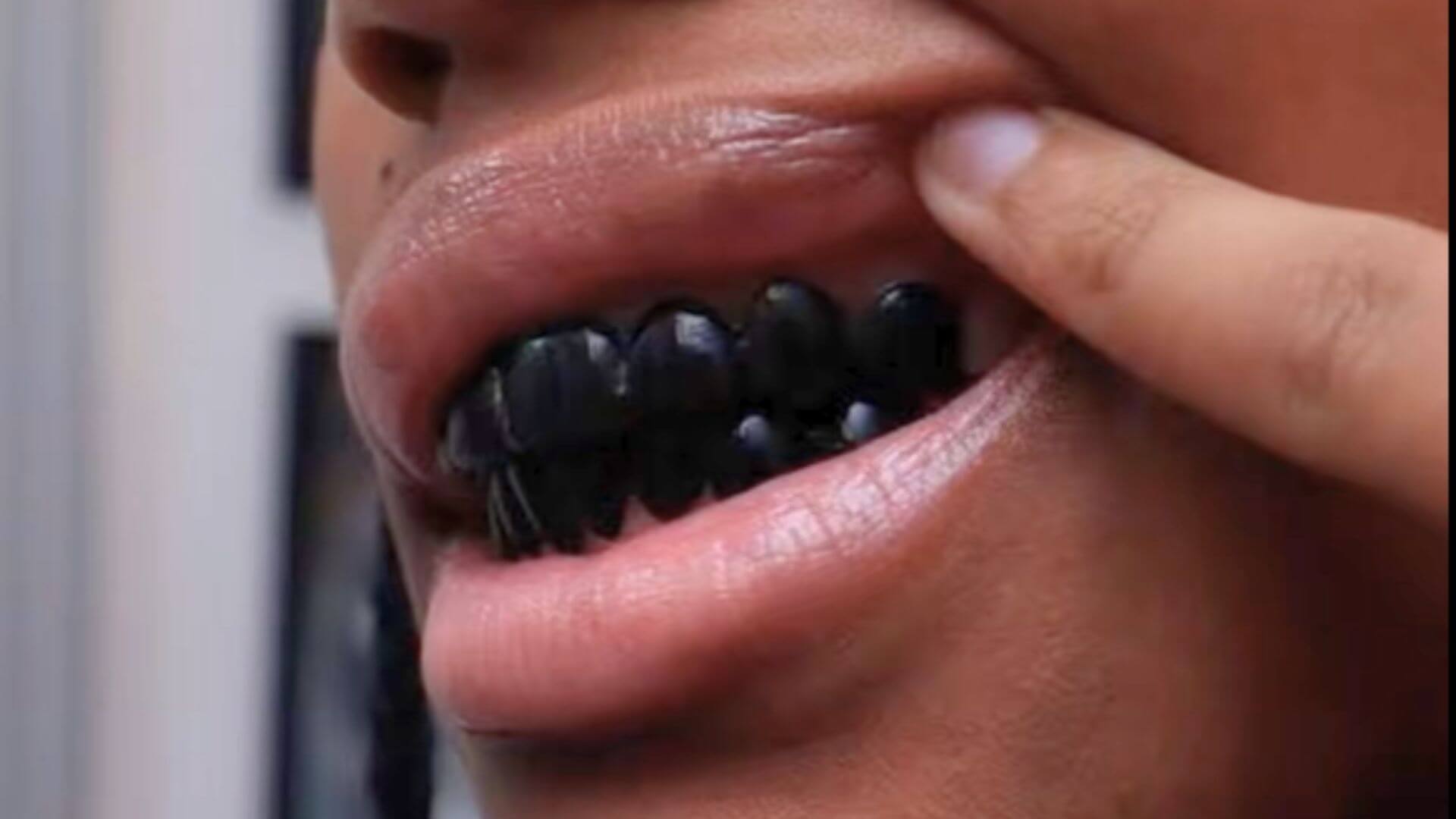
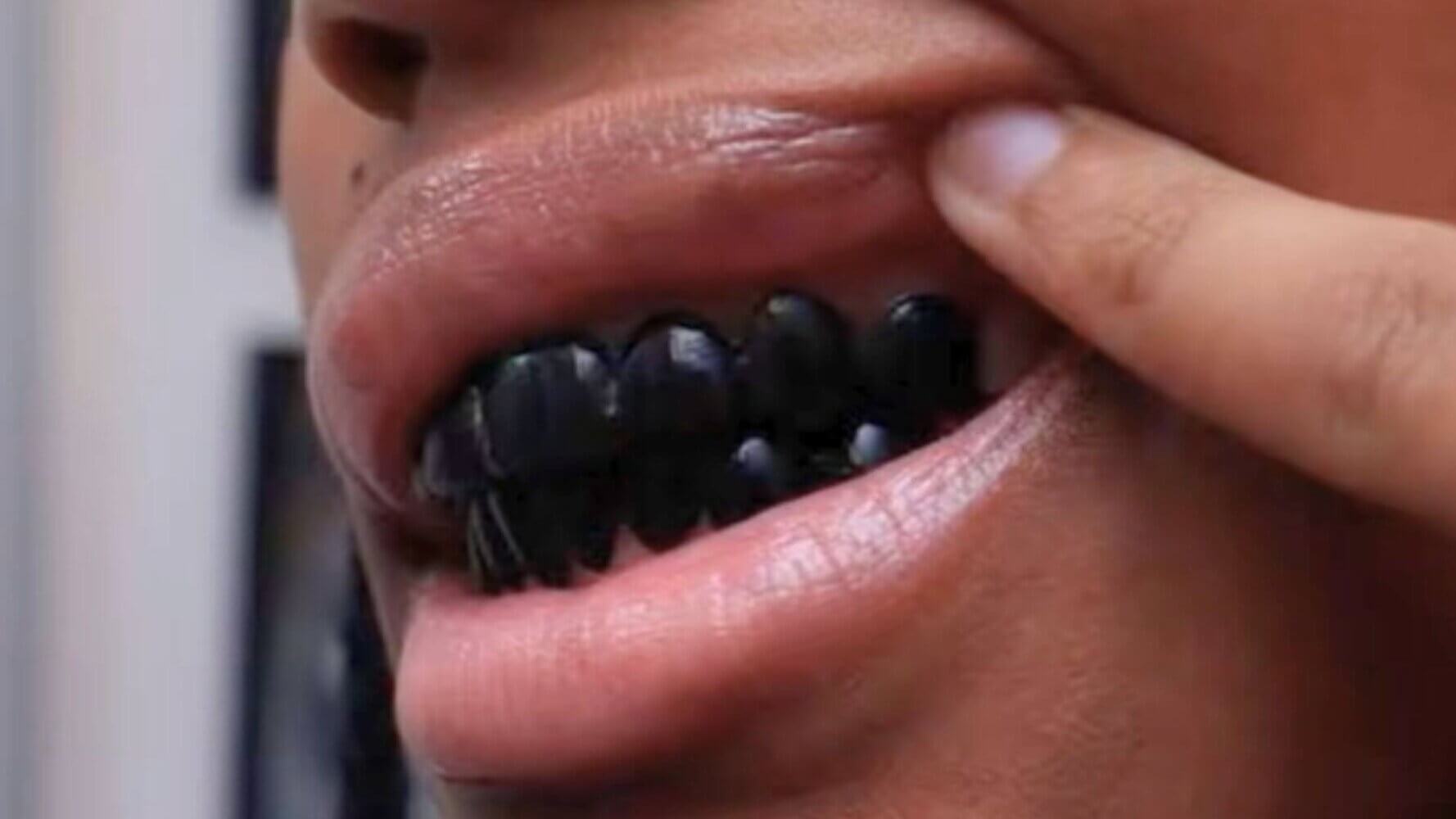
TikTok has become the launchpad for some of the most unexpected beauty trends, but few are as surprising as the revival of ohaguro, an ancient Japanese practice of teeth blackening.
The look first reappeared on TikTok around 2020, peaked in 2021, and, while no longer mainstream, still surfaces among beauty creators today.
The fact that it continues to spark fascination shows how powerful digital culture can be in resurrecting traditions, even those considered bizarre by modern standards.
What Exactly Is Ohaguro?
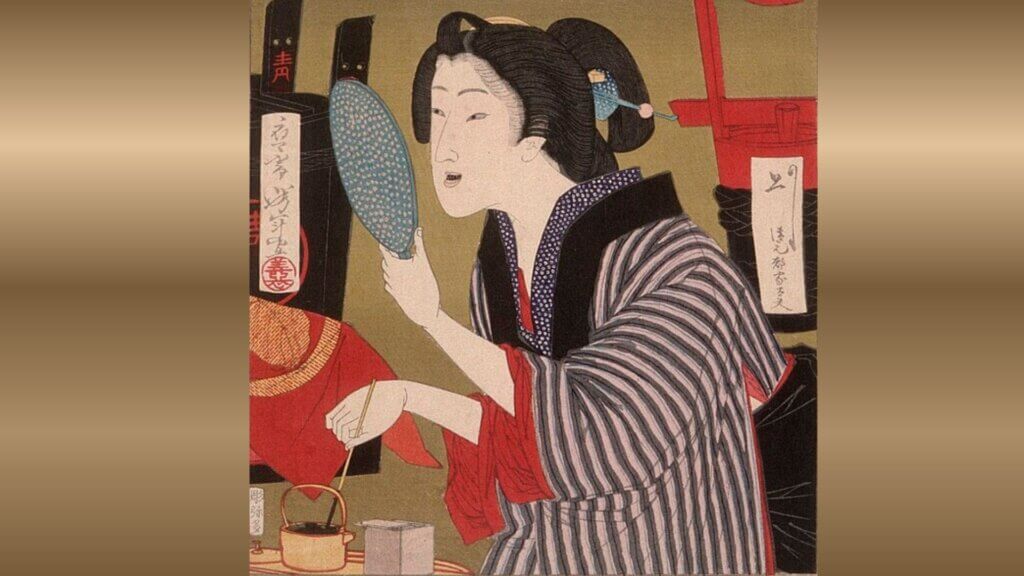
Ohaguro refers to the practice of dyeing teeth black, a tradition that dates back to Japan’s Heian period (794–1185). It was once considered a mark of refinement, adulthood, and even protection against tooth decay.
The look was achieved using iron filings mixed with vinegar, creating a black lacquer that coated the teeth. While it may seem shocking now, it was viewed much like elaborate hairstyles or makeup, an elegant symbol of status and beauty.
The TikTok Revival in 2020–2021
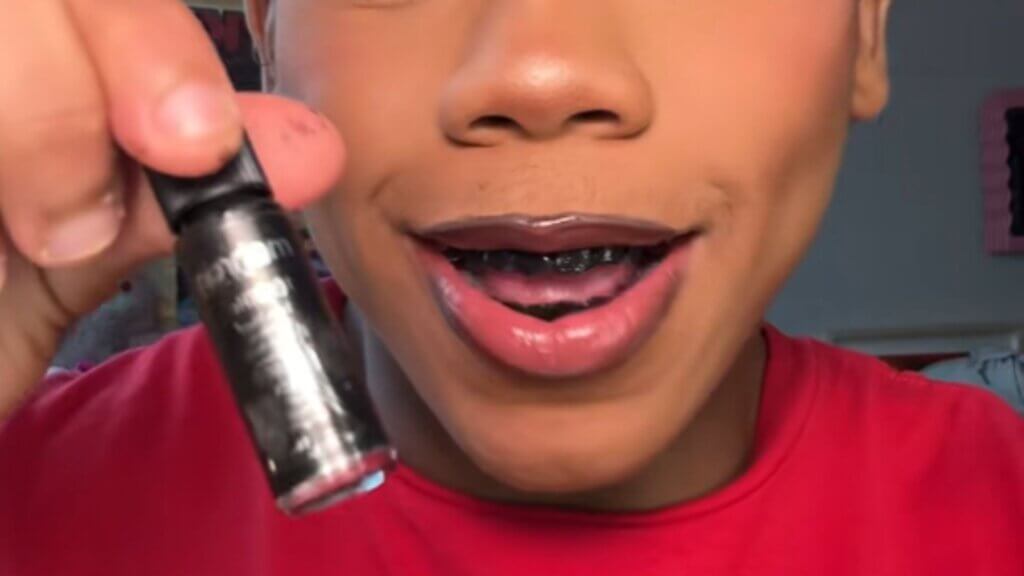
Fast forward centuries, and TikTok resurrected ohaguro in a completely different light. Around 2020, beauty influencers began experimenting with blackened teeth, treating it as an edgy counterpoint to the typical “perfect white smile” aesthetic.
The trend peaked in 2021, sparking equal parts curiosity and criticism. For younger creators, it was partly about shock value, but also about pushing beauty boundaries in a space known for viral, unconventional looks.
Why Young People Were Drawn to It
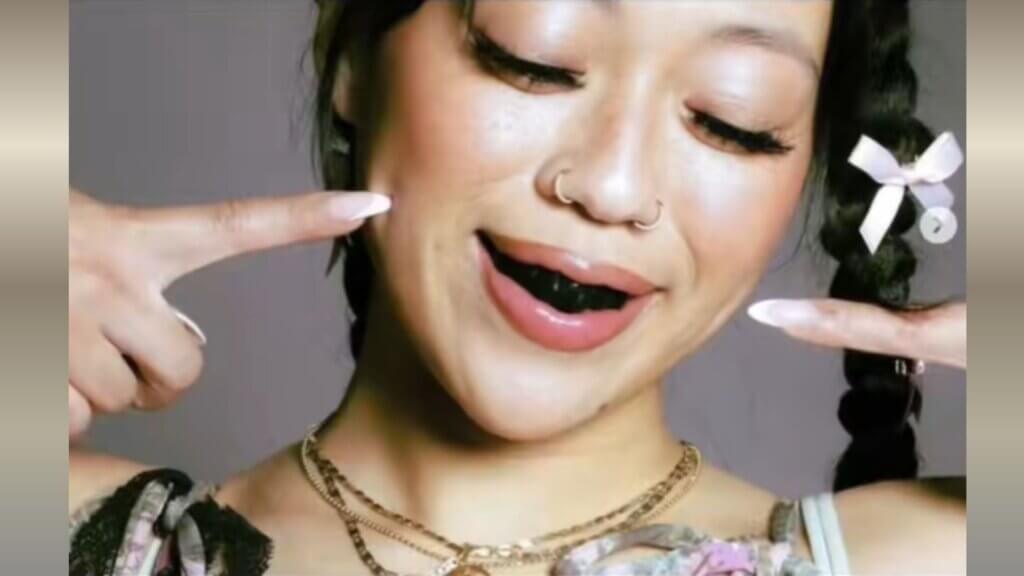
For Gen Z, who thrive on disruption and experimentation, ohaguro represented a rebellion against Western beauty ideals. Instead of chasing whiteness, the look embraced something traditionally “unattractive” by modern standards.
Some creators framed it as a commentary on the pressures of cosmetic perfection, while others leaned into its historical and cultural significance. In both cases, the bold, eerie effect made it instantly TikTok-worthy, cementing its spot as a memorable trend.
The Cultural Reclamation Angle
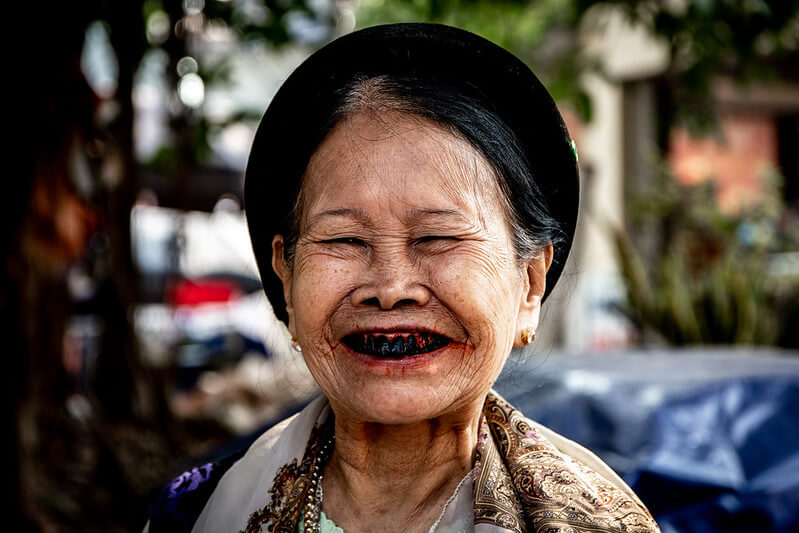
Beyond shock factor, some women, especially in Asia, used the trend as a way to reconnect with cultural history. As highlighted in an article by the South China Morning Post, modern creators viewed ohaguro as reclaiming a tradition that once symbolized elegance and maturity.
By wearing the look on TikTok, they weren’t just playing with aesthetics but also reviving conversations about beauty standards across time and cultures. This layer of meaning helped the trend resonate more deeply than a fleeting gimmick.
The Internet’s Mixed Reactions
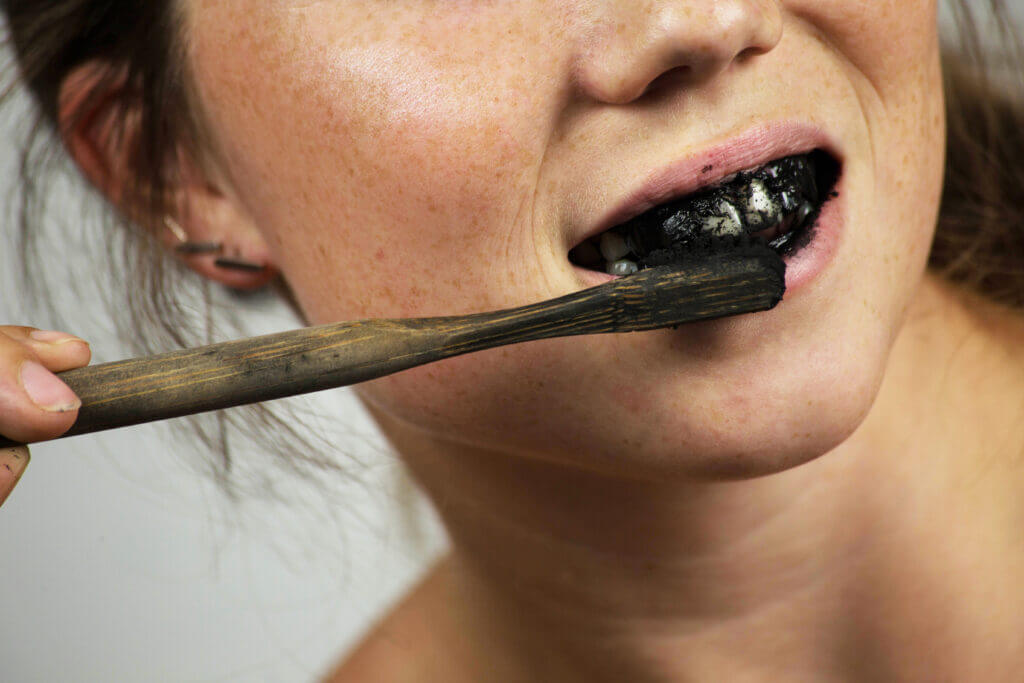
Like most viral beauty experiments, ohaguro received polarized responses. Some praised it as bold, artsy, and refreshingly different, while others dismissed it as creepy or unattractive. The divide reflected broader debates on TikTok about who sets beauty norms and why.
Even critics admitted, however, that the sight of blackened teeth scrolling through their feeds was unforgettable, proof that the internet rewards anything that challenges expectations.
From Ancient Protection to Modern Statement
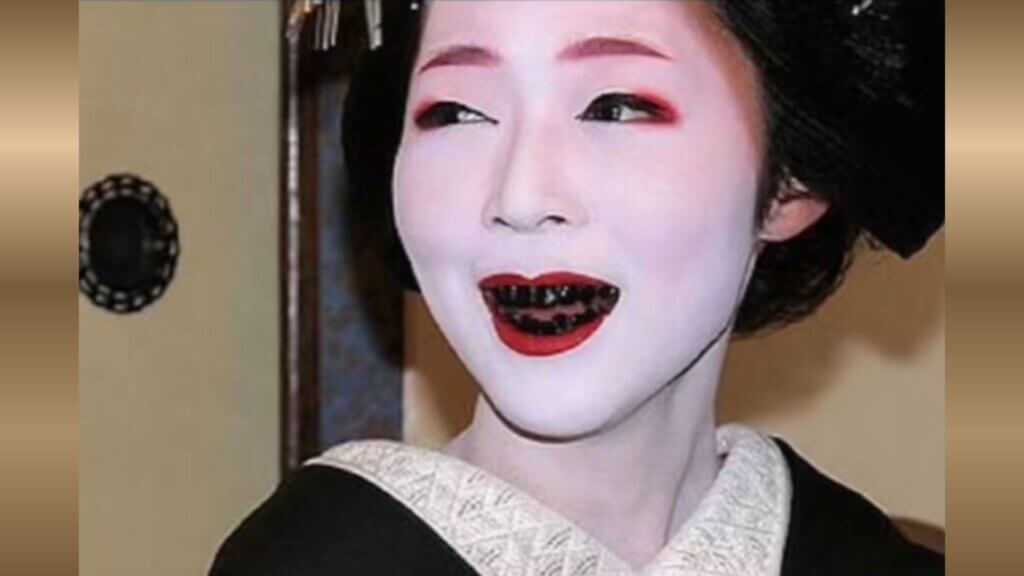
Interestingly, ohaguro wasn’t only about aesthetics in ancient Japan. Historical accounts note that the iron-based dye also helped protect teeth from decay—an early form of dental care. Today’s revival strips away the practical purpose, but the symbolism remains.
On TikTok, blackened teeth became a visual metaphor for rejecting conformity, highlighting how cultural practices can shift from practical solutions to artistic statements over time.
Why the Trend Still Lingers
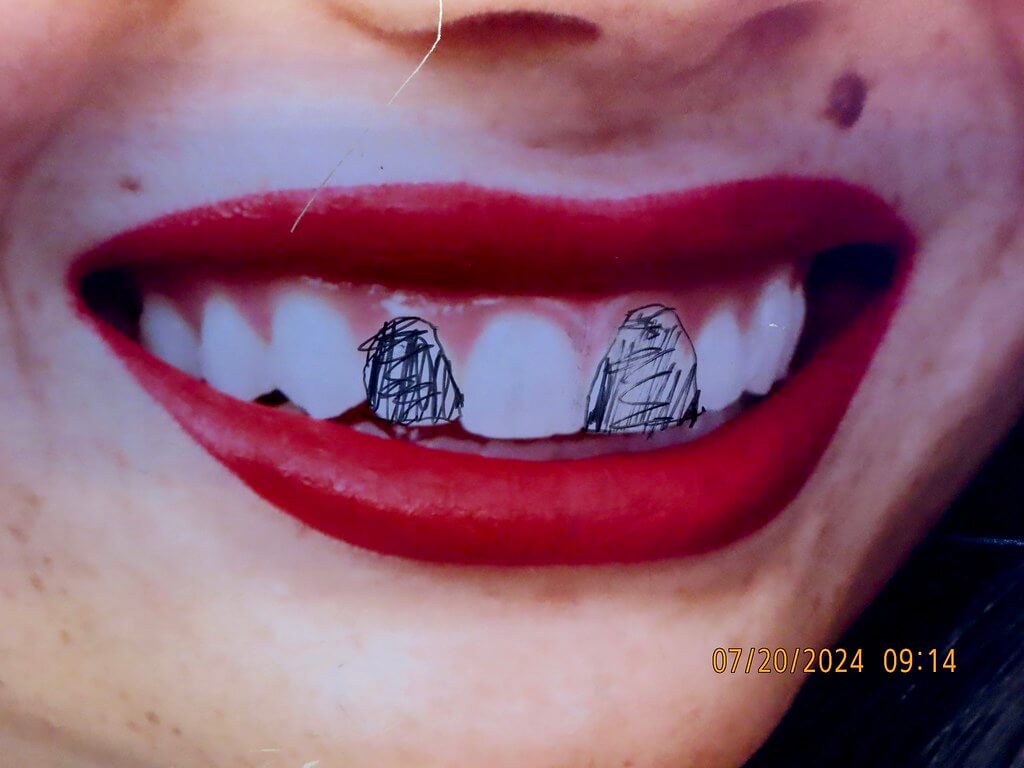
While ohaguro isn’t flooding TikTok feeds the way it did in 2021, it hasn’t vanished. Some niche beauty creators still use the look in tutorials, cosplay, or historical-inspired content.
Its lingering presence proves that viral doesn’t always mean short-lived; certain trends carve out lasting spaces, especially when tied to cultural identity. Even years later, the aesthetic occasionally resurfaces, reminding audiences of the internet’s ability to keep traditions alive in unexpected ways.
What It Says About Beauty and the Internet
The revival of ohaguro shows how digital platforms can challenge and expand ideas of beauty. By amplifying an ancient, almost forgotten practice, TikTok revealed just how fluid beauty standards are and how quickly they can be reimagined.
What began as a cultural ritual transformed into a global conversation about aesthetics, identity, and tradition. It’s a perfect example of how trends on TikTok aren’t just frivolous—they can spark dialogue about history and modern self-expression.
The Legacy of a Viral Tradition

Though the ohaguro trend may no longer dominate TikTok, its journey from Heian-era Japan to Gen Z feeds illustrates the power of cultural revival in the digital age.
What was once a marker of elegance became a viral curiosity, only to find new meaning as both rebellion and reclamation.
In a world where trends come and go overnight, ohaguro stands out as proof that even the strangest beauty rituals can find new life online—and stay relevant years later.